Source Simple Drink Cups with Lid for Food, Beverage, and Gift Packaging
Explore 30 listings for Simple Drink Cups with Lid, including PP plastic and paper options. Compare features like double-wall insulation, flexographic printing, and custom sizes from 4oz to 26oz. Find suppliers offering OEM services and competitive pricing for hot or cold beverages.
Key considerations
Products List


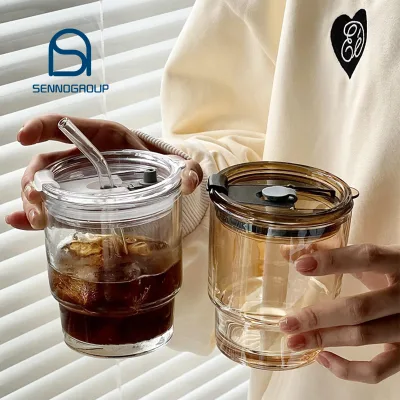


Comprehensive Sourcing Guide
Simple Drink Cups with Lid Sourcing Guide
Buyers seeking Simple Drink Cups with Lid must first distinguish between the distinct material categories observed in current listings, specifically noting the coexistence of polypropylene (PP) plastic and paper-based options. The product data indicates that while some listings explicitly define the material as PP for food storage and packaging, others describe items as paper cups suitable for hot and cold beverages, tea, and coffee. This divergence requires immediate clarification during the initial inquiry phase to ensure the selected material aligns with the intended thermal application and environmental compliance goals.
Procurement teams must also verify the specific functional attributes attached to these cups, such as the presence of lids, double-wall construction, or ripple wall designs. The observed listings highlight features like "With Lid" and "Double Wall" for paper variants, while plastic options emphasize their disposable nature and suitability for food containers. Understanding these structural differences is critical, as a cup designed for hot coffee with a double wall will have different thermal performance and cost implications compared to a single-wall plastic cup intended for cold storage or general packaging.
Product Scope and Observed Listing Signals
The market signals for Simple Drink Cups with Lid reveal a wide spectrum of customization capabilities, ranging from standard sizes to fully bespoke specifications. Data indicates that models are available in specific volume increments like 4oz, 8oz, 12oz, and 16oz, while other listings offer a broad range from 1oz to 26oz or even 2.5oz to 22oz. Buyers should expect that most suppliers accept custom sizes and logos, allowing for tailored solutions that fit specific branding or volume requirements, though the exact model numbers and size ranges must be confirmed against the specific supplier's catalog.
Commercial signals further suggest that these products are heavily oriented toward high-volume distribution, with minimum order quantities (MOQ) frequently set at 50,000 or 100,000 pieces. While some listings mention lower MOQs, the dominant trend points toward large-scale production runs, which influences the unit economics and the feasibility of small-batch testing. Additionally, the availability of free samples and short sample lead times of 3-7 days provides a practical mechanism for buyers to validate the physical quality and lid fit before committing to the substantial volumes typically required for full production orders.
Technical Specifications to Verify
When evaluating technical specifications, the primary focus must be on the material composition and its compatibility with the intended beverage temperature. The observed data confirms the existence of both PP plastic and paper materials, each serving different thermal needs; paper cups are often highlighted for hot and cold use with features like double walls, whereas plastic cups are noted for their general food storage and packaging utility. Buyers must explicitly request material safety data sheets to confirm that the specific PP or paper variant meets the thermal stability requirements for hot liquids without leaching or deforming.
Structural integrity and printing capabilities are equally critical verification points, particularly regarding the lid attachment and surface decoration. Listings indicate that flexographic and offset printing are standard techniques, allowing for custom logos and branding on the cup surface. However, the buyer must verify the specific printing method's durability and the mechanical strength of the lid seal, especially for ripple wall or double-wall paper cups where the structural design is intended to insulate heat. Confirming the exact model number and size range ensures that the technical specifications match the operational needs of the final consumer.
Compliance and Safety Documentation
Ensuring compliance with food safety standards is a non-negotiable step when sourcing Simple Drink Cups with Lid, particularly given the direct contact with consumables. While the provided data does not list specific certification numbers, the classification of these items for food packaging, pharmaceutical packaging, and beverage use implies a need for rigorous adherence to international food contact regulations. Buyers should demand proof of compliance with relevant standards for both plastic and paper materials, ensuring that the PP plastic is free from harmful additives and that the paper cups are treated with safe, food-grade coatings.
Documentation regarding the manufacturing origin and production standards must also be scrutinized to mitigate supply chain risks. The observed listings cite origins in Shandong and China Mainland, regions known for significant manufacturing output, but the specific factory standards and quality control protocols vary by supplier. Procurement teams should require detailed documentation on the production standards, such as the specific plastic cup standards referenced in the listings, to verify that the manufacturing process maintains consistent hygiene and safety levels throughout the production run, protecting the brand from potential liability issues.
Cost Drivers and Commercial Terms
The commercial landscape for these cups is heavily influenced by the substantial minimum order quantities and the logistics of international shipping. With observed MOQs ranging from 50,000 to 100,000 pieces, the unit cost is significantly driven by economies of scale, making small orders economically unviable for most suppliers. Buyers must factor in the lead time of 25-30 days for delivery and the requirement for sea shipment, which adds to the overall cost structure and inventory planning requirements. Understanding these volume thresholds is essential for accurate budgeting and cash flow management.
Payment terms and sample policies also play a pivotal role in the financial planning of the procurement process. The data indicates that payment is typically handled via TT (Telegraphic Transfer), and while samples are often available for free, the lead time for these samples is 3-7 days. Buyers should negotiate clear terms regarding the cost of shipping for samples and the transition from sample approval to mass production. Additionally, the competitive pricing advantage noted in the listings suggests that volume negotiations can yield better rates, but this must be balanced against the high upfront commitment required by the large MOQs.
Supplier Qualification and Quality Control
Supplier qualification should begin with a thorough assessment of their customization capabilities and production flexibility. The observed data confirms that suppliers offer OEM/ODM services, accept custom logos, and provide customized specifications, indicating a high degree of adaptability. However, buyers must verify the supplier's capacity to maintain consistency across large batches, especially when dealing with complex features like double walls or specific printing techniques. A robust quality control system is essential to ensure that the final product matches the approved sample in terms of material quality, lid fit, and print accuracy.
Quality control protocols must also extend to the packaging and shipping stages to prevent damage during transit. The listings mention packaging methods such as plastic bags combined with cartons, which are standard for protecting cups from moisture and physical impact. Buyers should request a detailed quality assurance plan that covers in-process inspections and final random sampling before shipment. Given the high volume of orders, implementing a third-party inspection service during the production phase can provide an additional layer of assurance, ensuring that the supplier adheres to the agreed-upon specifications and standards before the goods leave the factory.
Long-Term Procurement Checks
Establishing a long-term procurement strategy requires regular audits of supplier performance and product consistency over time. As the market for Simple Drink Cups with Lid evolves, buyers must monitor changes in material availability, such as shifts between PP plastic and paper options, to ensure continued alignment with sustainability goals and regulatory changes. Regular reviews of the supplier's ability to meet the 25-30 day delivery window and maintain the 100,000-piece production capacity are necessary to prevent supply chain disruptions and ensure timely fulfillment of orders.
Continuous improvement in product specifications and cost efficiency should be a core component of the long-term relationship. Buyers should engage in periodic discussions with suppliers to explore new printing techniques, such as advanced flexographic or offset printing, and to evaluate potential cost reductions through design optimization. By maintaining open communication and regularly updating the product specifications, buyers can ensure that their Simple Drink Cups with Lid remain competitive in the market while adhering to the highest standards of quality and safety.
FAQs
Can I get free samples of Simple Drink Cups with Lid?
Yes, free samples are available for Simple Drink Cups with Lid. The sample delivery typically takes 3 to 7 days. This allows buyers to verify quality before placing bulk orders. Custom logos and specifications can often be included in these samples to ensure the product meets specific branding and functional requirements.
What is the minimum order quantity for these cups?
The minimum order quantity varies by supplier, ranging from 50 to 100,000 pieces. Some manufacturers require 100,000 pieces for standard plastic cups, while others accept 50,000 pieces for paper options. Buyers should confirm the specific MOQ with the supplier to ensure it aligns with their inventory needs and budget constraints.
Which materials are used for Simple Drink Cups with Lid?
These cups are commonly made from PP plastic or paper. PP plastic cups are durable and suitable for various beverages. Paper cups are often used for hot drinks like coffee and tea. Both materials can be customized with lids and printed with logos to meet specific branding and usage requirements for food and beverage packaging.
How long does production take for bulk orders?
Production lead time is typically 25 to 30 days for bulk orders. This timeframe allows for manufacturing, quality control, and packaging preparation. Buyers should plan their procurement schedule accordingly to avoid delays. Expedited options may be available depending on the supplier's current capacity and the complexity of the customization requested.
What customization options are available for these cups?
Customization is available for size, material, and branding. Buyers can choose from various sizes like 8oz to 20oz. Logos can be printed using flexographic or offset printing. Lids can be added for hot or cold drinks. These options allow businesses to tailor the product to their specific market needs and brand identity.
What payment terms are accepted for these orders?
Payment is typically accepted via TT (Telegraphic Transfer). Buyers should confirm the exact payment terms with the supplier before placing an order. This method ensures secure transactions for both parties. Additional payment methods may be available depending on the supplier's policies and the total order value, so verification is recommended.