Source Simple Electroplated Diamond Ring for Wedding, Gift, Decoration
Compare 30 listings for the Simple Electroplated Diamond Ring available in silver, gold, and rhodium finishes. Buyers can review customization options, material details like copper and 925 sterling silver, and shipping methods from Guangzhou suppliers.
Key considerations
Products List


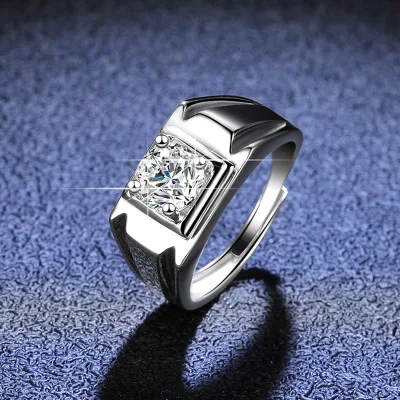
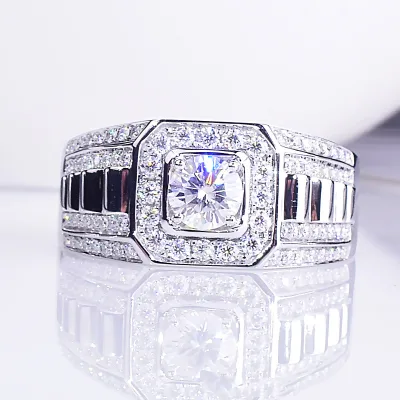


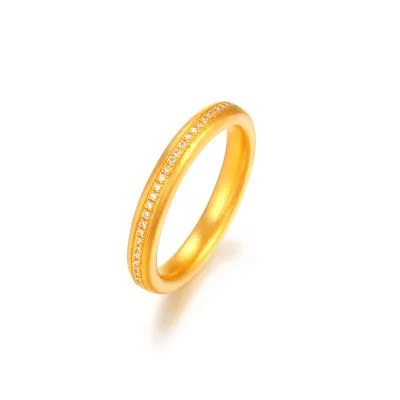


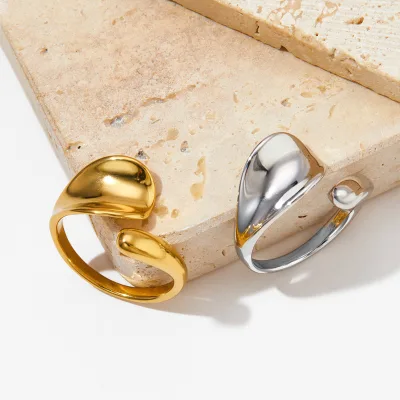


Comprehensive Sourcing Guide
Strategic Sourcing Guide for Simple Electroplated Diamond Rings
The global market for costume and semi-precious jewelry continues to expand, driven by demand for affordable luxury and customizable accessories. For buyers seeking a "Simple Electroplated Diamond Ring," the procurement landscape requires a nuanced understanding of material composition, fabrication techniques, and supplier capabilities. This guide synthesizes observed market data and technical specifications to provide a disciplined framework for sourcing these items. The focus remains on verifying product attributes, ensuring quality consistency, and managing supply chain risks without relying on unverified claims or specific vendor recommendations.
Technical Specifications and Material Composition
The foundation of any successful procurement strategy lies in the precise definition of technical specifications. For the target keyword "Simple Electroplated Diamond Ring," the observed product data reveals a distinct divergence in material standards that buyers must navigate. The term "diamond" in this context often refers to cubic zirconia or similar simulants rather than natural gemstones, a distinction critical for pricing and compliance.
One observed specification indicates a material composition of Copper with Electroplating as the primary fabrication process. This suggests a base metal ring, likely plated with a precious metal finish to achieve a specific aesthetic. The plating process is essential for durability and color retention, particularly for items intended for frequent wear or promotional use. In contrast, other market observations point to 925 Sterling Silver as a base material, often accompanied by a 92.5% Purity standard. This higher-grade material supports a different price point and target demographic, typically appealing to buyers seeking semi-precious quality rather than base metal costume jewelry.
The gemstone component is another variable. While the core keyword mentions "diamond," the supplied facts list Cubic Zirconia as an accessory material for specific models. Additionally, some listings reference a 1ct color specification, which likely denotes the carat weight of the stone or the visual size of the setting rather than a certified diamond weight. Buyers must verify whether the "diamond" in the product description refers to a natural stone, a lab-grown diamond, or a high-quality simulant like cubic zirconia. The Rhodium Plating observation further highlights the importance of finish; rhodium is commonly used over silver to prevent tarnishing and enhance whiteness, a critical factor for maintaining the "simple" and clean aesthetic required by the market.
Design Attributes and Customization Capabilities
The aesthetic profile of the product is defined by specific design attributes observed in the market. The prevailing style is described as Simple, aligning with the core keyword. This simplicity often manifests in Round or Heart shapes, with the latter offering a romantic variation suitable for gifts. The Type of ring varies between Prime Ring, Inlaid Ring, and general Ring categories, indicating different setting techniques. For instance, an inlaid ring suggests a stone set flush with the metal, while a prime ring might imply a more prominent setting.
Customization is a significant driver in this sector. The data confirms that Customization is available, with OEM & Custom Design Manufacture services offered by suppliers. This allows buyers to tailor the Ring Size, which is observed to range from 6# to 10# in standard listings, with some models offering Customized sizing. The Production Model numbers (e.g., 624323056846, R11687) serve as unique identifiers for specific designs, enabling buyers to track inventory and replicate successful SKUs.
Furthermore, the Gender attribute varies between Female, Unisex, and Universal, suggesting that while the primary market is female-oriented, there is a segment for gender-neutral designs. The Color options observed include Silver, White, Gold, and Rhodium Plating, providing flexibility for brand alignment. Buyers should note that the Style is consistently Fashion, implying that designs are subject to trends and may require frequent updates to remain relevant.
Cost Drivers and Pricing Dynamics
Understanding the cost structure is vital for maintaining profit margins. The observed price range in the market spans from $0.51 to $102.20 USD, a wide variance that reflects differences in material quality, craftsmanship, and order volume. The lower end of the spectrum likely corresponds to Copper base rings with standard electroplating and cubic zirconia accents. The higher end typically involves 925 Sterling Silver, higher purity standards, and potentially more intricate designs or larger stone settings.
The MOQ (Minimum Order Quantity) is another critical cost driver. The observed range is 2 to 1000 units, with a specific observation of 50 PCS Per Type for certain models. This variability allows buyers to test the market with small batches or commit to larger volumes for better unit economics. The Payment terms observed include Bank Transfer, Paypal, and TT (Telegraphic Transfer), which are standard in B2B transactions but require verification of supplier reliability.
The Advantage of dealing directly with a Manufacturer is highlighted in the data, suggesting that buyers can achieve better pricing by bypassing intermediaries. However, this advantage is contingent on the supplier's ability to meet OEM/ODM requirements and maintain consistent quality. The Main Business of suppliers often includes a broader range of jewelry, such as Rings, Bracelet, Necklace, Earrings, which can be leveraged for bundled orders to reduce shipping costs and streamline logistics.
Compliance, Certification, and Quality Verification
In the jewelry sector, compliance and certification are non-negotiable, yet the supplied data does not explicitly list specific third-party certifications. Buyers must therefore conduct their own due diligence. The Purity standard of 92.5% for silver is a widely recognized benchmark, but it requires verification through hallmarks or assay tests. For electroplated items, the thickness of the plating layer is a crucial quality metric that is not always explicitly stated in product listings. Buyers should request plating thickness data to ensure the finish will not wear off quickly, especially for items intended for daily wear.
The Standard of 10g is mentioned in one context, which may refer to a weight specification for a specific model, but it is not a universal standard for all rings. Buyers should verify the actual weight of the product against the claimed standard to ensure value for money. Additionally, the Product Origin is listed as Guangzhou, China, a major hub for jewelry manufacturing. While this location offers access to a robust supply chain, it also necessitates rigorous quality control to mitigate risks associated with mass production.
For items marketed with "diamond" attributes, buyers must verify the authenticity of the stones. If the product contains Cubic Zirconia, this should be clearly disclosed to avoid misrepresentation. If the product claims to contain natural or lab-grown diamonds, a certificate of authenticity from a recognized gemological laboratory should be requested. The absence of explicit certification data in the source material means that buyers cannot assume compliance and must treat all claims as observations requiring verification.
Supplier Evaluation and Operational Logistics
Selecting the right supplier involves evaluating their operational capabilities and logistical reliability. The Service offering OEM & Custom Design Manufacture indicates that suppliers are capable of adapting to specific buyer requirements. The Shipping Way options include UPS, DHL, FedEx, TNT, EMS, Professional Line, and as Request, providing flexibility for different shipping needs and budget constraints. The Product Packing is observed as Carton or OPP Bags+Cartons, which is standard for protecting jewelry during transit.
The Location of Guangzhou, China suggests a centralized manufacturing base, which can facilitate communication and quality inspections. However, buyers should verify the Lead Time for production, as this is not explicitly provided in the data. The MOQ of 2 to 1000 allows for various procurement strategies, from sampling to bulk ordering. The Suit to attribute lists Jewelry Wholesaler, Distributor, Jewelry Maker, indicating that suppliers cater to a diverse range of business models.
When evaluating suppliers, buyers should prioritize those with a clear track record in Jewelry Design/Handcraftdiy/Gift/Promotion/Decorat applications. The Usage of the rings spans Wedding, Decoration, Gift, and Collection, suggesting versatility in marketing. Buyers should assess the supplier's ability to handle Customized sizes and Fashion styles that align with current market trends. The Advantage of being a Manufacturer is a strong indicator of cost efficiency, but it must be balanced against the supplier's capacity to maintain quality control standards.
Long-Term Procurement and Market Alignment
Sourcing simple electroplated diamond rings is not a one-time transaction but a long-term strategic partnership. The Style of Simple and Fashion indicates that designs are subject to change, requiring suppliers to be agile and responsive to market shifts. The Usage in Decoration, Gifts, Collection suggests that these items are often purchased for specific occasions, making timing and availability critical.
Buyers should consider the Apply to categories, which include Jewelry Design/Handcraftdiy/Gift/Promotion/Decorat. This versatility allows for multiple revenue streams, from direct retail to wholesale distribution. The Color options of Silver, White, Gold, and Rhodium Plating provide a broad palette for brand differentiation. However, buyers must ensure that the color consistency is maintained across batches, as electroplating can vary.
The Product Model numbers serve as a reference for tracking specific designs, but buyers should also establish a system for managing variations in Ring Size and Shape. The Standard of custom for some models highlights the need for clear communication regarding specifications. Long-term success depends on the ability to maintain a consistent supply of high-quality products that meet the evolving demands of the market.
Conclusion
Sourcing simple electroplated diamond rings requires a meticulous approach to technical specifications, material verification, and supplier evaluation. The observed data highlights a diverse market with varying material compositions, from copper base rings to 925 sterling silver, and different gemstone options including cubic zirconia. Buyers must navigate the wide price range and MOQ requirements while ensuring compliance with purity and plating standards. By focusing on customization capabilities, logistical reliability, and long-term market alignment, buyers can build a robust supply chain that delivers value and quality. The absence of explicit certification data necessitates proactive verification, ensuring that all product claims are substantiated before procurement. This disciplined approach will enable buyers to succeed in the competitive jewelry market.
FAQs
What materials are used for simple electroplated diamond rings?
Products are made from copper or 925 sterling silver with cubic zirconia accents. Some items feature rhodium plating for durability, while others use electroplating processes to achieve a gold or silver finish.
Can buyers request custom sizes for these rings?
Yes, customization is available for ring sizes ranging from 6# to 10# or fully customized dimensions. Suppliers support OEM and custom design manufacture to meet specific buyer requirements for fit and style.
Which shipping methods are available for these products?
Shipping options include UPS, DHL, FedEx, TNT, EMS, and professional lines. Buyers can also request specific shipping arrangements to ensure timely delivery to their destination.
What is the minimum order quantity for these rings?
The minimum order quantity ranges from 2 to 1000 units depending on the supplier. Some specific models require a minimum of 50 pieces per type to initiate production.
How are these rings packaged for shipment?
Rings are typically packed in cartons or OPP bags combined with cartons. This packaging ensures protection during transit while maintaining the product's aesthetic quality for wholesale or retail distribution.
Where are these rings manufactured?
The products originate from Guangzhou, China, a major hub for jewelry manufacturing. This location provides access to a robust supply chain for various jewelry types including rings and bracelets.
What styles are available for these rings?
Available styles include simple, fashion, and heart shapes. The designs cater to female and unisex markets, suitable for weddings, decorations, gifts, and collections.