Source Simple Style Helmet Stand for Supermarket, Shop, and Store
Compare 30 Simple Style Helmet Stand options from verified Chinese manufacturers offering floor display units with easy assembly, customized colors, and ISO9001-2008 certification for indoor retail use and promotional marketing activities. Compare the available evidence and request quotations based on your requirements.
Updated
Key considerations
Products List
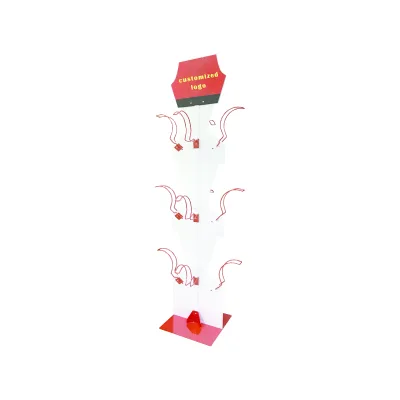
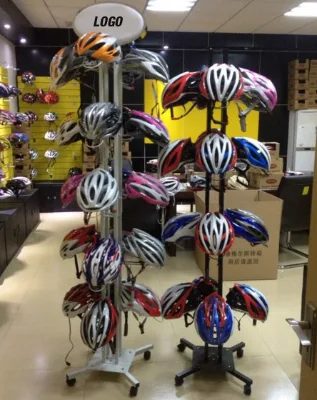
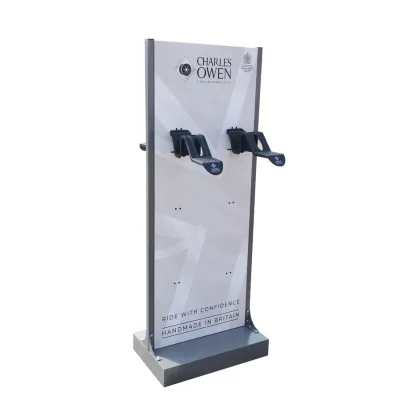
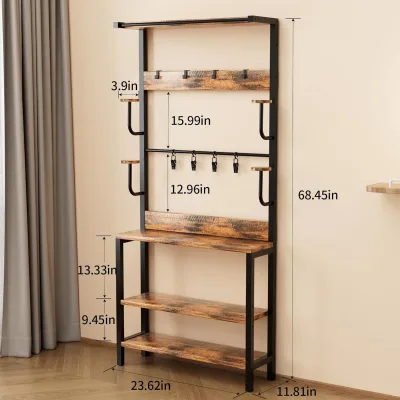
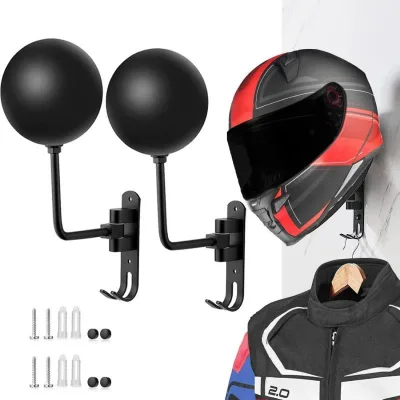
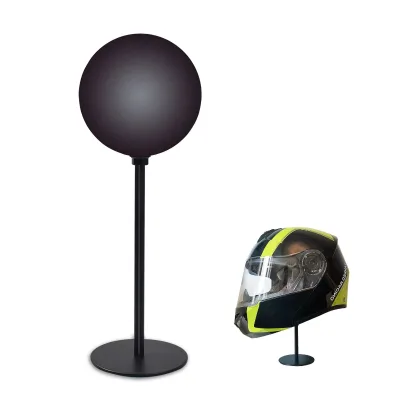
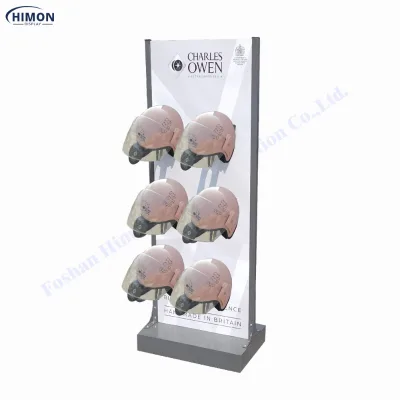
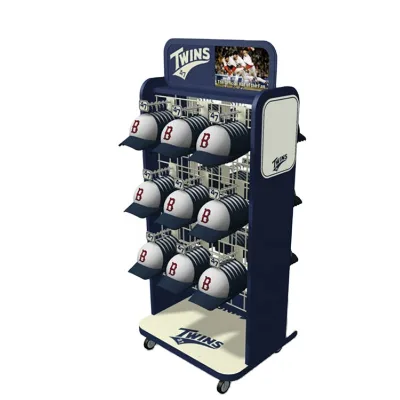
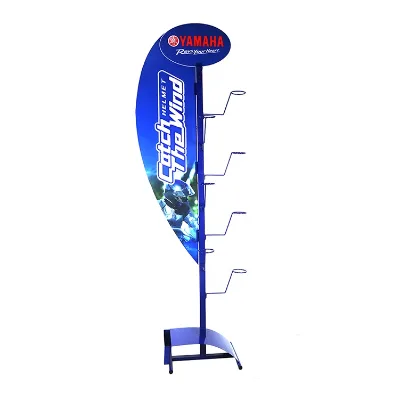
High Quality Free Standing Metal Helmet Display Stand/bicycle Helmet Display Rack
$15.4007 - $61.6029
MOQ: 100 Minimum
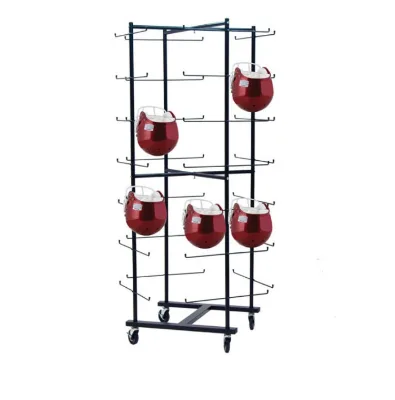
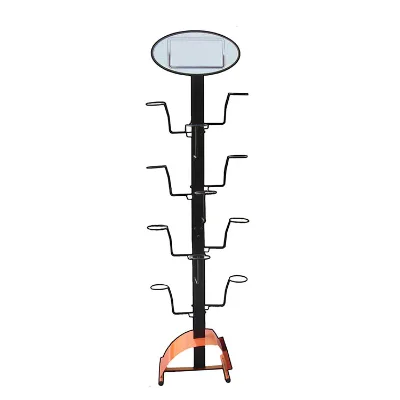
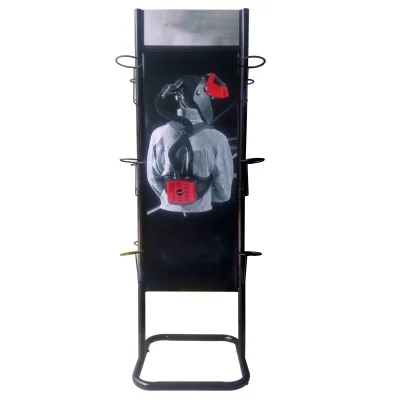
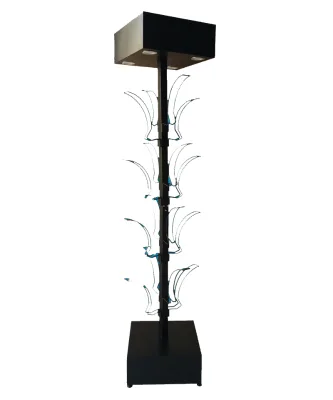
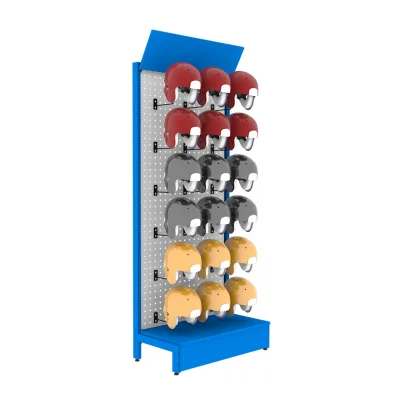
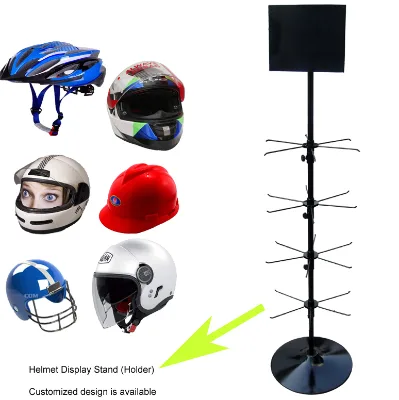

Helmet Display Stand Road Bicycle Helmet Stand Motorcycle Helmet Display
$12.89 - $15.89
MOQ: 100 Pieces






Comprehensive Sourcing Guide
Simple Style Helmet Stand Sourcing Guide
Procuring simple style helmet stands requires a disciplined approach to balancing aesthetic minimalism with structural integrity for retail environments. Buyers must recognize that these displays serve primarily as functional tools for showcasing headgear in supermarkets, shops, and stores, where visual clarity and ease of assembly are paramount. The observed market signals indicate a strong preference for floor-standing units that can be deployed quickly without complex installation processes, making them ideal for high-traffic promotional areas.
The core value proposition lies in the versatility of the design, which often supports multiple sports equipment types such as soccer, football, and basketball helmets alongside bicycle gear. This multi-functionality allows retailers to maximize floor space utility while maintaining a clean, uncluttered look. Sourcing teams should prioritize suppliers who offer customized color options to align with brand identity, ensuring the display integrates seamlessly into the existing store decor without drawing unnecessary attention away from the products themselves.
Product Scope and Observed Listing Signals
The current market landscape for simple style helmet stands reveals a diverse range of material compositions, primarily centered around coated steel, iron, aluminum, and stainless steel options. Buyers will encounter listings specifying dimensions such as 450x450x203mm or customized sizes, with thicknesses ranging from 0.8mm to 1.2mm to ensure durability. These physical attributes directly influence the stand's stability and load-bearing capacity, requiring careful evaluation to match the specific weight of the helmets being displayed.
Commercial signals indicate a minimum order quantity (MOQ) range typically starting at 100 pieces, with some suppliers requiring up to 500 units for optimal pricing. The observed price points vary significantly, reflecting differences in material quality, finish types like powder coating or plating, and brand reputation. Suppliers often highlight advantages such as ten years of experience and high supply abilities, suggesting a mature manufacturing sector capable of handling bulk orders with consistent quality control measures.
Technical Specifications to Verify
When evaluating technical specifications, buyers must verify the exact material composition to prevent corrosion and ensure long-term durability in indoor display settings. The presence of finishes such as powder coating or plating is critical for protecting the underlying metal, whether it is iron, steel, or aluminum, from wear and tear. It is essential to confirm that the surface treatment meets environmental standards, as many modern retailers prioritize eco-friendly materials and sustainable manufacturing processes for their visual merchandising assets.
Dimensional accuracy and packaging details are equally important for logistics planning. Single package sizes vary, with some units measuring around 100x100x10 cm or 90x50x15 cm, impacting shipping costs and storage requirements. Buyers should also assess the gross weight of individual units, which can range from 20kg to 30kg, to determine handling needs and ensure that the assembly process remains straightforward for store staff without requiring specialized tools or extensive training.
Compliance and Safety Documentation
Safety and compliance documentation form the backbone of a reliable procurement strategy, particularly when dealing with metal structures that must support significant weight. Buyers should request evidence of quality management certifications, such as ISO9001-2008, to verify that the supplier adheres to standardized production processes. This certification serves as a baseline indicator of the manufacturer's commitment to consistency and quality control, reducing the risk of receiving defective or unstable display units.
Additionally, it is crucial to verify that the materials used are free from harmful substances and meet local safety regulations for retail fixtures. While specific test results may not always be publicly listed, buyers should inquire about third-party testing for structural integrity and load-bearing capacity. Ensuring that the stand can safely hold the intended helmets without tipping over is a non-negotiable requirement, especially in high-traffic areas where customer interaction is frequent and unpredictable.
Cost Drivers and Commercial Terms
Cost drivers for simple style helmet stands are heavily influenced by material selection, surface finish complexity, and order volume. Buyers should anticipate variations in pricing based on whether the unit is made from standard steel or premium stainless steel, as well as the extent of customization required for colors and dimensions. Understanding these variables allows for more accurate budgeting and negotiation, ensuring that the final cost aligns with the expected return on investment for the retail space.
Commercial terms often include a deposit structure, such as a 30% upfront payment, with the balance due upon completion or shipment. Lead times can vary, with some suppliers offering delivery within 15 days for standard orders, while others may require up to 45 days after receiving the deposit. Buyers must clarify these timelines and payment conditions early in the negotiation process to avoid delays in store setup and to manage cash flow effectively throughout the procurement cycle.
Supplier Qualification and Quality Control
Supplier qualification involves assessing the manufacturer's business nature, whether they operate as a direct factory or a trading company, as this impacts pricing and communication efficiency. Buyers should prioritize suppliers with a proven track record, indicated by years of experience and high monthly supply abilities, such as 1000 sets per month. This capacity suggests that the supplier has the infrastructure to handle large orders without compromising on quality or delivery schedules.
Quality control measures should be explicitly defined in the purchase agreement, including provisions for sample services before bulk production. Buyers should request physical samples to evaluate the finish, assembly ease, and overall build quality. Establishing clear acceptance criteria and inspection protocols helps mitigate the risk of receiving substandard products, ensuring that the final delivery meets the specified technical and aesthetic requirements for the retail environment.
Long-Term Procurement Checks
Long-term procurement success depends on establishing a reliable supply chain that can adapt to changing retail trends and product lines. Buyers should maintain open communication with suppliers to monitor any updates in material availability or manufacturing processes that could affect future orders. Regularly reviewing supplier performance against key metrics such as on-time delivery, product quality, and responsiveness helps identify potential issues before they escalate into significant operational disruptions.
Furthermore, buyers should periodically reassess the cost-effectiveness of their current suppliers by comparing quotes and terms with alternative options in the market. This ongoing evaluation ensures that the procurement strategy remains competitive and aligned with budgetary constraints. By fostering strong relationships with qualified suppliers and maintaining rigorous quality standards, buyers can secure a steady supply of simple style helmet stands that enhance their retail display capabilities over time.
FAQs
What materials are used for the helmet stand?
The helmet stand is constructed from coated steel, iron, aluminum, or stainless steel. These materials ensure durability for indoor display use in supermarkets and stores. The surface finish includes plating or powder coating to protect the metal and allow for customized colors.
What is the minimum order quantity for this product?
The minimum order quantity varies between 100 and 500 pieces depending on the specific supplier. Some listings specify an MOQ of 100 pieces, while others require 200 pieces. Buyers should verify the exact requirement with the manufacturer before placing an order.
Can the helmet stand be customized for specific needs?
Yes, the product supports customized colors and designs to meet specific display requirements. The size can also be adjusted, with standard dimensions around 450x450x203mm available. This flexibility allows for tailored solutions for indoor marketing and promotion in various retail environments.
How long does it take to receive the order?
Delivery typically takes within 45 days after receiving the deposit, though some suppliers offer a 15-day lead time. The exact duration depends on the order quantity and the specific factory schedule. Buyers should confirm the timeline with the vendor to ensure timely arrival.
Which certifications do the helmet stand manufacturers hold?
Manufacturers often hold ISO9001-2008 certification to ensure quality management standards. This certification indicates that the production process meets international requirements for consistency and safety. Buyers can request proof of certification to verify the supplier's compliance with industry standards before purchasing.
Where are the helmet stands manufactured and shipped from?
These stands are manufactured in China, specifically in regions like Guangdong and Fujian. The primary port of dispatch is Shenzhen, with some shipments loading from Xiamen port. This location allows for efficient export logistics to international markets while maintaining competitive pricing.
What is the packaging method for the display stand?
The stands are packed in export cartons designed to provide high protection during transit. Each unit is wrapped securely to prevent damage while being transported. The packaging details ensure that the metal structure arrives in perfect condition for immediate assembly and display in retail spaces.