Foldable Supermarket Storage Rack Suppliers and Manufacturers
Source from 26 verified suppliers offering steel supermarket racks with fixed or mobile mobility and customizable dimensions. Compare grounded metrics including ISO9001:2015 certification, lead times of 15-30 days, and MOQs starting at 1 unit to identify the right partner for your warehouse needs.
Updated
Suppliers List

Jiangsu Qifei Intelligent Storage Equipment Co., Ltd.
- Verified by SGS
- Combined
- China Anhui
- Lead time30 days
- Avg. response≤ 3h
Main productsRack, Sheft, Container, Platform, Cage, Racking, Storaging, Warehousing, Pallet, Mezzanine
Main marketsDomestic

Liaocheng Jiahe Warehousing Equipment Co., Ltd
- Verified by TUVRHEINLAND
- Combined
- China Shandong
- Lead time15 days
- Avg. response≤ 5h
Main productsCantilever Racks, Supermarket Shelves, Flat Panel Racks
Main marketsDomestic


Supermarket Shelving Shelf Warehouse Shelving Warehouse Shelving Shelf Storage Rack
$28.00 - $50.00
MOQ: 10 Sets


Adidea (Xiamen) Industry And Trade Co., Ltd.
- Trading Company
- China Fujian
- Lead time30 days
- Avg. response≤ 17h
Main productsMetal Display Shelf, Display Stand, Metal Display Rack, MDF Display Showcase, Solid Wood Display Stand, Acrylic Display Stand, Supermarket Display Shelves, Wine Beverage Food Display Rack, Garment Bag Shoe Jewelry Display Stand, Tile Stone Granite Quartz Mosaic Display Stand
Main marketsSoutheast Asia/ Mideast,Europe,North America


Supermarket Shelf Metal Convenience Store Shelves Retail Shelves Metal Store Display Rack
$30.00 - $40.00
MOQ: 100 Pieces

Retail Stores Display Racks Shelves Lightweight Supermarket Shelves Double Sided Storage Rack
$26.00 - $35.00
MOQ: 100 Pieces

Customized Supermarket Storage Shelf Shelving Rack Modern Supermarket Shelving Store Shelf for Shop
$70.00 - $75.00
MOQ: 200 Pieces

Customized Supermarket Shelf Stores Display Racks Retail Store Shelves Metal Display Racks
$50.00 - $60.00
MOQ: 100 Pieces
Changzhou Rising Refrigeration Technology Co., Ltd.
- Verified by TüVRheinland
- Trading Company
- Lead time20 days
- Avg. response≤ 2h
Main productsPU Sandwich Panel, Cold Room Door, Air Cooler, Refrigeration Condensing Unit, Cold Room
Main marketsNorth America(60%), Southeast Asia(15%), South America(6%)
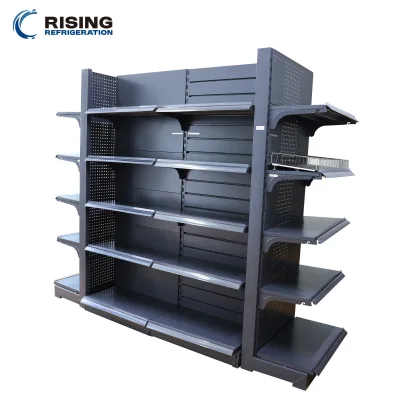
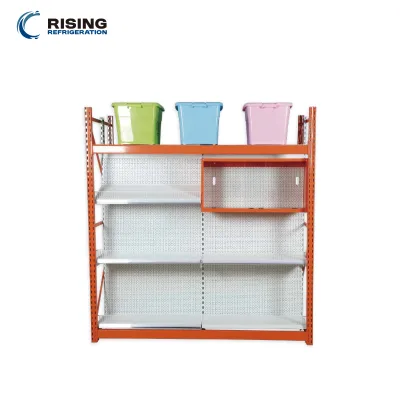
$51.8338 - $103.6676
MOQ: 1 Minimum
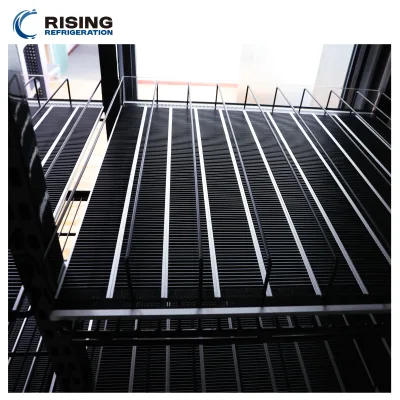
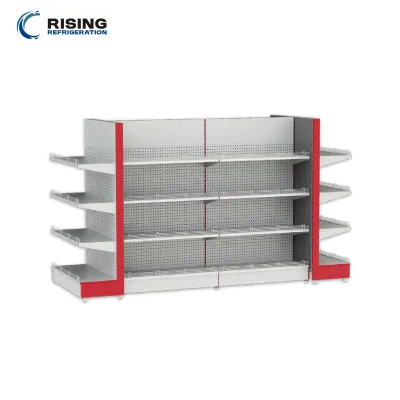
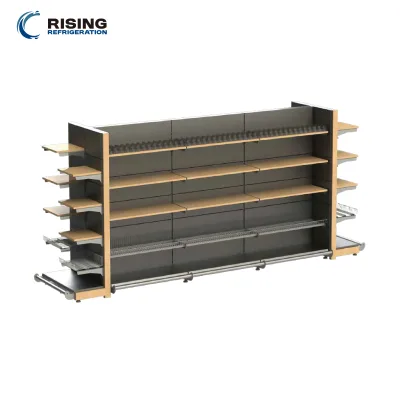
Multi-level Customizable Powder-Coated Rack Cold-Rolled Steel Frame Supermarket Shelf
$52.415 - $104.8285
MOQ: 1 Minimum

Suzhou Yuanda Commercial Products Co., Ltd.
- Verified by SGS
- Combined
- China Jiangsu
- Lead time15 days
- Avg. response≤ 7h
Main productsShelf, Warehouse Duty Rack, Shopping Trolley, Shopping Basket, Logistic Cart, Stacking Storage Cage, Cashier, Locker, Vegetable Rack, Promotion Table
Main marketsNorth America


Multifunctional Supermarket Shelf Storage Rack for Display and Storage
$200.00 - $500.00
MOQ: 10 Pieces

Guangxi Nanning Jianzhian Integrated Housing Co., Ltd.
- Verified by Intertek
- Trading Company
- Lead time5 days
- Avg. response≤ 2h
Main productsContainer Houses, Portable Toilet, Sandwich Panel, Guard House, Storage Shelves
Main marketsSoutheast Asia(45%), Oceania(30%), South America(25%)
Henan Zenpe Technology Co., Ltd.
- Verified by Intertek
- Trading Company
- Lead time0 days
- Avg. response≤ 5h
Main productsCard Holder, Soap, Cotton Buds, Kitchen Brush, Bath Mat
Main marketsNorth America(51%), Western Europe(24%), South America(5%)
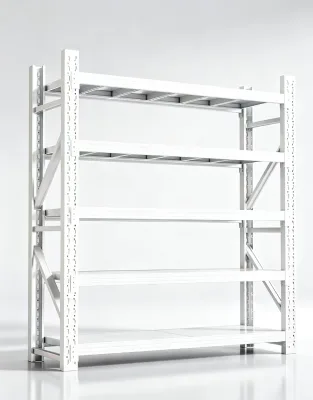
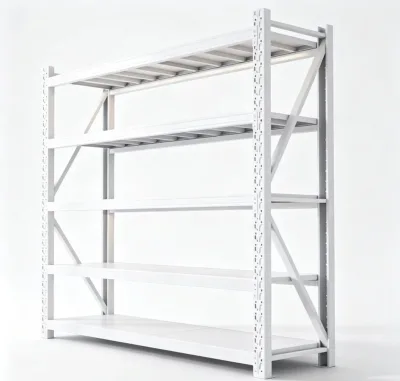
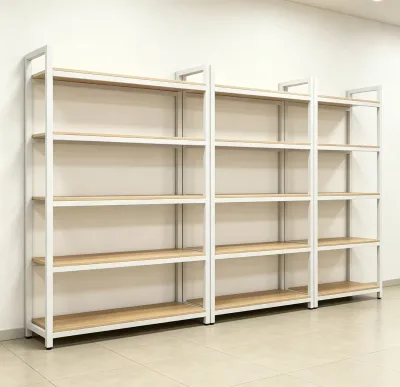
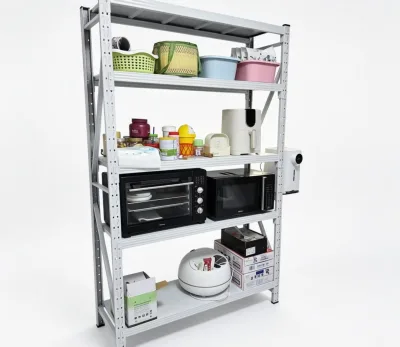
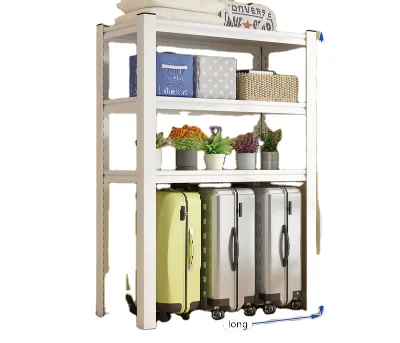
$8.3229 - $18.00
MOQ: 5 Minimum
Suzhou Highbright Enterprise Limited
- Manufacturer, Trading Company
- Lead time旺季: "1 - 2":30,"3 - 4":32,"> 4":"To be negotiated", 淡季: "1 - 2":30,"3 - 4":32,"> 4":"To be negotiated"
- Avg. response≤ 2h
Main productsSupermarket Shelf, Shopping Cart, Roll Container, Display Hook, Plastic Crate
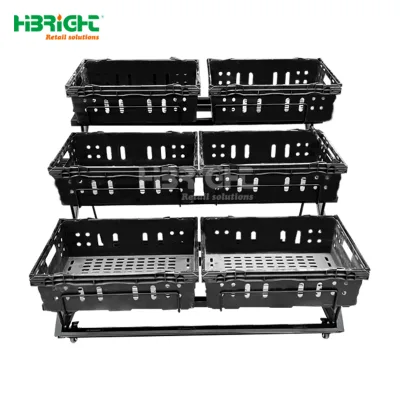
Highbright 2024 Foldable Simple 3 Layers Grocery Vegetable Stand Rack for Grocery Store
$478.00 - $517.00
MOQ: 2 sets
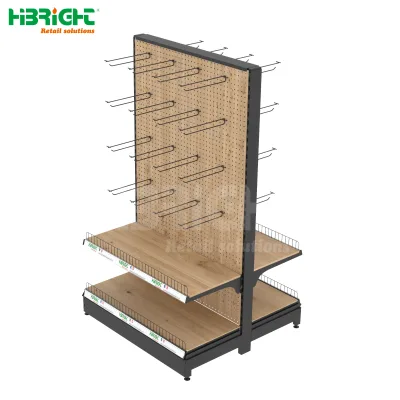
Customizable Color Supermarket Shelf Large Capacity for Grocery Convenience Stores
$45.00 - $80.00
MOQ: 10 pieces

Jiangsu JISE Intelligent Storage Equipment Co., Ltd.
- Verified by CTI
- Combined
- China Jiangsu
- Lead time23 days
- Avg. response≤ 3h
Main productsSelective Pallet Rack, Drive in Rack, Two Way Shuttle Rack, Agv Shelf, Longspan Shelf, Mezzanine, Robotics Shelf, Four Way Shuttle, Rivet Shelves, Gravity Rack
Main marketsSoutheast Asia/ Mideast,Domestic,Europe,North America


Storage Racks in Medium-Sized Warehouses in Supermarkets and Shopping Malls.
$0.90 - $1.40
MOQ: 500 kg


Changshu Xunxun Merchants Super Equipment Co., Ltd.
- Trading Company,Manufacturer/Factory
- China Jiangsu
- Lead time23 days
- Avg. response≤ 1h
Main productsSupermarket Shelves, Warehouse Racks, Hardware Racks
Main marketsSouth America,Eastern Europe,North America,Southeast Asia
Xiamen F-ORCHID Technology Co., Ltd.
- Manufacturer
- Fujian, China
- Lead time30 days
- Avg. response≤ 8h
Main productsdisplay racks,storefixture,fitness,handicraft,products for holiday use
Main marketsNorth America(40.00%), Northern Europe(20.00%), Western Europe(20.00%), Mid East(10.00%), Eastern Europe(10.00%)
Foshan Jiayoucheng Display Supplies Co., Ltd.
- Manufacturer
- Guangdong, China
- Lead time30 days
- Avg. response≤ 6h
Main productsSupermarket shelves,Mother and baby shop shelves,Stationery store shelves,Beauty shop shelves,Checkout counter tobacco and wine cabinet
Main marketsNorth America(5.00%), Mid East(2.00%), Southeast Asia(1.00%)
Luoyang Sanjian Cabinet Co., Ltd.
- Manufacturer, Trading Company
- Henan, China
- Lead time20 days
- Avg. response≤ 2h
Main productsSteel Office Furniture,Steel Locker,Matel Cabinet,Mass Shelf,School Furniture
Main marketsDomestic Market(80.00%), Africa(15.00%), Southeast Asia(3.00%), Mid East(2.00%)

Hebei Boto Storage Equipment Co., Ltd
- Verified by SGS
- Combined
- China Hebei
- Lead time30 days
- Avg. response≤ 6h
Main productsWarehouse Rack
Main marketsDomestic


Adjustable Height Storage Shelving Rack for Efficient Warehouse Organization
$0.60 - $0.80
MOQ: 1000 kg
Shandong Manchu Kitchenware Co., Ltd.
- Verified by TüVRheinland
- Manufacturer, Trading Company
- Lead time15 days
- Avg. response≤ 1h
Main productsStainless Steel Sink, Workbenches, Shelves, Refrigeration Equipment, Dining Car
Main marketsDomestic Market(50%), North America(8%), South America(6%)
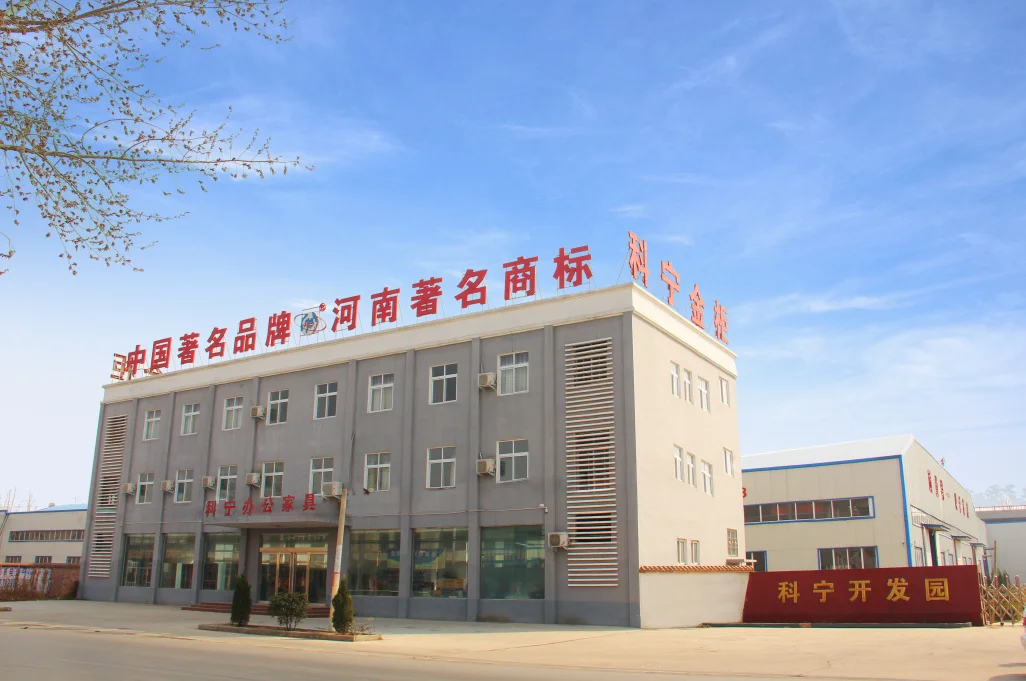
Luoyang Kening Office Furniture Co., Ltd.
- Manufacturer, Trading Company
- Henan, China
- Lead time30 days
- Avg. response≤ 4h
Main productsFiling Cabinets,Wardrobes,Lockers,Metal Beds
Main marketsSoutheast Asia(30.00%), Mid East(20.00%), South Asia(10.00%), South America(10.00%), Oceania(10.00%), North America(10.00%), Africa(10.00%)
Foshan Nanhai Tiegulong Shelf Manufacture Co., Ltd.
- Verified by SGS Group
- Manufacturer, Trading Company
- Lead time10 days
- Avg. response≤ 2h
Main productsSupermarket Shelves, Convenience Store Shelves, Drug Store Shelves, Cultural and Sports Store Shelves, Supermarket Equipment
Main marketsDomestic Market(42%), Southeast Asia(18%), Mid East(10%)
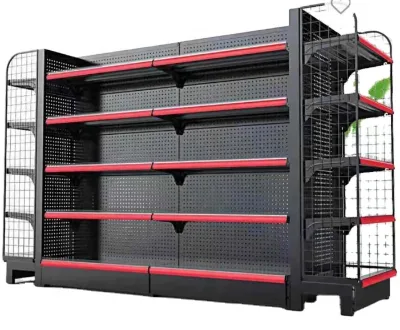
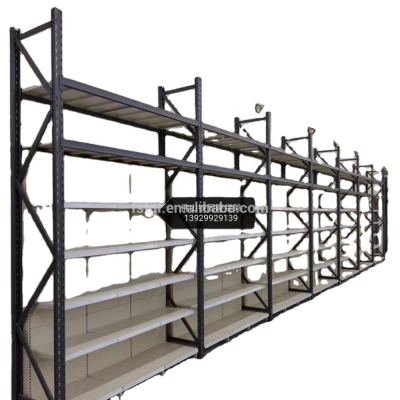
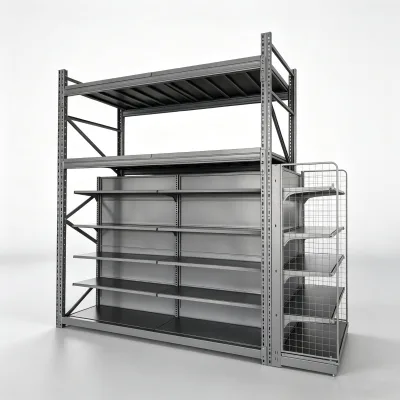
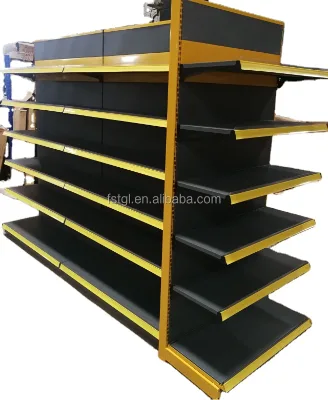
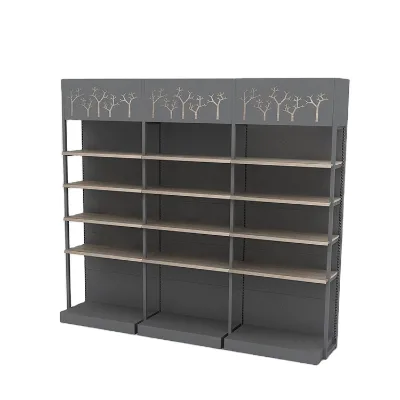
Factory Price Retail Store Shelves with Supermarket Equipment for Hypermarket
$220.00 - $225.00
MOQ: 5
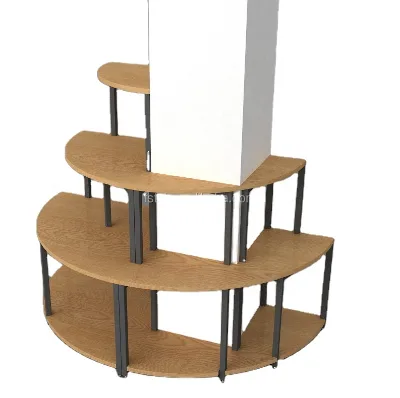
Luoyang Jin Feng Office Furniture Co., Ltd.
- Verified by SGS Group
- Manufacturer, Trading Company
- Lead time30 days
- Avg. response≤ 1h
Main productsSteel Filing Cabinet, Steel Shelving, Tool Cabinet, Steel Locker, Steel Wardrobes
Main marketsWestern Europe(31%), North America(30%), South America(15%)
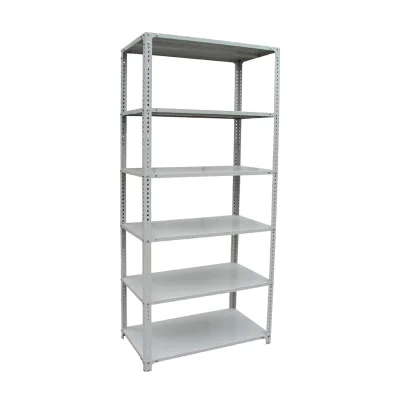
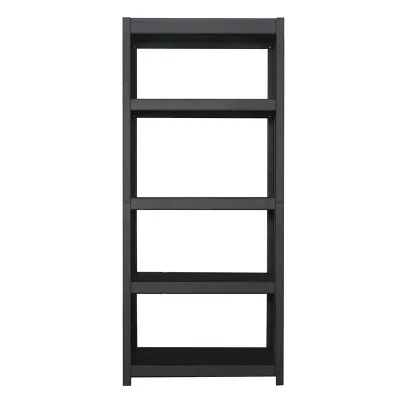
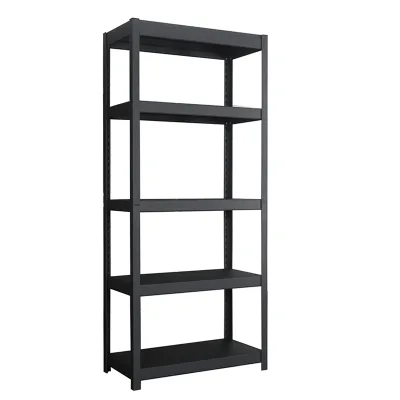
Durable Steel Storage Rack Metal Shelving Racking Warehouse Rack Metal Shelving
$27.704
MOQ: 50 Minimum
Luoyang Fukaixiang Furniture Co., Ltd.
- Manufacturer, Trading Company
- Henan, China
- Lead time20 days
- Avg. response≤ 1h
Main productsSteel Office Furniture,home furniture,File cabinet,Steel locker,Storage cabinet
Main marketsDomestic Market(80.00%), Africa(15.00%), Southeast Asia(3.00%), Mid East(2.00%)
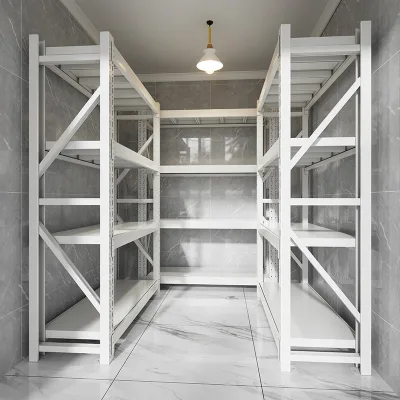
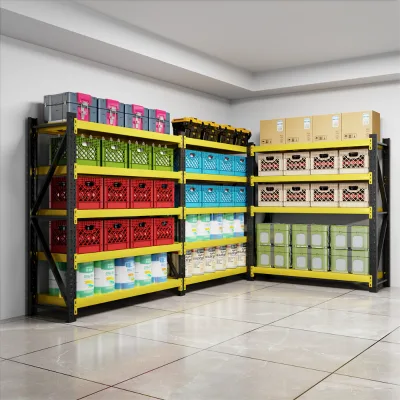
$21.1068 - $23.6804
MOQ: 10 pieces
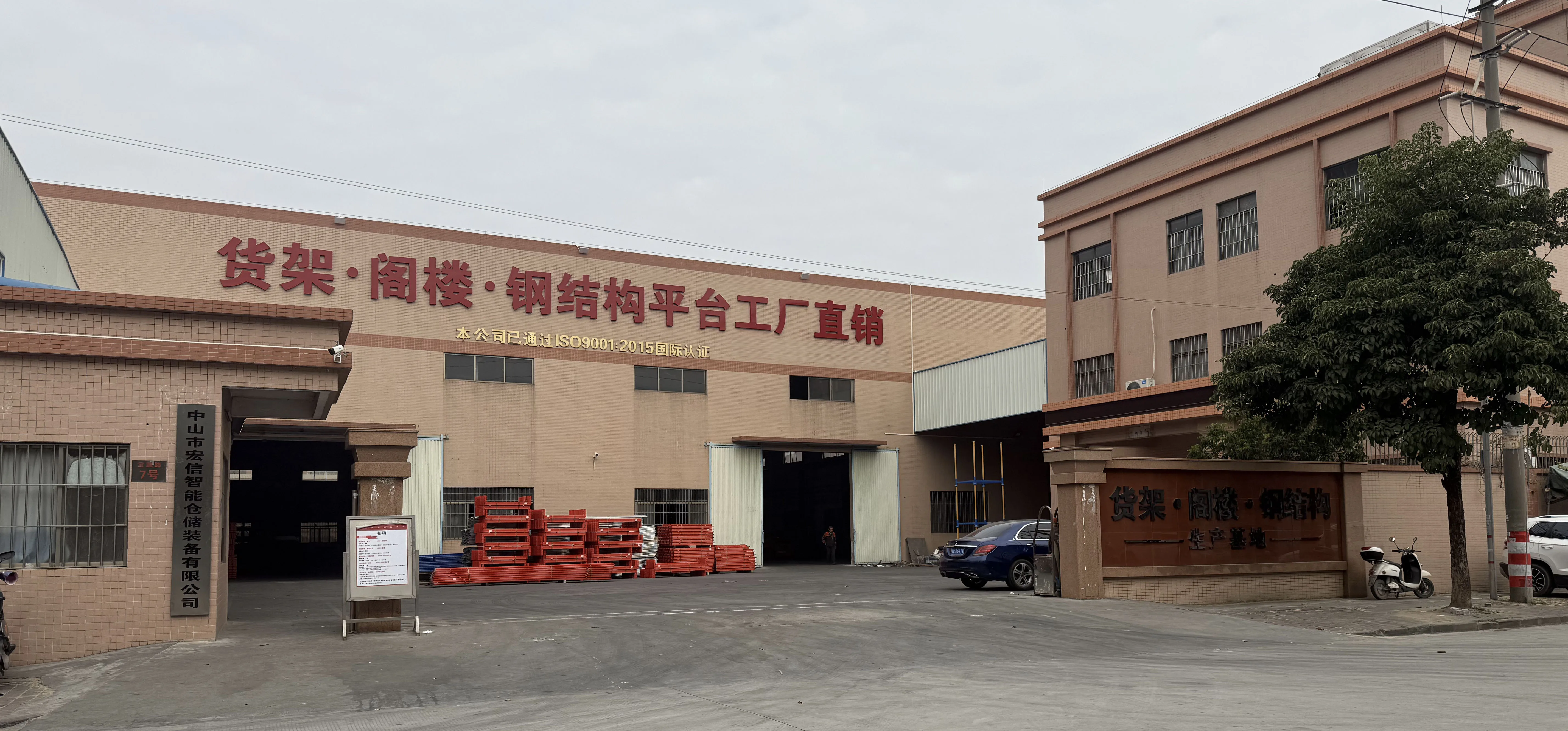
Zhongshan Hongxin Intelligent Storage Equipment Co., Ltd.
- Manufacturer, Trading Company
- Guangdong, China
- Lead time0 days
- Avg. response≤ 1h
Main productsSteel Structure Platform,Loft Racking,Heavy Duty Racking,Medium Racking,Large beam attic platform
Main marketsMid East(30.00%), Southeast Asia(20.00%)
Tianjin Emerson Metal Steel Products Co., Ltd.
- Verified by Intertek
- Manufacturer, Trading Company
- Lead time10 days
- Avg. response≤ 3h
Main productsLaser Cutting, Bending, Welding, Steel Sheet, Steel Pipe
Main marketsSouth America(25%), Oceania(25%), Mid East(25%)
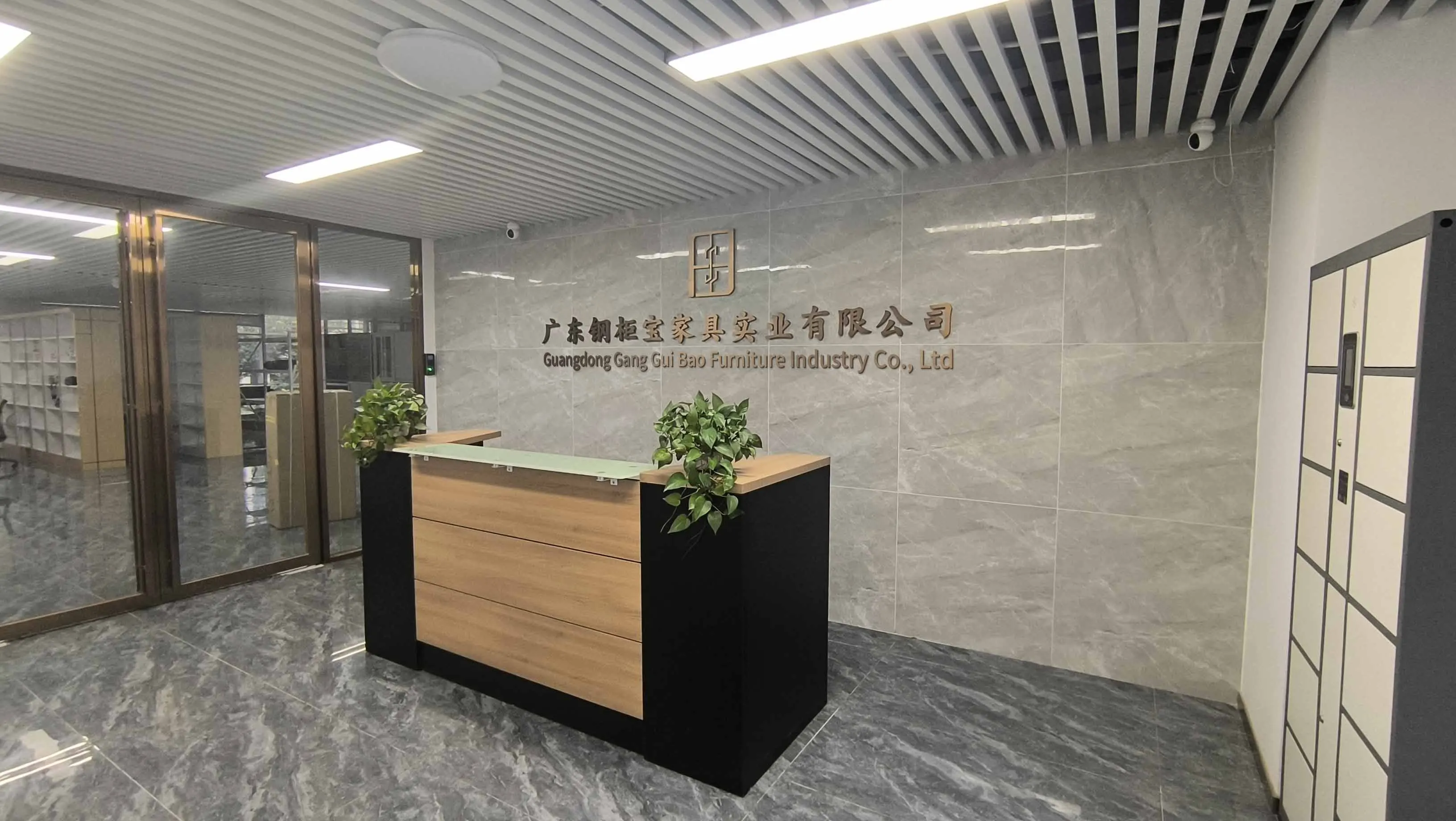
Guangdong Gang Gui Bao Furniture Industry Co., Ltd.
- Manufacturer
- Guangdong, China
- Lead time25 days
- Avg. response≤ 10h
Main productsmetal cabinet,storage locker,mobile pedestal,shelves & racks,metal bed
Main marketsNorth America(35.00%), Southeast Asia(15.00%), Mid East(8.00%), Africa(8.00%), Eastern Europe(6.00%), Central America(5.00%), Oceania(5.00%), South America(4.00%), Eastern Asia(3.00%), South Asia(3.00%), Domestic Market(2.00%), Western Europe(2.00%), Southern Europe(2.00%), Northern Europe(2.00%)
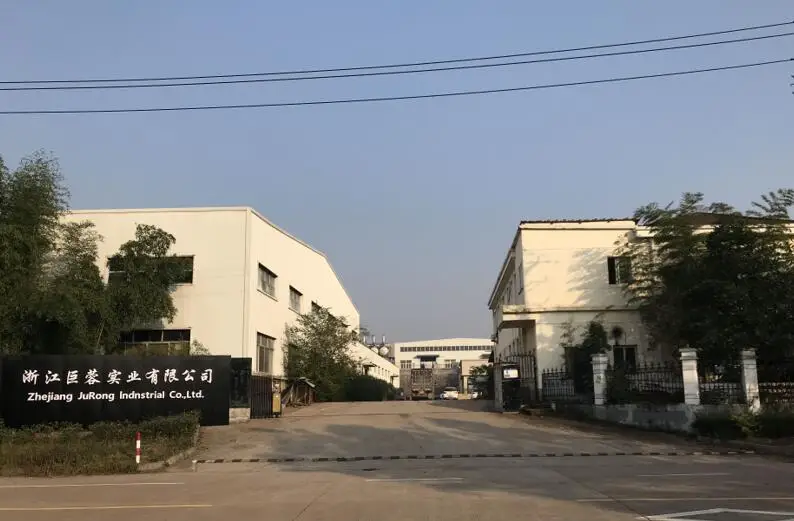
Zhejiang Jurong Industrial Co., Ltd.
- Manufacturer
- Zhejiang, China
- Lead time35 days
- Avg. response≤ 5h
Main productsplastic display rack,Cardboard display rack,supermarket display rack,Metal display rack,POP display stand
Main marketsSouth America(29.00%), Domestic Market(15.00%), Southeast Asia(15.00%), Eastern Asia(8.00%), Western Europe(8.00%), Eastern Europe(7.00%), Oceania(7.00%), North America(6.00%), Africa(5.00%)
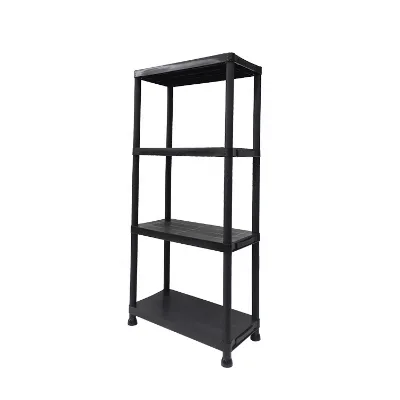
$6.5852 - $7.0481
MOQ: 100 pieces
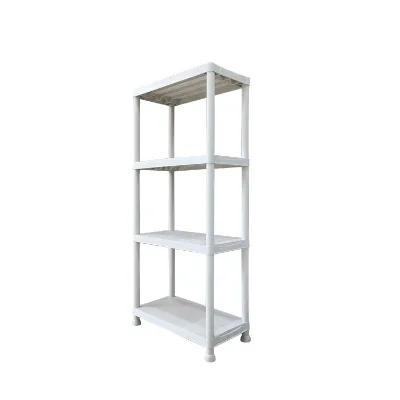
$8.8771 - $9.1872
MOQ: 100 pieces
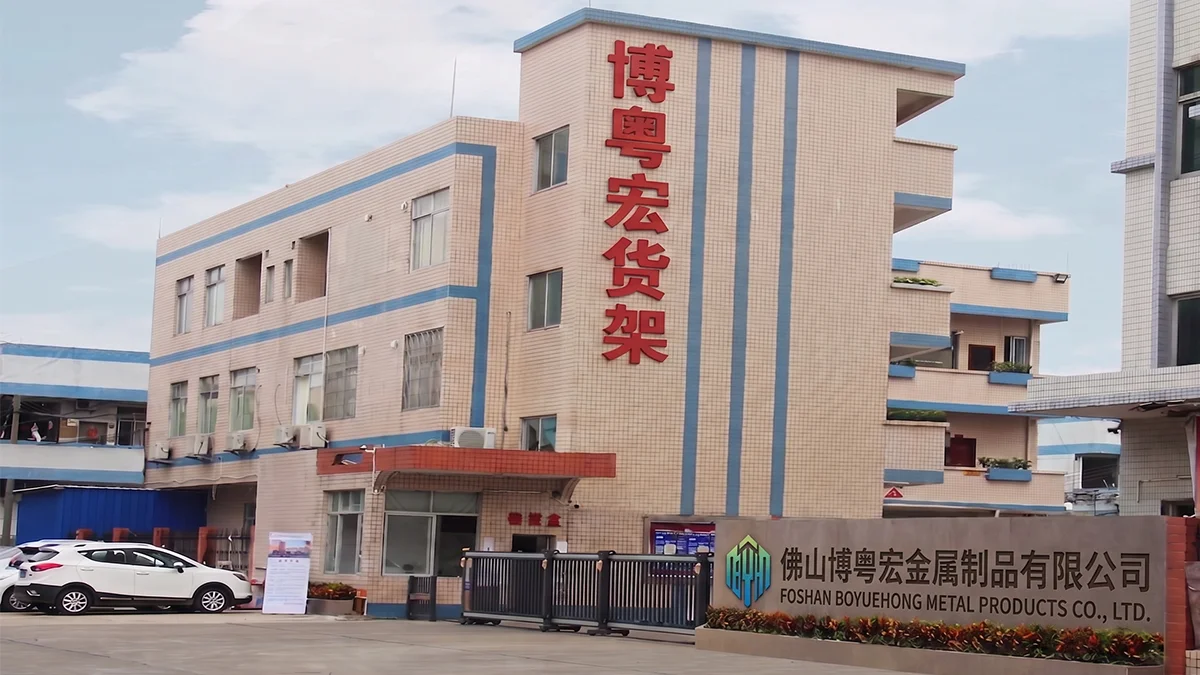
Foshan Boyuehong Metal Products Co., Ltd.
- Manufacturer
- Guangdong, China
- Lead time0 days
- Avg. response≤ 3h
Main productsSupermarket shelf,Display Stand,Gondola Shelving,Warehouse Storage Rack,Heavy Duty Rack
Main marketsAfrica(20.00%), Southeast Asia(20.00%), South America(20.00%), North America(20.00%), South Asia(10.00%), Mid East(10.00%)
Suzhou Highbright Enterprise Limited
- Manufacturer, Trading Company
- Lead time旺季: "1 - 3000":30,"> 3000":"To be negotiated", 淡季: "1 - 3000":30,"> 3000":"To be negotiated"
- Avg. response≤ 2h
Main productsSupermarket Shelf, Shopping Cart, Roll Container, Display Hook, Plastic Crate
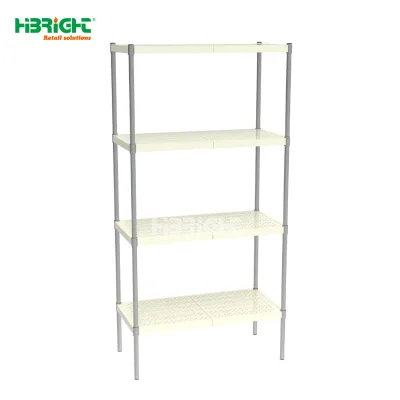
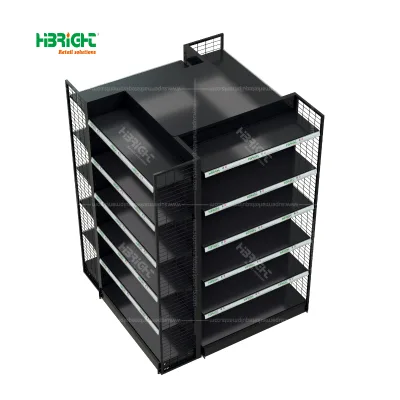
Light Duty ABS Shelf Metal Display Rack for Warehouse and Supermarkets Post Stand Design
$105.00 - $110.00
MOQ: 20 pieces
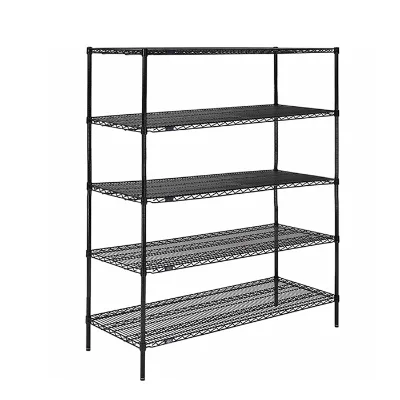
High Quality Stainless Steel Wire Shelving for Supermarket
$700.00 - $800.00

Wuxi Fuping Metal Products Co., Ltd.
- Combined
- China Jiangsu
- Lead time15 days
- Avg. response≤ 12h
Main productsStorage Cage Trolly
Main marketsDomestic




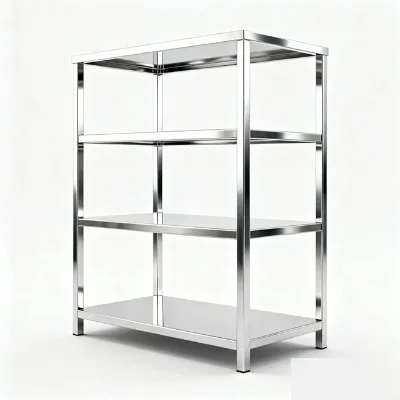
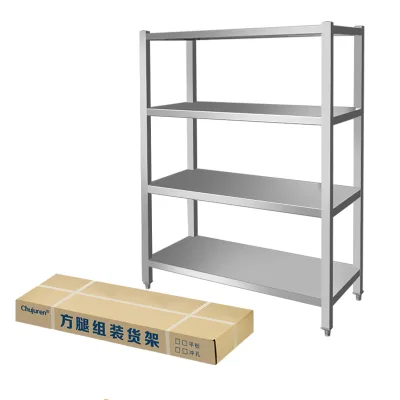
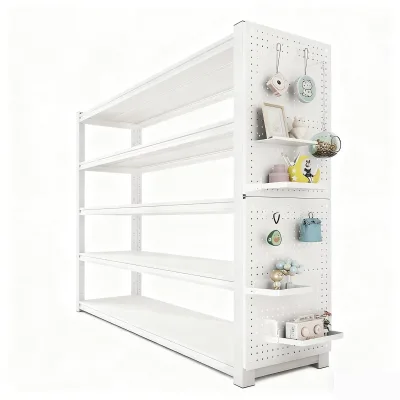
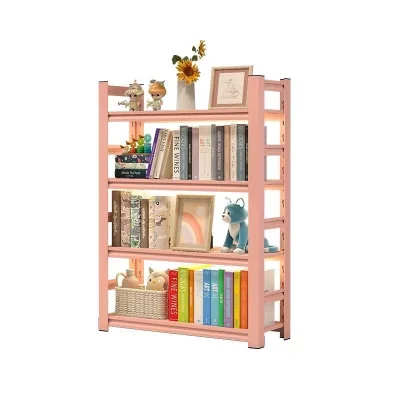
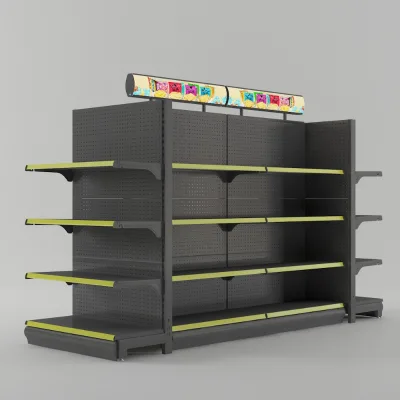
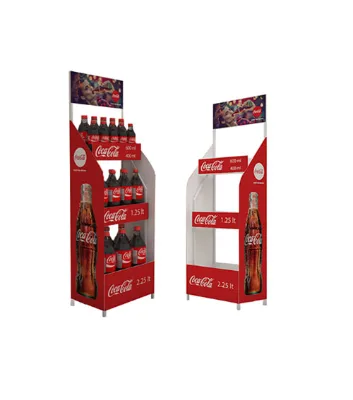
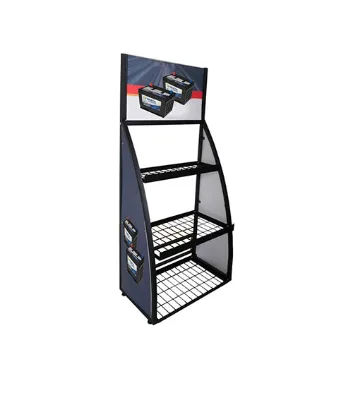
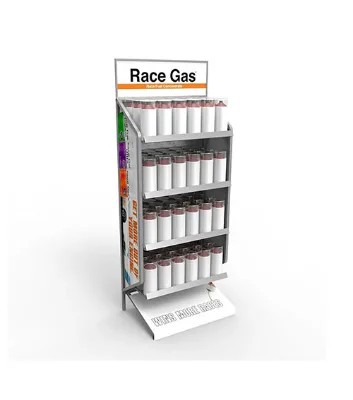
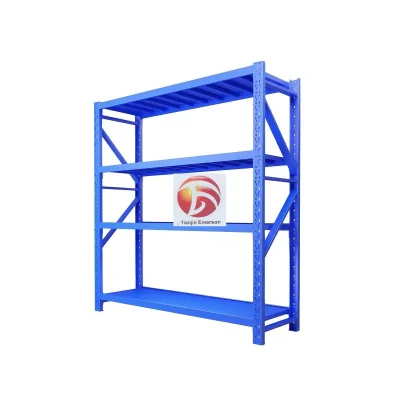
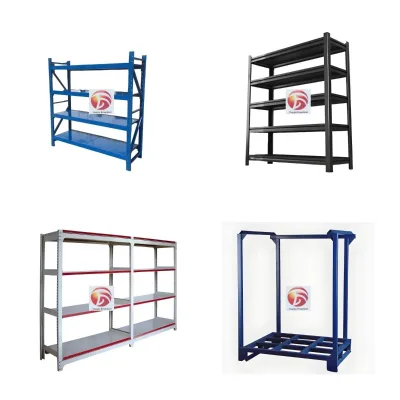
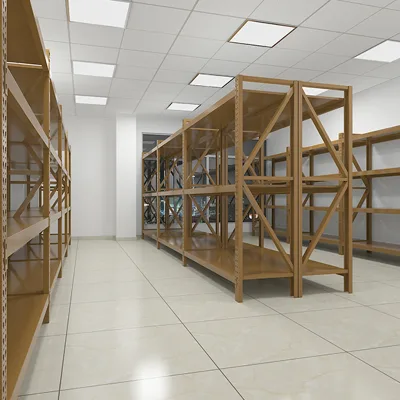
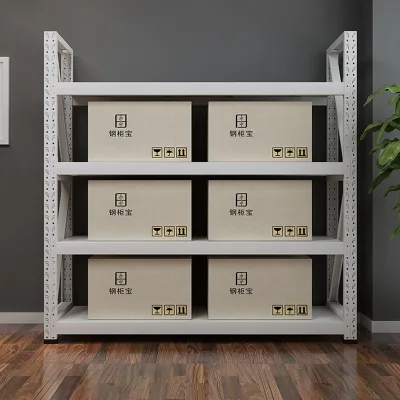
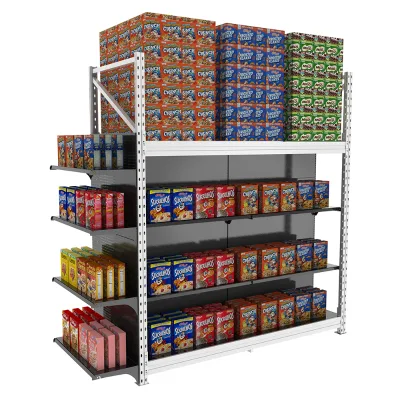
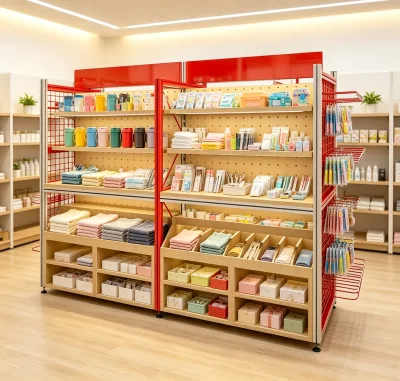


Comprehensive Sourcing Guide
Foldable Supermarket Storage Rack Supplier Concentration and Factory Types
The current supplier landscape for supermarket storage solutions reveals a distinct geographic concentration within China, specifically highlighting manufacturing hubs in Anhui and Shandong provinces. These regions serve as primary centers for the production of heavy-duty racking systems, including the specific configurations required for retail environments. Suppliers located in these areas often specialize in steel-based structures, leveraging local industrial ecosystems to produce robust shelving units that meet rigorous commercial standards. The presence of these manufacturing clusters suggests a mature supply chain capable of supporting large-scale orders for retail infrastructure. Buyers evaluating potential partners should recognize that proximity to these industrial zones often correlates with established logistical networks and specialized labor forces dedicated to metal fabrication and assembly.
Company types in this sector vary significantly, ranging from combined manufacturing entities to pure trading companies. Combined companies typically offer integrated services that may include both production and direct sales, potentially streamlining communication for complex custom orders. In contrast, trading companies may focus on aggregating products from multiple factories, offering a broader catalog of display solutions such as metal shelves, MDF showcases, and acrylic stands. This diversity in business models allows buyers to choose between direct factory engagement for cost efficiency or the flexibility of a trading partner who can source diverse materials and styles. Understanding the specific company type is crucial for assessing the depth of technical expertise available and the potential for customization in foldable or modular rack designs.
How to Verify Foldable Supermarket Storage Rack Suppliers
Verification processes for supermarket rack suppliers often involve third-party audits and system certifications that validate operational reliability. For instance, some manufacturers hold ISO9001:2015 certificates, indicating adherence to international quality management standards. Additionally, verification badges from recognized agencies such as SGS or TÜV Rheinland provide an extra layer of confidence regarding the supplier’s business legitimacy and product consistency. Buyers should prioritize suppliers who display these verifications, as they serve as objective evidence of a company’s commitment to quality control and professional business practices. These credentials are particularly important when sourcing heavy-duty storage solutions where structural integrity and safety are paramount for retail environments.
Beyond certifications, buyers should assess the supplier’s responsiveness and historical performance metrics. Response times can vary, with some suppliers demonstrating rapid communication capabilities while others may have longer turnaround periods for initial inquiries. A response time of approximately two to four hours is often indicative of a dedicated sales team, whereas longer delays might suggest a less agile operation. Furthermore, examining the supplier’s main product focus helps determine their specialization. Suppliers listing supermarket shelves, pallet racks, or mezzanine systems as core offerings are likely more experienced in this niche than general traders. Buyers should request recent verification reports or audit summaries to ensure that the displayed credentials are current and accurately reflect the supplier’s current operational status.
What to Compare Across Foldable Supermarket Storage Rack Suppliers
When comparing suppliers, key dimensions such as lead time, minimum order quantity, and pricing structures provide critical insights into operational efficiency and cost-effectiveness. Lead times for supermarket racks can range from fifteen to thirty days, depending on the complexity of the order and the supplier’s current production capacity. Some manufacturers offer faster turnaround times for standard models, while custom designs may require extended periods for engineering and fabrication. Minimum order quantities also vary, with some suppliers accepting orders as low as one unit for testing purposes, while others require bulk purchases of one hundred units or more. Understanding these thresholds helps buyers align their procurement strategy with their inventory needs and budget constraints.
Pricing and material specifications are equally important factors in supplier evaluation. Prices for steel supermarket racks can range significantly, with some products starting at very low price points for basic components and reaching higher tiers for heavy-duty or customized units. Material quality, such as the use of Q235 steel or specific powder coating treatments, directly impacts durability and cost. Buyers should compare not just the unit price but also the included services, such as design support or logo customization. Additionally, the mobility of the racks, whether fixed or mobile, and the load capacity per arm, which can range from 150 to 2000 kilograms, should be matched against specific retail requirements. A comprehensive comparison across these attributes ensures that the selected supplier offers the best balance of quality, cost, and service for the buyer’s specific application.
Common Foldable Supermarket Storage Rack Sourcing Risks
One significant risk in sourcing supermarket storage racks is the potential mismatch between advertised specifications and actual product performance. Suppliers may list generic attributes such as "heavy weight" or "customized" without providing detailed engineering drawings or load test results. This ambiguity can lead to structural failures or inadequate capacity in real-world retail settings. Buyers must be cautious of suppliers who do not provide clear technical data regarding material thickness, weld quality, or surface treatment standards. Without precise specifications, it is difficult to ensure that the racks will withstand the intended load and environmental conditions, potentially leading to costly replacements or safety hazards in the store.
Another risk involves the reliability of delivery and after-sales support. While some suppliers offer standard export packing, others may use less secure methods like wooden pallets or bundled packing, which can increase the risk of damage during transit. Additionally, the availability of spare parts or replacement components for modular racks is not always guaranteed. Buyers should verify the supplier’s ability to provide consistent quality across large orders and their willingness to support post-installation issues. Suppliers with longer response times or those operating as pure trading companies without direct factory control may face challenges in managing these complexities. Establishing clear communication channels and defining quality acceptance criteria in the contract can mitigate these risks and ensure a smoother procurement process.
Foldable Supermarket Storage Rack Regional Sourcing and Logistics
Sourcing from specific regions in China, such as Anhui and Shandong, offers logistical advantages due to established industrial infrastructure and port access. Suppliers in these areas are often well-versed in international shipping requirements, utilizing standard export packing or wooden pallets to protect goods during transit. The proximity to major manufacturing hubs can reduce inland transportation costs and lead times, allowing for more efficient supply chain management. Buyers should consider the geographic location of the supplier when calculating total landed costs, as freight rates and transit times can vary based on the origin point. Understanding these regional dynamics helps in selecting suppliers who can deliver products reliably and cost-effectively to global destinations.
Logistics planning also involves coordinating with suppliers on packaging and container loading optimization. Some suppliers offer customized dimensions and layer configurations, which can impact how efficiently the racks fit into shipping containers. Buyers should work with suppliers to maximize container utilization, reducing per-unit shipping costs. Additionally, the choice between fixed and mobile rack designs can influence packaging density and handling requirements. Suppliers who provide detailed packing lists and loading diagrams can facilitate smoother customs clearance and warehouse receiving processes. By leveraging the logistical expertise of regional suppliers, buyers can streamline the import process and ensure that their retail stores receive the necessary storage infrastructure in a timely manner.
Foldable Supermarket Storage Rack Commercial Terms and Order Planning
Commercial terms for supermarket rack orders often include specific conditions regarding payment, customization, and delivery. Many suppliers offer OEM and ODM services, allowing buyers to tailor rack designs to their brand identity or specific store layouts. Customization options may include logo printing, color matching, and dimensional adjustments, which can add value but also require careful planning to avoid production delays. Buyers should clarify the scope of customization early in the negotiation process to ensure that the supplier can meet their requirements within the agreed lead time. Understanding the terms for design approval and sample production is essential for maintaining control over the final product quality and appearance.
Order planning should also account for the supplier’s capacity and scalability. Suppliers with established production lines and verified quality systems are better equipped to handle large or recurring orders. Buyers should discuss volume discounts and long-term partnership opportunities to secure favorable pricing and priority production slots. Additionally, considering the supplier’s response time and communication efficiency can help in managing project timelines effectively. By aligning order quantities with the supplier’s capabilities and establishing clear commercial terms, buyers can build a resilient supply chain that supports their retail expansion goals. Proactive planning and transparent communication are key to successful procurement of supermarket storage solutions.
FAQs
What is the typical lead time for supermarket racks?
Manufacturers generally require 15 to 30 days to produce and ship orders. Some suppliers offer faster turnaround times of five to twenty days for customized units. Buyers should confirm specific delivery schedules with the supplier before placing an order to ensure timely project completion.
Are these racks customizable for specific store layouts?
Yes, customization is widely available for dimensions, colors, and structural features. Suppliers offer ODM and OEM services to tailor racks to unique retail needs. Buyers can request specific sizes, layer counts, and surface treatments like powder coating to match their branding and functional requirements.
What materials are used for supermarket display racks?
Most racks are constructed from steel, often using Q235 grade material for durability. Some options include metal or mixed materials for specific display needs. The steel is typically treated with powder coating to resist corrosion and maintain a professional appearance in high-traffic retail environments.
What is the minimum order quantity for these racks?
Minimum order quantities vary significantly by supplier and product type. Some manufacturers accept orders as low as one unit for testing, while others require a minimum of ten or one hundred units. Buyers should check the specific MOQ listed for each product to plan their procurement effectively.
Do suppliers hold ISO certifications for quality assurance?
Many suppliers hold ISO9001:2015 certificates to ensure quality management standards. Third-party verifications from SGS or TÜV Rheinland are also common among verified manufacturers. These certifications indicate that the production processes meet international standards for consistency and reliability in manufacturing retail storage solutions.
What is the price range for supermarket shelving units?
Prices typically range from fifty to five hundred dollars per unit depending on specifications. Some basic components may start as low as zero point five dollars, while heavy-duty systems cost more. The final price depends on material thickness, customization options, and the total quantity ordered by the buyer.