Source Single Lip Hammer Union Seals for Pumps Cylinders Engines
Compare 23 Single Lip Hammer Union Seals from verified manufacturers. These stationary seals feature FKM, NBR, or HNBR materials with high pressure resistance for pumps, cylinders, and engine applications.
Key considerations
Products List


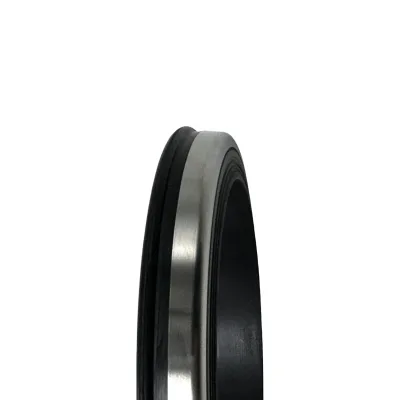
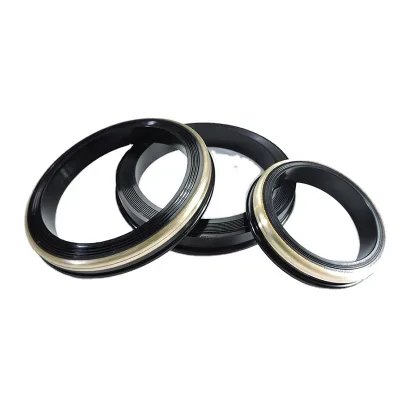
Union Seal Manufacture Brass Stainless Steel Reinforce Hammer Union Seals
$0.01 - $0.10
MOQ: 100 Pieces



Comprehensive Sourcing Guide
Strategic Sourcing Guide for Single Lip Hammer Union Seals
Understanding the Technical Profile of Single Lip Seals
When sourcing Single Lip Hammer Union Seals, buyers must first establish a clear understanding of the specific technical attributes that define this component class. These seals are engineered primarily for high-pressure fluid containment within hydraulic and pneumatic systems, specifically designed to fit the unique geometry of hammer unions. The core functional requirement is to provide a reliable stationary seal that prevents leakage under extreme operating conditions. The observed product attributes indicate that these seals are frequently categorized as O-rings or ring gaskets, depending on the specific application context, with a hardness rating typically ranging from 70 to 95 Shore A. This hardness range is critical, as it balances the need for flexibility to accommodate surface imperfections with the rigidity required to resist extrusion under high pressure.
The material composition is a primary determinant of performance. The available data highlights the use of Fluoroelastomer (FKM), Nitrile Butadiene Rubber (NBR), and Hydrogenated Nitrile Butadiene Rubber (HNBR). Each material offers distinct advantages: FKM is generally selected for its superior chemical resistance and high-temperature stability, while NBR is often chosen for cost-effective oil resistance in moderate temperature ranges. HNBR provides a middle ground with enhanced mechanical strength and resistance to compression set. The seals are designed with a single lip configuration, which is essential for the specific sealing dynamics of hammer unions where the mating surfaces are subjected to significant mechanical stress. The pressure ratings observed in the market span from 6,000 psi to 15,000 psi, with some specifications noting capabilities up to 150,000 psi, though buyers must verify the specific rating for their intended service conditions. The working conditions often include exposure to Hydrogen Sulfide (H2S), necessitating materials that maintain integrity in sour service environments.
Compliance, Certification, and Standard Verification
In the industrial procurement of sealing components, compliance with international standards and certification requirements is non-negotiable for ensuring safety and reliability. The most frequently cited certification for these products is ISO 9001, with specific references to the ISO 9001:2015 standard. This certification indicates that the manufacturing facility adheres to a quality management system that ensures consistent product quality and process control. Buyers should verify that the supplier's ISO 9001 certificate is current and covers the specific manufacturing processes relevant to the seal production. While some background information mentions ISO 15156 (pertaining to materials for sour service) and ISO 14001 (environmental management), these should be treated as secondary verification points rather than primary guarantees unless explicitly confirmed by the supplier for the specific batch of seals.
The dimensional standards for hammer union seals are often defined by industry-specific sizing conventions rather than generic metric or imperial standards alone. The observed product data lists standard sizes including 1", 2", 3", 4", and 5", with custom options available for specific requirements. The model numbers associated with these seals, such as Fig 1502, 1002, 602, 2002, and 2202, serve as critical identifiers for compatibility. It is imperative for buyers to cross-reference these model numbers with the specific union manufacturer's specifications, as variations in thread pitch or groove geometry can render a standard seal ineffective. The standard classification often includes both "Standard" and "Nonstandard" options, requiring the buyer to clearly define whether a custom profile is necessary for their application. The origin of these products is frequently noted as Xingtai, Hebei, or generally China, which implies a specific supply chain geography that may influence logistics and lead times.
Cost Drivers and Pricing Dynamics
The pricing structure for Single Lip Hammer Union Seals is influenced by a complex interplay of material costs, manufacturing complexity, and order volume. The observed price range in the market spans from $0.01 to $200 USD, a wide variance that reflects the difference between small, standard-sized O-rings and larger, custom-engineered union seals made from premium materials like FKM or HNBR. The material cost is a significant driver; FKM and HNBR are inherently more expensive than NBR due to their superior chemical and thermal properties. Consequently, seals designed for high-temperature or aggressive chemical environments will command a higher price point.
Order Volume is another critical factor in cost determination. The Minimum Order Quantity (MOQ) varies significantly, with observed ranges from 1 unit to 1,000 units, and a specific high-confidence fact noting an MOQ of 50 units for certain configurations. Buyers purchasing small quantities for maintenance or prototyping may face a higher per-unit cost compared to those placing bulk orders for production runs. The packaging method, typically carton packing, also contributes to the overall cost, especially for international shipments where protection against moisture and physical damage is required. Additionally, the customization factor plays a role; while standard sizes are readily available, custom colors (white, translucent, or specific custom colors) or non-standard dimensions may incur setup fees or higher unit costs. Buyers should anticipate that high-pressure ratings and specialized material requirements will push the price toward the upper end of the observed spectrum.
Typical Applications and Performance Environments
Single Lip Hammer Union Seals are predominantly utilized in industries where high-pressure fluid transfer is critical and reliability is paramount. The primary application areas include pumps, cylinders, and engines, where the seals must withstand dynamic pressure fluctuations and mechanical vibration. The specific designation of "Hammer Union Seals" indicates their use in drilling, oil and gas, and hydraulic fracturing operations, where unions are frequently assembled and disassembled. In these environments, the seals must resist wear, high temperatures, and exposure to harsh chemicals. The observed performance attributes highlight "Wear" resistance and "Temperature" stability as key requirements, alongside "Oil Resistance" for applications involving hydraulic fluids.
The pressure environment is a defining characteristic of these applications. With rated pressures ranging from 6,000 psi to 15,000 psi, these seals are deployed in systems that operate under extreme stress. The ability to function in H2S environments is particularly relevant for the oil and gas sector, where sour gas can degrade standard rubber compounds. The speed of operation is noted as "Low Speed," which is typical for static sealing applications in unions where the primary motion is the assembly and disassembly of the connection rather than continuous rotation. The "Pressure Type" is generally classified as high pressure, requiring the seal to maintain a tight fit without extruding into the gap between mating surfaces. Understanding these application nuances helps buyers select the correct material and hardness grade to prevent premature failure and ensure operational safety.
Supplier Evaluation and Manufacturing Capabilities
Selecting the right supplier is as critical as selecting the right product specifications. The market data indicates that suppliers for these seals are primarily manufacturing entities rather than trading companies, which can offer buyers greater control over quality and lead times. The designation "Factory" or "Manufacture" suggests that the supplier has direct oversight of the molding and curing processes, allowing for better customization capabilities. When evaluating potential suppliers, buyers should verify the company's location, with Xingtai and Hebei being common origins for these products. Proximity to manufacturing hubs can sometimes facilitate faster communication and logistics, though it is not a guarantee of quality.
Buyers must also assess the supplier's ability to handle customization. The availability of customization options for shape, color, and size is a significant advantage for specialized applications. The ability to produce seals with model numbers like Fig 1502/1002 in various sizes (1" to 5") demonstrates a flexible production line. However, buyers should be cautious of suppliers who claim to meet all standards without providing verifiable documentation. The distinction between "Standard" and "Nonstandard" products requires a supplier who can accurately interpret engineering drawings and produce non-standard profiles without compromising the seal's integrity. Verification of the supplier's ISO 9001 certification is essential, but buyers should also inquire about their internal quality control procedures, specifically regarding material traceability and batch testing.
Quality Control and Long-Term Procurement Strategy
Implementing a robust quality control strategy is essential for mitigating the risks associated with high-pressure sealing components. Given the critical nature of these seals in preventing leaks and ensuring safety, buyers should establish clear acceptance criteria based on the observed specifications. Key quality checkpoints include verifying the hardness (70-95 Shore A), checking the material composition (FKM, NBR, HNBR), and confirming the dimensional accuracy against the specified model numbers. The presence of a single lip must be verified visually and dimensionally to ensure it matches the design requirements for the specific union type.
For long-term procurement, buyers should focus on building a relationship with suppliers who demonstrate consistency in quality and delivery. The variability in MOQs (from 1 to 1,000 units) suggests that buyers need a flexible supply chain partner who can accommodate both small emergency orders and large production runs. The lead time, while not explicitly defined in the provided facts, is a critical factor that should be negotiated based on the order volume and customization requirements. Buyers should also consider the total cost of ownership, which includes not just the unit price but also the cost of potential downtime due to seal failure. Investing in higher-quality materials like FKM or HNBR, even at a higher initial cost, can yield significant savings by extending the service life of the seals and reducing maintenance frequency. Finally, maintaining a clear record of the specific model numbers, material grades, and certification documents for each batch purchased will facilitate easier troubleshooting and reordering in the future.
Summary of Key Specifications and Verification Checklist
To ensure a successful procurement process, buyers should utilize the following checklist to verify product attributes against their specific needs. This summary consolidates the critical data points observed in the market to guide the selection process.
| Attribute Category | Key Specifications to Verify | Notes for Buyer |
|---|---|---|
| Model & Size | Fig 1502, 1002, 602, 2002; Sizes 1", 2", 3", 4", 5" | Match exact model number to union manufacturer specs. |
| Material | FKM, NBR, HNBR | Select based on chemical exposure and temperature. |
| Hardness | 70-95 Shore A | Ensure hardness matches pressure and extrusion resistance needs. |
| Pressure Rating | 6,000 psi to 15,000 psi (up to 150,000 psi claimed) | Verify specific rating for your system's maximum operating pressure. |
| Certification | ISO 9001, ISO 9001:2015 | Request current certificate copy; verify scope covers seal production. |
| Application | Pumps, Cylinders, Engines, Hammer Unions | Confirm suitability for H2S and high-temperature conditions. |
| Customization | Available (Shape, Color, Size) | Clarify MOQ and lead time for non-standard requests. |
| Origin | Xingtai, Hebei, China | Consider logistics and potential supply chain disruptions. |
By rigorously applying these verification steps and understanding the technical and commercial landscape of Single Lip Hammer Union Seals, buyers can secure reliable components that meet the demanding requirements of high-pressure industrial applications.
FAQs
What materials are used for Single Lip Hammer Union Seals?
These seals are commonly manufactured using FKM, NBR, and HNBR materials. FKM offers superior chemical resistance, while NBR provides cost-effective oil resistance, and HNBR delivers enhanced mechanical strength for demanding applications.
Which certifications do these seals typically hold?
Most Single Lip Hammer Union Seals carry ISO 9001 or ISO 9001:2015 certification. This indicates adherence to quality management systems ensuring consistent product quality and process control during the manufacturing process.
What is the typical hardness range for these seals?
The hardness typically ranges from 70 to 95 Shore A. This specific range balances flexibility to accommodate surface imperfections with the rigidity required to resist extrusion under high-pressure operating conditions.
Can these seals be customized for specific sizes?
Yes, customization is available for sizes ranging from 1 inch to 5 inches. Buyers can also request custom colors like white or translucent, though non-standard dimensions may require specific engineering verification.
What pressure ratings do Single Lip Hammer Union Seals support?
These seals generally support rated pressures from 6,000 psi to 15,000 psi. Some specifications indicate capabilities up to 150,000 psi, but buyers must verify the specific rating for their intended service conditions.
Which industries primarily use these seals?
They are primarily used in pumps, cylinders, and engines within the oil and gas sectors. These applications require reliable stationary seals that can withstand high temperatures, wear, and exposure to H2S environments.