Source Single-Stage Centrifugal Pressure Pump for Water, Slurry, Circulation
Find 30 single-stage centrifugal pressure pump options with varying head, pressure, and capacity ratings. Compare specifications for horizontal and vertical models suitable for water, slurry, and circulating applications.
Key considerations
Products List


Advanced Single-Stage Centrifugal Pump for Efficient Water Distribution
$100.00 - $8000.00
MOQ: 10 Sets


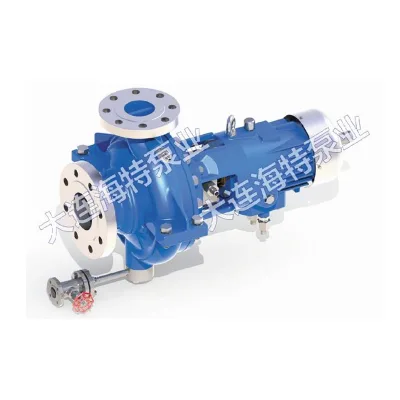


Horizontal Single Stage Centrifugal Pump with Large Flow Rate High Efficiency
$199.00 - $1999.00
MOQ: 1 Pieces

Industrial Horizontal Single-Stage Circulation High Pressure Centrifugal Water Pump
$450.00 - $500.00
MOQ: 1 Pieces


Comprehensive Sourcing Guide
Strategic Sourcing Guide for Single-Stage Centrifugal Pressure Pumps
Understanding Technical Specifications and Performance Parameters
When sourcing single-stage centrifugal pressure pumps, buyers must first distinguish between the specific performance profiles available in the current market. The term "single-stage" implies a specific impeller configuration where the fluid passes through the impeller only once, which generally dictates the maximum head and pressure capabilities relative to multistage designs. Based on observed product data, the market offers a diverse range of single-stage units with varying pressure ratings. Some units are explicitly categorized as "Middle Pressure Pump" configurations, while others are designed for "Low Pressure Pump" applications. This distinction is critical because the working pressure directly influences the material selection and sealing requirements.
The head range for these pumps varies significantly depending on the specific model and intended duty. Observed specifications indicate that certain single-stage models operate within a head range of 80 to 110 meters, while other configurations in the same category may reach heads of approximately 150 meters. It is essential to verify the exact head requirement against the pump curve before procurement, as the "High Pressure Pump" classification often correlates with multistage designs, though specific single-stage models may achieve high pressures through optimized impeller geometry. The influent type of the impeller is another key differentiator. While the market contains a mix of single-suction and double-suction designs, the single-stage category frequently utilizes single-suction impellers for standard applications, whereas double-suction variants are often reserved for higher flow capacity needs.
Capacity is another vital metric. Buyers should note that single-stage pumps in the observed dataset demonstrate a wide capacity spectrum. Some models are rated for a maximum capacity of 50 to 100 liters per minute, suitable for smaller circulation or transfer duties. Conversely, other single-stage units are engineered for capacities exceeding 400 liters per minute, making them suitable for larger industrial circulation loops. The mounting height and shaft position also vary; while horizontal split pumps are common for large industrial units, vertical pump configurations are also available, often designated for specific irrigation or compact installation scenarios. The impeller itself is typically a closed design in these high-pressure applications to maximize efficiency and minimize internal recirculation.
Compliance, Standards, and Certification Verification
Ensuring that a single-stage centrifugal pressure pump meets the necessary regulatory and industry standards is a fundamental step in the procurement process. The supplied data reveals that manufacturers adhere to various national and international standards, which serve as a baseline for quality and safety. For instance, some products are manufactured in compliance with GB5656, a standard often associated with centrifugal pump performance testing in specific regions. Other high-performance units may be built to API610 or Vdma24297 standards, which are rigorous benchmarks for the petrochemical and industrial sectors, ensuring reliability under demanding conditions.
Temperature tolerance is a critical compliance factor that buyers must verify. The observed product range includes pumps designed to operate in extreme thermal environments. Specific models are rated for a temperature range of -20 to +170 degrees Celsius, while others are engineered for even more extreme conditions, ranging from -80 to +450 degrees Celsius. These wide ranges indicate that the pump materials and sealing systems are selected based on the intended fluid properties and operating environment. Buyers should not assume that a standard pump can handle high-temperature fluids without explicit verification of the temperature rating.
Furthermore, the physical dimensions and packaging standards provide insight into the manufacturing precision. Some units are specified with standard dimensions such as 800500400 millimeters, while others are defined by their caliber, ranging from 20 to 200 millimeters. Packaging standards also vary, with options including wooden case packaging, plywood boxes, and specialized mechanical seal packaging. These packaging methods are not merely logistical details but often reflect the care taken to protect sensitive components like mechanical seals during transit. Buyers should verify that the packaging standard matches the fragility of the internal components, particularly for pumps with high-precision mechanical seals.
Cost Drivers and Pricing Structure Analysis
The pricing of single-stage centrifugal pressure pumps is influenced by a complex interplay of technical specifications, material costs, and customization requirements. The observed market data indicates a broad price range, with units listed between 100 and 50,000 USD. This significant variance is not arbitrary but is driven by the specific engineering challenges and material inputs required for each model. A pump with a lower head and capacity, such as one operating at 50-100 L/min with a head of 80-110m, will naturally fall on the lower end of the price spectrum. In contrast, a unit designed for high-pressure applications with a head of 300m and a working pressure of 5.0 MPa will command a significantly higher price due to the need for robust casings, high-grade alloys, and advanced sealing technologies.
Customization is a primary cost driver in this sector. The availability of customization options allows buyers to tailor pumps to specific process requirements, but this flexibility often incurs additional costs. Factors such as the choice of impeller type (single vs. double suction), the specific mounting height, and the required temperature range all contribute to the final price. Additionally, the origin of the pump plays a role in cost determination. Products originating from regions like Zhejiang, Wenzhou, or Jiangsu, China, may have different cost structures compared to those from other manufacturing hubs, though the specific pricing is dependent on the individual supplier's operational efficiency and material sourcing.
The Minimum Order Quantity (MOQ) also affects the effective cost per unit. The observed MOQ range spans from 1 to 199 units. For buyers requiring a single unit for a pilot project or a specific replacement, the ability to order a single pump can be advantageous, though the unit price may be higher. Conversely, bulk orders within the 1-199 range may offer economies of scale. Buyers should carefully evaluate the total cost of ownership, including the initial purchase price, shipping costs, and the potential for customization fees, rather than focusing solely on the base unit price.
Typical Applications and Operational Context
Single-stage centrifugal pressure pumps are versatile machines deployed across a wide array of industrial applications. The observed usage data highlights their role in circulating, condensate, and slurry handling operations. In the context of circulating pumps, these units are often used to maintain fluid flow in heating, ventilation, and air conditioning (HVAC) systems, as well as in industrial cooling loops where consistent pressure is required. The ability to handle temperatures up to +170°C or even +450°C makes them suitable for high-temperature water circulation and steam condensate recovery systems.
Slurry pump applications represent another significant use case. The "Slurry Pump" classification indicates that these units are designed to handle fluids containing solid particles, which requires specific impeller designs and wear-resistant materials. The single-stage configuration is particularly effective for slurry applications where high head is not the primary requirement, but rather the ability to move viscous or abrasive fluids efficiently. The working pressure ratings, ranging from low to middle pressure, allow these pumps to handle various slurry densities and flow rates without excessive energy consumption.
Furthermore, the "Condensate Pump" designation points to their use in power generation and industrial processing plants where condensate from steam turbines or heat exchangers must be returned to the boiler feed system. In these scenarios, the pump must operate reliably under fluctuating temperatures and pressures. The "Irrigation Centrifugal Pumps" category suggests applications in agricultural and landscaping sectors, where the pump's ability to deliver consistent flow at specific heads is crucial for water distribution. The versatility of these pumps is further enhanced by their horizontal and vertical mounting options, allowing for flexible installation in tight spaces or large industrial facilities.
Supplier Evaluation and Geographic Considerations
Evaluating suppliers for single-stage centrifugal pressure pumps requires a thorough understanding of their geographic origins and manufacturing capabilities. The data indicates that a significant portion of the market supply originates from China, specifically from provinces such as Zhejiang and Jiangsu. Zhejiang, particularly the Wenzhou region, is known for its robust manufacturing base for pumps and valves, offering a wide range of models from basic to highly specialized units. Jiangsu, on the other hand, is often associated with higher-end manufacturing capabilities, potentially producing pumps that meet more stringent international standards like API610.
When evaluating suppliers, buyers should look for evidence of adherence to specific standards such as GB5656, GB6245, or international benchmarks like API610. The presence of these standards in product specifications is a strong indicator of a supplier's commitment to quality and compliance. Additionally, the availability of customization options is a key differentiator. Suppliers that offer tailored solutions for specific head, capacity, and temperature requirements are better positioned to meet the unique needs of industrial buyers.
The packaging and shipping capabilities of the supplier are also important factors. The use of wooden case packaging, plywood boxes, or mechanical seal packaging suggests a supplier's attention to protecting the pump during transit. Buyers should verify that the supplier has a proven track record of delivering pumps in good condition, especially for units with sensitive components like mechanical seals. The origin of the pump, whether from Zhejiang or Jiangsu, should be cross-referenced with the supplier's reputation and the specific standards they claim to meet.
Quality Control and Long-Term Procurement Strategies
Quality control in the procurement of single-stage centrifugal pressure pumps involves rigorous verification of the pump's physical and performance attributes. Buyers should insist on detailed test reports that confirm the pump's head, capacity, and pressure ratings match the specifications. The observed data shows that some pumps are rated for heads up to 300 meters and pressures up to 5.0 MPa, which requires precise engineering and manufacturing. Verification of the impeller type, whether single or double suction, and the mounting height is essential to ensure the pump will perform as expected in the intended application.
Long-term procurement strategies should focus on building relationships with suppliers who offer reliable after-sales support and spare parts availability. The customization options available in the market allow for the creation of pumps that are optimized for specific long-term operational needs, reducing the likelihood of premature failure. Buyers should also consider the temperature range and pressure ratings when selecting a pump, as these factors directly impact the longevity of the equipment. A pump designed for a temperature range of -80 to +450°C is likely to have a longer service life in extreme environments compared to a standard unit.
Finally, buyers should maintain a clear understanding of the product's origin and the standards it adheres to. Whether the pump is manufactured in Zhejiang, Jiangsu, or another region, the key is to ensure that the supplier can provide documentation verifying the pump's compliance with the required standards. By focusing on these quality control measures and long-term considerations, buyers can secure single-stage centrifugal pressure pumps that deliver reliable performance and value over their operational lifespan.
Comparative Analysis of Pump Configurations
To facilitate informed decision-making, it is helpful to compare the different configurations of single-stage centrifugal pressure pumps based on the observed data. The following table summarizes the key differences in performance, pressure, and application suitability.
| Feature | Configuration A | Configuration B | Configuration C |
|---|---|---|---|
| Max Head | 80-110m | ~150m | ~300m |
| Working Pressure | Middle Pressure | Low Pressure | High Pressure (~5.0MPa) |
| Impeller Type | Single Suction | Single Suction | Double Suction |
| Max Capacity | 50-100 L/min | >400 L/min | >400 L/min |
| Temperature Range | -20~+170°C | <80~120°C | -80~+450°C |
| Typical Application | Circulation, Slurry | Condensate, Irrigation | High-Pressure Industrial |
| Standard | GB5656 | GB6245 | API610 / Vdma24297 |
This comparison highlights that while all units fall under the single-stage centrifugal category, their specific configurations dictate their suitability for different industrial tasks. Buyers must align their operational requirements with the specific performance parameters of the pump to ensure optimal efficiency and reliability.
FAQs
What is the maximum head range for single-stage centrifugal pressure pumps?
The maximum head ranges from 80 to 150 meters depending on the specific model configuration. Some units operate within 80 to 110 meters, while others can reach approximately 150 meters or even 300 meters for specialized high-pressure applications.
Which working pressure categories are available for these pumps?
These pumps are available in low, middle, and high-pressure categories. Specific models are rated for pressures around 1.6 MPa or 5.0 MPa, with some configurations designed explicitly as high-pressure or middle-pressure units for different industrial duties.
Can buyers request customization for these pump units?
Yes, customization is available for many single-stage centrifugal pressure pump models. Buyers can tailor specifications to meet specific process requirements, though this flexibility may influence the final unit price and lead time depending on the complexity of the request.
What temperature ranges can these pumps operate within?
Operating temperatures vary by model, with some rated from -20 to +170 degrees Celsius and others handling -80 to +450 degrees Celsius. Selecting the correct temperature rating is essential to ensure material compatibility and sealing integrity for the intended fluid.
What are the typical capacity limits for single-stage models?
Capacity limits vary significantly, with some models rated for 50 to 100 liters per minute and others exceeding 400 liters per minute. The appropriate capacity depends on whether the application requires smaller circulation duties or larger industrial flow loops.
Which standards do these pumps typically comply with?
Compliance varies by manufacturer, with standards including GB5656, GB6245, API610, and Vdma24297. These standards ensure quality and safety, with API610 and Vdma24297 often indicating suitability for demanding petrochemical and industrial sector applications.
How are these pumps packaged for shipping?
Packaging options include wooden case packaging, plywood boxes, and specialized mechanical seal packaging. The choice of packaging often reflects the need to protect sensitive internal components like mechanical seals during transit to ensure the pump arrives in optimal condition.