Source Single-Stage Centrifugal Pump for Irrigation, Agriculture, and Water Transfer
Find 30 single-stage centrifugal pump for irrigation and agriculture options with varying pressure ratings and motor types. Compare specifications like flow capacity, mounting height, and casing materials from verified Chinese manufacturers to select the right pump for your needs.
Key considerations
Products List


Single-Stagewater Treatment for Irrigation and Agriculture Centrifugal Pump
$350.00 - $450.00
MOQ: 10 Pieces


Blue Color End Suction Single Stage Centrifugal Water Pump for Agricultural
$214.00 - $253.00
MOQ: 1 piece


Stainless Steel Water Pump for Irrigation Suction Type Centrifugal Pump
$199.00 - $1999.00
MOQ: 1 Pieces


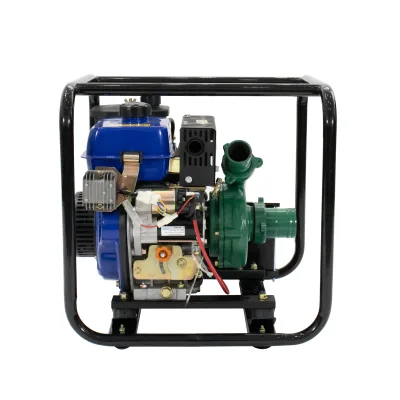

Single Stage End Suction Horizontal Centrifugal Water Pump for Agricultural Irrigation
$1000.00 - $10000.00
MOQ: 1 Pieces

Single Stage Double Suction Centrifugal Water Pump for Agricultural Irrigation
$3000.00 - $30000.00
MOQ: 1 Pieces

High Pressure Single Stage Double Suction Centrifugal Water Pump for Irrigation
$3000.00 - $30000.00
MOQ: 1 Pieces

2.2kw, 3HP Single Stage Electric Surface Centrifugal Pump for Agricultural Irrigation
$300.00 - $1500.00
MOQ: 1 Pieces


Purity 20kw Industrial Horizontal Centrifugal Water Pump for Farm Irrigation
$890.00 - $895.00
MOQ: 5 Pieces


Comprehensive Sourcing Guide
Strategic Sourcing Guide for Single-Stage Centrifugal Pumps in Agriculture
The global agricultural sector relies heavily on efficient water management systems, where single-stage centrifugal pumps serve as the backbone for irrigation infrastructure. For procurement professionals, navigating the market requires a disciplined approach that distinguishes between observed product attributes and generalized performance claims. The current market landscape presents a diverse array of units, ranging from compact models with a gross weight of 50kg to heavier industrial variants weighing up to 68kg. Understanding the specific technical configurations, material compositions, and operational parameters is essential for selecting equipment that aligns with the rigorous demands of agricultural irrigation. This guide outlines the critical factors buyers must evaluate to ensure a successful procurement cycle, focusing on verified data points and industry-standard practices.
Technical Specifications and Operational Parameters
When evaluating single-stage centrifugal pumps for irrigation, the primary focus must be on the mechanical configuration and hydraulic performance. The market data indicates a prevalence of horizontal pump designs, specifically categorized as horizontal split pumps or vertical joint surface pumps. This structural distinction is vital for maintenance accessibility and installation requirements in field settings. The impeller configuration is consistently observed as single-suction and closed, which is optimal for handling clear water or slightly turbid agricultural fluids without excessive cavitation risk.
The working pressure classifications vary significantly across available listings, spanning from low-pressure to middle-pressure and high-pressure units. Buyers must verify the specific pressure rating required for their irrigation network, as the observed range extends from standard low-pressure applications to high-pressure systems capable of delivering a maximum head between 50 and 80 meters. This head range is critical for determining the vertical lift capabilities needed for sprinkler systems or pressurized drip lines. Furthermore, the maximum capacity observed in high-confidence data points exceeds 400 liters per minute, a threshold that defines the flow rate suitability for medium-to-large scale farming operations.
Motor selection is another pivotal technical variable. The supply chain offers both Variable Speed Drive (VSD) motors and standard motors, with specific instances of IE2 efficiency class motors recorded. The power source is universally electric, with voltage specifications such as 380V being common in industrial-grade units. The motor power ratings observed include specific values like 2.2kW, though buyers should expect a broader spectrum depending on the required flow and head. The rotational speed is a fixed attribute in many models, with 1450rpm being a documented standard, which directly influences the pump's hydraulic curve and efficiency at the operating point.
Material Composition and Construction Standards
The longevity of a centrifugal pump in an agricultural environment is heavily dependent on the materials used in its construction. The supplied product facts highlight a diverse range of materials, including cast iron, brass, bronze, and stainless steel. This variety suggests that the market offers solutions for different fluid chemistries and environmental conditions. For standard irrigation water, cast iron may suffice, but for applications involving saline water or corrosive agricultural chemicals, stainless steel or bronze components are necessary to prevent premature failure.
The pump casing is typically constructed with a horizontal split design, facilitating easier access to the internal components for inspection and repair. The shaft position is predominantly horizontal, which simplifies the mounting process and aligns with standard foundation requirements. The sealing mechanism is another critical component, with mechanical seals being the standard observed in the provided data. Mechanical seals offer superior leakage prevention compared to packing glands, which is essential for maintaining system efficiency and reducing water loss in irrigation networks.
The color of the units varies, with blue and red being the most common observed finishes, though customer specifications allow for custom coloration. This customization option can be leveraged for site-specific safety coding or branding, but it should not compromise the underlying protective coating quality. The structural design is consistently single-stage, meaning the fluid passes through the impeller only once before exiting. This design is generally more efficient and simpler to maintain than multi-stage configurations for the typical head requirements of agricultural irrigation.
Compliance, Certification, and Customization Capabilities
In the B2B procurement of industrial pumps, compliance with international standards and the ability to customize are key differentiators. The product data explicitly mentions that customization is available, with suppliers offering OEM (Original Equipment Manufacturer) and ODM (Original Design Manufacturer) services. This flexibility allows agricultural cooperatives and large-scale farms to request specific modifications, such as altered inlet/outlet sizes or specialized motor integrations, to fit unique irrigation layouts.
The sourcing guide must emphasize the verification of material standards. While the data lists materials like cast iron and stainless steel, buyers should demand documentation confirming that these materials meet specific international standards (e.g., ASTM, ISO, or EN standards) relevant to the intended application. The absence of specific certification names in the provided data means that buyers cannot assume a product is certified without explicit verification. Instead, procurement teams should request material test reports and compliance certificates from the supplier before finalizing an order.
Customization extends beyond materials to include mounting configurations. The observed mounting height attributes, such as "Suction Centrifugal" and "Since Irrigation Centrifugal Pumps," suggest that the pumps are designed with specific suction lift capabilities in mind. Buyers should verify the Net Positive Suction Head (NPSH) requirements to ensure the pump can operate effectively without cavitation, especially when drawing water from shallow wells or open channels. The ability to provide OEM services implies that suppliers can adapt the pump model to specific voltage requirements or power ratings, which is crucial for regions with varying electrical infrastructure standards.
Cost Drivers and Economic Considerations
The pricing for single-stage centrifugal pumps in the agricultural sector is influenced by a complex interplay of factors, including material costs, motor efficiency, and customization levels. The observed price range in the market is substantial, spanning from 130 USD to 50,000 USD. This wide variance indicates that the market includes both entry-level, small-scale units and heavy-duty, industrial-grade systems with advanced features. The lower end of the spectrum likely corresponds to basic cast iron models with standard motors, while the higher end encompasses stainless steel constructions, VSD motors, and custom-engineered solutions.
The Minimum Order Quantity (MOQ) is another significant economic factor. The data indicates an MOQ range of 1 to 10 units, offering flexibility for buyers who may need to replace a single failed unit or equip a small farm. For larger procurement projects, the ability to order in batches of 10 or more may unlock volume discounts, though specific pricing tiers are not detailed in the source data. Buyers should negotiate based on the total volume and the complexity of the required customization.
Packaging and logistics also contribute to the total cost of ownership. The observed packaging types include wooden cases, wooden packing, and plywood cases. These robust packaging methods are essential for protecting the pumps during international shipping, particularly given the origin locations in Shanghai and Fuzhou, China. The gross weight of the units, ranging from 50kg to 68kg, impacts freight costs and handling requirements. Buyers should factor in the cost of specialized lifting equipment and the potential need for reinforced pallets when planning the logistics of their procurement.
Supplier Evaluation and Geographic Origins
Identifying the right supplier is a critical step in the procurement process. The data points to specific geographic origins, primarily Shanghai and Fuzhou in China, as well as Fujian province. These regions are known hubs for pump manufacturing, offering a concentration of expertise and supply chain infrastructure. However, buyers must exercise due diligence when selecting a supplier from these locations. The presence of OEM and ODM services suggests that many manufacturers are capable of producing custom solutions, but the quality of these services can vary widely.
Supplier evaluation should focus on the consistency of product attributes. For instance, while some listings mention a "Blue" color, others list "Blue, Red" or "Customer Specifications." This inconsistency highlights the need for clear communication regarding product specifications before placing an order. Buyers should verify that the supplier can consistently deliver units that match the agreed-upon technical parameters, such as the 1450rpm speed or the specific voltage requirements.
The ability to provide detailed product documentation is another indicator of supplier reliability. A reputable supplier should be able to provide technical drawings, performance curves, and material certificates. The observation of specific model numbers, such as LIS65-40-250B, EA80/16, and EH65-40-200, suggests that manufacturers have established product lines. Buyers should cross-reference these model numbers with the supplier's catalog to ensure they are receiving the exact configuration required for their irrigation system.
Quality Control and Long-Term Procurement Strategy
Ensuring the quality of single-stage centrifugal pumps requires a proactive approach to quality control. The observed attributes, such as the mechanical seal and the closed impeller design, are standard features that should be verified upon delivery. Buyers should implement a rigorous inspection protocol that includes checking the dimensions of the outlet size (e.g., 65*40mm), verifying the weight of the unit against the stated specifications, and testing the motor for correct voltage and speed.
Long-term procurement considerations extend beyond the initial purchase price. The availability of spare parts, such as impellers and mechanical seals, is crucial for maintaining operational continuity. Suppliers that offer OEM services are often better positioned to provide long-term support and replacement parts. Additionally, the medium temperature range of 0-85°C observed in the data indicates that these pumps are designed for a wide range of operating conditions, but buyers should ensure that the selected pump can handle the specific temperature of the water source in their region.
Sustainability and energy efficiency are increasingly important in agricultural procurement. The availability of IE2 motors and VSD options allows buyers to select units that minimize energy consumption. Over time, the energy savings from a more efficient motor can offset the higher initial cost of the unit. Buyers should calculate the total cost of ownership, including energy costs, maintenance, and replacement parts, to make an informed decision.
Conclusion
Sourcing single-stage centrifugal pumps for irrigation and agriculture requires a meticulous evaluation of technical specifications, material quality, and supplier capabilities. The market offers a wide range of options, from basic cast iron models to advanced stainless steel units with variable speed drives. By focusing on verified data points such as head capacity, flow rates, and material composition, buyers can make informed decisions that ensure the reliability and efficiency of their irrigation systems. The flexibility of customization and the availability of OEM services provide opportunities to tailor solutions to specific agricultural needs, while the geographic concentration of manufacturers in China offers access to a robust supply chain. Ultimately, a disciplined approach to quality control and long-term planning will yield the best results for agricultural procurement projects.
FAQs
What is the maximum head capacity for these pumps?
The maximum head capacity ranges between 50 and 80 meters. This range supports vertical lift needs for sprinkler systems or pressurized drip lines in medium-to-large scale farming operations.
Can buyers request custom motor types for these units?
Yes, customization is available for motor types including Variable Speed Drive or standard motors. Specific models may feature IE2 efficiency class motors with 1450rpm speed for optimized performance.
Which materials are used for the pump casing construction?
Materials include cast iron, brass, bronze, and stainless steel. Buyers should verify material standards to ensure suitability for specific fluid chemistries like saline water or corrosive agricultural chemicals.
How does the packaging protect the units during shipping?
Units are shipped in wooden cases, wooden packing, or plywood cases. These robust methods protect the pumps, which weigh between 50kg and 68kg, during international transit from Shanghai or Fuzhou.
What is the minimum order quantity for purchasing these pumps?
The minimum order quantity ranges from 1 to 10 units. This flexibility allows buyers to replace single failed units or equip small farms without committing to large batch orders.
Can suppliers provide OEM and ODM services for these pumps?
Yes, suppliers offer both OEM and ODM services for customization. This allows agricultural cooperatives to request specific modifications like altered inlet sizes or specialized motor integrations for unique irrigation layouts.