Source Single-Stage Self-Priming Water Pump for Sewerage, Food, and Chemical
Explore 30 listings for the Single-Stage Self-Priming Water Pump, featuring horizontal shaft designs and direct connection transmission. Compare options for sewerage treatment, food processing, and chemical applications, with models like XG and YP available from Chinese manufacturers; compare the available evidence and request quotations based on your requirements.
Key considerations
Products List




Comprehensive Sourcing Guide
Single-Stage Self-Priming Water Pump Sourcing Guide
Procuring a single stage self-priming water pump requires careful attention to the specific hydraulic theory and mechanical configuration listed in supplier catalogs. Buyers must distinguish between jet-flow and centrifugal pump theories, as the observed listings indicate both types are available from Chinese manufacturers. The distinction is critical because the jet-flow mechanism relies on internal recirculation to achieve self-priming capabilities, whereas centrifugal models depend on impeller design and casing geometry. Understanding this fundamental difference ensures the selected unit matches the intended fluid dynamics for the specific project requirements.
Verification of the pump shaft position and mounting height is equally essential before finalizing a purchase order. The available data confirms that horizontal shaft positions are standard for these units, yet some listings reference mounting heights similar to irrigation centrifugal pumps. This variation suggests that while the core self-priming function remains consistent, the physical integration into existing piping systems may vary significantly. Buyers should explicitly confirm the mounting orientation and casing split type to avoid installation conflicts during the site setup phase.
Product Scope and Observed Listing Signals
The market for single stage self-priming pumps displays a wide range of pricing and minimum order quantities, reflecting diverse manufacturing capabilities and material standards. Observed price points span from $15 to $15,000, indicating a spectrum from small-scale industrial units to heavy-duty slurry or dredging pumps. The minimum order quantity typically ranges from one to one hundred units, offering flexibility for both pilot projects and large-scale infrastructure deployments. This variability allows buyers to source small batches for testing or bulk orders for comprehensive facility upgrades without being locked into rigid volume constraints.
Product attributes such as the screw number and suction method provide further insight into the specific pump architecture available in the current market. Listings frequently identify single screw pumps with single suction methods, which are optimized for handling specific fluid viscosities and flow rates. Additionally, the working fluid is predominantly water, though some models are designed for sewage treatment and chemical applications. Buyers must cross-reference these attributes with their specific operational needs to ensure the pump can handle the intended medium without premature wear or performance degradation.
Technical Specifications to Verify
Technical verification must begin with the impeller configuration and the number of stages, as these factors directly influence pressure generation and flow capacity. The observed data highlights both open impellers and multistage configurations, alongside single-stage designs that are typical for self-priming applications. Buyers should confirm whether the impeller is double-suction or single-suction, as this impacts the balance of forces and the overall efficiency of the pump. Ensuring the impeller type matches the required pressure class, such as middle or low pressure, is vital for maintaining system stability and preventing cavitation.
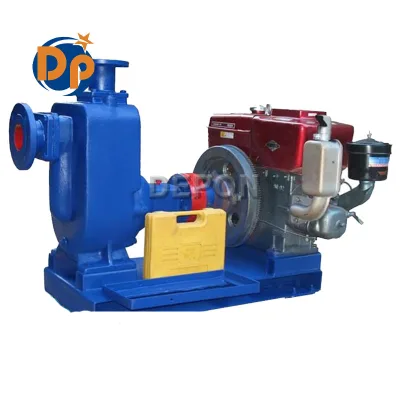
The transmission method and driving type are other critical specifications that determine the operational reliability and maintenance requirements of the unit. Most listings indicate a direct connection transmission paired with a fitted motor or diesel engine, depending on the power source availability at the site. The theory of operation, whether jet-flow or centrifugal, dictates the internal flow path and the efficiency of the self-priming cycle. Buyers must verify that the driving type aligns with the available power infrastructure and that the transmission system is robust enough to handle the expected load without slippage or overheating.
Compliance and Safety Documentation
Compliance documentation is a primary concern when sourcing pumps from international markets, particularly regarding certification and material standards. The observed listings frequently cite CE and ISO certifications, which are essential for meeting European and international safety requirements. However, buyers must verify that these certifications are current and applicable to the specific model number, as some entries list them alongside other standards like SGS. Ensuring that the pump meets the relevant safety directives for the destination market is a non-negotiable step in the procurement process.
Material standards and construction quality also play a significant role in the long-term safety and durability of the pump. The product standards observed include stainless steel and carbon steel options, with some listings specifying nonstandard configurations based on customer demand. Buyers should request detailed material certificates to confirm the grade of steel used in the casing and impeller, especially for applications involving corrosive fluids or high-pressure environments. Verifying that the construction materials meet the specific environmental and chemical resistance requirements of the application is crucial for preventing premature failure.
Cost Drivers and Commercial Terms
Cost drivers for single stage self-priming pumps are heavily influenced by the choice of materials, the complexity of the transmission system, and the level of customization required. The observed price range suggests that basic models with standard carbon steel casings are significantly more affordable than those constructed from stainless steel or featuring specialized diesel engines. Customization options, such as specific packing requirements or unique mounting heights, can also add to the final cost. Buyers should analyze the total cost of ownership, including potential maintenance expenses, rather than focusing solely on the initial purchase price.
Commercial terms, including delivery time and packaging, are equally important factors that affect the overall procurement strategy. The typical delivery time for these units ranges from 30 to 60 days, which buyers must account for in their project scheduling. Packaging varies from plywood cases and cartons to naked cargo or nylon bags, depending on the supplier and the specific model. Understanding these logistical details helps in planning the supply chain and ensuring that the equipment arrives in good condition, ready for immediate installation without the need for additional protective measures.
Supplier Qualification and Quality Control
Supplier qualification involves verifying the manufacturer's location and their track record in producing high-quality pumps. The observed data indicates that many suppliers are based in Zhejiang, China, with specific mentions of Wenzhou and Taizhou as manufacturing hubs. These regions are known for their industrial clusters, but buyers should still conduct due diligence to ensure the supplier has a proven history of meeting quality standards. Checking for OEM capabilities and the ability to fulfill custom requests is also essential for ensuring the supplier can adapt to specific project needs.
Quality control measures should be a central part of the supplier evaluation process, focusing on the consistency of production and the reliability of the final product. Buyers should inquire about the quality assurance protocols used during manufacturing, such as testing procedures for pressure and flow rates. The observed listings mention "Good" quality, but this is a subjective claim that requires independent verification. Establishing clear quality benchmarks and requesting third-party inspection reports can help mitigate the risk of receiving substandard equipment that fails to meet performance expectations.
Long-Term Procurement Checks
Long-term procurement checks focus on the sustainability of the supply relationship and the availability of spare parts for future maintenance. Buyers should assess whether the supplier offers a reliable supply chain for components like impellers, seals, and motors, which are critical for keeping the pump operational over its lifespan. The ability to source replacement parts quickly can significantly reduce downtime and maintenance costs, making it a key factor in the decision-making process. Ensuring that the supplier has a robust after-sales support system is essential for maintaining the efficiency of the pumping system.
Performance monitoring and warranty terms are also critical components of long-term procurement planning. Buyers should verify the warranty coverage provided by the supplier and understand the conditions under which claims can be made. Regular performance checks, such as monitoring flow rates and pressure levels, can help identify potential issues before they lead to catastrophic failure. Establishing a clear communication channel with the supplier for technical support and troubleshooting ensures that any operational challenges can be addressed promptly, safeguarding the investment in the single stage self-priming water pump.
FAQs
How do I choose between stainless steel and carbon steel for a Single-Stage Self-Priming Water Pump?
Choose stainless steel for corrosive fluids, food, or chemical applications, and carbon steel for general water transfer where corrosion resistance is less critical. Consider the working fluid, operating temperature, and budget before deciding. Many suppliers listed on this page produce both variants, and customization is available, so material selection can usually be matched to your specific application requirements.
What certifications should I check when sourcing self priming water pumps from China?
Check for CE and ISO certification as a baseline, since these indicate conformity with European safety directives and quality management systems. Some listed products also reference SGS verification. Always request certificate copies directly from suppliers and confirm which certification body issued them, because certification coverage can differ between product models even within one supplier's catalog.
Which applications suit a self priming pump with inner recirculation design?
This design suits sewerage treatment, food processing, and chemical transfer, along with general water handling. The inner recirculation mechanism lets the pump evacuate air from the suction line and prime itself without external filling, which is useful where the pump sits above fluid level or the suction line runs dry intermittently. Confirm fluid compatibility with the supplier before ordering.
What is the typical delivery time for single stage self priming water pumps?
Listed delivery times generally fall between 30 and 60 days, depending on order quantity, customization requirements, and current production scheduling. Standard configurations usually ship faster than customized units with special materials or motor options. Confirm the exact lead time in writing before placing an order, and factor in additional time for shipping and customs clearance at your destination.
Can I order custom materials, motors, or packaging for self priming water pumps?
Yes, customization is available from the manufacturers listed here, including material selection such as stainless steel or carbon steel, OEM options made to request, and packaging in plywood cases, cartons, or other arrangements. Provide your technical specifications, required certifications, and packaging preferences during inquiry. Customized orders may affect pricing and extend the standard 30 to 60 day delivery window.
What minimum order quantities apply when buying self priming water pumps directly?
Minimum order quantities across the listed products range from 1 to 100 units, so single-unit trial orders are often possible. Small orders typically carry higher unit pricing, while larger quantities may unlock discounts. Discuss MOQ directly with suppliers, since requirements vary by model and customization level. A trial order is a practical way to verify quality before committing to volume.