Source Single-Stage Submersible Chemical Pump for Water, Industry, Mining
Find 30 single-stage submersible chemical pump options with varying pressure ratings, materials, and flow capacities. Compare specifications for municipal water supply, power plants, and industrial slurry handling to select the right equipment.
Key considerations
Products List


Robust Smooth Protected Precision Clearance Control Single Stage Chemical Pump
$800.00 - $50000.00
MOQ: 1 Pieces


Low-Noise Stable Durable Single Stage Double Suction Chemical Pump
$2000.00 - $100000.00
MOQ: 1 Pieces


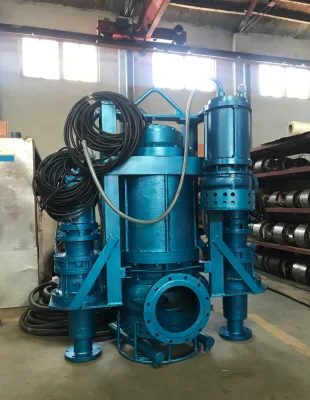


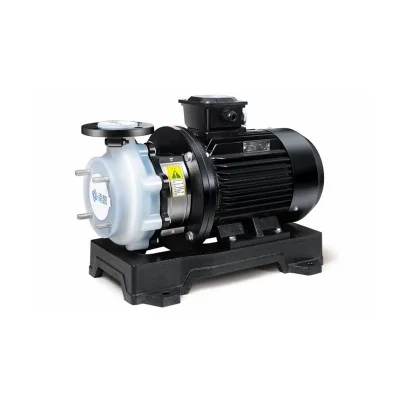


Comprehensive Sourcing Guide
Strategic Sourcing Guide for Single-Stage Submersible Chemical Pumps
Technical Architecture and Performance Parameters
When evaluating single-stage submersible chemical pumps, the primary focus must be on the internal hydraulic architecture and the materials selected to withstand aggressive media. The core definition of a single-stage pump implies a single impeller rotating within a casing, designed to generate head through one stage of energy transfer. In the context of submersible chemical applications, the impeller configuration is critical. Buyers should verify whether the unit utilizes a single-suction or double-suction impeller design, as this dictates the axial thrust balance and flow capacity. Observed market data indicates that single-stage units often feature closed impellers, which offer higher efficiency and better head generation compared to open designs, making them suitable for precise chemical dosing or high-pressure transfer.
The driving mechanism for these units is invariably electric motor-driven, with rotation speeds typically ranging from 980 RPM to 2900 RPM, or a broader band of 493 to 2950 RPM depending on the specific motor configuration. This speed variability allows for matching the pump to specific system curves without the need for complex variable frequency drives in all cases. The working pressure for these single-stage units generally falls within the middle-pressure category, with specific observed ranges indicating capabilities between 2.5 MPa and 11 MPa. This pressure range is significant for applications requiring deep submersion or high-head transfer of viscous or abrasive slurries.
Temperature tolerance is another pivotal technical specification. Chemical processes often involve extreme thermal conditions. Sourcing guides must highlight that suitable units should withstand temperature ranges extending from -80°C to +450°C, or at minimum -40°C to +200°C, depending on the specific chemical compatibility. The shaft design is equally important; chrome-plated steel shafts are frequently observed to provide necessary corrosion resistance and mechanical strength. Furthermore, the seal assembly is the most vulnerable point in submersible units. Buyers should look for mechanical seals utilizing Carbon-Sic-NBR combinations, which offer robust resistance to chemical attack and thermal cycling. The motor insulation class is typically rated at Class F, with a protection rating of IP 68, ensuring the electrical components remain safe even when fully submerged in liquid.
Compliance Standards and Certification Verification
In the industrial procurement of chemical handling equipment, adherence to international standards is non-negotiable for safety and interoperability. When sourcing single-stage submersible pumps, buyers must verify that the manufacturer complies with specific ISO standards. The supply chain data points to compliance with ISO 5199 and ISO 2858 as common benchmarks for centrifugal pump dimensions and performance. Additionally, some manufacturers align their designs with ISO 5199, noting its equivalence to GB/T 5656, which is a Chinese national standard often adopted for industrial pumps.
Verification of these standards is not merely a paperwork exercise; it ensures that the pump's suction and discharge dimensions, as well as the mounting footprints, are compatible with existing piping systems and infrastructure. For chemical applications, the material certification is equally vital. While specific certifications were not universally listed in the observed data, the presence of standards like ISO 5199 suggests a commitment to dimensional consistency and quality control. Buyers should request documentation proving that the materials used for the casing, impeller, and shaft meet the chemical resistance requirements for the specific medium being pumped, such as abrasive slurries or corrosive liquids.
The manufacturing origin also plays a role in compliance. Products originating from Jiangsu and Zhejiang provinces in China are common in this sector. While these regions are hubs for pump manufacturing, buyers must ensure that the specific factory has the necessary quality management systems in place. The "Customization" attribute observed in the market suggests that many suppliers are willing to adapt standard models to meet specific regulatory or application needs. However, any customization must be documented and verified against the relevant safety standards for the intended industry, such as municipal water supply or power plant operations.
Cost Drivers and Pricing Dynamics
Understanding the cost structure of single-stage submersible chemical pumps is essential for budgeting and total cost of ownership analysis. The observed price range in the market is exceptionally wide, spanning from approximately $59.40 to $100,000 USD. This vast disparity is not indicative of a single product category but rather reflects the diversity in horsepower, material grade, and customization levels. A unit priced at the lower end of this spectrum likely features cast iron construction with standard horsepower ratings, such as 0.75 kW to 160 kW, and basic sealing arrangements. Conversely, units at the higher end likely incorporate exotic alloys, higher horsepower motors, and advanced sealing technologies designed for extreme chemical environments.
The minimum order quantity (MOQ) is another significant cost driver. While some suppliers may accept orders as low as one unit, others enforce a minimum order value, such as $3,000 USD. This financial threshold can impact small-scale procurement projects, forcing buyers to consolidate orders or negotiate with distributors. The horsepower rating is a direct correlation to cost; a pump with a 160 kW motor will naturally command a higher price than a 0.75 kW unit. Additionally, the outlet size, which can range from 2 inches to 16 inches, significantly influences the material volume and manufacturing complexity, thereby affecting the final price.
Packing and logistics also contribute to the overall cost. Standard export wooden boxes or plywood boxes are commonly used for protection during transit. However, for international shipping, the weight and dimensions of these packages must be factored into the landed cost. Buyers should also consider the cost of customization. While OEM, ODM, and OBM support are available, these services often incur additional fees. The "Software Reengineering" capability mentioned in some listings suggests that modern pumps may include smart monitoring features, which could add to the initial capital expenditure but reduce long-term operational costs through predictive maintenance.
Typical Applications and Industry Use Cases
Single-stage submersible chemical pumps are versatile assets deployed across a wide array of industrial sectors. The primary application areas identified include municipal water supply, power plant operations, and general industrial water treatment. In municipal settings, these pumps are often utilized for circulating water, sludge transfer, or wastewater management where the medium may be abrasive or corrosive. The ability to handle abrasive slurries makes them particularly valuable in mining and mineral processing, where they can be submerged directly in the slurry pit to reduce priming issues and increase efficiency.
The power plant sector represents another critical application area. Here, the pumps are used for circulating cooling water or handling boiler feed water, where the temperature and pressure conditions can be severe. The observed temperature range of up to 450°C suggests suitability for high-temperature condensate or feedwater applications. In industrial wastewater treatment, the chemical resistance of the pump materials is paramount. The capability to handle corrosive liquids ensures that the pump can operate in environments containing acids, alkalis, or other aggressive chemicals without rapid degradation.
The "application" attribute in the market data also lists "Other," indicating that these pumps are adaptable to niche requirements. For instance, they may be used in chemical processing plants for transferring reactants, in oil and gas facilities for handling produced water, or in environmental remediation projects for pumping contaminated groundwater. The double-suction impeller variant is particularly useful in applications requiring high flow rates, such as large-scale water circulation systems, while the single-suction design is often preferred for high-head, lower-flow applications. The versatility of these units allows them to serve as the primary pumping solution in diverse scenarios, provided the material compatibility and pressure ratings are correctly matched to the specific process requirements.
Supplier Evaluation and Selection Criteria
Selecting the right supplier for single-stage submersible chemical pumps requires a rigorous evaluation process that goes beyond price comparison. Buyers should prioritize suppliers who demonstrate a clear understanding of the technical nuances of submersible pump design. Key indicators of a qualified supplier include the ability to provide detailed technical specifications, such as the exact rotation speed, pressure ratings, and temperature limits. The presence of a "Customization" option is a strong positive signal, indicating that the supplier can tailor the pump to specific operational needs rather than forcing a standard off-the-shelf solution.
The manufacturing location is another factor to consider. Suppliers based in Jiangsu and Zhejiang, China, are prominent in this sector, but buyers must verify the specific factory's capabilities. The "OEM" and "ODM" acceptance status suggests that the supplier is willing to work with buyers to brand and modify products, which is crucial for companies looking to integrate the pump into their existing product lines or private label offerings. Additionally, the availability of "Software Reengineering" support indicates a forward-thinking approach, suggesting that the supplier may offer smart pump solutions with integrated monitoring and control systems.
Quality control is paramount. Buyers should inquire about the inspection processes for critical components such as the mechanical seal, the motor insulation, and the shaft plating. The use of branded components, such as NSK bearings, is a positive indicator of quality, as it suggests the supplier sources from reputable manufacturers. The "Standard Export Wooden Box" packing method also reflects a commitment to protecting the product during transit, which is essential for maintaining the integrity of precision machinery. Finally, buyers should assess the supplier's responsiveness to technical queries and their ability to provide after-sales support, including spare parts availability and technical assistance.
Quality Control and Long-Term Procurement Considerations
Ensuring the long-term reliability of single-stage submersible chemical pumps requires a proactive approach to quality control and maintenance planning. The mechanical seal is the most critical component for preventing leaks, and its failure can lead to catastrophic motor damage. Buyers should verify that the seal assembly uses high-quality materials like Carbon-Sic-NBR, which offer excellent wear resistance and chemical compatibility. Regular inspection of the seal condition, even in submersible applications where visual access is limited, is essential. Some advanced models may include leak detection sensors or monitoring systems to alert operators of potential seal failures before they occur.
The motor protection rating of IP 68 is a standard that ensures the motor is dust-tight and capable of continuous immersion in water. However, buyers must verify that the actual installation conditions match the rating, as prolonged exposure to aggressive chemicals can degrade the motor's insulation over time. The insulation class F rating indicates a high thermal tolerance, but operating the pump near its maximum temperature limits can shorten its lifespan. Therefore, procurement strategies should include a margin of safety in the temperature and pressure ratings to ensure the pump operates well within its design limits.
Long-term procurement considerations also involve the availability of spare parts and the ease of maintenance. The "Customized support" attribute suggests that suppliers may offer tailored maintenance plans or spare parts packages. Buyers should negotiate for a comprehensive spare parts inventory, including seals, bearings, and impellers, to minimize downtime in the event of a failure. The "MOQ" of 3000 USD for some suppliers may also apply to spare parts orders, so buyers should plan their inventory accordingly. Finally, the warranty terms and the supplier's track record for resolving technical issues should be carefully evaluated. A supplier with a history of reliable performance and responsive support is a valuable partner in the long-term operation of critical pumping systems.
Comparative Analysis of Pump Configurations
To assist buyers in making informed decisions, the following table compares key attributes of different single-stage submersible pump configurations observed in the market. This comparison highlights the variations in design, performance, and application suitability.
| Feature | Configuration A (Single-Suction) | Configuration B (Double-Suction) | Configuration C (High-Pressure) |
|---|---|---|---|
| Impeller Type | Single Suction | Double Suction | Single Stage, Closed |
| Flow Capacity | Moderate | High (>400 L/min) | Variable |
| Working Pressure | Middle Pressure (2.5-11 MPa) | Middle Pressure | High Pressure |
| Shaft Position | Horizontal / Vertical | Horizontal | Vertical |
| Casing Design | Vertical Joint / Horizontal Split | Axially Split Case | Vertical Joint |
| Typical Application | General Chemical Transfer | Circulating Water | High-Head Industrial |
| Temperature Range | -80°C to +450°C | -40°C to +200°C | -80°C to +450°C |
| Standard Compliance | ISO 5199, ISO 2858 | ISO 5199 (Eq. GB/T 5656) | ISO 5199 |
This table illustrates that while the core technology remains consistent, the specific configuration chosen must align with the application's flow and pressure requirements. Configuration A is ideal for general chemical transfer where space is limited, while Configuration B is better suited for high-flow circulating systems. Configuration C addresses the needs of high-pressure applications, ensuring that the pump can handle the required head without compromising efficiency. Buyers should use this comparison to narrow down their options based on their specific operational constraints.
FAQs
What is the working pressure range for these pumps?
The working pressure typically falls between 2.5 and 11 MPa, classifying them as middle-pressure pumps. This range supports applications requiring deep submersion or high-head transfer of viscous and abrasive slurries effectively.
Which impeller types are available for single-stage designs?
Both single-suction and double-suction impeller configurations are available depending on the specific model. Single-suction designs often feature closed impellers for higher efficiency, while double-suction units balance axial thrust for high flow rates.
Can these pumps operate in extreme temperature conditions?
Yes, suitable units can withstand temperatures ranging from -80 to 450 degrees Celsius. This wide tolerance allows for use in high-temperature condensate applications or environments with extreme thermal cycling without degradation.
How is the pump shaft constructed for durability?
The shaft is typically made of chrome-plated steel to provide necessary corrosion resistance and mechanical strength. This material choice ensures longevity when handling aggressive chemical media or abrasive slurries in submersible applications.
What standards do these pumps comply with for safety?
Manufacturers commonly comply with ISO 5199 and ISO 2858 standards for dimensional consistency and performance. Some designs also align with GB/T 5656, ensuring compatibility with existing piping systems and infrastructure.
Which motor specifications ensure safe submersible operation?
Motors typically feature insulation Class F and a protection rating of IP 68 to ensure safety when fully submerged. These ratings protect electrical components from water ingress and thermal stress during continuous operation.
What is the minimum order quantity for purchasing units?
Minimum order requirements vary, with some suppliers enforcing a minimum order value of 3000 USD. Other vendors may accept orders as low as one unit, depending on the specific customization and model selected.
Can the pump casing be customized for specific applications?
Customization is available for casing and other components to meet specific regulatory or application needs. Suppliers often support OEM, ODM, and OBM services to adapt standard models for municipal water or power plant operations.