Source Single Suction High Pressure Sprinkler for Fire Protection
Find and compare 30 Single Suction High Pressure Sprinkler options from Fujian, China. Review specifications including ZSTZ and ZSTX models, R1/2 or R3/4 threads, and temperature ratings from 57 to 182 degrees for reliable fire safety applications.
Key considerations
Products List


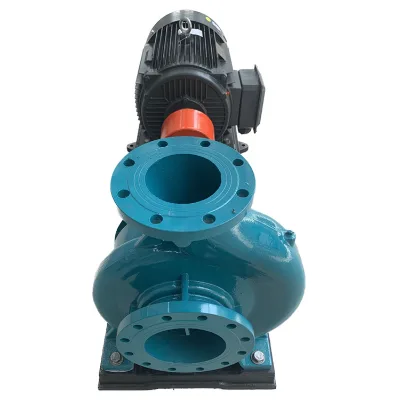


Electric High-Pressure Sprinklers for Watering Garden Crops Lawn Irrigation Sprinkler
$19000.00 - $20000.00
MOQ: 1 pieces


Sprinkler Water Truck Sprinkler Lawn Irrigation Sprinkler Watering Equipment
$9000.00 - $18000.00
MOQ: 1 Pieces


Water Sprinkler Water-Saving Simple Sprinkler Reel Type Irrigation Machine
$4000.00 - $7900.00
MOQ: 1 Sets

High Pressure Big Rain Gun Sprinkler for Farm Irrigation Irrigation System
$46.42 - $63.30
MOQ: 5 Pieces


Comprehensive Sourcing Guide
Single Suction High Pressure Sprinkler Sourcing Guide
Procuring fire protection components requires a precise understanding of terminology, as market listings often mix general irrigation hardware with specialized fire safety equipment. The term "Single Suction High Pressure Sprinkler" typically refers to centrifugal pump configurations used to pressurize fire suppression systems, rather than the sprinkler heads themselves. However, in the context of the supplied product data, the focus shifts toward the end-point discharge devices—specifically, upright closed sprinkler heads with glass bulb activation. Buyers must distinguish between the pressure-generating pumps and the distribution nozzles to ensure they are sourcing the correct component for their fire protection design. This guide addresses the procurement of these specific sprinkler heads, which are critical for activating water discharge in response to heat.
The observed market signals indicate a diverse range of models, including ZSTZ, ZSTX, and various numbered series like 1101A and 3502. These products are predominantly sourced from Fujian, China, and are available in standard export packaging. The presence of both OEM and ODM customization options suggests that buyers can tailor specific attributes such as thread size, temperature rating, and surface finish. Understanding the distinction between the pump terminology and the actual sprinkler head specifications is essential for accurate RFQs and technical evaluations. This guide provides the necessary framework to evaluate these products based on verified attributes and industry standards.
Product Scope and Observed Listing Signals
The product scope encompasses upright, closed-type sprinkler heads designed for specific thermal activation. Key observed attributes include a variety of temperature ratings, ranging from 57°C to 182°C, which correspond to different glass bulb colors such as orange, red, yellow, green, blue, and purple. The response type is generally standard, utilizing either 3mm or 5mm glass bulbs, with the 5mm variant being explicitly noted for standard response models. The connecting threads are primarily available in R1/2, R3/4, or 1/2" (15mm) configurations, ensuring compatibility with standard piping systems. Buyers should verify the specific model number, such as ZSTZ or T-ZSTX03, to align with their system’s hydraulic calculations.
Listing signals reveal a wide price range from $0.04 to $20,000, which likely reflects the inclusion of both individual sprinkler heads and complete pump assemblies or large system packages. The minimum order quantity (MOQ) varies significantly, from 1 unit to 8,000 units, indicating flexibility for both small-scale repairs and large industrial projects. Packing details consistently mention carton boxes, with specific dimensions provided for certain models, such as 423430 cm and 603431 cm. These logistical details are crucial for freight planning and storage. Buyers must clarify whether the quoted price includes only the sprinkler heads or if it encompasses associated hardware, pumps, or control valves.
Technical Specifications to Verify
Technical verification begins with the nozzle flow coefficient and K-factor, which dictate the water discharge rate under pressure. Observed data indicates a K-factor of 5.6, corresponding to a flow rate of approximately 80 L/min, with some models offering higher flows like 115±6 L/min. The working pressure is noted at 1.2 MPa, a critical parameter for ensuring the sprinkler head operates within its designed hydraulic limits. Buyers must confirm the nominal diameter, which is typically DN15 or 20DN, to match the pipe size. The surface finish options, including chrome, brass, and white, should be selected based on environmental conditions and aesthetic requirements, particularly in commercial or visible installations.
The physical construction and material composition require careful scrutiny. While some listings mention plastic materials, fire sprinkler heads typically utilize brass or bronze for the body to withstand high temperatures and pressures. The glass bulb color must be matched to the ambient temperature of the protected area to prevent false activation or failure to activate. For instance, orange bulbs typically indicate a 57°C rating, while red indicates 68°C. Buyers should verify the bulb size, as 3mm and 5mm bulbs have different response times. Additionally, the model numbers such as 1101A, 1101B, and 3502 may correspond to specific manufacturer series, so cross-referencing these with technical datasheets is essential to ensure compatibility with existing fire protection infrastructure.
Compliance and Safety Documentation
Compliance is paramount in fire protection procurement, as non-compliant products can lead to system failure and legal liability. The supplied data mentions ISO and CCC certifications, which are relevant for quality management and Chinese market compliance. Buyers must verify if these certifications extend to international standards such as UL, FM, or EN 12845, depending on the project location and local regulations. The presence of "reach" in low-confidence background data suggests potential chemical compliance, but buyers should request explicit documentation for RoHS or REACH if the product contains restricted substances. Certification status should be confirmed through valid certificates issued by accredited bodies, not just marketing claims.
Safety documentation must include detailed test reports and performance data. Buyers should request evidence of hydraulic performance tests, such as those conducted by independent laboratories, to verify the flow rate and pressure ratings. The temperature rating of the glass bulb must be validated through thermal response tests. Additionally, documentation should confirm the material’s resistance to corrosion and its ability to withstand the specified working pressure of 1.2 MPa. For projects requiring specific standards, buyers must ensure that the supplier can provide certificates of conformity that align with local fire codes. Relying solely on generic certifications without project-specific validation poses a significant risk to system integrity.
Cost Drivers and Commercial Terms
Cost drivers for sprinkler heads include material quality, surface finishing, and certification levels. Brass bodies with chrome or brass finishes typically command higher prices than plastic or basic painted options. The complexity of the glass bulb assembly and the precision of the nozzle orifice also influence cost. Customization options, such as OEM branding or specific thread configurations, may incur additional setup fees. The observed price range suggests that basic models are low-cost, while specialized or certified units are significantly more expensive. Buyers should analyze the unit price in the context of the MOQ, as larger orders often yield better economies of scale.
Commercial terms should clearly define the scope of supply, including packaging and shipping responsibilities. The standard export package in carton boxes is common, but buyers must confirm if palletization or container loading is included. Lead times can vary based on customization and certification requirements, so explicit delivery schedules are necessary. Payment terms should be negotiated to mitigate risk, especially for large orders. Buyers should also consider the total cost of ownership, including potential maintenance and replacement costs. Clear communication regarding warranty periods and return policies for defective units is essential to protect against quality issues.
Supplier Qualification and Quality Control
Supplier qualification involves verifying manufacturing capabilities and quality management systems. Buyers should assess the supplier’s production facilities in Fujian, China, to ensure they adhere to strict quality control protocols. The ability to provide OEM and ODM services indicates flexibility, but it also requires robust process controls to maintain consistency. Suppliers should have documented procedures for incoming material inspection, in-process quality checks, and final product testing. Buyers should request samples for preliminary evaluation before committing to large orders. This step allows for verification of physical attributes, such as thread fit, glass bulb integrity, and surface finish quality.
Quality control checks should include random sampling and destructive testing where appropriate. Buyers should verify that the supplier conducts hydrostatic pressure tests on a sample basis to ensure no leaks or failures. The consistency of temperature ratings across batches is critical, so batch testing records should be reviewed. Additionally, packaging integrity must be assessed to prevent damage during transit. Suppliers with a history of successful exports and positive client references are generally more reliable. Establishing a clear quality agreement that defines acceptable defect rates and remediation procedures is essential for long-term procurement success.
Long-Term Procurement Checks
Long-term procurement requires ongoing monitoring of supplier performance and product reliability. Buyers should establish key performance indicators (KPIs) for delivery accuracy, product quality, and responsiveness. Regular audits of the supplier’s quality management system can help identify potential issues before they impact production. Feedback loops with end-users or installation contractors can provide valuable insights into field performance. Buyers should also stay informed about changes in fire protection standards and regulations that may affect product compliance. Proactive engagement with suppliers ensures that they remain aligned with evolving project requirements.
Sustainability and supply chain resilience are increasingly important factors. Buyers should assess the supplier’s ability to maintain consistent supply during market fluctuations or disruptions. Diversifying the supplier base can mitigate risks associated with single-source dependencies. Additionally, considering the environmental impact of materials and packaging can align with corporate sustainability goals. Regular review of contract terms and pricing structures ensures that commercial arrangements remain competitive and fair. By maintaining a strategic approach to procurement, buyers can secure reliable access to high-quality fire protection components that meet their operational and safety needs.
FAQs
What temperature ratings are available for these sprinkler heads?
These sprinkler heads come with multiple temperature ratings including 57, 68, 79, 93, 141, and 182 degrees. The glass bulb color varies by rating, with options like orange, red, yellow, green, blue, and purple to indicate specific activation points for different fire scenarios.
Which connecting thread sizes do these sprinkler heads support?
The sprinkler heads support R1/2 or R3/4 connecting threads, with some models specifically offering 1/2 inch (15mm) options. This ensures compatibility with various piping systems while maintaining a secure fit for reliable fire suppression performance in different installations.
Can I request custom packaging for bulk orders of these units?
Yes, customization is available for these sprinkler heads, including specific packaging requirements. Standard export packages and carton boxes are common, but buyers can request tailored solutions to meet their logistical needs while ensuring the products remain protected during transit.
What is the typical K-factor for the standard model sprinklers?
The standard model sprinklers typically feature a K-factor of 5.6, delivering a flow rate of 80 liters per minute. This specification ensures efficient water distribution for standard fire protection applications while maintaining the required working pressure of 1.2 MPa for optimal performance.
How are these sprinkler heads certified for international safety standards?
These sprinkler heads hold ISO and CCC certifications, ensuring they meet rigorous international safety and quality standards. The products originate from Fujian, China, and are manufactured to comply with norms like DN15 and DN20, providing verified reliability for commercial and industrial use.
What is the minimum order quantity for purchasing these sprinkler heads?
The minimum order quantity ranges from 1 to 8000 units depending on the specific model and customization needs. Buyers can find options starting from small quantities like 300 units up to large bulk orders of 2500 units, allowing flexibility for various project scales.
Which surface finishes are offered for these brass or chrome sprinklers?
Available surface finishes include chrome, brass, and white options to match different aesthetic and functional requirements. These finishes are applied to the sprinkler heads to ensure durability and corrosion resistance while providing a professional appearance suitable for exposed or concealed installations.