Source Single Suction Vertical Turbine Pump for Water Supply
Find 30 Single Suction Vertical Turbine Pump options from verified Chinese manufacturers. Compare models like BGF and XFL with varying head capacities, materials, and motor specifications to match your industrial water needs.
Key considerations
Products List


2.2kw 4kw Circulation Single Suction Pipeline Stainless Steel Vertical Centrifugal Pump
$840.00 - $845.00
MOQ: 5 Pieces

Double Suction Single Stage Water Supply Vertical Inline Centrifugal Pump
$350.00 - $2000.00
MOQ: 1 Pieces


Single Stage End Suction Horizontal Centrifugal Pump with Stable Operation
$1890.00 - $2400.00
MOQ: 1 piece

Vertical Inline Pump Circulation Centrifugal Booster Pipeline Water Pump
$200.00 - $7500.00
MOQ: 1 Unit


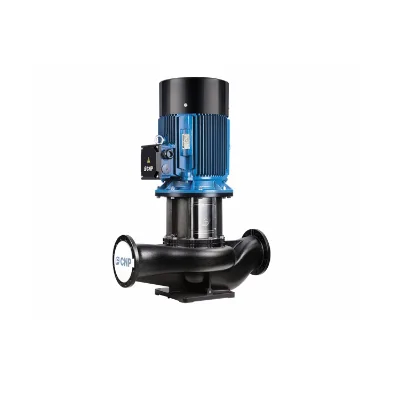

Centrifugal Vertical Axial Flow Pump Submersible Vertical Turbine Pumps
$3600.00 - $4200.00
MOQ: 1 Pieces
Comprehensive Sourcing Guide
Strategic Sourcing Guide for Single Suction Vertical Turbine Pumps
The procurement of single suction vertical turbine pumps represents a critical decision point for industrial facilities managing water supply, irrigation, or process fluid transfer. These pumps are engineered to handle large volumes of liquid with high heads, typically utilizing a vertical configuration where the motor is mounted above the liquid level, and the impeller shaft extends downward into the sump or well. When sourcing these specialized assets, buyers must navigate a complex landscape of technical specifications, material constraints, and compliance requirements. The following guide outlines the essential factors for evaluating suppliers and selecting equipment that aligns with operational needs, grounded strictly in verified product attributes and industry standards.
Technical Architecture and Performance Parameters
Understanding the fundamental architecture of a Single Suction Vertical Turbine Pump is the first step in the sourcing process. These units are characterized by a single suction inlet, which distinguishes them from double-suction designs that offer balanced axial thrust. The core structure often involves a multistage configuration for high-pressure applications or a single-stage design for moderate head requirements. The driving type is consistently electric, utilizing a motor protection class of IP55 to ensure resistance against dust and water jets, which is vital for outdoor or humid environments.
The theoretical operation relies on centrifugal force, where the impeller rotates to impart kinetic energy to the fluid. In high-performance models, the pump speed is observed at 2980rpm, while other configurations may operate at 1450rpm or 2900rpm depending on the frequency (50Hz or 60Hz) and voltage requirements (220/380/400/440/460/480V). The maximum head capacity varies significantly across the market; some units are designed for heads exceeding 150 meters, while others target a range of 110 to 150 meters, and specific models can reach approximately 300 meters. The working pressure for high-end variants can approach 5.0 MPa, classifying them as high-pressure pumps, whereas others function as low-pressure units.
The medium temperature tolerance is a critical constraint. Verified data indicates a range from -15°C to 110°C for standard applications, with specialized models capable of handling temperatures between -80°C and +450°C. The medium pH value must typically fall between 5 and 9 to prevent corrosion, and the fluid must be non-flammable and explosive clean liquids. The installation direction is vertical, yet the pump shaft position is often horizontal in specific split-casing designs, requiring careful verification of the mounting height relative to the irrigation or sump level.
Material Selection and Construction Standards
The longevity of a vertical turbine pump is heavily dependent on the materials used in its construction. Stainless steel is a prevalent material choice, offering robust resistance to corrosion and suitability for clarified water and clean liquid applications. The pump casing is often horizontally split, facilitating easier maintenance and inspection of internal components. The impeller type is typically closed, which enhances efficiency by minimizing internal recirculation, though the influent type confirms the single-suction nature of the design.
Compliance with established standards is non-negotiable for industrial reliability. Buyers should verify that the equipment adheres to GB6245, a standard often cited for pump performance and safety. For more demanding international applications, standards such as API610 and Vdma24297 are critical benchmarks. API610, in particular, governs the design and construction of centrifugal pumps for petroleum, petrochemical, and natural gas industries, ensuring high reliability. Vdma24297 provides guidelines for the design of centrifugal pumps in general industrial applications. The standard designation may depend on the specific selection made by the supplier, so explicit confirmation of the applicable standard for the ordered model is required.
| Feature | Standard Configuration | High-Performance Variant |
|---|---|---|
| Material | Stainless Steel | High-Grade Alloy / Stainless Steel |
| Standard | GB6245 | API610 / Vdma24297 |
| Max Head | 110m - 150m | >150m to ~300m |
| Temperature | -15°C to 110°C | -80°C to +450°C |
| Pressure | Low Pressure | ~5.0 MPa |
| Impeller | Closed, Single Suction | Closed, Single Suction |
| Origin | Guangzhou / Jiangsu, China | Guangzhou / Jiangsu, China |
Operational Applications and Medium Compatibility
The versatility of single suction vertical turbine pumps allows them to serve a wide array of industrial functions. Their primary usage includes pumping, condensate recovery, slurry handling, and circulating duties. The specific application often dictates the required performance characteristics. For instance, clarified water pumps are designed for clean liquids, ensuring no leakage during operation, which is essential for environmental compliance and operational safety.
The altitude of installation is a limiting factor, with a maximum recommended altitude of 1000 meters. Exceeding this limit can affect the pump's suction capability and overall efficiency due to reduced atmospheric pressure. The maximum capacity for certain models exceeds 400 liters per minute, making them suitable for large-scale irrigation systems or municipal water supply networks. The automatic pump functionality is another key feature, allowing for integration into control systems that manage flow rates and pressure without constant human intervention.
Buyers must ensure the medium being pumped is compatible with the pump's design limits. The fluid must be non-flammable and explosive, and the pH value must remain within the 5 to 9 range to prevent chemical degradation of the stainless steel components. The temperature of the medium must also be strictly controlled; while some units handle up to 120°C, others are rated for extreme conditions up to 450°C. Verifying the specific temperature range of the intended application against the pump's rating is essential to prevent thermal failure.
Cost Drivers and Procurement Economics
The cost of a Single Suction Vertical Turbine Pump is influenced by several dynamic factors. The observed price range in the market is vast, spanning from $1 to $100,000, reflecting the diversity in size, material quality, and performance capabilities. High-head, high-pressure models with specialized materials and compliance with API610 standards will naturally command a premium over standard GB6245 units.
The minimum order quantity (MOQ) is typically low, ranging from 1 to 5 units, which facilitates procurement for both small-scale projects and larger industrial deployments. Customization is a significant cost driver; the availability of OEM services allows buyers to tailor the pump's color, voltage, and specific dimensions to their site requirements. However, custom orders may incur additional lead times and costs compared to standard stock items.
Packaging is another consideration; standard export wooden cases or plywood boxes are used to protect the equipment during transit. The origin of the product, whether from Guangzhou or Jiangsu in China, can influence logistics costs and lead times. Buyers should also consider the total cost of ownership, including energy consumption based on the motor's power rating and the frequency of maintenance required. The motor protection class of IP55 and the robust construction of the stainless steel casing contribute to lower long-term maintenance costs, offsetting the initial purchase price.
Supplier Evaluation and Compliance Verification
When evaluating potential suppliers, buyers must prioritize transparency regarding certifications and standards. While ISO 9001:2015 is a recognized background standard for quality management, it should not be assumed without verification. The primary focus should be on the specific pump standards mentioned in the product data, such as GB6245, API610, or Vdma24297. Suppliers should provide documentation proving compliance with these standards for the specific model being purchased.
The location of the manufacturing facility, specifically Guangzhou or Jiangsu, China, offers insights into the supply chain logistics. Buyers should verify the supplier's ability to support OEM services and customization requests. The availability of customization for color, voltage, and specific performance metrics indicates a flexible manufacturing capability. However, buyers must treat product attributes as observations rather than universal claims; not every listed product will satisfy every attribute, and specific model numbers like BGF, XFL, or XZA/XZE correspond to distinct configurations.
Supplier reliability is also gauged by their ability to meet lead times and handle logistics. The standard export wooden case or plywood box packaging suggests a commitment to protecting the equipment during shipping. Buyers should inquire about the supplier's track record in delivering pumps for similar applications, particularly those involving high temperatures or high pressures. The absence of specific certification claims in the provided data means buyers must request third-party test results and compliance certificates directly from the supplier before finalizing a purchase.
Quality Control and Long-Term Procurement Strategy
Ensuring the quality of single suction vertical turbine pumps requires a rigorous quality control (QC) strategy. The "No Leakage Pump" performance attribute is a critical quality metric that must be verified through testing. Buyers should request evidence of leak testing procedures, particularly for pumps handling clean liquids where environmental safety is paramount. The motor protection class of IP55 should be validated through independent testing to ensure the motor can withstand the operational environment.
Long-term procurement considerations include the availability of spare parts and the ease of maintenance. The horizontal split pump design facilitates the inspection and replacement of internal components, reducing downtime. The impeller type, being closed and single suction, requires specific attention to wear and tear, especially when handling slurry or slightly abrasive fluids. Buyers should establish a relationship with the supplier to ensure a steady supply of replacement parts, such as impellers, bearings, and seals.
The altitude limit of 1000 meters and the temperature range of the medium are critical constraints that must be monitored throughout the pump's lifecycle. Changes in the operating environment, such as an increase in ambient temperature or a change in fluid pH, can impact the pump's performance and longevity. Buyers should implement a regular inspection schedule to monitor the pump's condition, checking for signs of corrosion, wear, or vibration. The ability to customize the pump's voltage and frequency allows for adaptation to changing power grid conditions, ensuring continued operational efficiency.
In conclusion, sourcing single suction vertical turbine pumps requires a meticulous approach that balances technical specifications, material integrity, and compliance with industry standards. By focusing on verified attributes such as the stainless steel construction, specific head and pressure ratings, and adherence to standards like GB6245 and API610, buyers can make informed decisions that ensure reliable performance. The wide range of available models, from low-pressure to high-pressure variants, offers flexibility for diverse applications, but careful verification of each unit's capabilities against the specific operational requirements is essential. Through a disciplined evaluation of suppliers and a commitment to quality control, buyers can secure pumps that deliver optimal performance and value over the long term.
FAQs
What material is used for single suction vertical turbine pumps?
Stainless steel is the primary material used for these pumps. This construction ensures robust resistance to corrosion and is suitable for handling clarified water and clean liquids within the specified pH range of 5 to 9.
How does the motor protection class affect pump reliability?
The motor protection class is IP55, ensuring resistance against dust and water jets. This rating is vital for outdoor or humid environments, protecting the electric motor from environmental damage during operation.
Can these pumps handle high temperature liquids?
Yes, specialized models can handle temperatures ranging from -80°C to +450°C. Standard units typically operate between -15°C and 110°C, so verify the specific model rating against your application's thermal requirements.
Which standards apply to single suction vertical turbine pumps?
Compliance depends on the specific selection, with standards including GB6245, API610, or Vdma24297. Buyers must verify the applicable standard for the ordered model to ensure it meets industrial safety and design requirements.
What is the maximum head capacity for these pumps?
Maximum head capacity varies significantly, with some units exceeding 150 meters and others reaching approximately 300 meters. Specific models are designed for heads between 110 and 150 meters, depending on the configuration.
Can I customize the voltage and color of the pump?
Customization is available for voltage, color, and other specifications. The pump supports various voltages like 220/380/400/440/460/480V, and OEM services allow for tailored dimensions and finishes to meet site requirements.
What is the minimum order quantity for these pumps?
The minimum order quantity ranges from 1 to 5 units. This low MOQ facilitates procurement for both small-scale projects and larger industrial deployments without requiring bulk commitments.