Source Hoodie and Jogger Pants Set for gym, travel, and casual wear
Explore 30 verified listings for the Hoodie and Jogger Pants Set, comparing features like material, size, and customization options from suppliers in China. Buyers can evaluate specs for winter, autumn, and spring seasons.
Key considerations
Products List
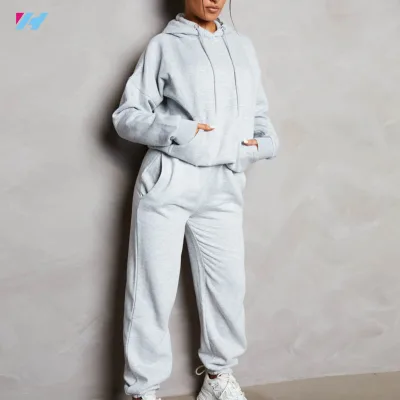
Custom High Quality Women Two Piece Sweat Jogger Pants Hoodie and Jogger Set
$25.53 - $27.51
MOQ: 50 pieces
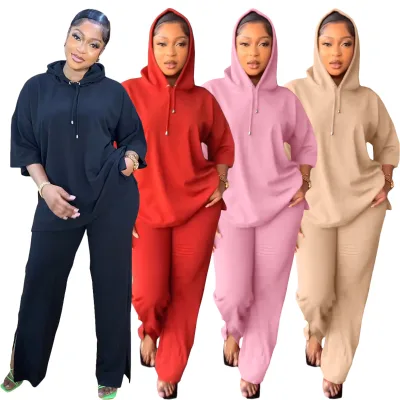
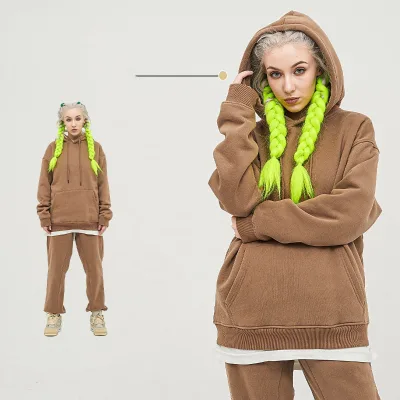
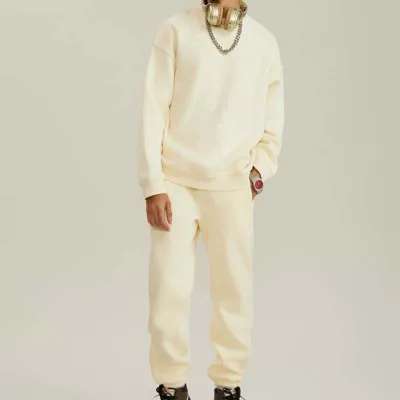
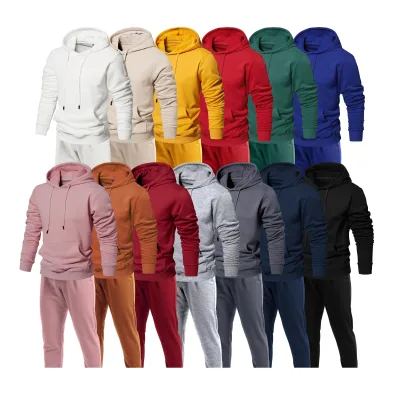
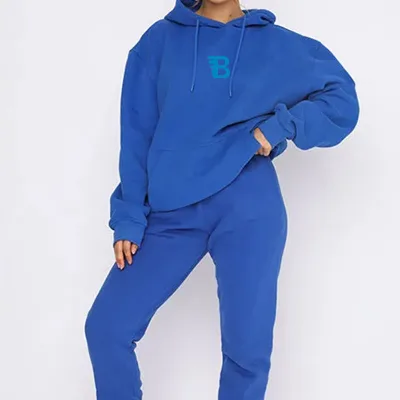
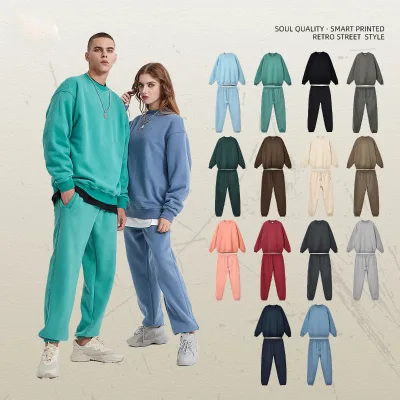
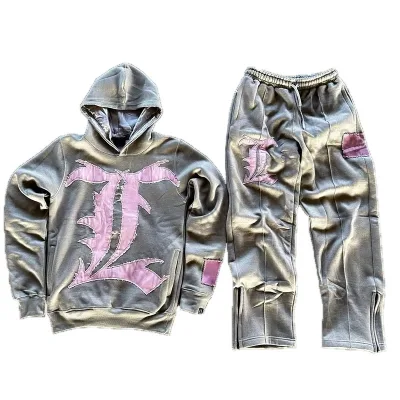
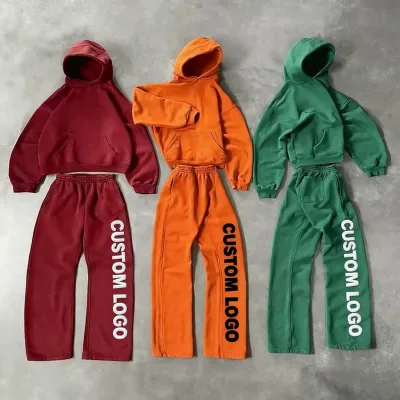
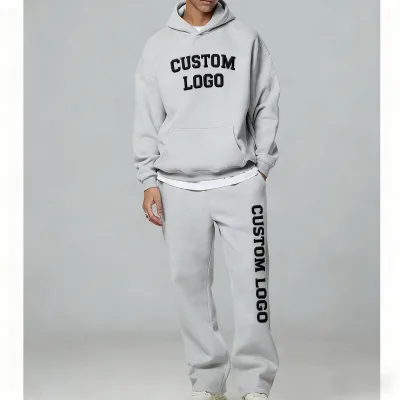
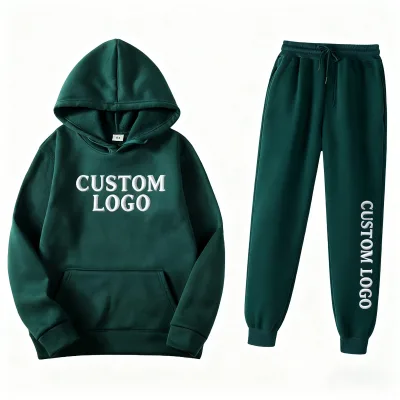
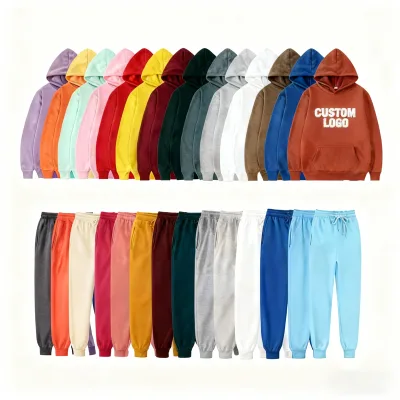


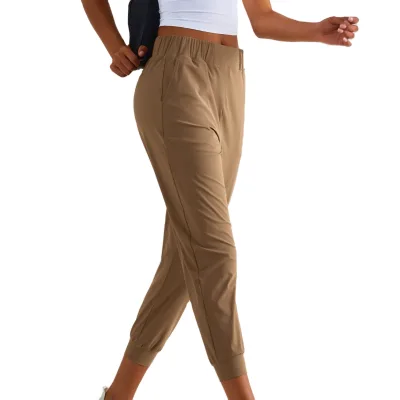


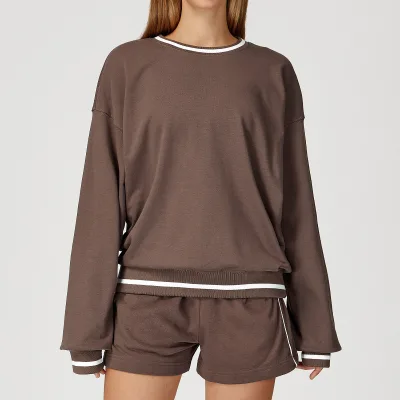
Custom Logo Fitness Wear Gym Oversize Casual Hoodie Cuffed Joggers Pants Two Piece Sets
$18.83 - $23.31
MOQ: 50 Minimum


Comprehensive Sourcing Guide
Strategic Sourcing Guide for Hoodie and Jogger Pants Sets
Understanding Product Specifications and Material Composition
When sourcing a Hoodie and Jogger Pants Set, the primary objective is to align the product's physical attributes with the intended market segment. Based on available market data, these sets frequently appear as women's casual wear, often categorized under "Oversized" or "Loose" fit types. The construction typically involves a "Regular" clothing length for the hoodie, paired with jogger-style bottoms that may feature a "Full Length" specification. Buyers must carefully distinguish between the various material compositions observed in the supply chain, as these directly impact the garment's performance and cost.
The material composition for these sets varies significantly across different suppliers. Some listings indicate a blend of Spandex and Cotton, which offers a balance of stretch and natural fiber comfort. Others utilize a Spandex and Polyester blend, often marketed for specific performance features such as "Quick Dry" or "Breathable" capabilities. A third category of products specifies a complex blend of 42% cotton, 53% polyester, and 5% other fibers, with a fabric weight noted around 345G. This heavier weight suggests a garment designed for cooler seasons, such as Winter or Autumn, though some listings also claim suitability for Spring.
The fabric type is predominantly "Knitted" or "Knitting," which provides the necessary elasticity for the "Regular" sleeve style and the relaxed fit required for a casual aesthetic. The collar style is consistently observed as "Hooded," and the sleeve length is typically "Full." Buyers should note that while "As Your Request" is a common specification for sizing, the standard size range often extends from XS to 4XL, accommodating a broad demographic. The "Single package size" can vary, with some items listed at dimensions like 43x33x5 cm, which is critical for calculating shipping logistics and storage costs.
Technical Construction and Customization Capabilities
The technical execution of a hoodie and jogger set is defined by the "Technics" employed during manufacturing. The supply chain offers a diverse array of production methods, including "Plain Dyed," "Garment Dyed," "Embroidered," and "Printed" techniques. The choice of technic influences the final look and durability of the garment. For instance, "Garment Dyed" processes often result in a softer hand feel and a more vintage aesthetic, whereas "Plain Dyed" ensures color consistency before assembly.
Customization is a central pillar of this product category, with "OEM Service" and "OEM Designs" being standard offerings. Buyers can request "Customized Labels" and "Custom Logos," which are typically applied using "Silk Screen Printing," "Digital Printing," or "Heat-Transfer Printing." The "Logo position" is frequently observed at the "back neck," but this can be adjusted based on design requirements. The "Pattern Type" is predominantly "Solid," yet the "Colors" are often available in a wide range of "Customized Colors," including specific market favorites like Gray, Brown, and Khaki.
The "Supply Type" varies between "In-Stock Items" and "Oem Service" models. This distinction is vital for procurement planning. In-stock items generally offer faster availability but limited customization, while OEM services allow for full branding and design control but require longer lead times. The "Model Number" for these sets can be highly specific, such as YIHAO-8265 or XZ3-BTG-18--H-11, serving as a unique identifier for the specific design and construction parameters.
Cost Drivers and Pricing Dynamics
The pricing of hoodie and jogger sets is influenced by a complex interplay of material costs, customization levels, and order volume. The observed price range in the market spans from $0.50 to $32.61 USD, a wide variance that reflects differences in quality, brand positioning, and order quantity. Several key factors drive these costs. First, the material composition plays a significant role; blends with higher cotton content or specialized fibers like Spandex often command higher prices than standard polyester constructions.
Second, the "MOQ" (Minimum Order Quantity) is a critical cost driver. While some suppliers list an MOQ of 50 pieces, others may require quantities up to 500 units. The "MOQ: 50pcs" observation suggests that smaller batches are accessible, but buyers must verify if the unit price increases for orders near the minimum threshold. The "Selling Units" are typically listed as "Single item," meaning the price is per set, which simplifies cost calculations but requires careful aggregation for bulk orders.
Additionally, the "Single package size" and "Fabric Weight" directly impact shipping costs. Heavier fabrics, such as the 345G material noted in some listings, increase the weight per unit, thereby raising freight expenses. Customization features like "Embroidered" logos or "Silk Screen Printing" add labor and setup costs, which are often passed on to the buyer. Buyers should also consider the "Place of Origin," as manufacturing hubs in Guangdong and Henan, China, may offer different cost structures based on local labor rates and supply chain maturity.
Compliance, Certification, and Quality Verification
Navigating the compliance landscape for apparel requires rigorous verification, as claims regarding certifications are often not uniformly applied across all suppliers. While "GOTS" (Global Organic Textile Standard) is mentioned in background contexts, it should not be assumed as a standard feature for all hoodie and jogger sets without explicit verification from the supplier. Buyers must treat certification claims as observations that require confirmation rather than guaranteed attributes.
Quality verification should focus on the "Feature" claims listed in product specifications. Common attributes include "Waterproof," "Anti-pilling," "Breathable," "Eco-Friendly," and "Anti-static." These claims necessitate specific testing protocols to validate. For example, "Waterproof" claims require hydrostatic head testing, while "Anti-pilling" requires abrasion testing. Buyers should request test reports or certificates of analysis to substantiate these performance claims, rather than relying solely on product descriptions.
The "Technics" used, such as "Garment Dyed" or "Plain Dyed," also have compliance implications regarding color fastness and chemical usage. Buyers should verify that the dyeing processes adhere to relevant environmental and safety standards, particularly if the target market has strict regulations on textile chemicals. The "Brand Name" and "Logo" usage must also be managed carefully to avoid intellectual property infringement, ensuring that the "Custom Logo" process respects all trademark laws.
Supplier Evaluation and Operational Reliability
Evaluating suppliers for hoodie and jogger sets requires a deep dive into their operational capabilities and reliability. The "Place of Origin" is a primary indicator, with Guangdong and Henan being prominent manufacturing regions in China. These regions have established textile ecosystems, but buyers should verify the specific factory's capacity and history. The "Supply Type" distinction between "In-Stock Items" and "Oem Service" is crucial for determining the supplier's flexibility.
Lead time is another critical factor in supplier evaluation. Some suppliers offer a "7 days sample order lead time," which indicates a responsive production line capable of rapid prototyping. However, for full production runs, lead times can vary significantly. Buyers must clarify the timeline from sample approval to bulk delivery, as this impacts inventory planning and market launch schedules. The "Support" for sample orders is a positive indicator, but the actual turnaround time for the sample must be confirmed.
The "Design" capabilities of the supplier are equally important. With "OEM Designs" being a standard offering, buyers should assess the supplier's ability to translate concepts into physical products. The availability of "Customized Colors" and "Customized Labels" suggests a high level of flexibility, but the supplier's track record in executing complex designs should be reviewed. Buyers should also consider the "Model Number" consistency; a supplier with a robust catalog of model numbers may indicate a more mature and versatile operation.
Long-Term Procurement and Market Applications
The long-term viability of sourcing hoodie and jogger sets depends on the alignment of product features with market trends and consumer needs. These sets are primarily designed for "Casual" style and are suitable for "Winter," "Autumn," and "Spring" seasons. The "Oversized" and "Loose" fit types cater to current fashion trends that prioritize comfort and relaxed silhouettes. However, buyers must remain agile, as seasonal preferences can shift, and the "Feature" set (e.g., "Quick Dry," "Waterproof") may need to evolve to meet changing consumer demands.
For long-term procurement, establishing a strong relationship with suppliers who offer "Oem Service" is beneficial. This allows for continuous product iteration and customization, ensuring the brand remains competitive. The ability to adjust "Fabric Weight" and "Material" blends based on feedback is essential for maintaining product relevance. Additionally, the "Single package size" and packaging efficiency should be optimized to reduce logistics costs over time.
Buyers should also consider the scalability of their supply chain. As order volumes grow, the "MOQ" requirements may become less restrictive, allowing for more frequent, smaller batches that reduce inventory risk. The "7 days sample order lead time" support is a valuable asset for rapid product development cycles. By focusing on suppliers who can consistently deliver high-quality "Knitted" fabrics with reliable "Technics," buyers can build a resilient supply chain that adapts to market fluctuations while maintaining product integrity.
Comparative Analysis of Product Attributes
To facilitate decision-making, the following table summarizes the key variations observed in the hoodie and jogger set market. This comparison highlights the differences in material, construction, and customization options that buyers must navigate.
| Attribute | Observation A | Observation B | Observation C |
|---|---|---|---|
| Material | Spandex / Cotton | Spandex / Polyester | 42% Cotton, 53% Polyester, 5% Other |
| Fit Type | Loose | Loose | Loose |
| Season | Winter, Autumn | Spring | Winter |
| Technics | Embroidered, Plain Dyed | GARMENT DYED | Printed |
| Fabric Weight | Not Specified | 345G | Not Specified |
| Printing Methods | Heat-Transfer, Digital, Silk Screen | Silk Screen | Heat-Transfer, Digital, Silk Screen |
| Place of Origin | Guangdong, China | Henan, China | Guangdong, China |
| MOQ | 50 pcs | 50 pcs | 50 pcs |
| Sample Lead Time | 7 Days Support | 7 Days Support | 7 Days Support |
| Feature Claims | Quick Dry, Waterproof, Anti-pilling | Eco-Friendly, Anti-static | Breathable, Eco-Friendly |
This table underscores the diversity within the category. While the "MOQ" and "Sample Lead Time" remain relatively consistent, the material and technic variations require careful selection based on the specific brand identity and target market requirements. Buyers must weigh the trade-offs between different material blends and construction methods to ensure the final product meets both quality standards and cost objectives.
FAQs
What materials are used for hoodie and jogger pants sets?
Materials vary by supplier, including Spandex and Cotton blends or Spandex and Polyester blends. Some listings specify a complex mix of 42% cotton, 53% polyester, and 5% other fibers with a fabric weight of 345G.
Can I customize the logo and colors for these sets?
Yes, suppliers accept custom logos and customized colors. Printing methods include Silk Screen Printing, Digital Printing, and Heat-Transfer Printing, with logos often placed at the back neck.
What is the minimum order quantity for these sets?
The minimum order quantity is typically 50 pieces, though some suppliers may require up to 500 units. This MOQ applies to both in-stock items and OEM service models.
How long does it take to receive a sample order?
Sample order lead time is supported within 7 days for many suppliers. This rapid turnaround allows for quick prototyping before committing to bulk production runs.
Which seasons are these sets designed for?
These sets are suitable for Winter, Autumn, and Spring seasons. The fabric weight and knitted construction provide warmth and comfort appropriate for cooler weather conditions.
Where are these products manufactured?
Products originate from manufacturing hubs in Guangdong and Henan, China. These regions offer established textile ecosystems with varying cost structures based on local labor rates.