Source Slotted Spoon for Kitchen, Restaurant and Buffet Equipment
Compare 30 Slotted Spoon options from verified suppliers, featuring materials like stainless steel and silicone with customization available for commercial kitchen and restaurant applications.
Key considerations
Products List



Comprehensive Sourcing Guide
Silicone Slotted Spoon Sourcing Guide
Sourcing high-quality silicone slotted spoons requires a strategic balance between material safety, functional durability, and commercial scalability. These utensils have become staples in modern kitchens due to their non-stick compatibility and heat resistance, making them essential for both household and professional culinary environments. Buyers must navigate a market flooded with variations in silicone grade, handle design, and packaging options to ensure the final product meets specific operational needs. This guide provides a structured approach to evaluating suppliers, verifying technical specifications, and managing commercial risks associated with this category.
The procurement process begins with a clear definition of the end-use environment, whether for retail distribution, hospitality supply, or private labeling. Silicone utensils are frequently marketed for their ergonomic benefits and aesthetic versatility, allowing brands to customize colors and logos to match their identity. However, the underlying material quality and manufacturing standards vary significantly across suppliers. Understanding the distinction between food-grade silicone and lower-quality alternatives is critical to avoiding product failures, such as melting, odor retention, or degradation under high heat. This guide outlines the key verification steps necessary to secure reliable supply chains and maintain product integrity.
Product Scope and Observed Listing Signals
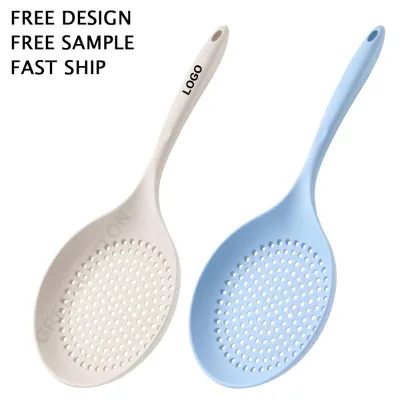
The current market landscape for silicone slotted spoons reveals a diverse range of product attributes tailored to different buyer segments. Observed listings indicate a strong emphasis on customization, with many suppliers offering options for logo printing, packaging design, and color variations such as ivory, sky blue, rose red, and pink. These features are particularly valuable for brands seeking to differentiate their offerings in competitive retail markets. The presence of "customized package acceptable" and "customized logo acceptable" signals suggests that suppliers are equipped to handle private label orders, which is a key consideration for businesses aiming to build brand loyalty through consistent product aesthetics.
Material composition is a primary differentiator in this category, with stainless steel and melamine also appearing in broader kitchen utensil listings alongside silicone. However, for the specific keyword of silicone slotted spoons, the focus remains on the flexibility and heat resistance of silicone. Listings often highlight features such as "anti-slip" handles, "ergonomic design," and "no sharp edges," which address user comfort and safety. Additionally, the attribute "dishwasher safe" is a critical selling point for consumers, indicating that the product can withstand repeated washing cycles without degrading. Buyers should verify these claims through sample testing, as marketing language does not always reflect actual performance under rigorous use conditions.
Technical Specifications to Verify
Technical verification is essential to ensure that the silicone slotted spoons meet functional requirements for both home and commercial use. Key specifications to validate include the material grade, which should be explicitly stated as food-grade silicone to guarantee safety and durability. The dimensions of the spoon, such as the length and width of the slot, must be appropriate for the intended cooking tasks, whether for stirring, lifting, or draining liquids. Listings may provide specific model numbers, such as "w0423" or "YW-0833," which can help in tracking product consistency across orders. Buyers should request detailed technical drawings or product datasheets to confirm these dimensions and ensure compatibility with standard cookware sizes.
Packaging and weight specifications are also critical for logistics and cost management. Single package dimensions, such as 40x20x5 cm, and gross weights, like 0.2 kg, directly impact shipping costs and storage requirements. Suppliers may offer various packaging options, including export cartons or customized packaging, which can affect the overall cost structure. It is important to verify the number of pieces per package and the total weight to accurately calculate freight charges. Additionally, the "single item" selling unit suggests that individual spoons are often sold separately, which may require careful consideration of bulk ordering strategies to optimize inventory levels and reduce per-unit shipping costs.
Compliance and Safety Documentation
Compliance with international safety standards is non-negotiable for food-contact utensils, particularly those made from silicone. Buyers must ensure that suppliers provide valid certifications, such as FDA and CE/EU approvals, which attest to the material's safety for food contact. These certifications indicate that the silicone has been tested for harmful substances and meets regulatory requirements in key markets. Without proper documentation, products may face customs delays, rejection, or legal liabilities in the destination country. It is advisable to request copies of current certificates and verify their authenticity with the issuing bodies to ensure ongoing compliance.
In addition to material safety, buyers should inquire about the manufacturing processes and quality control measures implemented by the supplier. While specific test results may not be publicly listed, suppliers should be able to provide information on their internal testing protocols, such as heat resistance tests and durability assessments. The attribute "high quality" is often used in listings, but this claim must be substantiated by evidence of rigorous quality control. Buyers should consider requesting third-party lab test reports for heavy metals, phthalates, and other potential contaminants to ensure that the products meet the highest safety standards. This due diligence is crucial for maintaining brand reputation and consumer trust.
Cost Drivers and Commercial Terms
Understanding the cost drivers in silicone Slotted Spoon procurement is essential for effective budgeting and negotiation. The primary cost factors include the quality of the silicone material, the complexity of the design, and the volume of the order. Higher-grade silicone and intricate ergonomic designs typically command higher prices, while larger order volumes can lead to economies of scale and reduced per-unit costs. The observed minimum order quantity (MOQ) ranges from 50 to 120,000 pieces, offering flexibility for both small businesses and large enterprises. Buyers should align their order quantities with their sales forecasts to avoid excess inventory or stockouts.
Commercial terms, including payment methods, lead times, and shipping arrangements, also significantly impact the total cost of ownership. Suppliers may offer various payment terms, such as deposits and balance payments, which can affect cash flow management. Lead times can vary based on production capacity and order complexity, so it is important to establish clear timelines and communicate any urgent requirements early in the process. Additionally, buyers should consider the total landed cost, including freight, insurance, and duties, when evaluating supplier quotes. Negotiating favorable terms and securing reliable logistics partners can help mitigate risks and improve profitability.
Supplier Qualification and Quality Control
Supplier qualification is a critical step in ensuring a reliable and consistent supply of silicone slotted spoons. Buyers should conduct thorough due diligence on potential suppliers, including verifying their business licenses, production capabilities, and past performance. Site visits or virtual audits can provide valuable insights into the manufacturing environment, quality control processes, and workforce conditions. Suppliers with a proven track record of exporting to reputable markets are generally more reliable, as they are likely to adhere to international standards and best practices. Building a relationship with a qualified supplier can lead to better pricing, priority production, and improved communication.
Quality control measures should be integrated into the procurement process to minimize the risk of defects and non-conformities. Buyers should establish clear quality standards and inspection criteria, which can be verified through pre-shipment inspections or third-party quality assurance services. Regular communication with the supplier regarding quality feedback and corrective actions is essential for continuous improvement. Additionally, buyers should consider implementing a sampling process for new orders or design changes to ensure that the final product meets expectations. By prioritizing supplier qualification and robust quality control, buyers can safeguard their supply chain and maintain high product standards.
Long-Term Procurement Checks
Long-term procurement success depends on continuous monitoring and adaptation to market changes and supplier performance. Buyers should regularly review supplier metrics, such as on-time delivery rates, defect rates, and responsiveness to issues, to identify areas for improvement. Establishing key performance indicators (KPIs) and conducting periodic supplier evaluations can help maintain high standards and drive accountability. Additionally, staying informed about industry trends, regulatory updates, and consumer preferences is crucial for anticipating future needs and adjusting procurement strategies accordingly.
Building a resilient supply chain involves diversifying suppliers and developing contingency plans for potential disruptions. Relying on a single supplier can pose significant risks, so buyers should consider qualifying alternative suppliers for critical components or products. Regularly reviewing contracts and commercial terms can also help ensure that they remain competitive and aligned with business objectives. By adopting a proactive and strategic approach to procurement, buyers can mitigate risks, optimize costs, and secure a steady supply of high-quality silicone slotted spoons for their customers.
FAQs
What materials are used for slotted spoons?
Slotted spoons are available in stainless steel and silicone materials. Stainless steel options feature a silver color and are suitable for commercial kitchen use, while silicone versions offer ergonomic designs and come in multiple colors like pink, blue, and green for non-stick cookware.
Can these spoons be customized with logos?
Yes, customization is available for both logos and packaging. Buyers can request customized logos and accept customized packaging options for silicone utensils, while stainless steel models also support customization to meet specific branding needs for restaurant and buffet equipment.
What is the minimum order quantity for these items?
The minimum order quantity varies by product type, starting at 50 pieces for some items and reaching up to 120,000 pieces for others. Specific listings show an MOQ of 500 pieces for certain models, allowing flexibility for different business scales.
Are the silicone spoons safe for cooking?
Yes, the silicone slotted spoons are designed to be safe for cooking and are compatible with non-stick cookware. They feature ergonomic handles, no sharp edges, and are certified with FDA and CE/EU standards to ensure safety during food preparation.
Where are these kitchen utensils manufactured?
These kitchen utensils are manufactured in China, specifically originating from Zhejiang. The products are packed in export cartons or single packages and are intended for commercial use in kitchens, restaurants, and buffet settings.
Do the spoons come with specific certifications?
Yes, certain silicone slotted spoons carry CE/EU and FDA certifications. These certifications confirm that the products meet international safety standards for food contact, ensuring they are suitable for professional culinary environments and commercial applications.