Source Smart Thermostat Multideck Display Fridge for Retail
Explore 30 models of Smart Thermostat Multideck Display Fridge units designed for beverage cooling and retail environments. Compare features like auto defrost, LED lighting, and various compressor options to find the right solution for your business needs; compare the available evidence and request quotations based on your requirements.
Key considerations
Products List


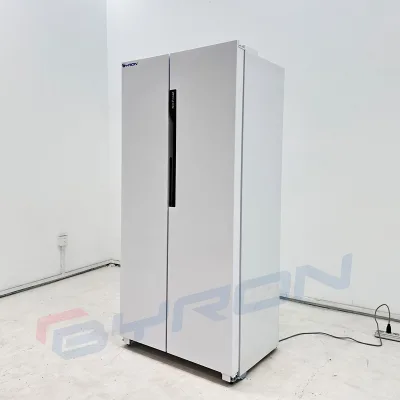


138L Customized Portable Smart Double Door Fridge Refrigerator with Water Dispenser
$95.00 - $105.00
MOQ: 192 pieces


Comprehensive Sourcing Guide
Smart Thermostat Multideck Display Fridge Sourcing Guide
Procuring a Smart Thermostat Multideck Display Fridge requires distinguishing between single-temperature beverage coolers and multi-deck units designed for broader retail applications. The observed product data reveals a split in functionality, where some units feature single doors with capacities between 101 and 200 liters, while others offer double doors and significantly larger footprints suitable for high-volume display. Buyers must carefully align their specific storage needs with the observed temperature ranges, which vary from refrigeration zones of 2 to 10 degrees Celsius to freezing environments operating between -18 and -22 degrees Celsius.
The selection process hinges on identifying the correct power source and cooling architecture for the intended installation environment. While some listed models utilize gas power sources, the majority of multideck display units rely on electricity with voltage options including 220V/50Hz or 110V/60Hz to accommodate different regional grids. Furthermore, the cooling system often employs fan cooling with auto defrost capabilities, ensuring consistent temperature distribution across multiple shelves. Understanding these fundamental operational differences is critical before engaging with suppliers to ensure the selected unit matches the specific thermal and spatial requirements of the retail space.
Product Scope and Observed Listing Signals
The market for smart thermostat multideck display fridges presents a diverse range of configurations, from compact single-door units to expansive double-door models with canopy boxes. Observed listings indicate that capacity varies significantly, with smaller units designed for drinks cooling holding between 101 and 200 liters, while larger commercial units feature dimensions exceeding two meters in height. These larger models often include advanced features such as hollow glass doors, double-layer vacuum glass, and aluminum door frames to enhance insulation and visual appeal for premium product presentation.
Buyers should note that customization is available for many of these units, allowing for tailored solutions regarding door numbers, shelf configurations, and exterior finishes. The observed color options typically include black or white painted steel exteriors, which can be matched to existing store aesthetics. Additionally, the presence of strong wheels on certain models suggests a need for mobility in dynamic retail environments, whereas fixed units with specific shelf counts, such as 15 PVC shelves, are optimized for stationary high-density storage. Verifying the exact model number, such as the DLG1250-2M or BLG1880-3M, is essential to confirm the specific physical dimensions and internal layout.
Technical Specifications to Verify
When evaluating technical specifications, the temperature control mechanism is a primary differentiator between standard and smart units. The observed data highlights the use of both computer thermostats and smart thermostats, which offer varying levels of precision and remote monitoring capabilities. Buyers must verify that the temperature range aligns with their product requirements, ensuring the unit maintains the specific 2 to 10 degrees Celsius range for fresh goods or the -18 to -22 degrees Celsius range for frozen items. The compressor type, whether a brand compressor or specific models like Donper/Secop, directly impacts energy efficiency and long-term reliability.
The cooling system architecture and evaporator type also require rigorous verification to ensure uniform temperature distribution. Most observed units utilize fan cooling systems with auto defrost functions to prevent ice buildup and maintain optimal humidity levels. The evaporator is typically a fin-type copper pipe, which is standard for efficient heat exchange. Additionally, the glass door construction, often featuring double-layer vacuum glass, plays a crucial role in thermal retention. Buyers should confirm the voltage compatibility and the presence of LED lighting, which not only illuminates products but also reduces heat generation within the display area.
Compliance and Safety Documentation
Compliance documentation is non-negotiable when sourcing commercial refrigeration equipment, as these units must meet rigorous safety and environmental standards. The observed product listings frequently cite a comprehensive suite of certifications, including CE, RoHS, ISO, CB, EMC, GS, and ETL. These certifications indicate that the electrical components, refrigerant usage, and overall construction adhere to international safety norms. Buyers must request valid certificates for each specific model to ensure that the equipment is legally compliant for import and operation in their target market.
Environmental regulations regarding refrigerants are equally critical, with observed units utilizing R134A or R600A refrigerants. These choices reflect a balance between cooling performance and environmental impact, though specific regional regulations may dictate which refrigerant is permissible. The presence of CCC and SASO certifications in some listings suggests compliance with specific regional standards, such as those in China or the Middle East. Procurement teams should verify that the provided documentation matches the actual hardware being shipped, ensuring that the safety standards for electrical insulation and pressure vessel integrity are met without exception.
Cost Drivers and Commercial Terms
The cost of a Smart Thermostat Multideck Display Fridge is driven by several key factors, including the complexity of the cooling system, the quality of the compressor, and the extent of customization. Units with smart thermostats, double-layer vacuum glass, and advanced aluminum door frames generally command higher prices than basic single-door models. The observed price range of 50 to 3960 USD reflects this disparity, with the lower end likely representing smaller, single-temperature units and the higher end corresponding to large, multi-deck commercial freezers with premium features.
Commercial terms such as Minimum Order Quantity (MOQ) and packaging specifications significantly influence the total cost of ownership. The observed MOQ ranges from 1 to 600 units, offering flexibility for small retailers while accommodating large wholesale orders. Packaging is typically done in carton boxes, which must be robust enough to protect the painted steel exterior and glass components during transit. Buyers should negotiate lead times and shipping terms carefully, as the weight and dimensions of these units, particularly those exceeding two meters in height, can impact freight costs and delivery logistics.
Supplier Qualification and Quality Control
Supplier qualification requires a thorough assessment of manufacturing capabilities and quality control processes, particularly given the technical complexity of multideck display units. Buyers should verify that the supplier has a proven track record in producing units with specific certifications like CE and ISO, which indicate adherence to international quality management systems. The origin of the products, often listed as Guangdong, China, suggests a concentration of manufacturing expertise in this region, but buyers must still validate the specific factory's capacity to maintain consistent quality across large production runs.
Quality control measures should extend beyond the final inspection to include component verification, such as the brand of the compressor and the integrity of the cooling system. The use of branded compressors like Donper or Secop is a positive indicator of reliability, but buyers should confirm that these components are genuine and sourced through authorized channels. Additionally, the construction of the door frame and the application of the painted steel finish should be inspected for durability. Establishing a clear quality assurance protocol with the supplier, including pre-shipment inspections, is essential to mitigate the risk of receiving units that do not meet the specified technical and aesthetic standards.
Long-Term Procurement Checks
Long-term procurement success depends on establishing a robust framework for ongoing maintenance and performance monitoring of the smart thermostat multideck display fridges. Buyers should prioritize suppliers who offer comprehensive after-sales support, including access to spare parts for compressors, thermostats, and cooling fans. The complexity of the smart thermostat systems means that software updates or hardware replacements may be necessary over time, making a reliable supply chain for these components critical for minimizing downtime.
Regular performance audits are also necessary to ensure that the units continue to operate within the specified temperature ranges and energy efficiency standards. Buyers should implement a schedule for checking the auto defrost cycles, verifying the integrity of the vacuum glass, and inspecting the electrical connections for signs of wear. By maintaining detailed records of maintenance activities and performance metrics, procurement teams can identify potential issues early and extend the operational lifespan of the equipment. This proactive approach ensures that the investment in smart thermostat multideck display fridges delivers consistent value and reliability over the long term.
FAQs
What temperature range does a Smart Thermostat Multideck Display Fridge maintain?
Most multideck display fridges listed here maintain a cooling range of +2 to +8 degrees Celsius or 2 to 10 degrees Celsius for chilled drinks and dairy. Some upright models in the same category operate as freezers at -18 to -22 degrees Celsius, so buyers should confirm single-temperature cooling versus freezing before ordering.
Which certifications are commonly available on these display fridges?
Listed products carry certifications including CE, RoHS, ISO, CB, EMC, GS, ETL, and in some cases CCC and SASO. Certification coverage varies by model, so buyers exporting to specific regions should confirm which certificates apply to the exact unit and request copies before placing an order.
Can I customize the Smart Thermostat Multideck Display Fridge for my store?
Yes, customization is available on the listed multideck display fridges. Buyers typically specify color options such as black or white, voltage requirements like 220V/50Hz, 220V/60Hz, or 110V/60Hz, LED lighting, shelving layout, and branding on the canopy box. Confirm customization scope, lead time, and any extra cost with the supplier before ordering.
How does the cooling system in these multideck fridges work?
The listed units use fan cooling with auto defrost, and evaporators are built with fin type copper pipe for efficient heat exchange. Fan cooling keeps temperature stable across all shelves, which matters for drinks and dairy display. Auto defrost reduces manual maintenance and keeps the glass doors and internal airflow clear during daily operation.
What voltage options are supported for overseas buyers?
The listed multideck display fridges support 220V/50Hz, 220V/60Hz, or 110V/60Hz power supplies. This covers most destination markets in Europe, Asia, the Middle East, and North America. Buyers should state their local voltage and frequency at inquiry stage so the compressor and digital temperature controller are configured correctly before shipment.
What shelving and door construction do these display fridges use?
Shelves are made of PVC or PVC coating, with some larger models fitted with 15 PVC shelves for layered product display. Doors use hollow or double layer vacuum glass with aluminum door frames, which improves insulation and visibility. Painted steel cabinets come in black or white, and LED lighting is fitted in the canopy box.
How are the fridges packed and sized for transport?
Units are packed in carton boxes for shipping. Representative dimensions include 1250*735*2090mm for two door models, 1880*705*2050mm for three door upright models, and 447*400*819mm for a compact 58L countertop unit. Buyers should verify final packed dimensions and weight so container loading and installation space can be planned accurately.
Which compressor brands are fitted in these multideck fridges?
The listed products use brand compressors, with Donper or Secop specified on several models. Compressor choice affects cooling performance, noise level, and long term serviceability. Buyers who need a specific compressor brand for spare parts availability or local service support should confirm the fitted brand for the chosen model before confirming the order.