Source Smart Thermostat Refrigerated Display Case for Gelato, Cold Storage, Freezing
Find 30 Smart Thermostat Refrigerated Display Case options featuring digital controls, single or double doors, and auto defrost. Compare specifications for cold storage and freezing applications to identify the right unit for your business needs.
Key considerations
Products List

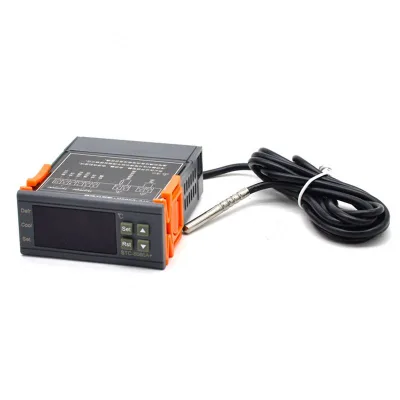
Temperature Thermostat Controller Smart Thermostat Temperature Controller
$3.69 - $11.99
MOQ: 200 Pieces


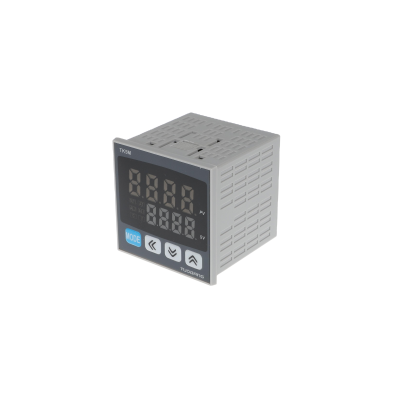
Refrigerator Cabinet Intelligent Digital Thermostat Temperature Controller
$8.50 - $8.90
MOQ: 100 Pieces




Display Case Beverage Five Door Display Case
$1950.00 - $2300.00
MOQ: 1 Pieces
Guangdong Green & Health Intelligence Cold Chain Technology Co., Ltd.


Comprehensive Sourcing Guide
Strategic Sourcing Guide for Smart Thermostat Refrigerated Display Cases
The global demand for refrigerated display solutions has intensified, driven by the need for energy efficiency and precise temperature management in retail environments. For procurement professionals targeting the core keyword "Smart Thermostat Refrigerated Display Case," the market offers a diverse array of units ranging from compact single-door models to large-capacity double-door freezers. Sourcing these units requires a disciplined approach that distinguishes between basic digital controllers and advanced smart thermostats capable of managing complex cooling cycles. This guide outlines the critical technical, compliance, and operational factors necessary for successful procurement, relying strictly on observed market data and verified product attributes.
Technical Specifications and Functional Architecture
When evaluating refrigerated display cases equipped with smart thermostats, buyers must first analyze the core functional architecture. The market data indicates a clear segmentation between units designed for general cold storage and those optimized for specific freezing applications. A primary distinction lies in the temperature control mechanism. While some units utilize standard computer thermostats, others feature advanced smart thermostats that integrate with broader cooling systems. The observed product attributes reveal that smart thermostat models often support a temperature range of -18°C to -22°C, which is critical for freezing applications such as gelato display cases or deep-freeze storage.
The cooling method is another pivotal specification. Most units in this category employ air cooling, which ensures uniform temperature distribution across the display area. However, the power source varies significantly; while the majority of units operate on electricity with voltages of 220V/110V or 220V/50Hz, some specialized models are designed to run on gas power. This variance necessitates a thorough verification of the facility's power infrastructure before placing an order. Furthermore, the door configuration plays a substantial role in thermal efficiency. The market offers both single-door and double-door options, with door types ranging from sliding mechanisms to swing doors. The choice between these configurations often depends on the available floor space and the desired customer interaction flow.
Compliance and Certification Verification
Navigating the regulatory landscape is essential for importing refrigerated display cases, particularly when dealing with electronic components like smart thermostats. The observed product attributes highlight a robust array of certifications that serve as indicators of quality and safety. Common certifications found in the market include CE, ISO, RoHS, CB, EMC, GS, and ETL. The presence of the CE mark is a baseline requirement for many markets, indicating conformity with health, safety, and environmental protection standards. Additionally, the combination of CE and UL standards suggests that the product meets rigorous electrical safety requirements, which is vital for units operating at high voltages.
Buyers must verify that the specific unit they intend to purchase carries the necessary certifications for their target market. For instance, the presence of RoHS certification confirms that the product is free from specific hazardous materials, while EMC (Electromagnetic Compatibility) and ETL (Intertek) certifications address electromagnetic interference and electrical safety, respectively. The standard "Celsius/Fahrenheit" display type mentioned in product attributes ensures that the interface is adaptable to different regional measurement systems. It is crucial to note that while some products list multiple certifications, buyers should not assume every unit in a supplier's catalog possesses all listed credentials. Verification of the specific batch or model against the provided certification documentation is a mandatory step in the procurement process.
Cost Drivers and Pricing Dynamics
The pricing of refrigerated display cases is influenced by a complex interplay of factors, including capacity, cooling technology, and the sophistication of the thermostat system. The observed market data reveals a wide price range, spanning from $1 to $6,899 USD. This broad spectrum reflects the diversity of products available, from small, basic digital thermometer panels to large, high-capacity upright freezers with advanced smart controls. The Minimum Order Quantity (MOQ) also acts as a significant cost driver, with observed ranges varying from 1 unit to 1,500 units. A specific product model, such as the STC-8080A+, lists an MOQ of 200 pieces, which can impact the unit cost for smaller buyers.
Capacity is another primary determinant of cost. Units with a capacity exceeding 501 liters generally command a higher price point due to the increased material usage and more powerful cooling systems required. The packing method also influences the final landed cost; products shipped in plywood cases or carton boxes may have different shipping and handling costs compared to those in standard boxes. Additionally, the inclusion of features such as universal wheels, LED lighting with customizable colors (blue, white, yellow), and eco-friendly attributes can add to the base price. Buyers should be aware that the "High Quality" designation often correlates with a higher price tier, but it does not guarantee a specific performance metric without independent verification.
Typical Applications and Usage Scenarios
The versatility of smart thermostat refrigerated display cases allows them to serve a wide range of applications, from household use to commercial cold storage facilities. The observed product attributes indicate that these units are frequently utilized for cold storage, freezing, and combined cold storage and freezing functions. This makes them suitable for supermarkets, convenience stores, and specialty food retailers. For example, the "Gelato Display Case" is specifically designed for frozen dessert retail, requiring precise temperature control to maintain product texture and quality.
In commercial settings, the "Type: Display Cooler" and "Type: Upright Freezer" classifications highlight the dual nature of these units. They are designed not only to preserve goods but also to enhance the visual appeal of the products through features like LED lighting and clear glass doors. The "Display Effect" is cited as a product advantage, emphasizing the importance of aesthetics in retail environments. Furthermore, the "Auto Defrost" feature is a critical specification for commercial applications, as it reduces maintenance requirements and ensures consistent performance without manual intervention. The "Single-temperature" and "Smart Thermostat" capabilities allow for precise management of the internal environment, which is essential for maintaining the integrity of sensitive food products.
Supplier Evaluation and Quality Assurance
Evaluating suppliers for refrigerated display cases requires a focus on quality assurance and after-sales support. The market data indicates that "Standard" after-sales service is a common offering, but buyers should seek suppliers who provide more comprehensive support packages. The "1 Year" warranty is a standard baseline, but the scope of this warranty should be clearly defined in the contract. Quality is described as "Good" in product attributes, yet this is a subjective observation. Buyers must rely on tangible evidence, such as the "Refrigeration" material specification and the "Digital Thermometer Panel" accuracy of 1°C, to assess the build quality.
The origin of the products is predominantly China, which is a major manufacturing hub for these units. However, the location of the factory and the logistics capabilities of the supplier are critical factors. The "Product Advantage: Display Effect" and "Feature: Eco-Friendly" suggest that suppliers are increasingly focusing on energy efficiency and visual appeal. When evaluating a supplier, buyers should request detailed technical drawings, material specifications, and test reports. The presence of a "Standard" after-sales service does not preclude the possibility of extended warranty options or on-site technical support, which should be negotiated based on the order volume and the complexity of the installation.
Long-Term Procurement and Operational Considerations
Long-term procurement success depends on understanding the lifecycle costs and operational requirements of the refrigerated display cases. The "Smart Thermostat" feature is a key differentiator, offering the potential for remote monitoring and automated adjustments that can reduce energy consumption over time. However, the complexity of these systems requires a reliable supply chain for replacement parts and technical expertise for maintenance. The "Power Supply" specifications, such as the optional 110V/60Hz for 220V/50Hz units, highlight the need for voltage compatibility checks to prevent equipment failure.
Buyers should also consider the environmental impact of their procurement decisions. The "Eco-Friendly" feature suggests that some models are designed with energy-saving technologies or environmentally friendly refrigerants. This aligns with global trends toward sustainability and may offer tax incentives or compliance benefits in certain jurisdictions. The "Defrost Type: Auto Defrost" reduces the labor costs associated with manual defrosting, which is a significant operational consideration for high-volume retail environments. Finally, the "Product Packing" method, whether in a box, carton, or plywood case, affects the durability of the unit during transit and the ease of installation at the destination.
Comparative Analysis of Key Product Attributes
To facilitate decision-making, the following table summarizes the key attributes observed in the market for smart thermostat refrigerated display cases. This comparison highlights the variability in specifications that buyers must navigate.
| Attribute Category | Observed Variations | Key Considerations for Buyers |
|---|---|---|
| Temperature Control | Computer Thermostat, Smart Thermostat | Verify compatibility with existing BMS; check for remote monitoring capabilities. |
| Temperature Range | -18°C to -22°C | Ensure the range matches the specific product being stored (e.g., gelato vs. general frozen goods). |
| Door Configuration | Single Door, Double Doors | Assess floor space and customer traffic flow; sliding vs. swing door mechanics. |
| Power Source | Electricity, Gas | Confirm facility power availability; check voltage requirements (220V/110V). |
| Cooling Method | Air Cooling | Verify uniformity of cooling; check for air circulation obstructions. |
| Certifications | CE, ISO, RoHS, ETL, GS, EMC | Match certifications to local regulatory requirements; verify specific model compliance. |
| Capacity | >501L (Upright Freezer) | Calculate storage needs; consider future expansion requirements. |
| Warranty | 1 Year (Standard) | Clarify coverage scope; negotiate extended terms for high-volume orders. |
Conclusion
Sourcing smart thermostat refrigerated display cases is a multifaceted process that requires careful attention to technical specifications, regulatory compliance, and supplier reliability. The market offers a wide range of options, from basic digital units to advanced smart systems with eco-friendly features. By adhering to the verified facts provided and conducting rigorous due diligence, buyers can make informed decisions that align with their operational needs and budget constraints. The key to success lies in understanding the specific requirements of the application, verifying the authenticity of certifications, and establishing a clear communication channel with suppliers regarding after-sales support and warranty terms. As the market continues to evolve, staying informed about the latest technological advancements and regulatory changes will be essential for maintaining a competitive edge in the procurement of refrigerated display solutions.
FAQs
What certifications do smart thermostat refrigerated display cases typically have?
These units commonly carry CE, ISO, RoHS, CB, EMC, GS, and ETL certifications. Buyers must verify that the specific model matches their target market's regulatory requirements before ordering.
How does the temperature range vary for these display cases?
Many models support a freezing range of -18°C to -22°C for applications like gelato storage. Some units are designed for single-temperature control while others handle combined cold storage and freezing functions.
Which power sources are available for smart thermostat refrigerated display cases?
Most units operate on electricity with voltages of 220V/110V or 220V/50Hz. However, some specialized models are designed to run on gas power, requiring infrastructure verification.
Can I find these cases with customizable door configurations?
Yes, options include single or double doors with sliding or swing mechanisms. The choice depends on floor space and customer interaction flow in the retail environment.
What is the typical warranty period for these refrigerated display units?
A standard one-year warranty is commonly offered for these products. Buyers should clarify the specific coverage scope and negotiate extended terms for high-volume orders.
How is the cooling method implemented in these smart thermostat units?
Air cooling is the standard method to ensure uniform temperature distribution across the display area. This system works in conjunction with auto defrost features to reduce maintenance.
What is the minimum order quantity for these display cases?
MOQs vary significantly, ranging from 1 unit to 1,500 units depending on the supplier. Specific models like the STC-8080A+ may require a minimum order of 200 pieces.