Source Smart TV Box for Streaming, Gaming, and IPTV
Explore 30 verified Smart TV Box options from Chinese manufacturers. Buyers can compare models like T96, X96M, and H10 based on RAM, ROM, and certification standards to find the right device for streaming, gaming, or IPTV applications; compare the available evidence and request quotations based on your requirements.
Key considerations
Products List


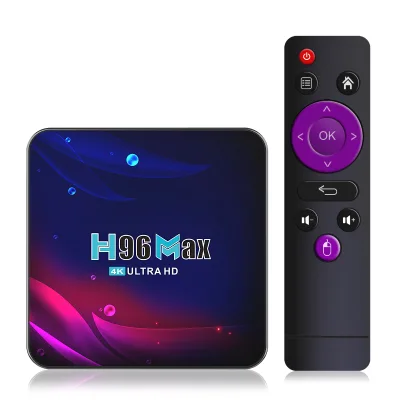
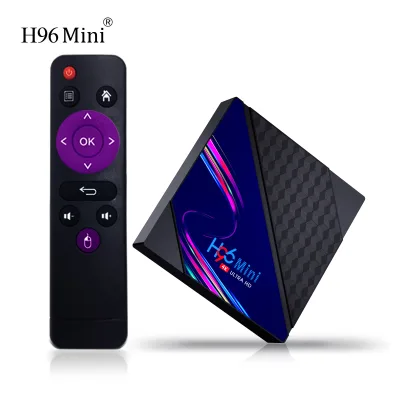


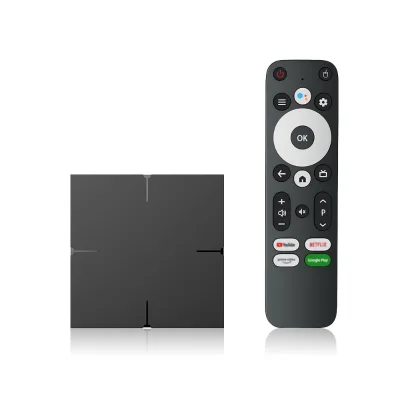

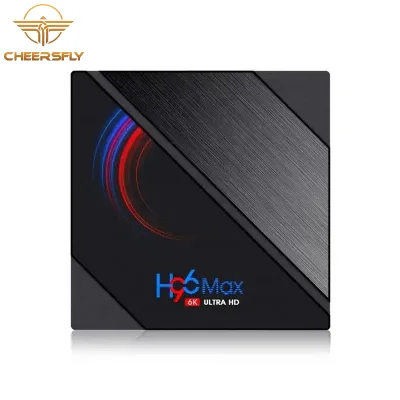


Comprehensive Sourcing Guide
Smart TV Box Sourcing Guide
Sourcing smart TV boxes requires a disciplined approach to aligning technical capabilities with regional regulatory requirements and end-user expectations. Buyers must navigate a fragmented market where product models often share similar hardware platforms but differ significantly in software licensing, tuner configurations, and certification status. The core keyword "Smart TV Box" encompasses a wide range of devices, from basic streaming sticks to advanced set-top boxes with integrated digital television tuners. Understanding these distinctions is critical for avoiding procurement errors that lead to non-compliance or poor user experience in the target market.
This guide provides a structured framework for evaluating suppliers and products based on observed market signals and technical realities. It emphasizes the importance of verifying specific attributes such as CPU certifications, memory configurations, and supported standards before committing to large orders. By focusing on evidence-based verification steps, procurement teams can mitigate risks associated with counterfeit components, unverified performance claims, and inconsistent build quality. The following sections detail the essential checks required to secure a reliable supply chain for Smart TV Box products.
Product Scope and Observed Listing Signals
The observed product landscape reveals a diverse array of smart TV boxes, with models ranging from the T96 series to specialized DVB and ISDB T devices. Listings indicate a price range of 2 to 1300 USD, reflecting variations in hardware complexity, such as the inclusion of quad-core Rockchip processors or high-resolution 4K/8K decoding capabilities. Buyers should note that models like the T96 D and T96 C are frequently associated with IPTV functions, while others like the H10 and ISDB T variants focus on digital broadcast reception. This diversity necessitates careful filtering to identify products that match specific functional requirements, such as one-way versus two-way communication capabilities.
Observed minimum order quantities (MOQ) vary between 1 and 1000 units, suggesting flexibility for both small-scale testing and large-volume deployments. Packaging details, such as color boxes or single-unit packaging, provide insights into the supplier’s readiness for retail or direct distribution channels. Additionally, the presence of customization options indicates that many manufacturers are willing to adapt software interfaces or hardware configurations to meet specific brand requirements. Buyers must verify these customization claims directly with suppliers, as listing descriptions may not always reflect the actual feasibility or cost implications of such modifications.
Technical Specifications to Verify
Technical verification begins with the central processing unit and its associated certifications, which are critical for performance and regulatory compliance. Observed specifications include certifications such as CE, RoHS, CCC, FCC, and ISO, which must be validated against the specific model being procured. For instance, some listings associate ISO certification with the CPU, while others list broader product certifications. Buyers should request detailed datasheets that confirm the processor core type, such as the Quad Core Rockchip RK3318, and verify the memory architecture, including RAM types like 2GB DDR3 and flash storage capacities ranging from 8GB to 64GB.
Network connectivity and tuner specifications are equally important for ensuring seamless integration into existing infrastructure. Listings mention support for 2.4G/5G dual-band Wi-Fi and 10/100MBps Ethernet ports, which are standard for modern smart TV boxes. However, buyers must confirm the exact tuner types, such as the Rafael R836, and demodulator standards like DVB-T, DVB-C, or ISDB T, depending on regional broadcast requirements. Additionally, resolution support, including 4K at 4096x2304@60fps, should be verified to ensure compatibility with high-definition displays. These technical details directly impact user experience and should be rigorously tested before mass procurement.
Compliance and Safety Documentation
Regulatory compliance is a non-negotiable aspect of sourcing smart TV boxes, particularly when entering markets with strict electronic safety standards. Buyers must ensure that each product model carries the necessary certifications for its target region, such as CE for Europe, FCC for the United States, and CCC for China. The observed listings show varying combinations of these certifications, highlighting the need for model-specific verification. It is essential to obtain valid certification documents from accredited testing laboratories, as self-declared compliance may not hold up during customs inspections or market surveillance audits.
Beyond hardware certifications, software and data privacy compliance must also be addressed. Smart TV boxes often run Android-based operating systems that require adherence to local data protection regulations. Buyers should verify that the pre-installed software does not contain unauthorized applications or backdoors that could compromise user security. Additionally, energy efficiency standards, such as those related to standby power consumption, should be checked to ensure alignment with environmental regulations. Proper documentation of these compliance aspects is crucial for maintaining brand reputation and avoiding legal liabilities in international trade.
Cost Drivers and Commercial Terms
The cost of smart TV boxes is influenced by several key factors, including the quality of internal components, software licensing fees, and the level of customization required. High-end models with quad-core processors and 4K/8K decoding capabilities typically command higher prices, while basic IPTV boxes remain more affordable. Buyers should analyze the total cost of ownership, which includes not only the unit price but also shipping, tariffs, and potential costs for software updates or maintenance. The observed price range of 2 to 1300 USD reflects these variations, and buyers must balance budget constraints with performance expectations.
Commercial terms, such as MOQs and payment conditions, also play a significant role in procurement strategy. Suppliers offering low MOQs may charge higher unit prices, while bulk orders often come with discounts but require larger upfront commitments. Buyers should negotiate clear terms regarding warranty periods, return policies, and liability for defective units. Additionally, the supply ability of the manufacturer, such as the observed capacity of 120,000 sets per month, should be considered to ensure consistent availability during peak demand periods. Transparent communication about these commercial terms helps prevent misunderstandings and ensures a smoother procurement process.
Supplier Qualification and Quality Control
Supplier qualification involves assessing the manufacturer’s production capabilities, quality management systems, and track record in the industry. Buyers should verify the supplier’s location, such as Guangdong, China, and evaluate their facility’s capacity to maintain consistent quality across large production runs. The presence of private molds and specific packaging standards, like color boxes, indicates a level of manufacturing sophistication that can be leveraged for brand differentiation. However, buyers must conduct on-site audits or request third-party inspection reports to confirm that these capabilities are genuine and consistently applied.
Quality control processes must be rigorously defined and enforced throughout the production cycle. Buyers should establish clear acceptance criteria for incoming materials, in-process inspections, and final product testing. This includes verifying the integrity of components like the demodulator chip set and the tuner module, as well as testing the device’s performance under various network conditions. Implementing a robust quality assurance plan helps identify and rectify defects early, reducing the risk of costly recalls or customer complaints. Regular communication with the supplier regarding quality metrics ensures continuous improvement and alignment with buyer expectations.
Long-Term Procurement Checks
Long-term procurement success depends on establishing a sustainable relationship with suppliers and continuously monitoring product performance in the field. Buyers should implement a feedback loop to track customer satisfaction, warranty claims, and technical issues reported after deployment. This data can inform future purchasing decisions, such as upgrading to newer models or adjusting specifications to better meet user needs. Additionally, staying informed about emerging technologies and regulatory changes ensures that the procured smart TV boxes remain relevant and compliant over time.
Regular supplier reviews are essential to maintain high standards of quality and service. Buyers should evaluate suppliers based on their responsiveness, ability to innovate, and commitment to ethical manufacturing practices. Building a diversified supplier base can mitigate risks associated with single-source dependencies, such as production delays or quality inconsistencies. By fostering collaborative partnerships and maintaining open lines of communication, buyers can secure a reliable supply of smart TV boxes that support their business objectives and deliver value to end-users.
FAQs
What certifications do Smart TV Box products typically carry?
Listed Smart TV Box products commonly carry CE and RoHS certification, with some listings also showing CCC, FCC, or ISO. Certification varies by product and manufacturer, so buyers should confirm the exact certificates for the specific model and request documentation before ordering. This is especially important for regulated markets where CE, FCC, or CCC approval is required for import.
Which processor is used in the listed Android Smart TV Box models?
Several listed models use the Rockchip RK3318 quad-core processor, such as the ATV Box wholesale model. This chip supports 4K resolution output at 4096x2304@60fps, 2.4G/5G dual WiFi, and a 10/100 standard RJ-45 Ethernet port. Buyers needing different performance levels can compare other listed models, since specifications like RAM, ROM, and processor vary across products.
What memory and storage configurations are available for Smart TV Box units?
Configurations differ across listings. One model offers 2GB RAM with 8GB ROM, another lists 2GB DDR3 memory, and a 2025 smart Android TV box lists ROM options of 16GB, 32GB, and 64GB. Buyers should confirm the exact RAM and storage combination for each model before ordering, as memory directly affects streaming performance and app capacity on the device.
Can Smart TV Box products be customized for my brand?
Yes, customization is marked as available on the listings, and some products use a private mold, meaning the housing design can support custom branding. Typical options may include logo printing and packaging changes, though exact capabilities depend on the manufacturer. Buyers should discuss customization scope, artwork requirements, and any additional cost with the supplier before confirming a purchase order.
How are Smart TV Box products packed for shipping?
Listed products are packed in color boxes, which suits retail display and protects the unit during transit. One listing notes a single package size of 18X11X6.5 cm, which helps buyers estimate carton dimensions and shipping volume. Buyers planning retail distribution should confirm carton quantities, box artwork options, and any special packing requirements directly with the manufacturer before shipment.
What is the production capacity for Smart TV Box orders?
One listed product shows a supply ability of 120000 sets per month, indicating large-volume production is possible from that manufacturer. Actual available capacity depends on the specific supplier, current order backlog, and order size. Buyers with urgent timelines should ask each manufacturer to confirm current monthly output, production scheduling, and lead times for their requested quantity before placing an order.
Where are these Smart TV Box products manufactured?
The products originate from China, with one listing specifying Guangdong as the place of origin. Guangdong is a major electronics manufacturing region, which supports component availability and production scale. Buyers should confirm the exact origin for each model, since origin affects shipping routes, customs clearance, and landed cost, and should verify all details with the specific manufacturer before ordering.
How do I choose between DVB and IPTV Smart TV Box models?
Listed products cover different functions: some support IPTV, while others are DVB type with standards such as DVB-T or DVB-C, and one model lists one-way and two-way functions. Choose IPTV models for internet-based streaming and DVB models for terrestrial or cable broadcast reception. Buyers should confirm the tuner, demodulator type, and standard supported by each model to match their market.