Source High Gain Indoor TV Antenna for Home, Office, and Travel
Explore 30 High Gain Indoor TV Antenna options from Guangdong suppliers. Compare models like BGLD-S41 and S49, featuring ABS or copper materials, 75Ω impedance, and 1-year warranties for reliable HD reception; compare the available evidence and request quotations based on your requirements.
Key considerations
Products List
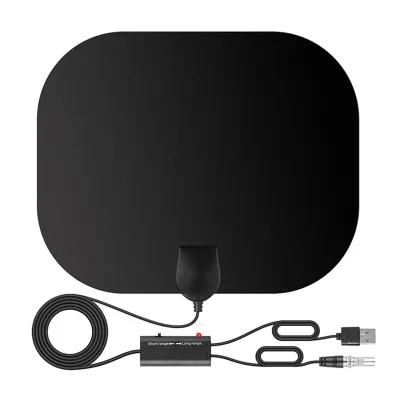
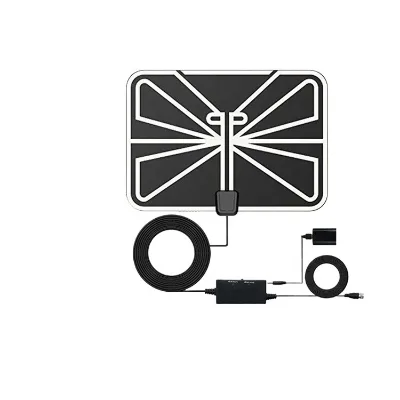
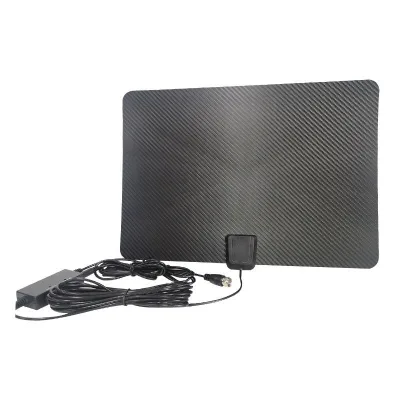
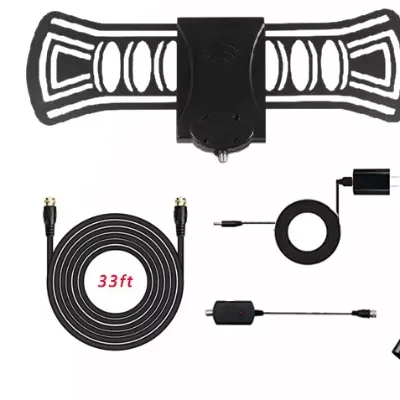
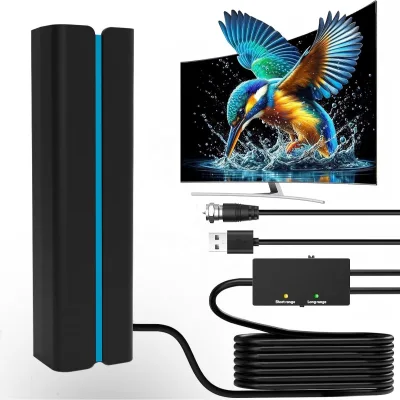


$0.30 - $1.50
MOQ: 500 Pieces


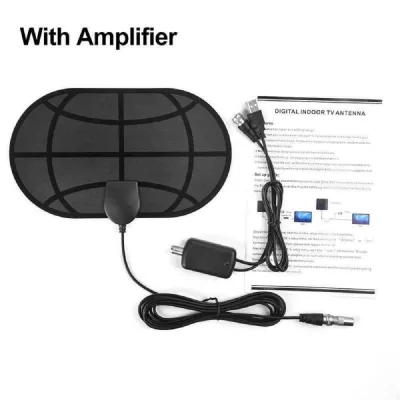


High Performance Directional WiFi Antenna Digital TV Antenna for Strong Signal
$47.24 - $52.56
MOQ: 150 Pieces


Comprehensive Sourcing Guide
High Gain Indoor TV Antenna Sourcing Guide
Procuring high gain indoor TV antennas requires a strategic approach that balances signal reception capabilities with physical design constraints. Buyers must first define the specific reception environment, as indoor antennas rely heavily on proximity to broadcast towers and minimal physical obstructions. The core value proposition lies in the antenna’s ability to capture weak digital signals, converting them into clear HD or 4K video without the need for external mounting infrastructure. This makes them ideal for urban apartments, hotels, and temporary housing where rooftop installations are impractical or prohibited.
Sourcing decisions should also account for the diversity of product listings available in the market. Current observations indicate a wide range of models, from basic portable units to more complex directional arrays. Buyers need to navigate this variety by focusing on key performance indicators such as impedance matching, frequency range, and material durability. Understanding these technical nuances ensures that the selected antenna meets the specific regulatory and performance standards of the target market, whether it is North America, Europe, or Asia.
Product Scope and Observed Listing Signals
The current market for indoor TV antennas features a diverse array of products designed for both indoor and outdoor use. Listings frequently highlight features such as high gain, portability, and compatibility with ATSC standards, which are critical for digital television reception in regions like the United States. Products are often constructed from durable materials like ABS plastic or copper, ensuring longevity and effective signal transmission. The observed product names emphasize keywords such as "high definition," "smart," and "digital," reflecting consumer demand for superior picture quality and ease of use.
Observed listing signals reveal significant variation in minimum order quantities (MOQ) and pricing structures. MOQs range from as low as one piece for sample orders to 500 pieces for bulk commercial purchases, with common thresholds at 10, 20, and 100 pieces. This flexibility allows buyers to test market response before committing to large volumes. Additionally, the presence of specific model numbers, such as BGLD-S41 or BGLD-S52, indicates a standardized manufacturing process, which can simplify quality control and replacement part management for procurement teams.
Technical Specifications to Verify
Impedance matching is a critical technical specification that must be verified to ensure optimal signal transfer between the antenna and the television. Most modern indoor antennas operate at a standard impedance of 75Ω, which is the industry norm for coaxial cable connections. Buyers should confirm that the product specifications explicitly state this impedance to avoid signal reflection and loss. Additionally, the Voltage Standing Wave Ratio (VSWR) is a key indicator of efficiency, with lower values generally indicating better performance. Listings often cite VSWR values below 1.5 or within the 1.5 to 2 range, which are acceptable for most consumer applications.
Frequency range and directionality are other essential parameters to evaluate. Indoor antennas may be omnidirectional or directional, with directional antennas offering higher gain by focusing on specific broadcast towers. Buyers should verify the operating wavelength, which often includes microwave and medium wave bands, to ensure compatibility with local broadcast frequencies. The dimensionality of the antenna, typically two-dimensional for flat panel designs, also affects installation flexibility. Confirming these details helps prevent mismatches between the antenna’s capabilities and the local signal environment.
Compliance and Safety Documentation
Regulatory compliance is non-negotiable when sourcing electronic components for international markets. Buyers must ensure that the antennas meet the relevant radio frequency interference (RFI) and electromagnetic compatibility (EMC) standards of the destination country. For instance, products intended for the US market must comply with Federal Communications Commission (FCC) regulations, while those for Europe require CE marking. Although specific certification documents are not always listed in initial product descriptions, suppliers should be able to provide test reports or certificates upon request to verify compliance.
Safety documentation also includes information on material composition and electrical safety. Antennas constructed from ABS plastic or copper should be free from hazardous substances, adhering to standards like RoHS in many regions. Buyers should request material safety data sheets (MSDSS) to confirm that the manufacturing process does not introduce toxic elements. Additionally, warranty terms, often listed as one year, provide a layer of protection against manufacturing defects. Understanding these compliance and safety requirements helps mitigate legal risks and ensures product reliability for end-users.
Cost Drivers and Commercial Terms
Several factors influence the final cost of high gain indoor TV antennas, including material costs, manufacturing complexity, and order volume. The use of copper conductors and ABS casings contributes to the base price, while additional features like integrated amplifiers or smart tuning mechanisms can increase costs. Minimum order quantities play a significant role in pricing, with lower MOQs typically commanding higher per-unit prices. Buyers can leverage this by negotiating tiered pricing structures that reward larger commitments, thereby reducing the average cost per unit.
Commercial terms such as delivery time and payment conditions also impact the total cost of ownership. Standard delivery times for these products often range from 7 to 15 days, depending on stock availability and shipping method. Buyers should clarify whether these timelines include production time or only shipping duration. Additionally, packaging methods, such as polybag or retail box, can affect logistics costs and product protection during transit. Understanding these commercial variables allows for more accurate budgeting and supply chain planning.
Supplier Qualification and Quality Control
Evaluating supplier qualifications is essential for ensuring consistent product quality and reliable service. Buyers should prioritize suppliers with a proven track record in manufacturing electronic components, particularly those specializing in antennas. Verification of the supplier’s production capabilities, including quality control processes and testing equipment, is crucial. Suppliers located in established manufacturing hubs, such as Guangdong, China, often have access to robust supply chains and skilled labor, which can enhance production efficiency and product consistency.
Quality control measures should be explicitly defined in the procurement agreement. This includes pre-shipment inspections, random sampling tests, and verification of key specifications like impedance and VSWR. Buyers should also assess the supplier’s ability to handle defects and provide timely replacements under warranty. Establishing clear communication channels and regular performance reviews helps maintain high standards. By focusing on supplier reliability and quality assurance, buyers can minimize the risk of receiving substandard products and ensure customer satisfaction.
Long-Term Procurement Checks
Long-term procurement success depends on continuous monitoring of product performance and market trends. Buyers should regularly review customer feedback and return rates to identify any recurring issues with signal reception or durability. This data can inform future purchasing decisions and help negotiate better terms with suppliers. Additionally, staying informed about changes in broadcast standards and frequency allocations is vital, as these shifts can impact the relevance and performance of existing antenna models.
Building a resilient supply chain involves diversifying suppliers and maintaining safety stock for high-demand items. Regular audits of supplier performance, including delivery times and quality metrics, help identify potential risks early. Buyers should also explore opportunities for product innovation, such as antennas with enhanced gain or multi-band capabilities, to stay competitive. By adopting a proactive approach to procurement, buyers can ensure a steady supply of high-quality antennas that meet evolving consumer needs and regulatory requirements.
FAQs
What is the warranty period for these antennas?
The warranty period is one year for most models listed. This coverage applies to the Bogelanda brand products including models BGLD-S41 and BGLD-S54. Buyers should verify specific terms with the supplier before placing large orders to ensure full protection.
Can I find antennas with a minimum order quantity of 10 pieces?
Yes, some models like BGLD-S41 and BGLD-S49 have a minimum order quantity of 10 pieces. Other variants may require 20 or 100 pieces depending on the specific model number. Buyers should check the product details page for the exact MOQ required for their selected item.
Where are these high gain indoor tv antennas manufactured?
These antennas are manufactured in Guangdong, China. The product origin is confirmed as China for the listed items. This location is consistent across the various models including the ABS and copper material variants available for indoor and outdoor use.
How long does delivery take for these products?
The standard delivery time is between 7 to 15 days. This lead time applies to the listed products from the supplier. Buyers should confirm current shipping schedules as transit times may vary based on the destination country and specific logistics arrangements.
What materials are used to construct these antennas?
The antennas are constructed using ABS plastic or copper materials. Specific models like BGLD-S35 utilize copper while others use ABS for the housing. The choice of material affects durability and signal reception performance for different indoor and outdoor environments.
Which models support ATSC compatibility for digital TV?
Models such as BGLD-S49 and BGLD-S35 support ATSC compatibility for digital TV reception. These units are designed to receive high-definition signals effectively. Buyers looking for American indoor reception should specifically verify the ATSC feature in the product specifications.
What is the impedance rating for these TV antennas?
The impedance rating for these antennas is 75 ohms. This standard impedance ensures compatibility with most television inputs and coaxial cables. It is a consistent specification across the listed high gain indoor digital antenna models.