Source Smoked Salt Sweet Barbecue Seasoning for grilling, skewers, and roasting
Find 30 verified options for Smoked Salt Sweet Barbecue Seasoning suitable for grilling, skewers, and roasting. Compare specifications, certifications, and pricing from multiple suppliers to select the right blend for your business needs.
Key considerations
Products List
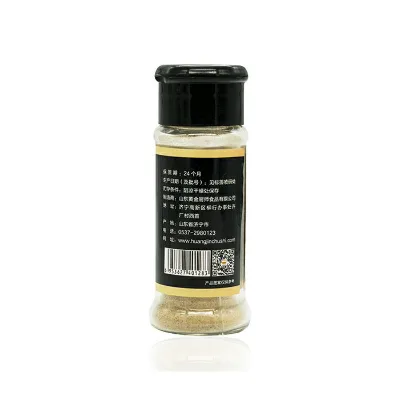
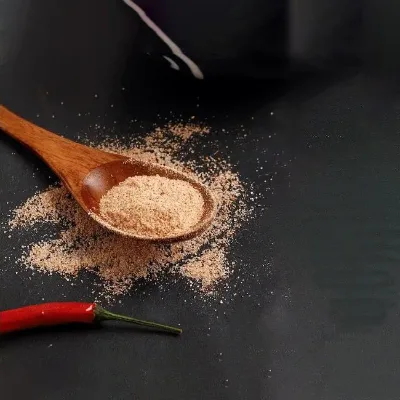
Customized 45g Plastic-Bottled Packaging Spiced Salt Chinese BBQ Skewer Seasoning
$0.50 - $5.00
MOQ: 1000 Minimum

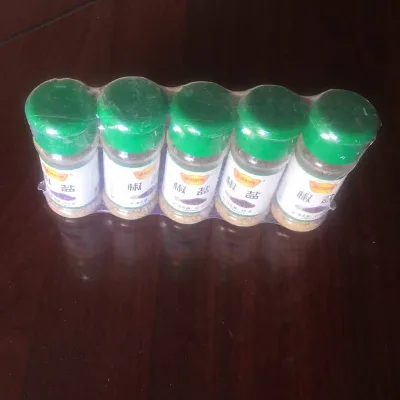
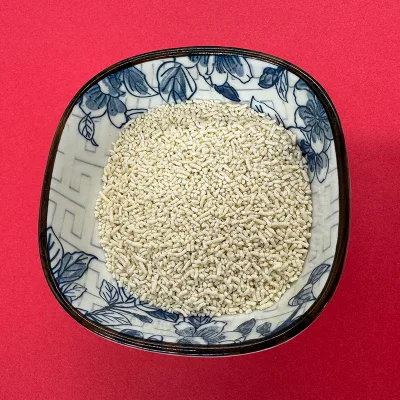


Chinese Non-Toxic Barbecue and Sweet Pepper Seasoning for Daily Cooking
$900.00 - $2700.00
MOQ: 16 Tons


New Flavor Marinade Seasoning Powder Mixed Spices & Seasonings for Cooking & Barbecue
$1300.00 - $1500.00
MOQ: 1 Tons


Comprehensive Sourcing Guide
Strategic Sourcing Guide for Smoked Salt Sweet Barbecue Seasoning
Understanding Product Composition and Technical Specifications
When sourcing a product described as "Smoked Salt Sweet Barbecue Seasoning," buyers must first distinguish between the broad category of barbecue seasonings and the specific flavor profile requested. The supplied product data indicates a market populated by various "compound seasonings" and "mixed spices & seasonings" that often feature specific flavor profiles such as "sweet and sour" or "sweet and hot." While the exact term "smoked salt" does not appear as a standalone verified attribute in the provided dataset, the presence of ingredients like "Zanthoxylum bungeanum" (Sichuan pepper), salt, and MSG suggests a complex flavor base typical of Chinese barbecue applications.
The physical form of these products is consistently observed as "powder" with a "brown" color, classified under "dried" styles. The processing type varies, with some entries noting "blended" processes for dry mixes and others indicating "brewed" processes for sauce-based alternatives. Buyers should verify whether the specific "smoked" characteristic is achieved through the inclusion of smoked spices, liquid smoke additives, or a specific curing process, as the provided data lists "Zero Additives" as a potential feature for some variants, which would preclude the use of artificial smoke flavorings. The specifications for these items range widely, from small retail units of "45g/bottle" to bulk industrial sizes of "50g~10kg" or even larger palletized quantities. The single package size observed in the data is substantial, recorded as "385X245X155 cm," which likely refers to a master carton dimension rather than the individual consumer unit. Understanding these dimensional and weight variances is critical for logistics planning, as the single gross weight for a standard unit is noted as "4.000 kg," indicating significant density in the packaging.
Compliance, Certification, and Regulatory Standards
For international procurement, particularly in the food and beverage sector, verifying compliance is non-negotiable. The available data highlights a range of certifications that suppliers may possess, including "HACCP," "FDA," "BRC," "ISO," "Halal," and "Kosher." These certifications are not universal across all listed products; some entries list specific combinations like "HACCP, FDA, BRC," while others include "ISO, HACCP, Brc, Halal, Kosher." Buyers must explicitly request proof of these certifications for the specific SKU they intend to purchase, as the presence of one does not guarantee the presence of others.
The "food grade" material status is a fundamental requirement for all edible seasonings. The data also mentions "Non-GMO" as a recurring feature, which is increasingly important for markets in North America and Europe. However, the "Zero Additives" claim requires careful scrutiny. If a product claims to be additive-free, the buyer must verify that the "smoked" flavor is derived naturally rather than through chemical additives, as this impacts both regulatory compliance and consumer perception. Furthermore, the "Standard" field in the data shows variations like "120g or size as you like" and "50g~10kg," suggesting that while some products adhere to fixed standards, others offer high levels of customization. Buyers should confirm that any custom formulation still meets the destination country's food safety standards, such as the FDA regulations in the US or EU food safety laws.
Cost Drivers and Pricing Dynamics
The pricing structure for barbecue seasonings is influenced by several variables, including the complexity of the flavor profile, the packaging material, and the order volume. The observed price range in the market is extensive, spanning from "0.39" to "4000" USD. This wide disparity is likely due to the difference between small retail units and large industrial bulk orders, as well as the inclusion of premium certifications or custom branding. The Minimum Order Quantity (MOQ) also plays a significant role in cost efficiency, with observed ranges from "1" to "5000" units.
Buyers should anticipate that lower unit prices will correlate with higher MOQs. The data indicates that "Customization" is available, which often incurs additional costs for mold creation, label design, and formulation adjustments. Packaging materials vary between "Plastic," "Glass Jars," and "Bags," with glass generally commanding a higher price point due to fragility and weight. The "Selling Units" are listed as "Single item," but the packaging method involves "Glass Jars Into Trays or Cartons by Using Pallet," indicating that the unit price must be evaluated against the total landed cost, including palletization and shipping. Buyers must also consider the "Shelf Life," which ranges from "12-23 Months" to "24 months," as longer shelf life may require more expensive preservatives or packaging technologies, influencing the final cost.
Typical Applications and Market Segmentation
The primary application for these seasonings is "Cooking," specifically for "BBQ" and "Barbecue Skewer" preparations. The data explicitly mentions "for bbq" in the instructions for use and identifies the product type as "Barbecue Seasoning" or "Chinese BBQ Skewer Seasoning." The flavor profiles noted, such as "Sweet and Sour" or "Sweet and Hot," suggest versatility in culinary applications, ranging from marinades to dry rubs. The "Main Industries" identified include "Restaurant," "Supermarket," and the "Food Industry," indicating that these products serve both B2B commercial kitchens and B2C retail consumers.
The "Kind" of product varies between "Sauce" and "Powder," allowing buyers to source based on the end-user's preparation method. For instance, a restaurant might prefer a pre-blended powder for speed, while a home cook might prefer a sauce for ease of application. The "Private Name" acceptance suggests that these products are suitable for private label manufacturing, where brands can repackage generic seasonings under their own name. This is particularly relevant for supermarket chains or food service distributors looking to create exclusive product lines. The "Place of Origin" is consistently "Shandong, China," a region known for its agricultural output and food processing capabilities, which may influence the perceived authenticity of the flavor profile, particularly for Asian-style barbecue seasonings.
Supplier Evaluation and Verification Protocols
Evaluating a supplier for barbecue seasoning requires a multi-faceted approach. The data identifies "Shandong golden chef foods co.,ltd" as a manufacturer, but buyers should not limit their search to this single entity. Instead, they should verify the "Manufacturer" details for each potential supplier to ensure they are dealing with the actual producer rather than a trading company. The "Address" provided is "Jining," which is within the Shandong province, and buyers should confirm that the physical location matches the claimed origin to avoid fraud.
Key evaluation criteria include the supplier's ability to provide "Free Sample" units, which allows for sensory testing of the "smoked salt sweet" profile. Buyers should also assess the "Storage Method," which is listed as "Normal" or "keep in dry and cool place," to ensure the supplier has adequate warehousing facilities that prevent moisture damage, which can degrade the quality of powdered seasonings. The "Processing Type" (Blended vs. Brewed) should be verified to ensure the production method aligns with the desired product characteristics. Additionally, the "Customization" capability should be tested by requesting a sample with specific modifications to ensure the supplier can meet unique requirements.
Quality Control and Performance Verification
Quality control in the seasoning industry focuses on consistency, safety, and sensory attributes. Buyers must verify the "Ingredients" list, which in the provided data includes "Zanthoxylum bungeanum, salt, seame, msg." The presence of MSG (monosodium glutamate) is a specific formulation choice that must be disclosed and accepted by the target market. For "Zero Additives" claims, buyers must demand third-party lab reports confirming the absence of artificial flavors or preservatives.
The "Color" is specified as "brown," and buyers should establish a color standard to ensure batch-to-batch consistency. The "Shape" is "Powder," and particle size distribution can affect the dissolution rate and coating ability on food items. Shelf life verification is crucial; while the data lists "24 months" and "12-23 Months," buyers should conduct stability testing to confirm these dates under their specific storage conditions. The "Storage Type" recommendation to "keep in dry and cool place" must be communicated clearly to the supply chain to prevent clumping or microbial growth. For products labeled as "Non-GMO," buyers should request certificates of analysis (COA) from the raw material suppliers to ensure the entire supply chain adheres to non-GMO standards.
Long-Term Procurement and Supply Chain Resilience
Sourcing barbecue seasonings for long-term contracts requires a focus on supply chain stability and scalability. The "Lead time" is not explicitly provided in the data, but buyers should negotiate clear timelines based on the "MOQ" and "Customization" requirements. The "Single package size" of "385X245X155 cm" suggests that logistics planning must account for large volume shipments, potentially requiring specialized freight arrangements.
Buyers should consider the "Variety" of the product, which includes "compound seasonings" and "BBQ seasonings," to ensure the supplier can pivot if market trends shift. The "Specification" field shows a range of "100-249g" and "250-499g," indicating that the supplier can accommodate different market segments. For long-term partnerships, buyers should establish a framework for regular quality audits and periodic re-certification of the supplier's "HACCP," "ISO," and "BRC" status. The ability to offer "Private Name" services is a significant advantage for building brand loyalty, but it requires strict confidentiality agreements and consistent quality control to maintain brand reputation. Finally, buyers should monitor the "Place of Origin" and "Manufacturer" stability to mitigate risks associated with geopolitical shifts or changes in local agricultural conditions that could impact raw material availability.
FAQs
What ingredients are typically found in this seasoning?
The seasoning typically contains Zanthoxylum bungeanum, salt, sesame, and MSG. Buyers should verify the exact ingredient list as formulations vary, and some options may feature zero additives or non-GMO claims depending on the specific manufacturer.
Which certifications do suppliers usually hold for this product?
Suppliers often hold HACCP, FDA, BRC, ISO, Halal, and Kosher certifications. Buyers must request proof of specific certifications for their chosen SKU, as not every listed product possesses the full range of safety and quality standards mentioned in general listings.
How is the product packaged for bulk shipping?
Products are commonly packed in plastic bottles or bags, often placed in glass jars within trays on pallets. The single package size can reach 385x245x155 cm, indicating large master cartons, while individual units range from 45g to 10kg depending on customization.
Can buyers request custom branding and private labels?
Yes, private labeling and customization are available for many suppliers. Buyers can often specify packaging sizes like 120g or 50g to 10kg, but they must confirm that custom formulations still meet destination country food safety standards and regulatory requirements.
What is the shelf life of these barbecue seasonings?
Shelf life typically ranges from 12 to 24 months depending on the specific product variant. Buyers should store items in a dry and cool place to maintain quality, as moisture can degrade the powder texture and flavor profile over time.
Where are these products manufactured and what is the origin?
These products are primarily manufactured in Shandong, China, with specific locations like Jining noted. Buyers should verify the manufacturer details to ensure they are dealing with the actual producer, such as Shandong Golden Chef Foods Co., Ltd, rather than a trading company.