Source Jungle Wooden Building Blocks for Playrooms, Schools, and Retail
Find and compare 30 Jungle Wooden Building Blocks from verified Chinese manufacturers. Evaluate options based on ASTM and EN71 certifications, eco-friendly materials, and customization capabilities for educational and recreational use.
Key considerations
Products List

Wooden Educational Toys Wooden Building Blocks Construction Blocks Wooden Bricks
$25.47 - $27.36
MOQ: 500 Pieces


Creative 3D Solid Wooden Building Blocks for Children's Early Education Building Blocks
$3.80 - $4.00
MOQ: 100 Pieces


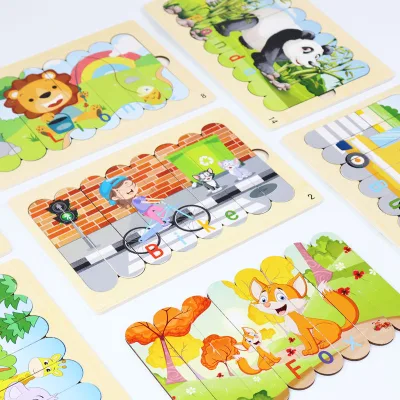


Comprehensive Sourcing Guide
Jungle Wooden Building Blocks Sourcing Guide
Sourcing jungle-themed wooden building blocks requires a careful balance between aesthetic appeal, structural integrity, and strict adherence to international safety standards. These toys are designed to stimulate early childhood development through open-ended play, allowing children to construct various structures while enhancing fine motor skills and spatial reasoning. The "jungle" theme typically incorporates elements such as animal figures, trees, and natural textures, which must be crafted from high-quality, sustainable wood to ensure durability and safety. Buyers must prioritize suppliers who demonstrate a clear understanding of both the creative design aspects and the rigorous manufacturing requirements necessary for products intended for young children.
The procurement process for these items involves navigating a diverse supplier landscape, primarily concentrated in manufacturing hubs like Zhejiang and Jinhua in China. These regions are known for their robust woodworking industries and experience in producing educational toys that meet global export standards. Buyers should focus on evaluating suppliers based on their customization capabilities, material sourcing transparency, and compliance with major certification frameworks. Understanding the specific attributes of the product, such as age appropriateness and functional design, is crucial for selecting the right partner who can deliver products that resonate with target markets while maintaining consistent quality across large production runs.
Product Scope and Observed Listing Signals
The market for Jungle Wooden Building Blocks spans a wide range of product configurations, with observed listing prices varying significantly from $0.38 to $513.23 USD. This broad price spectrum reflects differences in set complexity, piece count, material grade, and packaging sophistication. Buyers should recognize that lower price points may correspond to smaller sets or basic packaging, while higher values often indicate comprehensive kits with intricate jungle-themed accessories, premium wood finishes, and robust outer carton or palletization packaging. The minimum order quantity (MOQ) also varies, ranging from 1 to 1000 units, offering flexibility for both small-scale retailers and large distributors.
Product attributes indicate a strong emphasis on customization and eco-friendly practices, with many suppliers offering logo customization and optional color schemes. The materials used are predominantly wood, with some sets incorporating ABS or EVA plastics for specific functional components, though pure wooden options are prevalent. The target age groups for these products generally include children under three years and those aged three to eight years, necessitating distinct design considerations for safety and developmental appropriateness. Buyers must verify the specific composition of each set to ensure it aligns with their target demographic and safety requirements, particularly noting the absence of plastic types in pure wooden variants.
Technical Specifications to Verify
Technical verification begins with confirming the material composition and finish quality, as these factors directly impact product safety and longevity. Buyers should insist on water-based paints and silk-screen printing methods, which are safer and more environmentally friendly than solvent-based alternatives. The structural integrity of the blocks must be assessed to ensure they can withstand repeated use without splintering or breaking, which is critical for products aimed at younger children. Additionally, the scale of the products should be verified, with medium-scale blocks being a common standard, to ensure they are appropriate for the intended age group and do not pose a choking hazard.
Packaging specifications are another critical technical aspect, with options ranging from polybags and ziplock bags to outer cartons and palletization. The choice of packaging affects both the protection of the product during transit and the retail presentation. Buyers should evaluate the durability of the packaging to prevent damage to the wooden pieces and ensure that the packaging materials themselves are recyclable or eco-friendly where possible. Furthermore, the inclusion of specific models, such as L07, CS0012-1, or WR series, should be cross-referenced with the supplier’s catalog to ensure consistency in design and functionality across orders.
Compliance and Safety Documentation
Compliance with international safety standards is non-negotiable for wooden building blocks, particularly those intended for children under eight years old. Buyers must verify that suppliers hold valid certifications from recognized bodies, including ASTM F963-96a, EN71, and CE marks. These certifications indicate that the products have undergone rigorous testing for mechanical and physical properties, flammability, and chemical composition. The presence of these certifications is a strong indicator of a supplier’s commitment to quality and safety, reducing the risk of product recalls or legal issues in target markets.
In addition to product-specific certifications, buyers should inquire about the supplier’s adherence to broader environmental and ethical standards, such as FSC certification for wood sourcing. While not always explicitly listed in every product description, FSC certification ensures that the wood used in the blocks comes from responsibly managed forests. Buyers should request documentation for these certifications and verify their validity through the issuing bodies. It is also important to confirm that the supplier’s R&D capacity supports OEM services, allowing for custom designs that meet specific regional safety regulations and market preferences.
Cost Drivers and Commercial Terms
The cost of Jungle Wooden Building Blocks is influenced by several key factors, including material costs, labor, packaging, and customization requirements. Buyers should analyze the price per unit in the context of the set’s complexity and the quality of materials used. Higher-quality wood and eco-friendly finishes may command a premium price but can offer better long-term value through durability and brand reputation. Additionally, the MOQ plays a significant role in pricing, with larger orders typically benefiting from economies of scale. Buyers should negotiate terms that align with their inventory management strategies and cash flow capabilities.
Commercial terms such as EXW, FOB, DDP, and DAP offer different levels of responsibility and cost allocation between the buyer and supplier. Understanding these terms is essential for accurate cost calculation and risk management. For instance, DDP terms include all costs up to the buyer’s doorstep, simplifying logistics but potentially increasing the unit price. Conversely, EXW terms place more responsibility on the buyer for shipping and customs clearance. Buyers should also clarify payment terms, such as TT (Telegraphic Transfer), and ensure that the contract includes clear provisions for quality assurance and dispute resolution.
Supplier Qualification and Quality Control
Supplier qualification involves a thorough assessment of the manufacturer’s capabilities, including their R&D capacity, production facilities, and quality control processes. Buyers should prioritize suppliers with a proven track record in producing educational and construction toys, as these require specialized expertise in design and safety. The location of the supplier, particularly in regions like Zhejiang and Jinhua, can provide insights into their supply chain efficiency and access to raw materials. Buyers should request factory audits or third-party inspections to verify the supplier’s operational standards and compliance with labor and environmental regulations.
Quality control measures should be established at every stage of production, from raw material inspection to final packaging. Buyers should define clear acceptance criteria for product quality, including checks for surface finish, structural integrity, and packaging accuracy. Implementing a pre-shipment inspection process can help identify and rectify defects before the goods are dispatched. Additionally, buyers should maintain open communication with the supplier to address any issues promptly and ensure continuous improvement in product quality and service delivery.
Long-Term Procurement Checks
Long-term procurement success depends on establishing a sustainable relationship with suppliers who can consistently deliver high-quality products and adapt to changing market demands. Buyers should conduct regular performance reviews to assess the supplier’s reliability, quality consistency, and responsiveness to issues. This includes monitoring key performance indicators such as on-time delivery rates, defect rates, and customer feedback. By maintaining a proactive approach to supplier management, buyers can mitigate risks and ensure a steady supply of Jungle Wooden Building Blocks that meet their customers’ expectations.
Furthermore, buyers should stay informed about evolving safety standards and market trends to ensure their product offerings remain relevant and compliant. This may involve participating in industry forums, attending trade shows, and collaborating with suppliers on new product development. By fostering a collaborative partnership with suppliers, buyers can leverage their expertise to innovate and improve their product lines, ultimately driving growth and competitiveness in the educational toy market. Regularly updating procurement strategies and supplier agreements will help maintain a resilient and responsive supply chain.
FAQs
What certifications do Jungle Wooden Building Blocks have?
These toys carry ASTM, CE, and EN71 certifications to ensure safety. Some listings also reference ASTM F963-96a standards. These certifications verify that the products meet international safety requirements for children's toys.
Can I customize the logo on these wooden toys?
Yes, logo customization is available for these products. Buyers can request specific branding on the wooden blocks. This service allows businesses to create unique products tailored to their brand identity.
What is the minimum order quantity for these blocks?
The minimum order quantity ranges from 1 to 1000 units depending on the supplier. Specific models like L07 or WR-001 may have different thresholds. Buyers should check individual listings for exact MOQ requirements.
Which materials are used to make these building blocks?
The primary material used is wood, ensuring an eco-friendly product. Some variations may include ABS or EVA plastic components. The wood is often treated with water-based paint for safety.
How are these toys packaged for shipping?
Packaging options include outer cartons, palletization, polybags, and ziplock bags. Specific models may use carton boxes or plastic uptake packaging. The packaging is designed to protect the wooden blocks during transit.
What age group is suitable for these wooden toys?
These toys are designed for children under 3 years old as well as those aged 3 to 8 years. The educational style makes them suitable for early learning and development. Always check specific age recommendations per model.
Where are these wooden toys manufactured?
The products originate from China, specifically from cities like Jinhua and the Zhejiang province. Manufacturers in these regions have the capacity for OEM services. This location supports efficient production and export logistics.