Source USB Powered Electric Knife Sharpener for Home, Restaurant, and Butchery
Find and compare 30 USB Powered Electric Knife Sharpener options from verified manufacturers. Evaluate specifications such as power consumption, material composition, and certification standards to select the right tool for your business needs.
Key considerations
Products List

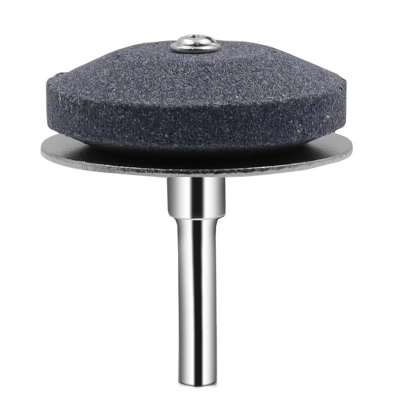


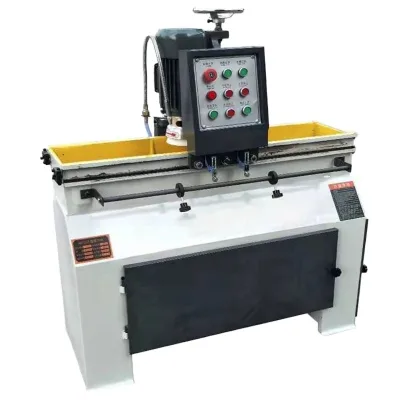


USB Rechargeable Professional Electric Knife Sharpener Sharpening Machine
$5.25 - $5.29
MOQ: 40 Pieces

Hot Sale USB Grindstone Three-Speed Adjustable Home Kitchen Electric Knife Sharpener
$6.08 - $6.28
MOQ: 200 Pieces

Multifunctional Machine USB Plug Electric Scissors Universal Knife Sharpener
$0.88 - $0.93
MOQ: 220 Pieces


Hot Sale High Precision Automatic Sharpening Stone Household Fast Electric Knife Sharpener
$22.50 - $22.70
MOQ: 50 Pieces

New Power Type Fast Sharpening Stone Manual Household Portable Electric Knife Sharpener
$2.51 - $2.71
MOQ: 500 Pieces


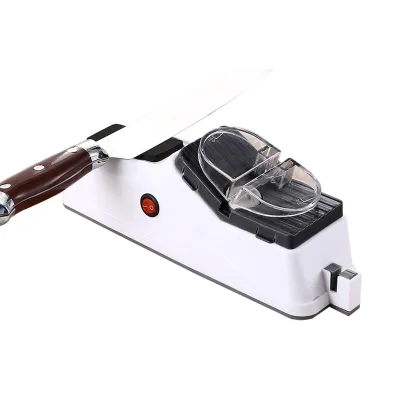


Comprehensive Sourcing Guide
USB Powered Electric Knife Sharpener Sourcing Guide
Sourcing USB-powered electric knife sharpeners requires a nuanced understanding of the divergence between consumer-grade handheld devices and industrial-grade sharpening machinery. While the core keyword suggests small, portable tools powered via USB interfaces, the available market data reveals a significant spectrum of products ranging from compact, low-power units to heavy-duty industrial grinders. Buyers must first clarify their operational context: are they seeking personal kitchen accessories or commercial-grade equipment for professional kitchens and grinding industries? The observed product listings indicate that "electric knife sharpener" is a broad category encompassing everything from simple carbon steel whetstones to complex, multi-horsepower grinding machines. Consequently, the initial step in procurement is to define the power source and scale of operation, as this decision dictates the entire supply chain strategy, from logistics to compliance requirements.
The market signals suggest that while some products are marketed as "USB powered" or small-scale electric units, others are substantial industrial machines with power ratings ranging from 4.5 kW to 12 kW. This discrepancy highlights the importance of precise keyword interpretation during supplier engagement. A buyer looking for a small, USB-powered device may encounter suppliers offering large industrial grinders if the search terms are not strictly filtered. Therefore, the sourcing guide emphasizes the need for rigorous specification verification. Buyers should explicitly request power consumption data, physical dimensions, and weight to distinguish between portable consumer electronics and stationary industrial equipment. This distinction is critical for determining shipping costs, warehouse requirements, and electrical infrastructure needs at the destination.
Product Scope and Observed Listing Signals
The observed product listings reveal a wide variance in material composition, certification status, and physical specifications, indicating a fragmented market with diverse supplier capabilities. Materials range from ABS plastic, typical for consumer electronics housings, to carbon steel, which is essential for the abrasive components of sharpening tools. This material diversity suggests that buyers must carefully inspect the construction quality of both the housing and the sharpening mechanism. For instance, products with ABS bodies may be suitable for light-duty, portable use, whereas carbon steel components are indicative of durability and effectiveness in heavy-duty sharpening tasks. The presence of CE and ISO certifications in some listings provides a baseline for quality assurance, but buyers should verify that these certifications apply specifically to the model being purchased, as certification coverage can vary across product lines.
Listing attributes also highlight significant differences in customization options and packaging. Some suppliers offer customization for machine color and branding, which is valuable for private labeling or corporate gifting. Packaging varies from simple color boxes for retail-ready items to plastic film wrapping for industrial machinery, reflecting the different handling requirements for each product type. The observed price range of $0.37 to $12,800 USD further underscores the disparity between low-cost consumer items and high-end industrial solutions. Buyers should use this range as a benchmark for budgeting but must correlate price with specific technical specifications and material quality. A low price point may indicate a basic, non-customizable unit, while higher prices often reflect advanced features, robust construction, and comprehensive warranty support.
Technical Specifications to Verify
Technical verification is paramount when sourcing electric knife sharpeners, particularly given the wide range of power ratings and dimensions observed in the market. Buyers must confirm the exact power consumption, as listed specifications vary from small, low-wattage units to industrial machines with power ratings of 4.5 kW, 5.5 kW, 9.5 kW, and up to 12 kW. These power levels directly impact the efficiency of the sharpening process and the electrical infrastructure required at the point of use. For industrial applications, verifying the machine weight is equally important, as weights range from lightweight portable units to heavy machines exceeding 5,000 kg. This information is crucial for planning logistics, including freight forwarding, warehouse storage, and on-site installation requirements.
Dimensional specifications and model numbers provide additional clarity on the product's intended use and capacity. Observed machine sizes range from compact dimensions suitable for desktop use to large industrial footprints measuring up to 840015001700 mm. Buyers should cross-reference these dimensions with their available workspace to ensure compatibility. Furthermore, verifying the model number, such as BMD-L1500 or M3200, allows for precise identification of the product's features and compatibility with replacement parts. The presence of core components like motors and knife sharpeners should be confirmed, along with their warranty periods, which typically range from one to two years. Understanding these technical details ensures that the purchased equipment meets the specific operational demands of the buyer's environment.
Compliance and Safety Documentation
Compliance with international safety standards is a critical aspect of sourcing electric knife sharpeners, especially for products intended for use in regulated markets. The observed listings mention CE and ISO certifications, which are essential for demonstrating conformity with health, safety, and environmental protection standards. Buyers should request copies of these certificates and verify their validity with the issuing bodies. Additionally, the mention of IEC 60335-1, a standard for household and similar electrical appliances, suggests that some products may be subject to rigorous testing for electrical safety. Buyers should inquire whether the specific model has undergone testing according to this or equivalent standards, particularly if the product is intended for consumer use.
Beyond certifications, buyers should assess the availability of machinery test reports and warranty documentation. The observed data indicates that some suppliers provide machinery test reports, which offer insights into the performance and reliability of the equipment. These reports can be valuable for quality control and risk mitigation. Warranty terms, ranging from one to two years for core components, provide a safety net against manufacturing defects. Buyers should ensure that the warranty covers both parts and labor and clarify the process for claiming warranty services. Understanding the compliance landscape and warranty provisions helps buyers make informed decisions and reduces the risk of non-compliance or unexpected maintenance costs.
Cost Drivers and Commercial Terms
Cost drivers for electric knife sharpeners include material quality, power rating, customization options, and packaging. Products made from high-grade carbon steel or featuring advanced motor systems typically command higher prices. Customization, such as branding or color matching, adds to the production cost but can enhance brand value for the buyer. Packaging also influences cost, with retail-ready color boxes being more expensive than simple plastic film wrapping. Buyers should evaluate these factors in the context of their total cost of ownership, considering not just the unit price but also shipping, installation, and maintenance expenses. The observed MOQ range of 1 to 1000 units offers flexibility for both small-scale and large-scale procurement.
Commercial terms, including payment methods, lead times, and shipping arrangements, should be negotiated based on the order volume and supplier capabilities. Buyers should clarify whether the quoted price includes shipping and insurance or if these are additional costs. Understanding the lead time is crucial for inventory planning, especially for industrial machinery that may require longer production periods. Buyers should also inquire about the supplier's return policy and after-sales support. Clear communication regarding these commercial terms helps avoid misunderstandings and ensures a smooth transaction process. By carefully evaluating cost drivers and negotiating favorable terms, buyers can optimize their procurement strategy and achieve better value for their investment.
Supplier Qualification and Quality Control
Supplier qualification is a key step in ensuring the reliability and quality of the sourced electric knife sharpeners. Buyers should assess the supplier's production capacity, quality control processes, and track record in the industry. The observed data indicates that suppliers are located in various regions of China, including Zhejiang, Guangdong, and Henan, each with its own industrial strengths. Buyers should verify the supplier's location and visit their facilities if possible, or request virtual tours and detailed production videos. This due diligence helps confirm the supplier's ability to meet quality standards and delivery schedules.
Quality control measures should be explicitly discussed with the supplier, including inspection protocols, testing procedures, and defect rates. Buyers should request samples before placing large orders to evaluate the product's performance and build quality. The presence of core components like motors and knife sharpeners should be inspected for durability and efficiency. Additionally, buyers should verify the supplier's ability to provide machinery test reports and warranty support. Establishing a strong relationship with a qualified supplier ensures consistent product quality and reliable after-sales service, which is essential for long-term procurement success.
Long-Term Procurement Checks
Long-term procurement success depends on continuous monitoring of supplier performance and product quality. Buyers should establish key performance indicators (KPIs) to track delivery times, product defect rates, and customer satisfaction. Regular audits and feedback sessions with the supplier can help identify areas for improvement and strengthen the partnership. Buyers should also stay informed about industry trends and technological advancements in electric knife sharpeners to ensure their procurement strategy remains competitive.
Furthermore, buyers should maintain a diversified supplier base to mitigate risks associated with supply chain disruptions. Building relationships with multiple suppliers provides flexibility and bargaining power. Regularly reviewing contract terms and pricing agreements ensures that the procurement strategy aligns with the buyer's evolving needs and market conditions. By implementing robust long-term procurement checks, buyers can sustain high-quality supply chains and achieve consistent value from their sourcing activities.
FAQs
What certifications do the electric knife sharpeners have?
The products hold CE and ISO certifications. These standards ensure safety and quality compliance for international markets. Buyers should verify specific documentation with the supplier before finalizing orders to confirm the exact certification scope for their region.
How is the machine power specified for these units?
Machine power varies by model, ranging from 4.5 Kw to 12 Kw. Specific models like the BMD-L1500 operate at 4.5 Kw while larger units reach 12 Kw. Select the appropriate power rating based on your intended industrial capacity and grinding requirements.
Can I request custom colors for the machine?
Yes, machine color customization is available according to client needs. Suppliers offer flexible color options to match your branding or facility standards. Contact the vendor directly to discuss specific color requirements and any potential impact on lead times or pricing.
What is the warranty period for core components?
The warranty for core components is typically one year. Some models may offer extended coverage up to two years depending on the specific product line. Always confirm the exact warranty terms for the core motor and sharpener components in your purchase agreement.
Where are these machines manufactured?
Manufacturing origins include Zhejiang, Guangdong, and Henan provinces in China. Different models may originate from different locations within these regions. Verify the specific place of origin for your selected model to understand logistics and shipping implications.
What is the minimum order quantity for these items?
The minimum order quantity ranges from 1 set to 1000 units depending on the supplier and model. Some vendors accept single item orders while others require bulk purchases. Check the specific MOQ for your chosen product to plan your procurement strategy effectively.
How are the machines packaged for shipping?
Packaging options include color boxes and plastic film protection. The specific packing method depends on the model and supplier capabilities. Ensure the packaging meets your shipping requirements to prevent damage during transit and storage at your facility.