Source SMT and DIP PCB and PCBA Assembly for Consumer Electronics
Find 30 verified suppliers offering SMT and DIP PCB and PCBA Assembly services for consumer electronics, home appliances, and medical equipment. Compare customization options, layer counts, and testing capabilities to select the right partner for your project; compare the available evidence and request quotations based on your requirements.
Updated
Key considerations
Products List

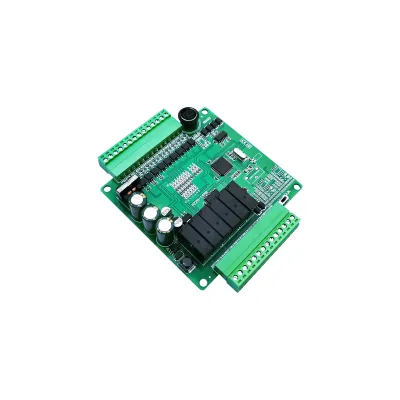
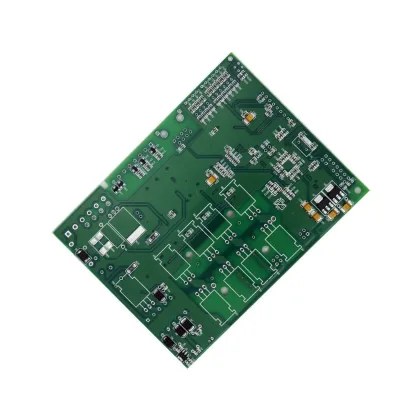


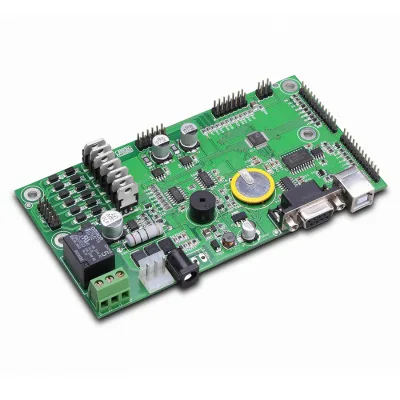





Comprehensive Sourcing Guide
SMT and DIP PCB and PCBA Assembly Sourcing Guide
Procuring surface mount technology (SMT) and dual in-line package (DIP) printed circuit board assemblies (PCBA) requires a clear understanding of the manufacturing capabilities and material specifications available in the current market. Buyers often encounter listings that describe rigid circuit boards with customization options, ranging from single-layer to thirty-two-layer configurations. The observed product range includes various base materials, such as copper and aluminum-covered copper foil layers, which influence thermal management and structural integrity. It is essential to distinguish between standard rigid boards and custom HDI PCBA solutions, as the latter often demands more precise alignment and advanced processing technologies like electrolytic foil techniques.
The sourcing landscape also highlights the importance of service models, with many suppliers offering one-stop turnkey solutions that encompass design, component sourcing, and assembly. These services are frequently tailored for consumer electronics, home appliances, and medical equipment, indicating a broad applicability across different industrial sectors. Buyers must verify whether the supplier operates as an OEM or ODM provider, as this distinction affects intellectual property rights and design flexibility. Additionally, the availability of small orders and customized packaging solutions suggests that suppliers are adapting to diverse volume requirements, allowing for flexible procurement strategies that balance cost efficiency with operational agility.
Product Scope and Observed Listing Signals
The current market listings reveal a diverse array of PCBA products, with observed price ranges spanning from minimal values up to one hundred US dollars per unit. This wide variance often reflects differences in board complexity, layer count, and the specific components integrated during the assembly process. Buyers should note that minimum order quantities (MOQ) typically range from one to one thousand units, providing flexibility for both prototyping and mass production phases. The presence of customized model numbers, such as PCBA26815 and PCBA267251, indicates that suppliers are equipped to handle specific client requirements rather than relying solely on off-the-shelf inventory.
Product attributes further clarify the scope, with many listings specifying board thicknesses between 0.2mm and 7.0mm and maximum board sizes up to 640mm by 1100mm. These dimensions are critical for ensuring compatibility with existing enclosures and manufacturing equipment. The listings also highlight various surface finishing options, including HASL, OSP, and immersion gold, which impact solderability and long-term reliability. Additionally, the mention of static, shockproof, and anti-drop packaging underscores the need for careful handling during transit, particularly for sensitive electronic components. Buyers must align these physical specifications with their technical requirements to avoid integration issues.
Technical Specifications to Verify
When evaluating technical specifications, buyers must prioritize the verification of board layers and material composition. The observed data indicates that products can range from one to thirty-two layers, with base materials including FR4, CEM-1, CEM-3, FR1, and aluminum. The choice of material significantly affects the board's thermal conductivity and mechanical strength, making it crucial to select the appropriate substrate for the intended application. Furthermore, the copper thickness is often customizable, allowing for adjustments in current-carrying capacity and impedance control. Buyers should request detailed material certificates to ensure that the specified base materials meet their performance criteria.
Surface finishing and plating options are another critical area for verification. Listings mention metal coatings such as silver and copper, alongside standard finishes like HASL and immersion gold. These finishes influence the solderability and corrosion resistance of the assembly, which are vital for long-term reliability. Additionally, the maximum plate thickness aperture ratio of 30:1 suggests a capability for high-density interconnects, which is essential for modern, compact electronic devices. Buyers should confirm that the supplier can consistently achieve these ratios without compromising the integrity of the vias or traces, ensuring that the final product meets rigorous engineering standards.
Compliance and Safety Documentation
Compliance with international standards is a non-negotiable aspect of PCBA procurement, particularly for products destined for regulated markets. The observed listings frequently cite certifications such as ISO9001, ISO14001, CE, and RoHS, which indicate adherence to quality management, environmental standards, and hazardous substance restrictions. Buyers must verify the validity of these certifications through independent audit reports or direct confirmation from the certification bodies. It is also important to check for specific flame retardant properties, such as V0 ratings, which are critical for safety in consumer electronics and home appliances.
Documentation should also cover the testing services provided by the supplier, including AOI (Automated Optical Inspection), X-ray inspection, and functional testing. These tests are essential for identifying defects early in the production process, thereby reducing the risk of field failures. Buyers should request sample test reports to understand the supplier's quality control protocols and defect detection capabilities. Additionally, the condition of the products is listed as new, which implies that the assemblies are manufactured from fresh components rather than refurbished parts. Ensuring that all compliance documents are up-to-date and accurately reflect the current production processes is vital for maintaining regulatory compliance.
Cost Drivers and Commercial Terms
Several factors influence the final cost of SMT and DIP PCBA assemblies, with material costs and processing complexity being primary drivers. The use of specialized materials, such as aluminum-covered copper foil or high-layer-count FR4, can significantly increase the base price. Additionally, the choice of surface finish, such as immersion gold versus HASL, affects both material and processing costs. Buyers should analyze the bill of materials (BOM) to understand how component selection impacts the overall price. Customization options, including specific board sizes and thicknesses, may also incur additional charges due to the need for specialized tooling or setup.
Commercial terms, including MOQ and lead times, play a crucial role in budgeting and supply chain planning. While observed MOQs range from one to one thousand units, buyers should negotiate terms that align with their production schedules and inventory strategies. The availability of small orders is beneficial for prototyping, but bulk orders may offer better pricing economies. Packaging costs are another consideration, with options ranging from ESD bags to vacuum packaging with bubble bags. Buyers should clarify who bears the cost of packaging and shipping, as these can add up significantly for large orders. Understanding these cost drivers helps in making informed decisions that balance quality with budget constraints.
Supplier Qualification and Quality Control
Supplier qualification is a critical step in ensuring the reliability of PCBA assemblies. Buyers should assess the supplier's production mode, with SMT being a common method for high-volume, precision assembly. The presence of ODM and OEM capabilities indicates that the supplier can handle both design and manufacturing, which is advantageous for complex projects. Buyers must verify the supplier's experience in handling specific materials and layer counts, as well as their ability to meet tight tolerances. Requesting references or case studies from similar industries, such as consumer electronics or medical equipment, can provide insights into the supplier's operational competence.
Quality control processes should be thoroughly evaluated, with a focus on testing services like AOI and X-ray inspection. These technologies are essential for detecting hidden defects, such as voids in solder joints or misaligned components. Buyers should inquire about the supplier's defect rate metrics and their procedures for handling non-conforming products. Additionally, the use of customized packaging, including static and shockproof options, demonstrates a commitment to protecting the product during transit. Establishing clear quality agreements and inspection protocols before production begins helps mitigate risks and ensures that the final product meets the required standards.
Long-Term Procurement Checks
Long-term procurement success depends on establishing robust relationships with suppliers who can consistently deliver high-quality PCBA assemblies. Buyers should conduct periodic audits of the supplier's quality management systems and production facilities to ensure ongoing compliance with agreed-upon standards. Regular communication regarding design changes, component availability, and production schedules is essential for maintaining supply chain stability. Buyers should also monitor the supplier's ability to adapt to new technologies and materials, as this flexibility is crucial for staying competitive in the rapidly evolving electronics industry.
Continuous improvement initiatives should be encouraged, with feedback loops established to address any quality issues or process inefficiencies. Buyers should track key performance indicators, such as on-time delivery rates, defect rates, and response times to inquiries, to evaluate supplier performance over time. Additionally, diversifying the supplier base can mitigate risks associated with single-source dependencies. By maintaining a proactive approach to supplier management and quality assurance, buyers can ensure a reliable supply of SMT and DIP PCBA assemblies that meet their evolving business needs.
FAQs
What customization options are available for rigid circuit boards?
Customization is available for rigid circuit boards, allowing buyers to specify layer counts from 1 to 32 and board thicknesses between 0.2mm and 7.0mm. The service supports one-stop turnkey solutions with customized HDI PCBA configurations. Buyers can select from various raw materials including FR4, CEM-1, and aluminum, ensuring the final product meets precise electronic device requirements.
Which certifications do the PCB manufacturers hold?
The manufacturers hold ISO9001, ISO14001, CE, and RoHS certifications. These credentials ensure compliance with international quality and environmental standards. The base materials are certified as RoHS compliant, and the production processes adhere to strict safety protocols. This certification suite provides assurance for sourcing electronic components for consumer electronics and medical equipment applications globally.
Can small orders be accepted for PCBA assembly?
Yes, small orders are acceptable for PCBA assembly services. The minimum order quantity ranges from 1 to 1000 units, providing flexibility for prototyping or low-volume production. This policy supports buyers who require customized HDI PCBA solutions without committing to large-scale manufacturing runs. The supplier type is ODM, facilitating tailored production for diverse electronic device needs.
What testing services are included in the PCBA process?
The PCBA process includes AOI, X-ray, and functional testing services. These rigorous checks ensure the quality and reliability of the assembled circuit boards. The testing covers various aspects of the electronic assembly, from surface inspection to internal connectivity verification. This comprehensive testing approach supports the production of high-quality rigid circuit boards for home appliances and consumer electronics.
What are the packaging options for the finished PCBA products?
Packaging options include static packaging, shockproof packaging, and anti-drop protection. Components are packed in trays, tubes, or tape, while the final PCBA products use ESD bags, vacuum packaging, and bubble bags. These methods ensure safe transportation and storage. The customized packaging solutions protect the sensitive electronic components from damage during shipping and handling.
What surface finishing options are available for the circuit boards?
Surface finishing options include HASL, OSP, and immersion gold. These finishes protect the copper traces and ensure reliable solderability for component attachment. The choice of finish depends on the specific application requirements and environmental conditions. These options are standard for rigid circuit boards and support various electronic device manufacturing needs.