Smart Home PCBA Suppliers and Manufacturers
Source 25 verified Smart Home PCBA suppliers in China Guangdong for OEM and ODM services. Compare key dimensions including lead times, MOQs, certifications like RoHS and ISO, and pricing ranges to identify the right partner for your electronics assembly needs.
Updated
Suppliers List

Shenzhen Mingxingyuan Industrial Interconnection Co., Ltd.
- Verified by SGS
- Trading Company
- China Guangdong
- Lead time15 days
- Avg. response≤ 4h
Main marketsOthers(foreignTradeCapacity.exportBusinessCapacityMarketOther)

Mu Star (shenzhen) Industry Co., Ltd.
- Verified by BV
- Trading Company
- China Guangdong
- Lead time15 days
- Avg. response≤ 9h
Main productsPCBA, PCB Assembly, PCB PCBA, SMT, Medical PCBA, SMD, PCB Assembly Service, EMS, PCBA Assembly
Main marketsNorth America


Mustar Smart Home PCBA Circuit Board for Integrated Home Automation and Connectivity
$0.50 - $1.00
MOQ: 10 Pieces

Smart Home Control System Circuit Board Multilayer PCB PCBA China Supplier
$1.04 - $1.20
MOQ: 1 Pieces

Shenzhen Grandtop Electronics Co., Ltd.
- Trading Company,Manufacturer/Factory
- China Guangdong
- Lead time30 days
- Avg. response≤ 3h
Main productsPCB Assembly, Robotic Control PCB Assembly, Industrial Control PCBA, Medical PCBA, Financial PCBA, Contract Manufacturer, Automatic Control PCB Assembly, OEM &ODM PCBA, Turnkey Service PCBA, One Stop PCB Assembly
Main marketsSouth America,Eastern Europe,Mid East,North America,Southeast Asia,Eastern Asia,Western Europe,Africa


Smart Home PCBA Board Assembly Service Control PCBA Board Home Appliance PCBA
$8.50 - $15.00
MOQ: 100 Pieces


Smart Electronics DIY PCBA Designers SMT Home PCB Assemble PCBA Switch Circuit Board OEM Pcb'a
$1.00 - $30.00
MOQ: 1 Pieces

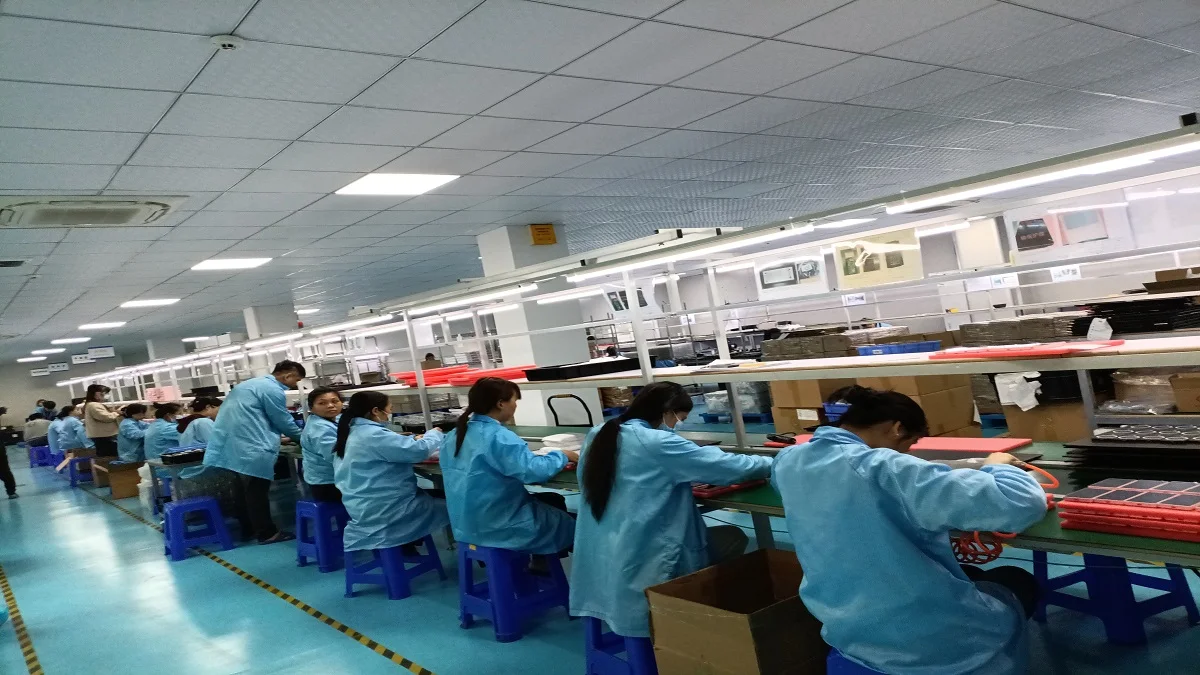
Shenzhen Baiyoudi Electronics Co., Ltd.
- Manufacturer
- guangdong, China
- Lead time35 days
- Avg. response≤ 1h
Main productsCustom PCB, PCB Assembly, Component Procurement
Main marketsDomestic Market(52.00%), Northern Europe(13.00%), South Asia(10.00%), North America(5.00%), Eastern Asia(5.00%), Southeast Asia(5.00%), Mid East(3.00%), South America(2.00%), Western Europe(2.00%), Eastern Europe(2.00%), Africa(1.00%)
Shenzhen DNC Electronics Co., Ltd.
- Manufacturer
- Guangdong, China
- Lead time28 days
- Avg. response≤ 6h
Main productsPCBA,SMT PCBA,DIP PCBA,Flexible PCB
Main marketsNorth America(30.00%), Domestic Market(15.00%), Southern Europe(10.00%), Mid East(10.00%), South America(10.00%), Northern Europe(5.00%), Central America(5.00%), Eastern Europe(5.00%), Africa(2.00%), Southeast Asia(2.00%), Eastern Asia(2.00%), South Asia(2.00%), Oceania(1.00%), Western Europe(1.00%)

Shenzhen Chengruyuan Technology Co., Ltd.
- Verified by TUVRHEINLAND
- Trading Company
- China Guangdong
- Lead time15 days
- Avg. response≤ 3h
Main productsPCB, PCBA, FPC, Fpca, Rigid Flex PCB, Circuit Board, PCB Assemble, MCPCB, Alpcb
Main marketsSoutheast Asia/ Mideast

China Dragon Electronic Industrial Co., Limited
- Verified by BV
- Combined
- China Guangdong
- Lead time23 days
- Avg. response≤ 7h
Main productsPCB, PCBA, LED Grow Light, PCB Design, Industrial Control, Smart Home, Communications Equipment, Medical Hairdressing, Multilayer PCB
Main marketsEurope,North America


Smart Home Devices Automation Systems Smart Home Control PCBA Board Design
$0.68 - $10.80
MOQ: 1 Pieces


Shenzhen Intech Electronic Technology Limited
- Manufacturer
- Guangdong, China
- Lead time0 days
- Avg. response≤ 4h
Main productsPCB,PCBA,2.5/3.5/6.35Phone Jack,DC Power Jack,Push switch
Main marketsEastern Europe(20.00%), Western Europe(15.00%), Central America(12.00%), Southern Europe(10.00%), North America(9.00%), South America(6.00%), Mid East(5.00%), South Asia(5.00%), Eastern Asia(4.00%), Africa(3.00%), Domestic Market(3.00%), Northern Europe(3.00%), Southeast Asia(2.00%)
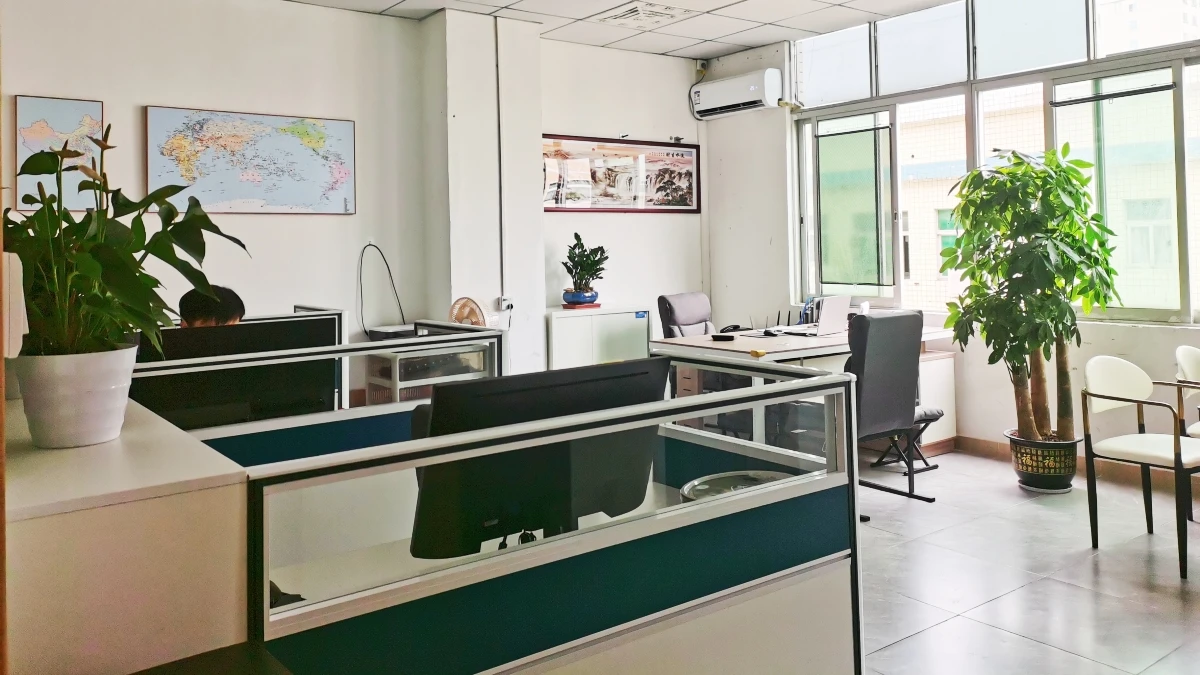
Shenzhen Aozite Technology Co., Ltd.
- Trading Company
- Guangdong, China
- Lead time0 days
- Avg. response≤ 3h
Main productsPCBA
Main marketsNorth America(45.00%), Western Europe(30.00%), Mid East(15.00%), Eastern Europe(10.00%)
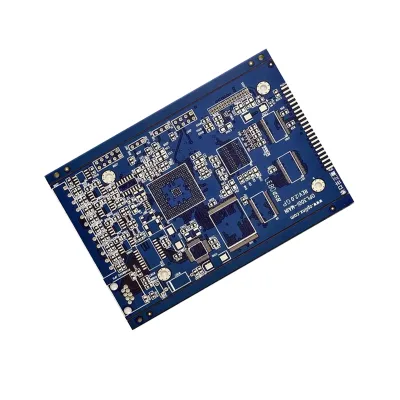
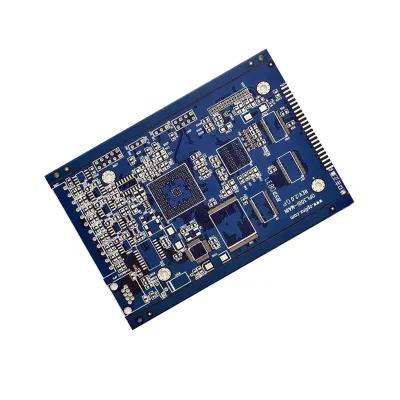
$0.1028 - $0.5146
MOQ: 2 Minimum

- Verified by SGS
- Trading Company,Manufacturer/Factory,Group Corporation
- China Guangdong
- Lead time15 days
- Avg. response≤ 18h
Main productsPCBA/PCB Assembly, Cable/Wire Harness Assemb, Sheet Metal Fabrication, Kiosk Machine OEM/ODM, Order Machine OEM/ODM, Product Assembly, LED Industrial Lights
Main marketsSouth America,Eastern Europe,Mid East,North America,Southeast Asia,Eastern Asia,Oceania,Western Europe,Africa

Multilayer Rigid PCB Assembly Security Smart Home PCBA Board Printed Circuit Board
$1.00 - $30.00
MOQ: 1 Pieces

Shenzhen Kinglisheng Electronic & Technology Co., Limited
- Verified by TüVRheinland
- Manufacturer, Trading Company
- Lead time3 days
- Avg. response≤ 3h
Main productsPCB, PCBA
Main marketsDomestic Market(53%), North America(15%), Eastern Europe(10%)
Shenzhen Oriental Fastassembly Electronic Co., Ltd.
- Verified by TüVRheinland
- Manufacturer, Trading Company
- Lead time28 days
- Avg. response≤ 4h
Main productsPCB, PCBA, Electronic Components, Power Supply, Lift Units
Main marketsNorth America(50%), Western Europe(15%), Eastern Asia(10%)
Shenzhen Jinshunyuan Technology Co., Ltd.
- Manufacturer, Trading Company
- Guangdong, China
- Lead time5 days
- Avg. response≤ 3h
Main productsPCB manufacturing,PCB assembly,PCB designing,electronic components sourcing
Main marketsSoutheast Asia(30.00%), Domestic Market(30.00%), North America(20.00%), Eastern Europe(10.00%), Western Europe(10.00%)
Shenzhen HYZK Electronics Co., Ltd.
- Manufacturer
- Guangdong, China
- Lead time25 days
- Avg. response≤ 1h
Main productspcba,pcb assembly,pcb board,printed circuit board,pcb manufacture
Main marketsNorth America(30.00%), Western Europe(20.00%), South America(20.00%), Eastern Europe(10.00%), Northern Europe(5.00%), Mid East(5.00%), Southeast Asia(3.00%), Southern Europe(3.00%), Oceania(2.00%)
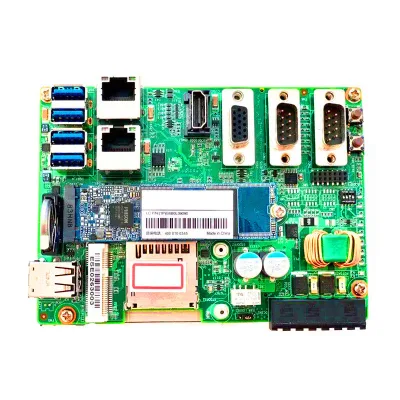
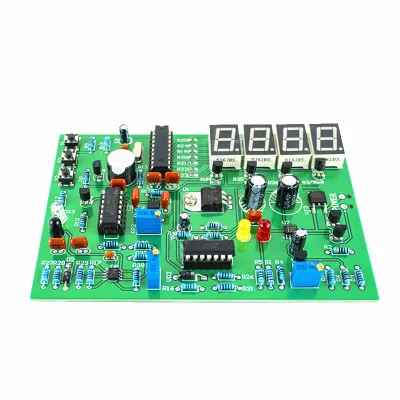
One-Stop Smart Home Sensor PCB Assembly Service Home Appliance PCBA Prototype
$1.70 - $3.00
MOQ: 1 sets

- Verified by SGS
- Manufacturer/Factory
- China Guangdong
- Lead time120 days
- Avg. response≤ 1h
Main productsPCB, PCBA, PCB Assembly, High Frequency PCB, Multilayer PCB, FPC PCB, Rigid-Flex PCB, LED PCB, Copper PCB, Aluminum PCB
Main marketsSouth America,Eastern Europe,North America,Southeast Asia,Western Europe

- Verified by TUVRHEINLAND
- Combined
- China Guangdong
- Lead time15 days
- Avg. response≤ 6h
Main productsPrinted Circuit Boards, PCBA, PCB Prototype, PCBA Service, PCBA Prototype, PCBA Quick-Turn Manufacturing, PCB Design, Circuit Board Assemblycircuit Board Assembly, Electronic Assembly, Turnkey PCB Assembly
Main marketsSouth America,Southeast Asia/ Mideast,Europe,Australia,North America

Pcbasic Other PCB Industrial Control Smart Home Product Intelligent Sweeping Robot PCBA
$0.90 - $3.90
MOQ: 1 Pieces

Pcbasic OEM Home Solution China Smart Electronics Intelligent Temperature Measurement PCBA
$0.90 - $3.90
MOQ: 1 Pieces

Pcbasic Turnkey PCB Assembly Other PCB & PCBA Smart Home Induction Cooker Circuit Board PCBA
$0.90 - $3.90
MOQ: 1 Pieces

Pcbasic Quality Frequency Conversion Controller Smart Home PCBA of Induction Cooker Motherboard
$0.90 - $3.90
MOQ: 1 Pieces

Pcbasic Production OEM Development One Stop WiFi Voice Control PCBA for Smart Home Appliances
$0.90 - $3.90
MOQ: 1 Pieces

OEM PCBA Factory OEM Double-Sided PCBA for Smart Home with 13485 Certificate
$0.90 - $3.90
MOQ: 1 Pieces

Shenzhen Jingxin Electronic Technology Co., Ltd.
- Verified by BV
- Combined
- China Guangdong
- Lead time30 days
- Avg. response≤ 7h
Main productsPCBA, PCB, Print Circuit Board, Flexible Circuit Board, Rigid PCB Assembly, PCB Assembly, Circuit Board, FPC, HDI PCB
Main marketsEurope,Australia,North America
Suzhou Engine Electronic Technology Co., Ltd.
- Verified by SGS Group
- Trading Company
- Lead time10 days
- Avg. response≤ 5h
Main productsPCB, PCBA
Main marketsDomestic Market(30%), Eastern Europe(25%), North America(20%)
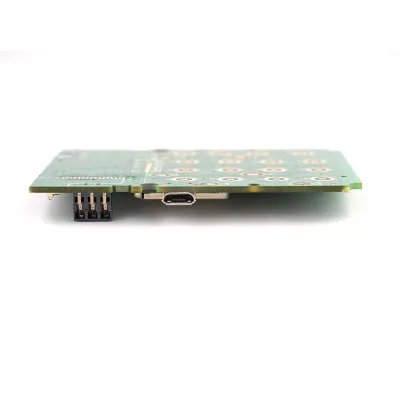
OEM PCBA Assembly Service Low Power Consumption Stable Work PCBA Circuit Board for Smart Home Device
$0.3082 - $0.5146
MOQ: 1 pieces
Shenzhen Changkeshun Technology Co., Ltd.
- Verified by SGS Group
- Manufacturer, Trading Company
- Lead time5 days
- Avg. response≤ 2h
Main productsPCBA, PCB Assembly, Open Mold, Purchase of Electronic Components, Finished Product Assembly
Main marketsNorth America(40%), Domestic Market(20%), Eastern Asia(10%)

Guangdong Global Well Electronic Limited
- Verified by CTI
- Trading Company
- China Guangdong
- Lead time15 days
- Avg. response≤ 4h
Main productsOEM/ODM PCB+PCBA+Chip, Wire Harness OEM/ODM, Connector OEM/ODM, Assembly Finished Products, PCB Board OEM/ODM, PCB Assembly OEM/ODM, Electronic Components IC Chips
Main marketsSouth America,Southeast Asia/ Mideast,East Asia(Japan/ South Korea),Europe,North America
Jieliang Electronic Technology Shanghai Co.,ltd.
- Manufacturer, Trading Company
- Shanghai, China
- Lead time0 days
- Avg. response≤ 1h
Main productspcba,Electronic Manufacturing Services,pcb
Main marketsDomestic Market(40.00%), North America(30.00%), Eastern Europe(25.00%)
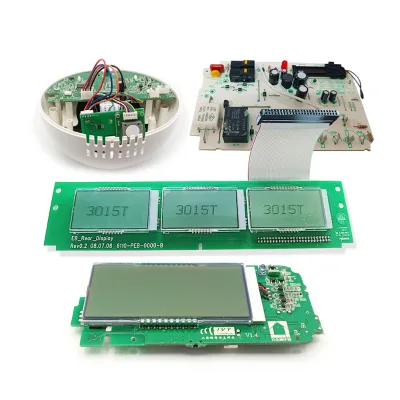
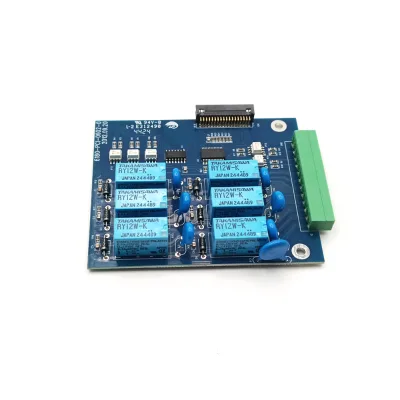
Shanghai OEM Customized Electronics Board Service Smart Home PCBA Manufacturing Expert
$2.95 - $3.30
MOQ: 6 pieces
Shenzhen Icslove Technology Co., Ltd.
- Manufacturer, Trading Company, Distributor/Wholesaler
- Guangdong, China
- Lead time15 days
- Avg. response≤ 3h
Main productsIC,Module,Development board,PCBA,BOM Procurement
Main marketsMid East(50.00%), South Asia(40.00%), Northern Europe(10.00%)
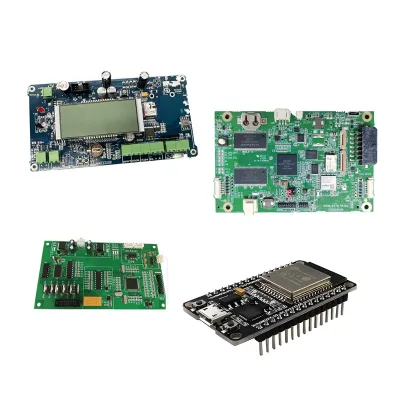
$0.9185 - $1.0218
MOQ: 1 pieces
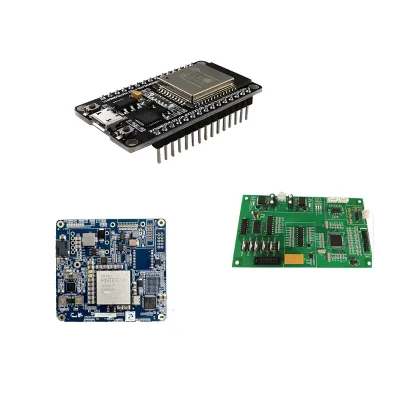
$0.9305 - $1.0337
MOQ: 1 pieces
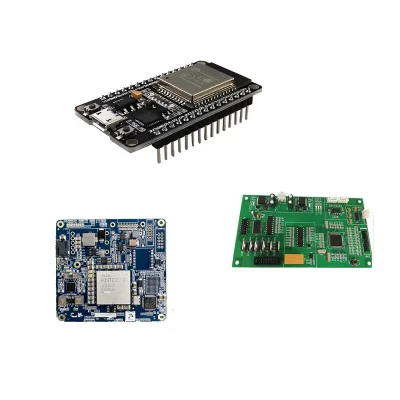
One Stop Service PCBA Manufacturer Household Pure Sine Wave Inverter 5kw PCB Board
$0.923 - $1.0248
MOQ: 1 pieces
Shenzhen Bestuo Technology Co., Ltd.
- Manufacturer, Trading Company
- Guangdong, China
- Lead time20 days
- Avg. response≤ 3h
Main productsBeauty Products PCBA,GPS Tracker,Medical PCBA,Customized Control PCBA,Smart Electric Meter
Main marketsNorth America(35.00%), Mid East(20.00%), Eastern Europe(15.00%), South Asia(10.00%), Western Europe(10.00%), Domestic Market(10.00%)

ShenZhen Nova Semiconductor Co., Ltd.
- Verified by TUVRHEINLAND
- Trading Company
- China Guangdong
- Lead time15 days
- Avg. response≤ 7h
Main productsIC, Resistor, Capacitor, Sensor, Transistor, Diode, Triode, Passive Components, Drive IC, PCBA
Main marketsSouth America,Southeast Asia/ Mideast,East Asia(Japan/ South Korea),Europe,Australia,North America

PCB PCBA Printed Circuit Boards Manufacturer OEM Household Smart Home Electrical Appliance
$1.00 - $10.00
MOQ: 1 Pieces


Shenzhen Jia Cheng Electric Co., Ltd.
- Verified by SGS
- Combined
- China Guangdong
- Lead time15 days
- Avg. response≤ 12h
Main productsIndustrial Wire Harness, Automatic Wire Harness, Medical Wire Harness, Electrical Cabinet-Group, PCBA-Group, Mechanical Fabrication-Group, Smart POS Terminal-Group, Table POS, Ice Maker-Group, Kiosk-Group
Main marketsDomestic,Europe,Australia,North America

Electronic Board Manufacturer PCBA PCB Assembly Based on Customer Smart Home Circuit Board Assembly
$1.01 - $2.09
MOQ: 10 Pieces

Smart Home Device PCBA Assembly with Compact Design and Energy Efficiency
$0.60 - $1.20
MOQ: 100 Pieces




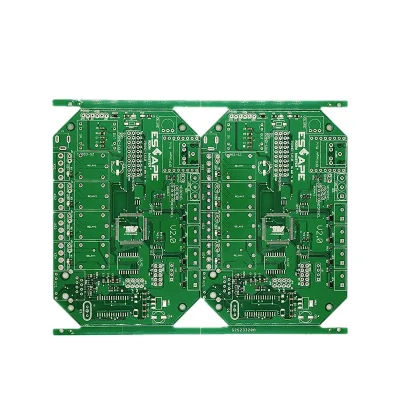
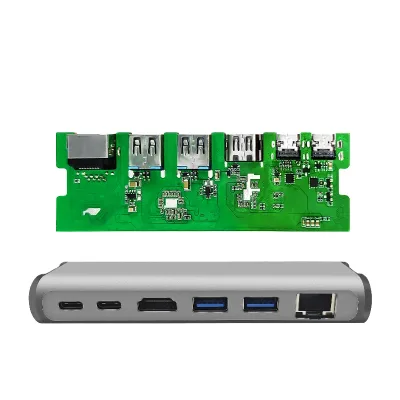
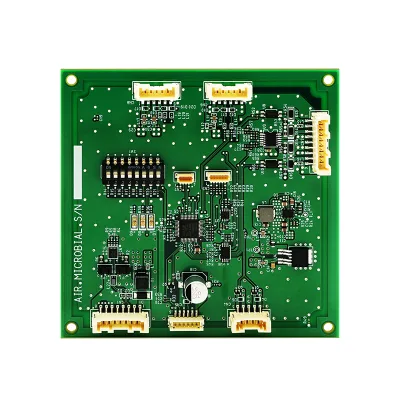
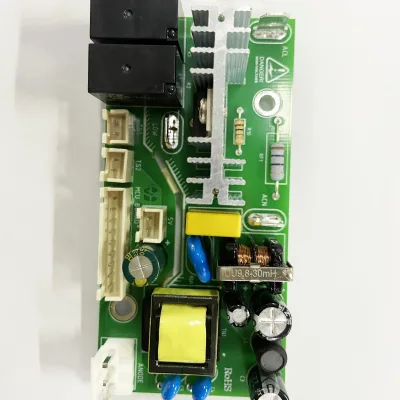
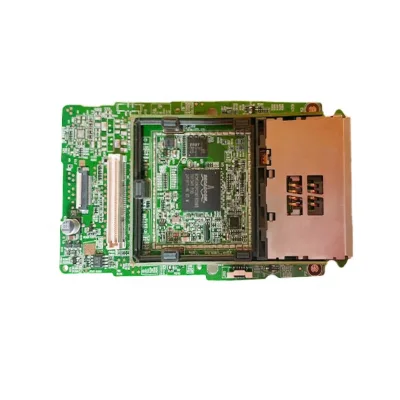
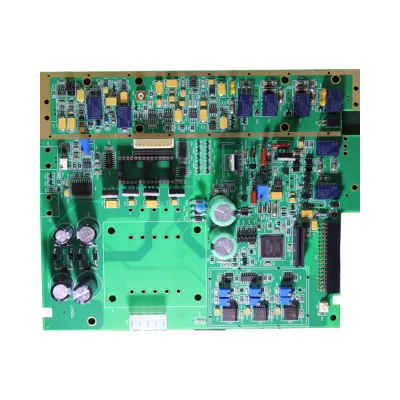
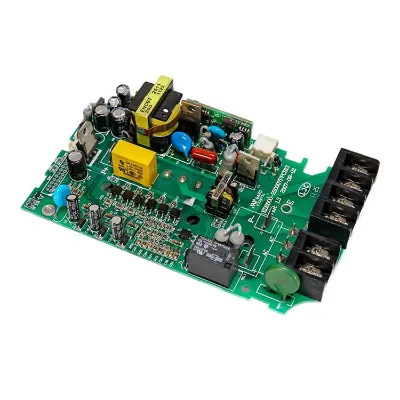


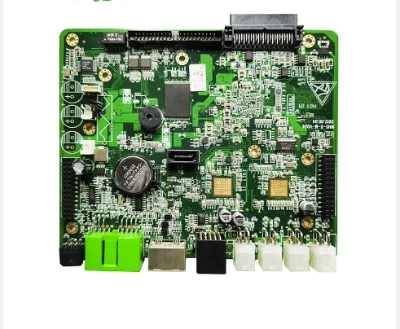


Comprehensive Sourcing Guide
Smart Home PCBA Supplier Concentration and Factory Types
The current supplier landscape for Smart Home PCBA solutions reveals a distinct concentration of manufacturing and trading entities within China, specifically in the Guangdong region. This geographic clustering is significant because it indicates a mature ecosystem where supply chain logistics, component sourcing, and specialized assembly services are co-located. Buyers evaluating these suppliers should recognize that the presence of a Guangdong location often correlates with established infrastructure for electronics manufacturing, including access to raw materials like FR4 substrates and surface finish chemicals. However, it is crucial to distinguish between pure manufacturing facilities and trading companies, as the latter may act as intermediaries rather than direct producers. The data indicates that many listed entities are classified as Trading Companies, which can offer broader product ranges and flexible order handling but may introduce additional layers in the communication and quality assurance process.
Understanding the operational model of each supplier is essential for determining the appropriate engagement strategy. Suppliers offering ODM, OEM, and own brand capabilities typically possess in-house engineering teams capable of customizing circuit designs and managing complex assembly processes. These entities are often better suited for buyers requiring tailored solutions for specific smart home applications, such as IoT switches or home automation controllers. In contrast, trading companies might focus more on sourcing existing PCBA designs or providing component aggregation services. Buyers must verify whether the supplier’s stated capabilities align with their specific technical requirements, such as the need for multilayer rigid PCBs or specific surface finishes like HASL Lead-Free or OSP. The distinction between a factory and a trader directly impacts lead times, pricing structures, and the ability to resolve technical issues during production.
How to Verify Smart Home PCBA Suppliers
Verification is a critical step in mitigating risk when sourcing Smart Home PCBA components, as the integrity of the electronic assembly directly affects the reliability of the final consumer device. Buyers should prioritize suppliers who hold recognized third-party verification badges, such as SGS or BV, as these indicate that an independent agency has audited the company’s business legitimacy and operational standards. The presence of these verification marks provides a baseline level of confidence regarding the supplier’s legal standing and corporate structure. However, verification alone does not guarantee product quality or manufacturing capability. Therefore, buyers must look beyond basic business licenses and examine specific technical certifications that are relevant to electronic components, such as RoHS, ISO, and CCC compliance. These certifications ensure that the materials used in the PCBA, including the FR4 base material and copper coatings, meet international environmental and safety standards.
In addition to corporate and material certifications, buyers should assess the supplier’s technical proficiency and production methodologies. Evidence of specific production modes, such as SMT (Surface Mount Technology) and DIP (Dual In-line Package) assembly, indicates a capability to handle complex electronic assemblies. Buyers should request detailed documentation regarding the supplier’s quality control processes, including inspection protocols for multilayer boards and surface finish treatments like Enig or Immersion Silver. It is also advisable to verify the supplier’s ability to provide turnkey PCBA services, which encompass PCB fabrication, component sourcing, and assembly. This comprehensive service model reduces the buyer’s logistical burden and ensures that all components, from capacitors to microcontrollers, are sourced and assembled under a single quality management system. Confirming these technical credentials helps ensure that the supplier can consistently deliver high-quality smart home control boards that meet rigorous performance standards.
What to Compare Across Smart Home PCBA Suppliers
When evaluating multiple suppliers for Smart Home PCBA needs, buyers must systematically compare key operational metrics to identify the most suitable partner for their specific project requirements. One of the most critical factors is the minimum order quantity (MOQ), which can vary significantly across different suppliers. Some suppliers offer an MOQ of just one unit, which is ideal for prototyping and small-batch testing, while others may require higher volumes, such as ten units or more, to initiate production. This distinction is vital for buyers at different stages of product development, as it influences inventory management and cash flow. Additionally, buyers should compare the lead times associated with in-stock versus out-of-stock items. Suppliers that maintain inventory for common components can ship upon payment, whereas those relying on custom manufacturing may have longer lead times that depend on actual production schedules.
Another important dimension for comparison is the response time and the range of main products offered by each supplier. A faster response time, measured in hours, indicates a more responsive customer service team that can address technical queries and order updates promptly. Buyers should also examine the diversity of the supplier’s product portfolio, such as whether they specialize in general PCBA assembly or have specific expertise in medical PCBA, SMD components, or EMS services. This specialization can be indicative of the supplier’s technical depth and reliability in handling complex assemblies. Furthermore, comparing the price ranges for similar products, such as smart home control boards or IoT automation modules, provides insight into the supplier’s pricing strategy. However, price should not be the sole determinant; buyers must weigh cost against quality certifications, material specifications, and the supplier’s ability to provide customized solutions that meet their exact technical requirements.
Common Smart Home PCBA Sourcing Risks
Sourcing Smart Home PCBA solutions involves several inherent risks that buyers must actively manage to ensure project success. One significant risk is the variability in component sourcing, particularly when suppliers claim to use factory-sourced chips or generic components. Without strict verification, there is a possibility of receiving counterfeit or substandard electronic parts, which can compromise the functionality and longevity of the smart home device. Buyers should insist on transparency regarding the chip source and require documentation that proves the authenticity of critical components like microcontrollers and sensors. Additionally, the risk of quality inconsistency is heightened when dealing with suppliers who offer mixed batch support or lack standardized production processes. Inconsistent soldering, improper surface finishes, or deviations in layer counts can lead to field failures and costly recalls.
Another common risk is the misalignment between supplier capabilities and buyer expectations regarding customization and technical specifications. Suppliers may advertise broad customization options, but their actual ability to handle complex multilayer designs or specific flame retardant properties (such as V0 rating) may be limited. Buyers must clearly define their technical requirements, including the PCB type, dielectric materials, and insulation standards, and verify that the supplier can meet these specifications. There is also a risk related to intellectual property and design confidentiality, especially when working with trading companies or third-party assemblers. Buyers should ensure that robust non-disclosure agreements are in place and that the supplier has secure data handling practices. Furthermore, relying on suppliers with vague warranty terms or unclear return policies can leave buyers vulnerable in the event of defective units. Establishing clear quality assurance protocols and warranty terms upfront is essential to mitigate these risks.
Smart Home PCBA Regional Sourcing and Logistics
The geographic location of the supplier plays a pivotal role in determining logistics efficiency, shipping costs, and overall supply chain resilience. For Smart Home PCBA sourcing, the concentration of suppliers in China, particularly in the Guangdong region, offers significant advantages in terms of proximity to major component markets and manufacturing hubs. This regional clustering facilitates faster turnaround times for raw materials and reduces the complexity of coordinating multiple vendors. However, buyers must also consider the logistical implications of shipping finished PCBA assemblies from this region to their target markets. Factors such as customs clearance, import duties, and transit times can impact the overall delivery schedule. Buyers should evaluate the supplier’s experience in international shipping and their ability to provide accurate documentation to streamline the customs process.
Logistics planning should also account for the packaging and handling requirements of sensitive electronic components. Smart Home PCBA boards are susceptible to electrostatic discharge (ESD) and physical damage during transit. Buyers should verify that suppliers use appropriate packaging methods, such as ESD bags and export cartons, to protect the boards during shipping. The supplier’s location may also influence their ability to offer expedited shipping options or maintain buffer stock for urgent orders. For buyers with tight production schedules, selecting a supplier with a robust logistics network and reliable shipping partners is crucial. Additionally, buyers should consider the environmental impact of their sourcing decisions and whether the supplier adheres to sustainable logistics practices. Understanding the logistical landscape helps buyers make informed decisions that balance cost, speed, and reliability in their supply chain operations.
Smart Home PCBA Commercial Terms and Order Planning
Effective commercial terms and strategic order planning are essential for managing costs and ensuring timely delivery of Smart Home PCBA projects. Buyers should carefully review the pricing structures offered by suppliers, which may vary based on factors such as board complexity, layer count, and surface finish requirements. Understanding the price range for different product types, such as single-layer versus multilayer PCBs, helps buyers budget accurately and negotiate favorable terms. It is also important to clarify the payment terms, including any deposits required for custom orders and the conditions for final payment. Suppliers that offer flexible payment options or escrow services can provide an additional layer of security for both parties, ensuring that funds are released only upon satisfactory delivery of the goods.
Order planning should take into account the supplier’s lead times and production capacity to avoid delays in product launches. Buyers must communicate their volume requirements clearly and discuss the feasibility of meeting specific deadlines, especially for out-of-stock items that require custom manufacturing. Establishing a clear timeline for design approval, component sourcing, and assembly production helps align expectations and prevents misunderstandings. Additionally, buyers should plan for potential variations in lead times due to component shortages or production bottlenecks. Building a buffer into the schedule and maintaining open communication with the supplier can help mitigate these risks. Finally, buyers should consider the long-term relationship with the supplier, as consistent ordering patterns can lead to better pricing, priority production slots, and improved service levels. Strategic order planning ensures that the supply chain remains agile and responsive to market demands.
FAQs
What is the minimum order quantity for Smart Home PCBA?
The minimum order quantity is 1 unit for most suppliers. This low threshold allows buyers to test samples before committing to larger production runs. Some suppliers support mixed batches, providing flexibility for prototyping. Verify specific MOQ requirements with the supplier to ensure they align with your project scale and budget constraints.
How long does it take to receive Smart Home PCBA orders?
Lead times vary based on stock status. In-stock items ship upon payment, while out-of-stock items follow actual production schedules. Typical lead times are around 15 days for standard orders. Response times range from 3 to 8 hours. Confirm exact delivery windows with the supplier to plan your supply chain effectively.
What certifications do Smart Home PCBA suppliers hold?
Suppliers commonly hold RoHS, ISO, and CCC certifications. These ensure compliance with environmental and quality standards. Some suppliers are verified by SGS or BV for additional assurance. Check the specific certification list for each product to meet your regional regulatory requirements and ensure product safety and reliability.
What is the price range for Smart Home PCBA services?
Prices range from $0.50 to $22.99 depending on complexity. Basic boards start lower, while advanced multilayer options cost more. Prices include fabrication and assembly services. Compare quotes from multiple suppliers to find the best value. Consider factors like layer count and surface finish when evaluating cost differences.
Where are Smart Home PCBA suppliers located?
Most suppliers are located in China, specifically in Guangdong and Shenzhen. These regions are known for strong electronics manufacturing ecosystems. Buyers can access a wide range of suppliers with varying capabilities. Verify the exact location to assess shipping logistics and potential tariffs for your specific import requirements.
What customization options are available for Smart Home PCBA?
Customization is widely available, including ODM and OEM services. Buyers can choose from various surface finishes like HASL, OSP, and ENIG. Layer counts range from single to multilayer. Custom shapes and materials are supported. Discuss your specific design requirements with the supplier to ensure they can meet your technical specifications.