fr-4 press fit hole pcb Suppliers and Manufacturers
Compare 29 verified suppliers offering fr-4 press fit hole pcb with details on location, lead times, and certifications. Review response times and MOQs to select a partner for your electronic components needs; review the available evidence before requesting comparable quotations from suitable candidates.
Updated
Suppliers List

ShenZhen Nova Semiconductor Co., Ltd.
- Verified by TUVRHEINLAND
- Trading Company
- China Guangdong
- Lead time15 days
- Avg. response≤ 7h
Main productsIC, Resistor, Capacitor, Sensor, Transistor, Diode, Triode, Passive Components, Drive IC, PCBA
Main marketsSouth America,Southeast Asia/ Mideast,East Asia(Japan/ South Korea),Europe,Australia,North America


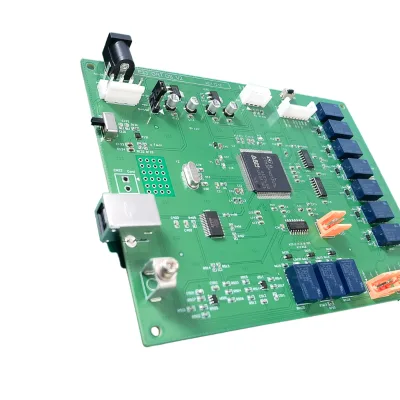
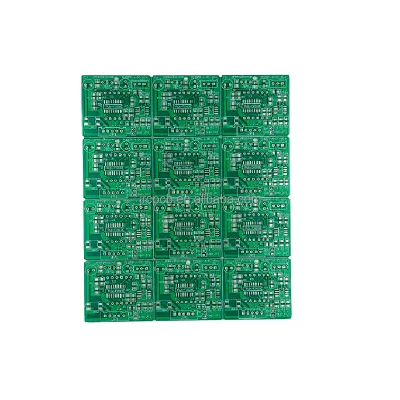
Electronic Circuit Board Manufacturer Custom Industrial Control Fr4 PCB for Control Board
$0.98 - $1.34
MOQ: 100 Pieces

- Manufacturer/Factory
- China Guangdong
- Lead time15 days
- Avg. response≤ 14h
Main productsPCB Board, PCB / Aluminum PCB, Printed Circuit Board / Circuit Board, LED PCB / LED Strip / Light PCB, PCBA / PCB Assembly, OEM PCB / MCPCB, Multilayer PCB / Fr4 PCB, Flexible PCB / FPC, SMT Assembly / PCB Layout, PCB Manufacturers / Electronics PCB
Main marketsSouth America,Eastern Europe,North America,Southeast Asia,Oceania,Western Europe


$1.00 - $2.00
MOQ: 1 Pieces

Dalian Jy Electronics & Technology Co., Ltd.
- Verified by SGS Group
- Manufacturer, Trading Company
- Lead time25 days
- Avg. response≤ 1h
Main productsPCB, PCB Assembly
Main marketsWestern Europe(53%), North America(16%), Domestic Market(16%)

Shenzhen Xinjiaye Electronics Technology Co., Ltd.
- Verified by BV
- Trading Company,Manufacturer/Factory
- China Guangdong
- Lead time15 days
- Avg. response≤ 6h
Main productsPCB, PCB Board, Aluminum PCB, FPC, PCBA, LED PCB, PCB Assembly, Printed Circuit Board, Rigid PCB, MCPCB
Main marketsSouth America,Eastern Europe,Mid East,North America,Southeast Asia,Eastern Asia,Oceania,Western Europe,Africa
Dongguan Xinrongxing Technology Co., Ltd.
- Verified by Intertek
- Trading Company
- Lead time10 days
- Avg. response≤ 2h
Main products22F half glass fiber power circuit board, CEM-1 Home Appliance Circuit Board, 94HB charger circuit board, FR-4 0.8T antenna circuit board, Aluminum based single sided LED circuit board
Main marketsDomestic Market(70%), North America(20%), South Asia(10%)
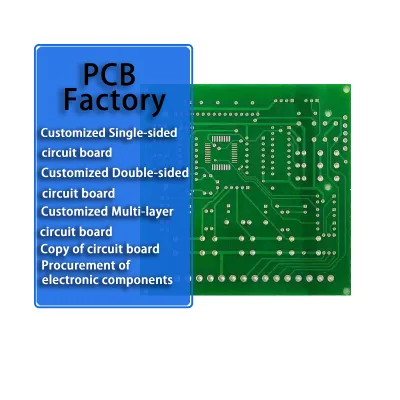
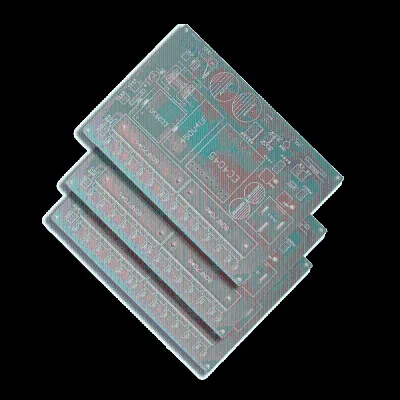
High-Flame Retardant FR-4 Double-Sided Printed Circuit Board Custom Energy Factory Applied PCB
$0.2592 - $0.8793
MOQ: 10 pieces
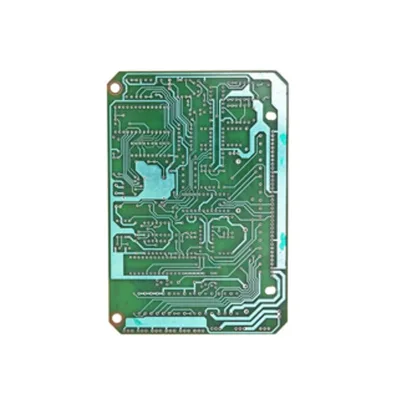
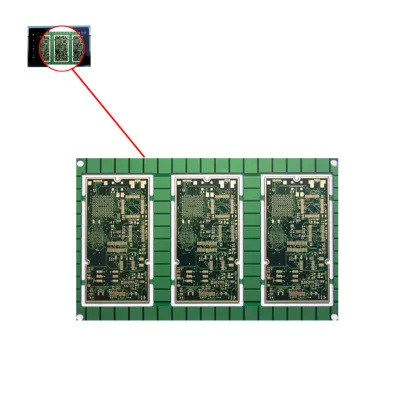
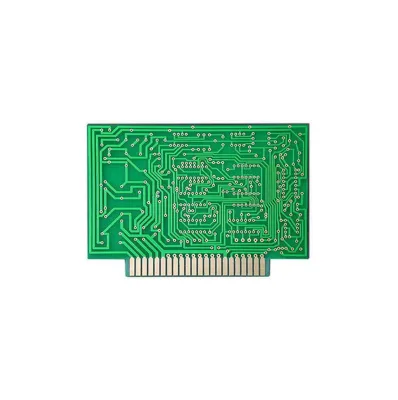
Popular 2mm High-performance FR-4 Power PCB for Toys
$0.85 - $1.10
Shenzhen Ac Electronic Technology Co., Ltd.
- Verified by TüVRheinland
- Trading Company
- Lead time15 days
- Avg. response≤ 2h
Main productsHDI PCB, Multilayer PCB, Printed Circuit Board, PCBA, Ceramic PCB
Main marketsNorth America(50%), Eastern Asia(20%), Western Europe(20%)

China Dragon Electronic Industrial Co., Limited
- Verified by BV
- Combined
- China Guangdong
- Lead time23 days
- Avg. response≤ 7h
Main productsPCB, PCBA, LED Grow Light, PCB Design, Industrial Control, Smart Home, Communications Equipment, Medical Hairdressing, Multilayer PCB
Main marketsEurope,North America
Suzhou Engine Electronic Technology Co., Ltd.
- Verified by SGS Group
- Trading Company
- Lead time10 days
- Avg. response≤ 5h
Main productsPCB, PCBA
Main marketsDomestic Market(30%), Eastern Europe(25%), North America(20%)
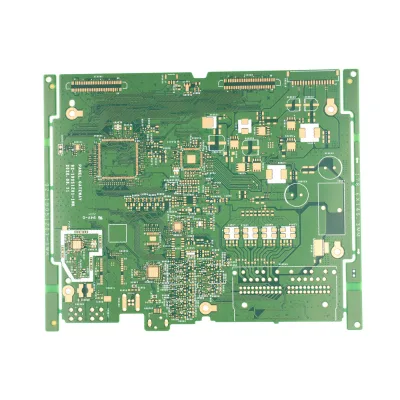
PCB Electronics Fabrication Developing FR4 Printed Circuit Board PCB For Vehicle Engine
$0.3086 - $0.5153
MOQ: 1 pieces
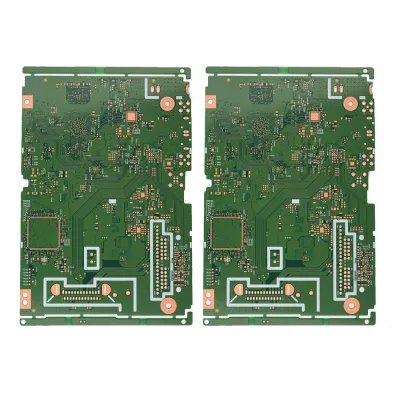
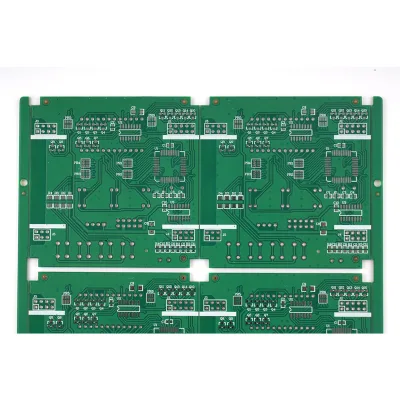
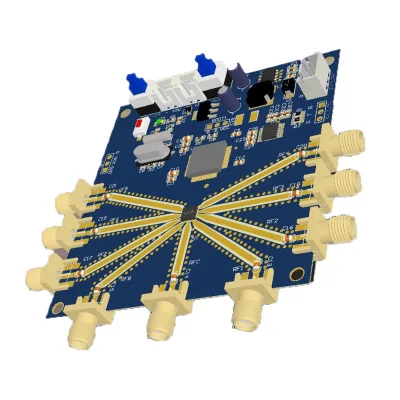
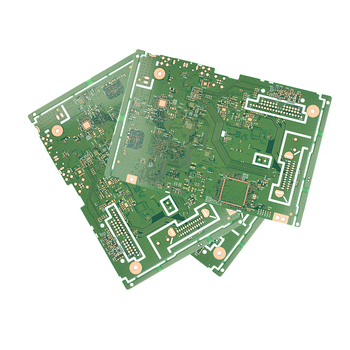
Circuit Board OEM Factory PCB Custom Multilayer Layout FR4 Printing Electronic Circuit Board
$0.30 - $0.50
MOQ: 1 pieces
$0.30 - $0.50
MOQ: 1 pieces

Fastline Circuits Co., Limited
- Trading Company
- China Guangdong
- Lead time15 days
- Avg. response≤ 6h
Main productsPrint Circuit Board, Aluminum PCB, Flexible PCB, Rigid PCB, PCB Prototype, PCB Assembly, PCB Board, LED PCB, Circuit Board, PCB
Main marketsSouth America,Southeast Asia/ Mideast,Europe,North America


Customized Copper Multilayer Fr4 PCB with Customized Printed Circuit Board PCB Electronic PCB
$0.15 - $0.75
MOQ: 1 Pieces


Shenzhen New Chip international Ltd
- Verified by TUVRHEINLAND
- Combined
- China Guangdong
- Lead time30 days
- Avg. response≤ 6h
Main productsPCB, PCBA, IC
Main marketsSoutheast Asia/ Mideast
Guangzhou Highleap Electronic Co., Ltd.
- Manufacturer
- Guangdong Province, China
- Lead time7 days
- Avg. response≤ 8h
Main productsPCB,PCB Assembly,Components Sourcing,Electronic Manufacturing Service,PCB Design
Main marketsNorth America(24.00%), Western Europe(21.00%), Southeast Asia(8.00%), Northern Europe(8.00%), Domestic Market(8.00%), Africa(6.00%), Eastern Asia(6.00%), Mid East(6.00%), Eastern Europe(6.00%), Oceania(4.00%), South America(3.00%)
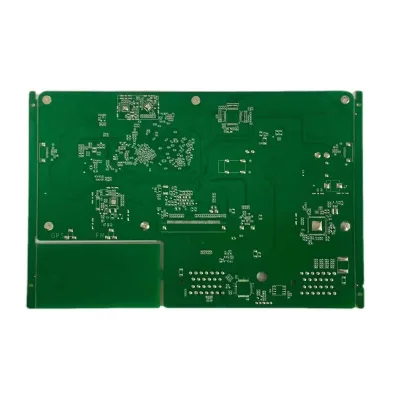
Custom PCB Service IMSn Surface Treatment ±0.05mm Press Fit Hole Ttolerance FR4 Yellow PCB with ICT
$0.50 - $5.00
MOQ: 1 pieces
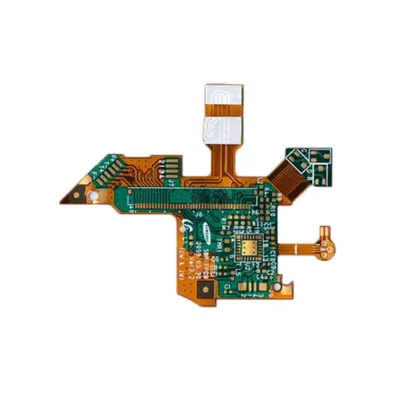
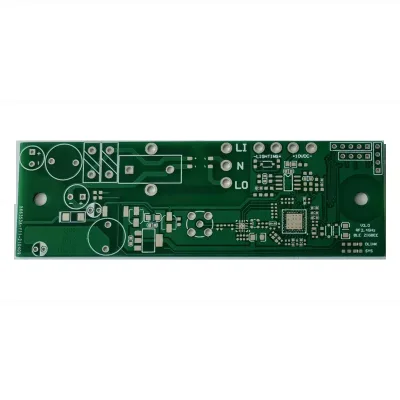
OEM ODM PCB HASL-LF ±0.05mm Press Fit Hole Tolerance M-6 High Speed Materials PCB Service with IQC
$0.5153 - $5.1486
MOQ: 1 pieces
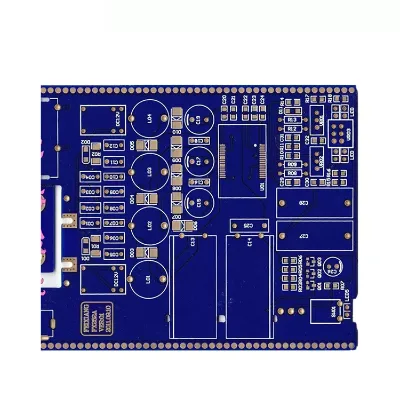
Factory PCB ENEG ±0.05mm Press Fit Hole Ttolerance M-7 High Speed Materials PCB Service with AOI
$0.5153 - $5.1486
MOQ: 1 pieces

- Manufacturer/Factory
- China Guangdong
- Lead time15 days
- Avg. response≤ 16h
Main productsPCB, PCBA, Electronic Manufacturing Service, OEM Service, Circuit Board
Main marketsSouth America,Eastern Europe,Mid East,North America,Southeast Asia,Eastern Asia,Oceania,Western Europe,Africa

China PCB Customized/ PCB SMT Service Multilayer PCB Circuit Board Fr4 PCB Printed Circuit Board
$0.01 - $50.00
MOQ: 1 Pieces

Printed Circuits Board/ Bare PCB/Fr4/Electronic Manufacturing/OEM/Rigid PCB/ Flex PCB
$0.01 - $150.00
MOQ: 1 Pieces

Customization PCB Rigid Print Circuit Board Fr4 Bare Board PCB with High Pass Rate
$0.01 - $5.00
MOQ: 1 Pieces


Shenzhen Keshijia Electronic Precision Co., Ltd.
- Manufacturer
- Guangdong, China
- Lead time0 days
- Avg. response≤ 6h
Main productsPCB,PCBA,Drone,FPV,Components
Main marketsWestern Europe(25.00%), North America(18.00%), Northern Europe(11.00%), Eastern Asia(11.00%), Southern Europe(8.00%), South America(7.00%), Mid East(6.00%), Southeast Asia(5.00%), Eastern Europe(5.00%), South Asia(2.00%), Africa(2.00%)

SNT Electronics Technology Co., Ltd.
- Verified by SGS
- Combined
- China Guangdong
- Lead time30 days
- Avg. response≤ 1h
Main productsMembrane Switches, Overlay Panel, Backlight Membrane Switches, Pet Printed Circuit
Main marketsDomestic,Europe,Australia,North America
Shenzhen Cxcw Electronic Co., Ltd.
- Verified by TüVRheinland
- Trading Company
- Lead time3 days
- Avg. response≤ 2h
Main productsIntegrated Circuit, Communication Module, Display Device, Servo Motor, Camera Modules
Main marketsNorth America(20%), Eastern Europe(20%), Southeast Asia(20%)
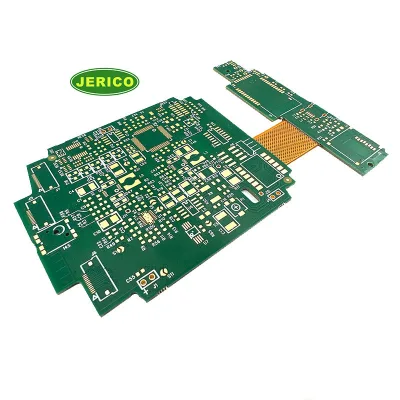
SHENZHEN JERICO MULTILAYER PCB CO., LTD.
- Verified by SGS Group
- Manufacturer, Trading Company
- Lead time12 days
- Avg. response≤ 4h
Main productsPCB, PCBA
Main marketsNorth America(18%), Southeast Asia(15%), Western Europe(15%)

Shenzhen Grandtop Electronics Co., Ltd.
- Trading Company,Manufacturer/Factory
- China Guangdong
- Lead time30 days
- Avg. response≤ 3h
Main productsPCB Assembly, Robotic Control PCB Assembly, Industrial Control PCBA, Medical PCBA, Financial PCBA, Contract Manufacturer, Automatic Control PCB Assembly, OEM &ODM PCBA, Turnkey Service PCBA, One Stop PCB Assembly
Main marketsSouth America,Eastern Europe,Mid East,North America,Southeast Asia,Eastern Asia,Western Europe,Africa

Shenzhen Jingxin Electronic Technology Co., Ltd.
- Verified by BV
- Combined
- China Guangdong
- Lead time30 days
- Avg. response≤ 7h
Main productsPCBA, PCB, Print Circuit Board, Flexible Circuit Board, Rigid PCB Assembly, PCB Assembly, Circuit Board, FPC, HDI PCB
Main marketsEurope,Australia,North America
Shenzhen Fulltronics Corporation Limited
- Verified by TüVRheinland
- Trading Company
- Lead time12 days
- Avg. response≤ 7h
Main productsPCB, PCBA, Other PCB & PCBA
Main marketsNorth America(35%), Western Europe(15%), South America(10%)
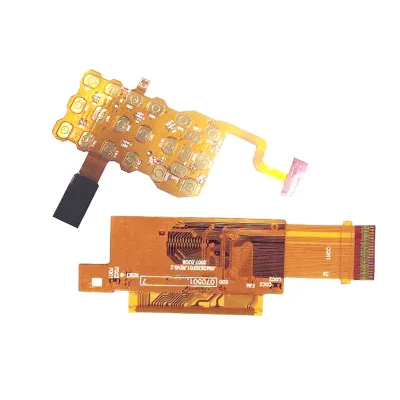
FC Other Pcb Assembled Fr4 Print Circuit Board Assembled Pcb FPC
$0.5183 - $6.2122

Shenzhen Core Hecheng Electronic Technology Co., Ltd.
- Verified by CTI
- Manufacturer/Factory,Group Corporation
- China Guangdong
- Lead time15 days
- Avg. response≤ 5h
Main productsPCBA Assembly, PCBA, PCB, Quick Turn PCB Assembly, Turnkey PCB Assembly, Cheap PCB Assembly, Prototype PCB Assembly, Volume PCB Assembly, Low Cost PCB
Main marketsSouth America,Eastern Europe,North America,Southeast Asia,Eastern Asia,Western Europe

Shenzhen Mingxingyuan Industrial Interconnection Co., Ltd.
- Verified by SGS
- Trading Company
- China Guangdong
- Lead time15 days
- Avg. response≤ 4h
Main marketsOthers(foreignTradeCapacity.exportBusinessCapacityMarketOther)
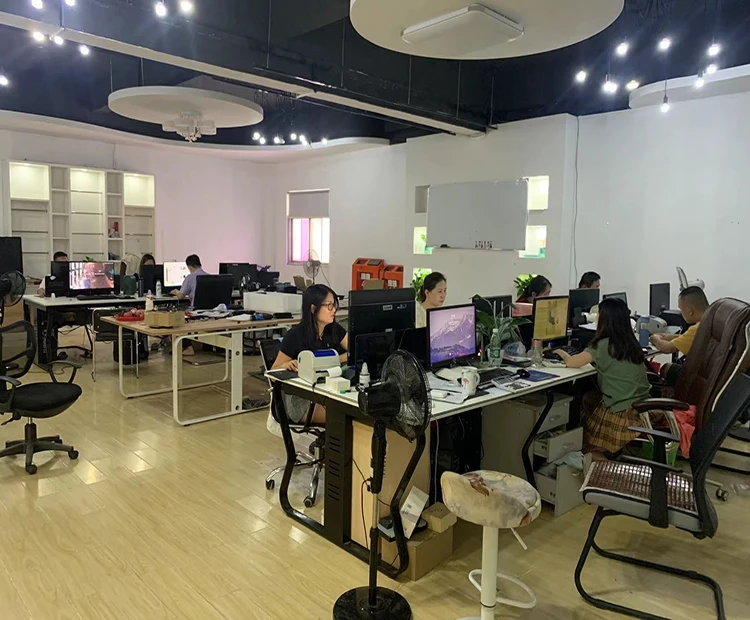
Shenzhen Futian District Hongxingyeda Electronic Firm
- Manufacturer, Trading Company
- Guangdong, China
- Lead time3 days
- Avg. response≤ 4h
Main productschip,integrated circuit,ic,transistor,crystal
Main marketsNorth America(30.00%), Northern Europe(10.00%), Southern Europe(10.00%), South America(10.00%), Domestic Market(5.00%), Central America(5.00%), Western Europe(5.00%), Eastern Asia(5.00%), Eastern Europe(5.00%), South Asia(5.00%), Africa(5.00%), Mid East(3.00%), Southeast Asia(1.00%), Oceania(1.00%)

Guangdong Global Well Electronic Limited
- Verified by CTI
- Trading Company
- China Guangdong
- Lead time15 days
- Avg. response≤ 4h
Main productsOEM/ODM PCB+PCBA+Chip, Wire Harness OEM/ODM, Connector OEM/ODM, Assembly Finished Products, PCB Board OEM/ODM, PCB Assembly OEM/ODM, Electronic Components IC Chips
Main marketsSouth America,Southeast Asia/ Mideast,East Asia(Japan/ South Korea),Europe,North America
Zhongshan FOXCOM Tech Co., Ltd.
- Manufacturer, Trading Company
- Guangdong, China
- Lead time21 days
- Avg. response≤ 1h
Main productsPCB,PCB assembly,PCB board,PCBA assembly,Components Sourcing
Main marketsWestern Europe(29.00%), North America(26.00%), Eastern Europe(10.00%), South America(10.00%), Mid East(10.00%), Eastern Asia(6.00%), Northern Europe(5.00%), Africa(1.00%), South Asia(1.00%), Central America(1.00%), Southeast Asia(1.00%)
Shenzhen Honlex circuits Co., Ltd.
- Verified by TüVRheinland
- Manufacturer, Trading Company
- Lead time0 days
Main productsFR4 Multilayer PCB, High Speed PCB, Rigid Flex Board PCB, Flexible PCB, PTFE High Frequency PCB
Main marketsNorth America(10%), Eastern Europe(10%), Southeast Asia(10%)
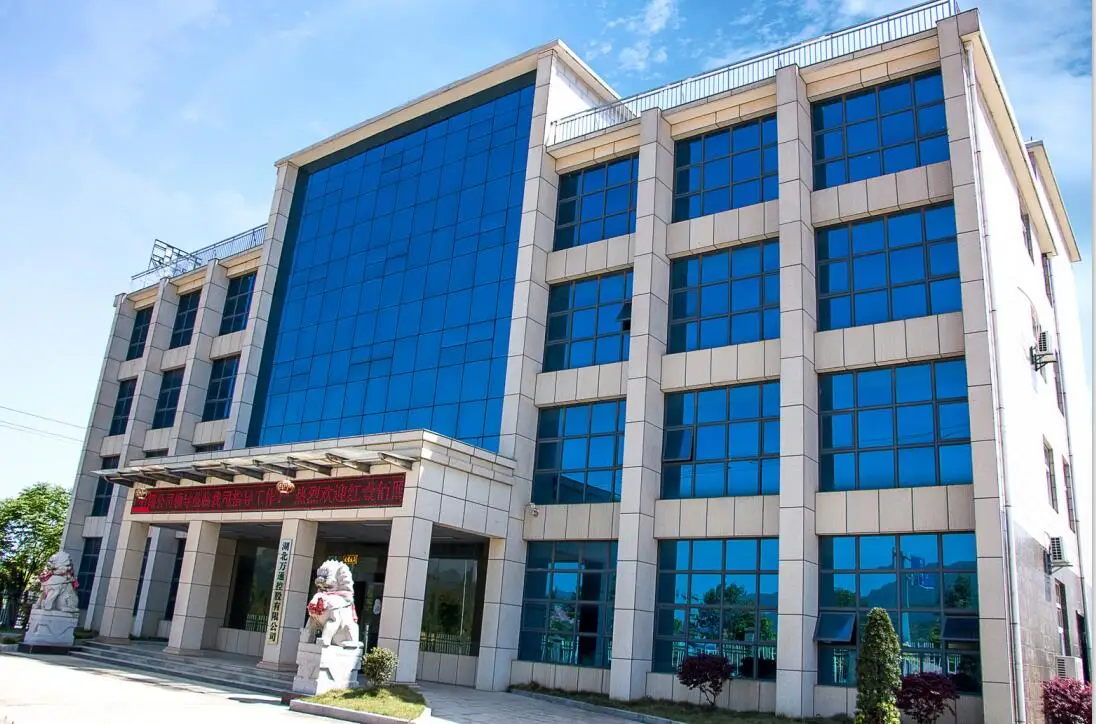
Hubei Zhongpei Electronics Technology Co., Ltd.
- Manufacturer, Trading Company
- Hubei, China
- Lead time7 days
- Avg. response≤ 3h
Main productsPCB
Main marketsDomestic Market(30.00%), South America(20.00%), Eastern Europe(15.00%), Western Europe(10.00%), Southern Europe(10.00%), North America(5.00%), Eastern Asia(5.00%), Southeast Asia(3.00%), Mid East(2.00%)

Dongguan Access Star Co., Ltd.
- Verified by SGS
- Combined
- China Guangdong
- Lead time30 days
- Avg. response≤ 6h
Main productsWire Harness, Cable Assembly, PCB Assembly, Box Build, USB Cable, Power Cable, Charging Cable, Plastic Parts, Die Casting Parts, Stamping Parts
Main marketsOthers(foreignTradeCapacity.exportBusinessCapacityMarketOther),East Asia(Japan/ South Korea),Domestic,Europe,Australia,North America

PCB Assembly Service, Custom Fr4 PCB Circuit Board with Parts Purchasing
$6.66 - $8.88
MOQ: 1000 Pieces


Kinglisheng (Shenzhen) Electronics & Technology Co., Ltd.
- Verified by Intertek
- Manufacturer, Trading Company
- Lead time3 days
- Avg. response≤ 3h
Main productsPCB, PCBA, Power Switch PCBA, Ceramic PCB, Charging Pile PCBA
Main marketsNorth America(31%), Eastern Europe(29%), Southeast Asia(9%)
Shenzhen Intech Electronic Technology Limited
- Manufacturer
- Guangdong, China
- Lead time0 days
- Avg. response≤ 4h
Main productsPCB,PCBA,2.5/3.5/6.35Phone Jack,DC Power Jack,Push switch
Main marketsEastern Europe(20.00%), Western Europe(15.00%), Central America(12.00%), Southern Europe(10.00%), North America(9.00%), South America(6.00%), Mid East(5.00%), South Asia(5.00%), Eastern Asia(4.00%), Africa(3.00%), Domestic Market(3.00%), Northern Europe(3.00%), Southeast Asia(2.00%)
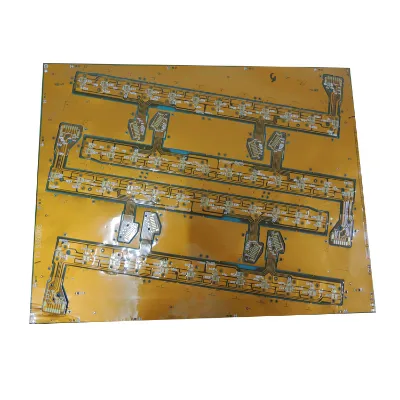
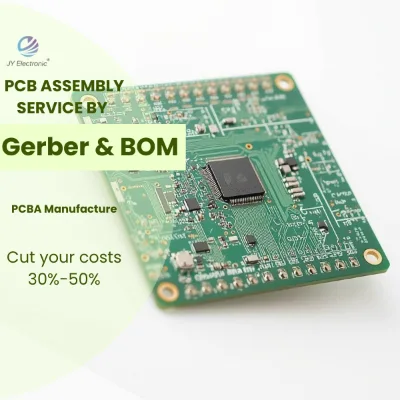












Comprehensive Sourcing Guide
Fr-4 Press Fit Hole Pcb Supplier Concentration and Factory Types
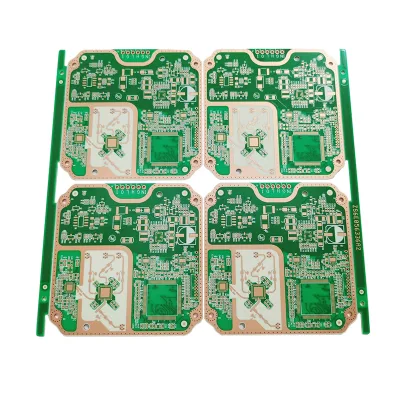
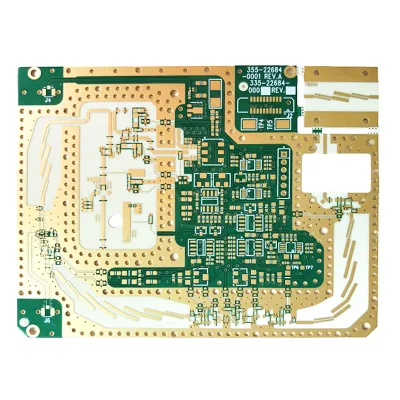
The current supplier landscape for Fr-4 press fit hole PCBs reveals a distinct split between trading companies and direct manufacturers, each offering different value propositions for buyers seeking specific component solutions. Data indicates that a significant portion of available suppliers are classified as trading companies, which often aggregate products from various sources to offer a broader catalog including ICs, resistors, capacitors, and sensors alongside PCBs. These entities typically provide a response time averaging around 6.82 hours, suggesting a moderate level of engagement readiness, though they may not possess direct control over the manufacturing nuances of complex press-fit technologies. In contrast, other suppliers in the results are identified as manufacturers or factories, capable of providing OEM services and holding extensive system certifications such as ISO 9001, TS 16949, and ISO 14001. These factory-type suppliers often highlight their capacity for handling multilayer rigid PCBs and specialized assemblies, indicating a deeper technical capability for the structural integrity required in press-fit applications.
Understanding this dichotomy is crucial for buyers evaluating the supply chain for Fr-4 press fit hole PCBs, as the choice between a trader and a manufacturer impacts quality control, customization flexibility, and direct communication. Trading companies may offer competitive pricing on standard passive components and simpler PCB layouts, with some listing minimum order quantities as low as one unit for certain items, which suits prototyping or low-volume needs. However, for high-precision requirements involving blind buried holes or specific dielectric properties, direct manufacturers provide more assurance through their stated capabilities in ODM and OEM processes. The presence of suppliers with RD capacity for ODM suggests that some factories can assist in the design phase, ensuring that the Fr-4 material and press-fit hole specifications meet the mechanical and electrical demands of the final assembly. Buyers must therefore assess whether their project requires the breadth of a trading company or the specialized technical depth of a manufacturer to ensure the press-fit holes are drilled and plated to the exact tolerances required for reliable connection.
How to Verify Fr-4 Press Fit Hole Pcb Suppliers
Verifying the legitimacy and technical competence of suppliers for Fr-4 press fit hole PCBs requires a rigorous examination of their verification badges, certifications, and specific product attributes rather than relying on general company descriptions. Buyers should prioritize suppliers who display third-party verification from recognized bodies such as TÜV Rheinland, which adds a layer of trust regarding the company's operational stability and business practices. Beyond basic verification, the presence of specific quality management certifications is critical for PCB manufacturing; suppliers listing ISO 9001, ISO 14001, or TS 16949 demonstrate adherence to international standards for quality control and environmental management, which are essential for producing consistent press-fit hole PCBs. Additionally, checking for product-specific certifications like UL, RoHS, and SGS on individual product listings ensures that the materials used, such as the FR-4 epoxy resin laminate, meet safety and regulatory requirements for the target market. These credentials serve as objective evidence of a supplier's commitment to quality and compliance, reducing the risk of receiving substandard components that could fail in press-fit applications.
Furthermore, buyers must scrutinize the detailed product attributes provided in the supplier listings to confirm technical alignment with press-fit hole requirements. Key specifications to verify include the base material composition, such as epoxide woven glass fabric laminate, and the surface finish options like OSP or Immersion Gold, which affect the durability and conductivity of the press-fit interface. The listing should explicitly state the board layer count, such as 4-layer multilayer rigid PCBs, and the finished copper thickness, typically 1oz, which influences the mechanical strength of the hole walls. Buyers should also look for details on processing technologies, such as electrolytic foil, and testing methods like E-Testing or Flying Probe Testing, which are vital for ensuring the integrity of blind and buried holes often associated with high-density press-fit designs. By cross-referencing these technical details with the supplier's stated capabilities and certifications, buyers can build a comprehensive profile of each potential partner, ensuring that the selected supplier has the verified infrastructure and quality systems necessary to produce reliable Fr-4 press fit hole PCBs.
What to Compare Across Fr-4 Press Fit Hole Pcb Suppliers
When evaluating multiple suppliers for Fr-4 press fit hole PCBs, buyers should systematically compare key operational metrics such as lead times, minimum order quantities, and response speeds to determine which partner best fits their production schedule and volume requirements. Lead times vary significantly across the supplier base, with some manufacturers offering a standard lead time of 15 days for general orders, while others may provide faster turnaround options for specific products, such as a 7-working-day lead time for certain multilayer PCBs. This variation is crucial for buyers managing tight production deadlines, as delays in PCB fabrication can bottleneck the entire assembly process. Similarly, minimum order quantities (MOQ) range widely, from as low as one unit for some trading companies to higher thresholds like 100 units for specialized industrial control PCBs. Buyers must align these MOQs with their projected demand, considering that lower MOQs may incur higher per-unit costs, while larger orders might benefit from economies of scale but require greater capital commitment.
Response time is another critical differentiator, with some suppliers demonstrating an average response time of approximately 6.82 hours, indicating a proactive and efficient communication channel, while others may have longer response windows. For complex projects involving custom press-fit hole specifications, rapid communication is essential for resolving technical queries regarding dielectric properties, material thickness, and surface finishes. Buyers should also compare the range of main products offered, as suppliers specializing in a broad array of electronic components may offer bundled pricing or convenience, whereas those focusing exclusively on PCB and PCBA services may provide deeper expertise in assembly and layout. Additionally, comparing the customization options available, such as the ability to handle double-sided or multilayer structures, and the availability of specific surface treatments like Immersion Gold or HASL, will help buyers identify suppliers capable of meeting the precise technical demands of their Fr-4 press fit hole PCB designs. This holistic comparison ensures that the selected supplier not only meets technical specifications but also aligns with the buyer's logistical and operational needs.
Common Fr-4 Press Fit Hole Pcb Sourcing Risks
Sourcing Fr-4 press fit hole PCBs carries inherent risks related to technical precision, material consistency, and supply chain transparency, which buyers must actively mitigate through careful supplier selection and contract terms. One primary risk is the potential for mismatched specifications, particularly regarding the press-fit hole dimensions and tolerances. If a supplier lacks the advanced drilling and plating capabilities required for high-precision holes, the resulting PCBs may not fit correctly into the housing or connectors, leading to assembly failures and increased scrap rates. Buyers should be wary of suppliers who do not explicitly detail their processing technologies, such as electrolytic foil processing, or who fail to provide clear information on their testing protocols, such as flying probe testing. Without these details, there is a heightened risk of receiving boards with internal defects or inconsistent copper thickness, which can compromise the mechanical integrity of the press-fit connection. Additionally, the use of non-standard or low-quality FR-4 materials may result in poor dielectric properties or flame retardancy issues, posing safety and performance risks in the final product.
Another significant risk involves the reliability of the supplier's production capacity and delivery consistency. Trading companies, while offering convenience, may act as intermediaries who do not directly control the manufacturing process, potentially leading to delays or quality inconsistencies if their upstream factories face issues. Buyers should verify the actual manufacturing capabilities of their suppliers, especially if the supplier claims OEM or ODM capacity, to ensure they have the necessary equipment and expertise. Furthermore, the risk of intellectual property leakage is heightened when working with suppliers who handle custom designs, particularly those involving complex multilayer structures or proprietary press-fit hole layouts. Buyers must ensure that robust confidentiality agreements are in place and that the supplier has a proven track record of protecting client data. Additionally, price volatility and hidden costs, such as those related to specialized packaging or expedited shipping, can impact the total cost of ownership. By identifying these risks early and demanding transparency in technical specifications and operational processes, buyers can better protect their projects from potential disruptions and quality failures.
Fr-4 Press Fit Hole Pcb Regional Sourcing and Logistics
The regional concentration of Fr-4 press fit hole PCB suppliers offers logistical advantages and challenges that buyers must consider when planning their sourcing strategy. Current data indicates that a significant number of suppliers are located in China, specifically in the Guangdong region, which is a major global hub for electronics manufacturing. This concentration provides buyers with access to a dense ecosystem of suppliers, raw material providers, and logistics partners, often resulting in competitive pricing and efficient supply chains. However, sourcing from this region also requires careful attention to international shipping logistics, customs regulations, and potential lead time variations due to regional production volumes. Buyers should evaluate the supplier's experience with international shipping, including their packaging standards, such as vacuum packaging for PCBs, to ensure that the boards arrive in pristine condition, free from moisture damage or physical deformation. The proximity of suppliers to major ports in Guangdong can facilitate faster shipping times, but buyers must also account for transit times and potential delays due to global logistics fluctuations.
Beyond regional logistics, buyers should assess the supplier's ability to handle export documentation and compliance with international trade regulations. Suppliers in established manufacturing hubs like Guangdong are typically well-versed in export procedures, but buyers must still verify that the supplier can provide all necessary documentation, including certificates of origin and material safety data sheets. Additionally, the choice of shipping method, whether by air or sea, will impact the cost and speed of delivery, with air freight being faster but more expensive, and sea freight being more cost-effective for larger volumes. Buyers should also consider the supplier's flexibility in handling different Incoterms, such as EXW or standard shipping terms, to determine who bears the responsibility and cost for transportation and insurance. By understanding the logistical landscape of the supplier's region, buyers can optimize their supply chain, minimize transit times, and ensure that their Fr-4 press fit hole PCBs are delivered efficiently and reliably to their manufacturing facilities.
Fr-4 Press Fit Hole Pcb Commercial Terms and Order Planning
Effective order planning for Fr-4 press fit hole PCBs requires a thorough understanding of the commercial terms, pricing structures, and payment conditions offered by suppliers to ensure financial predictability and operational smoothness. Pricing for these components can vary widely based on factors such as board layer count, material thickness, surface finish, and order volume. For instance, some suppliers list price ranges for standard PCBs, while others may provide custom quotes for complex press-fit hole designs. Buyers should request detailed quotations that break down costs for materials, labor, and testing, allowing for accurate cost comparisons across different suppliers. Additionally, buyers must clarify the payment terms, such as the use of escrow services for secure transactions, which protect both parties by holding funds until the goods are received and verified. Understanding the supplier's policy on price validity and potential adjustments for raw material cost fluctuations is also essential for long-term sourcing stability.
Order planning should also account for the supplier's capacity to handle recurring orders and potential scale-up requirements. Buyers should discuss volume discounts, production lead times for repeat orders, and the supplier's ability to maintain consistent quality over time. It is advisable to establish a clear communication channel for order tracking and issue resolution, ensuring that any discrepancies in quantity or quality can be addressed promptly. Furthermore, buyers should consider the supplier's flexibility in handling rush orders or changes in design, as these scenarios
FAQs
What is the minimum order quantity for FR4 PCBs?
The minimum order quantity varies by supplier and product type. Some suppliers offer an MOQ of just 1 unit for standard FR4 material PCBs, while others require a minimum of 100 units for specialized industrial control boards. Buyers should check the specific product listing to confirm the exact MOQ applicable to their order size and customization needs.
What certifications do FR4 PCB suppliers hold?
Suppliers may hold various quality and environmental certifications. Common certifications include ISO 9001, ISO 14001, TS 16949, and OHSAS 18001. Some products are verified against UL, RoHS, and SGS standards. Additionally, some suppliers undergo TUVRHEINLAND verification. Buyers should verify specific certification requirements for their industry compliance needs before placing an order.
What is the typical lead time for FR4 PCB manufacturing?
Lead times depend on the supplier and product complexity. General lead times can be around 15 days for some suppliers, while specific multilayer rigid PCBs may have a lead time of 7 working days. Buyers should confirm the exact production timeline with the supplier, as rush orders or complex customizations may affect the final delivery schedule.
What is the price range for FR4 PCBs?
Prices vary significantly based on specifications. Basic FR4 material PCBs can range from $0.0001 to $0.10 per unit. More complex assemblies or specific industrial control boards may cost between $0.98 and $1.34. Multilayer PCBs and PCBA services can range from $1.00 to $10.00. Buyers should request quotes for exact specifications to get accurate pricing.
Are FR4 PCBs customizable?
Yes, customization is widely available for FR4 PCBs. Suppliers offer options for custom dimensions, layer counts, surface finishes like immersion gold or OSP, and specific applications such as consumer electronics or industrial control. Buyers can request custom designs, including blind and buried vias, and should discuss their specific requirements with the supplier to ensure the final product meets their needs.
What is the response time for supplier inquiries?
Supplier response times vary. Some suppliers respond within an average of 6.82 hours, while others may take up to 13.64 hours. Faster response times are often associated with trading companies, while manufacturers may have slightly longer response periods. Buyers should expect responses within a day and consider contacting multiple suppliers to ensure timely communication regarding their orders.