Fingerprint Lock Custom PCBA Suppliers and Manufacturers
Source 17 verified suppliers for Fingerprint Lock Custom PCBA solutions. Compare grounded dimensions including China Guangdong and Jiangsu locations, lead times of 15-21 days, and certifications like RoHS and ISO. Review pricing and MOQs to identify the right partner for your electronic assembly needs.
Updated
Suppliers List

- Verified by TUVRHEINLAND
- Combined
- China Guangdong
- Lead time15 days
- Avg. response≤ 6h
Main productsPrinted Circuit Boards, PCBA, PCB Prototype, PCBA Service, PCBA Prototype, PCBA Quick-Turn Manufacturing, PCB Design, Circuit Board Assemblycircuit Board Assembly, Electronic Assembly, Turnkey PCB Assembly
Main marketsSouth America,Southeast Asia/ Mideast,Europe,Australia,North America

Pcbasic Manufacturer China PCB Assembly Prototype Service Fingerprint Foor Lock PCBA
$0.90 - $3.90
MOQ: 1 Pieces


Pcbasic High Quality Customized Consumer Electronics Board Reader Remote Control Smart Lock PCBA
$0.90 - $3.90
MOQ: 1 Pieces

Manufacture High Quality Development Design Service Smarthome Electronics Lock Smart Doorlock PCBA
$0.90 - $3.90
MOQ: 1 Pieces

Pcbasic Module Smart Digital Electronics Safe Intelligent Door Lock Fingerprint Padlock PCB
$0.90 - $2.60
MOQ: 1 Pieces
Suzhou Btos Electronics Co., Ltd.
- Manufacturer, Trading Company
- Jiangsu, China
- Lead time21 days
- Avg. response≤ 2h
Main productsPCB&PCBA sample,PCB&PCBA manufacture,PCB&PCBA design,PCB&PCBA test,component taping
Main marketsDomestic Market(60.00%), North America(20.00%), Mid East(10.00%), Southern Europe(10.00%)

Mu Star (Shenzhen) Industry Co., Ltd.
- Verified by SGS
- Trading Company
- China Guangdong
- Lead time30 days
- Avg. response≤ 13h
Main marketsEurope

Access Control Printed Circuit Board Fingerprint Sensor Door Lock Interface PCB PCBA
$1.20 - $1.60
MOQ: 1 Pieces

Fingerprint Sensor Door Lock Interface Industrial Extended Temperature Range PCB PCBA
$1.20 - $1.60
MOQ: 1 Pieces

Printed Circuit Board Fingerprint Sensor Door Lock Interface Industrial Extended PCB PCBA
$1.20 - $1.60
MOQ: 1 Pieces

Access Control Printed Circuit Board Fingerprint Sensor Door Lock Interface Industrial PCB PCBA
$1.20 - $1.60
MOQ: 1 Pieces


Access Control Fingerprint Sensor Door Lock Interface Industrial Extended Temperature Range PCB PCBA
$1.20 - $1.60
MOQ: 1 Pieces

Shenzhen Upus Technology Co., Ltd
- Verified by SGS
- Combined
- China Guangdong
- Lead time30 days
- Avg. response≤ 7h
Main productsVending Machine, Mini Vending Machine, Helmet Cleaning Machine, Automatic Shoe Washing Machine, Intelligent Express Locker, Smart Locker, Smart Coffee Vending Machine, IoT Hardwares, All-in-One PC, Control Board
Main marketsSoutheast Asia/ Mideast


Factory Direct 50 Channels Lock Control Board RS485 Interface 1-Year Warranty PCBA Manufacturer
$50.00 - $60.00
MOQ: 1 Sets


Shenzhen Mingxingyuan Industrial Interconnection Co., Ltd.
- Verified by SGS
- Trading Company
- China Guangdong
- Lead time15 days
- Avg. response≤ 4h
Main marketsOthers(foreignTradeCapacity.exportBusinessCapacityMarketOther)
Shenzhen Kinglisheng Electronic & Technology Co., Limited
- Verified by TüVRheinland
- Manufacturer, Trading Company
- Lead time3 days
- Avg. response≤ 3h
Main productsPCB, PCBA
Main marketsDomestic Market(53%), North America(15%), Eastern Europe(10%)
Shenzhen STHL Electronics Co., Ltd.
- Manufacturer
- Guangdong, China
- Lead time20 days
- Avg. response≤ 4h
Main productsPCB & PCB Assembly service,SMT Assembly,DIP Assembly,Components Sourcing,Function Test
Main marketsDomestic Market(20.00%), North America(16.00%), Western Europe(15.00%), Eastern Asia(8.00%), Mid East(8.00%), Eastern Europe(8.00%), Southern Europe(8.00%), South America(6.00%), Southeast Asia(5.00%), Northern Europe(4.00%), Africa(2.00%)
Hangzhou Frankever Imp. & Exp. Co., Ltd.
- Verified by SGS Group
- Trading Company
- Lead time30 days
- Avg. response≤ 3h
Main productsSoldering Iron, Smart Home Products, Multimeter, Remote control
Main marketsWestern Europe(35%), North America(30%), South America(20%)
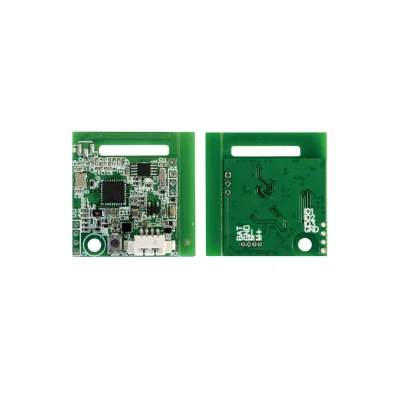
$0.9213 - $5.1172
MOQ: 10 Minimum
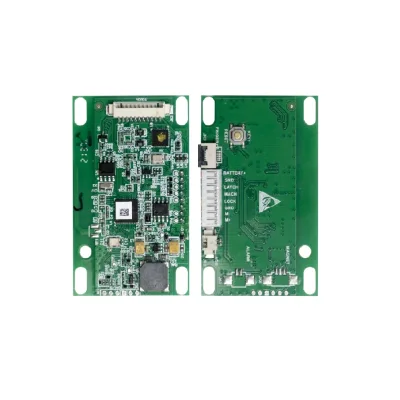
$0.9258 - $5.1411
MOQ: 10 Minimum

Jiangxi krovi Information Technology Co., Ltd.
- Verified by TUVRHEINLAND
- Trading Company
- China Jiangxi
- Lead time23 days
- Avg. response≤ 2h
Main productsSmart Door Lock, Smart Lock, Smart Home, Lock
Main marketsSouth America,Domestic,Europe

- Verified by SGS
- Manufacturer/Factory
- China Guangdong
- Lead time120 days
- Avg. response≤ 1h
Main productsPCB, PCBA, PCB Assembly, High Frequency PCB, Multilayer PCB, FPC PCB, Rigid-Flex PCB, LED PCB, Copper PCB, Aluminum PCB
Main marketsSouth America,Eastern Europe,North America,Southeast Asia,Western Europe
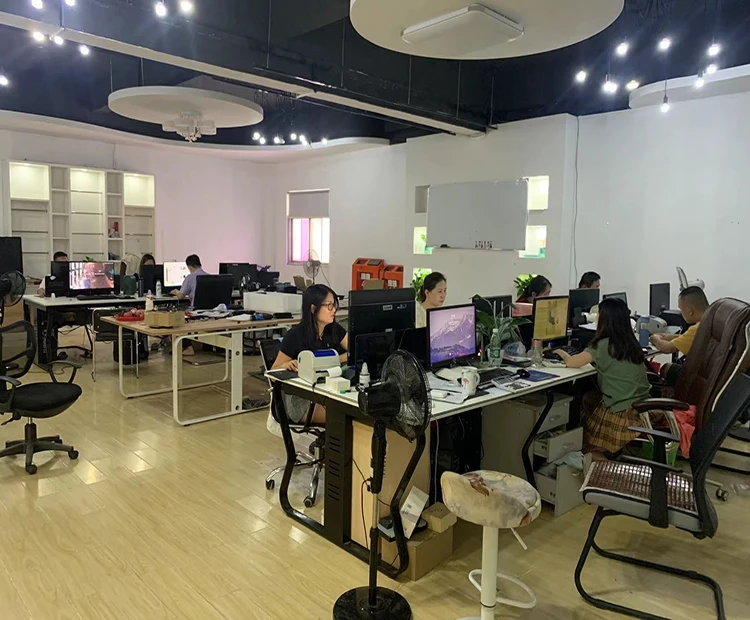
Shenzhen Futian District Hongxingyeda Electronic Firm
- Manufacturer, Trading Company
- Guangdong, China
- Lead time3 days
- Avg. response≤ 4h
Main productschip,integrated circuit,ic,transistor,crystal
Main marketsNorth America(30.00%), Northern Europe(10.00%), Southern Europe(10.00%), South America(10.00%), Domestic Market(5.00%), Central America(5.00%), Western Europe(5.00%), Eastern Asia(5.00%), Eastern Europe(5.00%), South Asia(5.00%), Africa(5.00%), Mid East(3.00%), Southeast Asia(1.00%), Oceania(1.00%)

Mu Star (shenzhen) Industry Co., Ltd.
- Verified by BV
- Trading Company
- China Guangdong
- Lead time15 days
- Avg. response≤ 8h
Main productsPCBA, PCB Assembly, PCB PCBA, SMT, Medical PCBA, SMD, PCB Assembly Service, EMS, PCBA Assembly
Main marketsNorth America


Customized Industrial PCBA Control Board Prototype System Access Control Terminal PCB Assmbly
$0.50 - $1.00
MOQ: 10 Pieces


Guangdong Global Well Electronic Limited
- Verified by CTI
- Trading Company
- China Guangdong
- Lead time15 days
- Avg. response≤ 4h
Main productsOEM/ODM PCB+PCBA+Chip, Wire Harness OEM/ODM, Connector OEM/ODM, Assembly Finished Products, PCB Board OEM/ODM, PCB Assembly OEM/ODM, Electronic Components IC Chips
Main marketsSouth America,Southeast Asia/ Mideast,East Asia(Japan/ South Korea),Europe,North America
Shenzhen Keshijia Electronic Precision Co., Ltd.
- Manufacturer
- Guangdong, China
- Lead time0 days
- Avg. response≤ 6h
Main productsPCB,PCBA,Drone,FPV,Components
Main marketsWestern Europe(25.00%), North America(18.00%), Northern Europe(11.00%), Eastern Asia(11.00%), Southern Europe(8.00%), South America(7.00%), Mid East(6.00%), Southeast Asia(5.00%), Eastern Europe(5.00%), South Asia(2.00%), Africa(2.00%)

Shenzhen Core Hecheng Electronic Technology Co., Ltd.
- Verified by CTI
- Manufacturer/Factory,Group Corporation
- China Guangdong
- Lead time15 days
- Avg. response≤ 5h
Main productsPCBA Assembly, PCBA, PCB, Quick Turn PCB Assembly, Turnkey PCB Assembly, Cheap PCB Assembly, Prototype PCB Assembly, Volume PCB Assembly, Low Cost PCB
Main marketsSouth America,Eastern Europe,North America,Southeast Asia,Eastern Asia,Western Europe
Shenzhen Chengjieda Industry Limited
- Verified by Intertek
- Trading Company
- Lead time7 days
- Avg. response≤ 5h
Main productsPCBA, UPS, Inverter, Portable Power station, Battery
Main marketsNorth America(45%), Eastern Europe(20%), South America(10%)
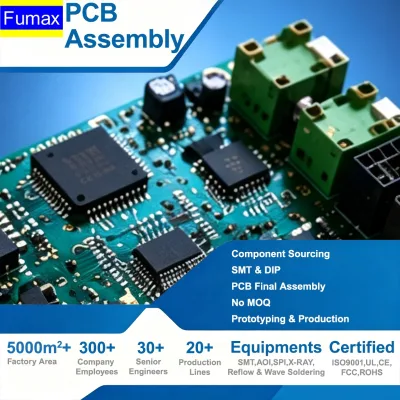
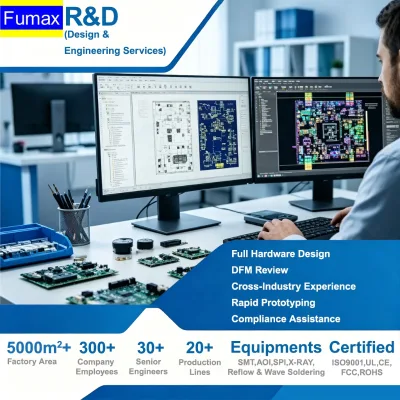
Shenzhen Fumax Technology Co., Ltd.
- Verified by TüVRheinland
- Manufacturer, Trading Company
- Lead time15 days
- Avg. response≤ 4h
Main productsPCBA, PCB Assembly, Final Product Assembly, Component Sourcing, Plastic Mold And Injection
Main marketsNorth America(35%), Eastern Asia(30%), Central America(12%)
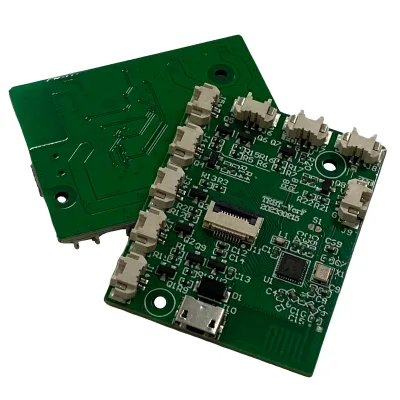
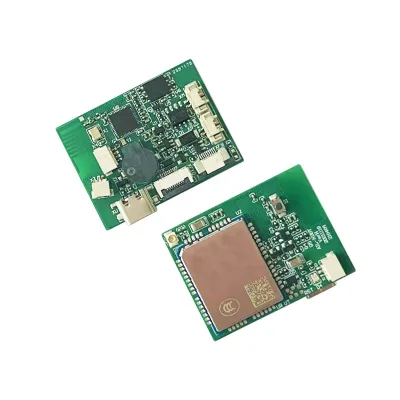


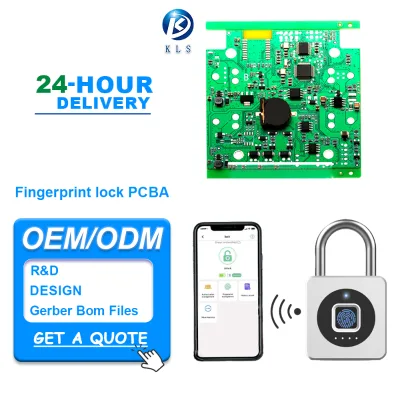
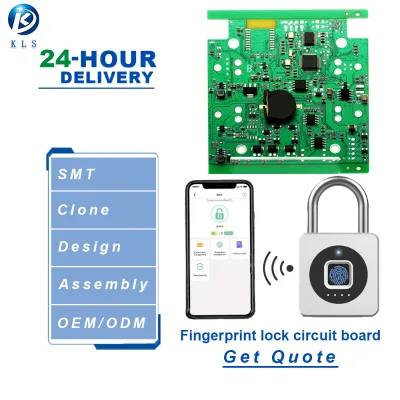




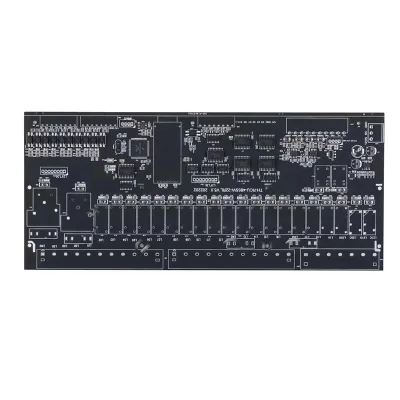
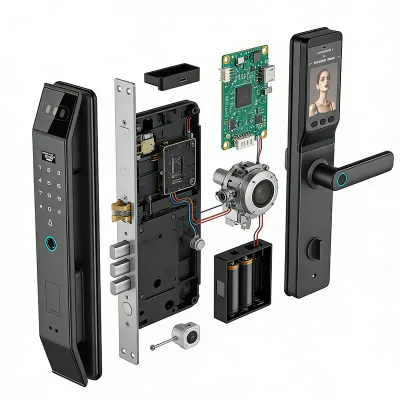


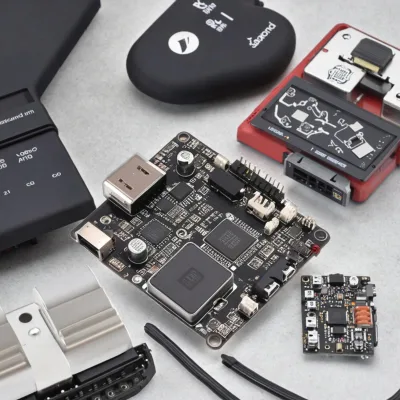
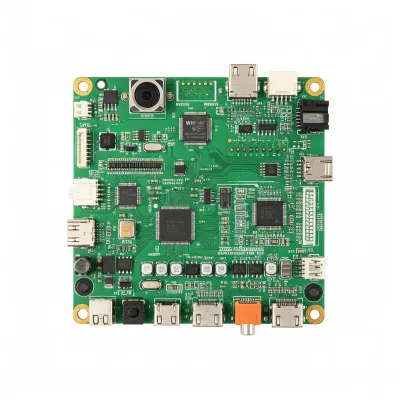
Comprehensive Sourcing Guide
Fingerprint Lock Custom PCBA Supplier Concentration and Factory Types
The current supplier landscape for Fingerprint Lock Custom PCBA reveals a distinct geographic concentration in China, with specific manufacturing hubs identified in Guangdong and Jiangsu provinces. Suppliers located in Guangdong often highlight their proximity to established electronic component supply chains, which is critical for rapid prototyping and quick-turn manufacturing services. This region is frequently associated with combined supplier types that offer both Original Design Manufacturing (ODM) and Original Equipment Manufacturing (OEM) capabilities, allowing buyers to access full-service solutions from PCB design through to final assembly. The presence of verified entities, such as those holding TÜV Rheinland certifications, indicates a segment of the market that prioritizes international quality standards and rigorous factory audits. Buyers evaluating these suppliers should note that the Guangdong cluster often emphasizes speed and flexibility, catering to the fast-paced nature of smart home and security device development where time-to-market is a competitive advantage.
In contrast, suppliers based in Jiangsu province present a different operational profile, often combining manufacturer and trading company roles to offer broader sourcing options. These entities may focus on specific technical applications, such as IoT electronics, 4G smart lock motherboards, or shelf lock control modules, indicating a specialization in complex communication protocols and industrial applications. The factory types in this region might lean towards high-volume production with stricter minimum order quantities, reflecting a different economic model compared to the agile prototyping services found elsewhere. When assessing factory types, buyers must distinguish between pure manufacturers who control the entire production line and trading companies that aggregate products from multiple factories. Understanding this distinction is vital for negotiating prices and managing communication channels, as direct manufacturers may offer more technical support for custom designs, while trading companies might provide better logistical coordination for mixed orders.
How to Verify Fingerprint Lock Custom PCBA Suppliers
Verification is a critical step in mitigating risk when sourcing custom PCBA solutions for fingerprint locks, where security and reliability are paramount. Buyers should prioritize suppliers who display third-party verification badges, such as TÜV Rheinland, which serves as an external validation of the supplier’s business legitimacy and operational capabilities. Beyond basic verification, it is essential to examine the specific certifications listed in product attributes, such as RoHS, CCC, and ISO standards. These certifications indicate compliance with environmental regulations and quality management systems, which are non-negotiable for exporting electronic components to many international markets. Buyers must actively request and review current certification documents rather than relying solely on displayed badges, as these credentials can expire or be misapplied to products that do not meet the specific requirements for smart lock electronics.
Response time and communication efficiency are also key indicators of supplier reliability and operational maturity. Data shows that response times can vary significantly, with some suppliers averaging around 5.34 hours while others respond within 2 hours. A faster response time often correlates with a more dedicated customer service team and streamlined internal processes, which is crucial when dealing with custom engineering queries or urgent production changes. Buyers should test supplier responsiveness by submitting detailed technical inquiries before placing an order, assessing not just the speed but the quality and technical depth of the reply. Additionally, verifying the supplier’s main products and service offerings ensures they have relevant experience with fingerprint lock PCBAs. Suppliers listing specific services like electrical testing, flying probe testing, and functional testing demonstrate a commitment to quality assurance, which is vital for ensuring the integrity of the electronic assemblies in security devices.
What to Compare Across Fingerprint Lock Custom PCBA Suppliers
When evaluating multiple suppliers for Fingerprint Lock Custom PCBA, lead time and minimum order quantity (MOQ) are primary differentiators that impact project planning and cash flow. Lead times can range from 15 days to 21 days or more, depending on the complexity of the board, the availability of components, and the supplier’s current production load. Buyers must clarify whether the quoted lead time includes component procurement or only the assembly phase, as delays in sourcing specific chips or sensors can significantly extend the overall timeline. Similarly, MOQs vary widely, with some suppliers accepting orders as low as one unit for prototyping, while others require minimums of 1,000 units for production runs. Understanding these thresholds helps buyers align their order volumes with supplier capabilities, avoiding unnecessary costs for small batches or production bottlenecks for larger orders.
Price structures and technical specifications also require careful comparison to ensure value and compatibility. Prices for custom PCBA can range from under $1 to over $50 per unit, depending on the layer count, copper thickness, surface finishing, and testing requirements. Buyers should compare not just the unit price but the total cost of ownership, including tooling fees, testing costs, and shipping. Technical attributes such as multilayer capabilities, minimum hole sizes, and line spacing indicate the supplier’s ability to handle high-density interconnects common in modern fingerprint locks. Additionally, comparing testing services is crucial; suppliers offering electrical testing, flying probe testing, and functional testing provide higher assurance of product quality. Buyers should also evaluate customization options, such as solder mask colors and board thickness, to ensure the final product meets their specific design and aesthetic requirements.
Common Fingerprint Lock Custom PCBA Sourcing Risks
One significant risk in sourcing custom PCBA for fingerprint locks is the potential mismatch between prototype performance and mass production quality. Suppliers may deliver a perfect prototype using high-quality components and rigorous testing, but mass production might suffer from component substitutions or reduced testing protocols to cut costs. Buyers must explicitly define quality control standards in their contracts, specifying the types of tests required, such as AOI, X-ray inspection, and 100% functional testing. Without clear specifications, suppliers might default to basic visual inspections, which can miss subtle defects in soldering or component placement that could lead to field failures in security devices. Ensuring that the supplier has the capability and willingness to perform comprehensive testing at every stage of production is essential for maintaining product reliability.
Another risk involves intellectual property protection and design confidentiality, especially when working with combined supplier types or trading companies. Custom PCBA designs for fingerprint locks often contain proprietary algorithms and unique circuit layouts that are critical to the product’s competitive advantage. Buyers must ensure that their suppliers have robust confidentiality agreements in place and that the supply chain is secure. There is a risk that designs could be leaked or reused for other clients if the supplier lacks strict internal controls. Additionally, buyers should be cautious of suppliers who offer overly generic solutions without demonstrating specific experience in smart lock electronics. Verifying the supplier’s track record with similar products, such as smart door locks or fingerprint padlocks, can help mitigate the risk of receiving a suboptimal design that does not meet the specific power consumption or connectivity requirements of the application.
Fingerprint Lock Custom PCBA Regional Sourcing and Logistics
Sourcing from specific regions in China, such as Guangdong and Jiangsu, offers distinct logistical advantages and challenges that buyers must consider. Guangdong’s proximity to major ports and its dense network of electronic component suppliers can facilitate faster shipping and easier access to replacement parts. This region is often ideal for projects requiring quick-turn manufacturing or frequent design iterations, as the supply chain ecosystem supports rapid prototyping and small-batch production. Buyers sourcing from Guangdong should factor in the efficiency of local logistics networks, which can reduce transit times for both samples and bulk orders. However, buyers must also consider the potential for higher labor costs in this developed region, which might be reflected in the unit price of the PCBA.
In contrast, sourcing from Jiangsu may offer different logistical dynamics, potentially with lower production costs but longer lead times for component procurement. The region’s industrial base might be more focused on large-scale manufacturing, which could impact flexibility for small orders. Buyers should evaluate the supplier’s ability to manage international shipping and customs clearance, as these factors can significantly impact the total delivery time. Additionally, buyers must consider the environmental and regulatory differences between regions, which might affect the supplier’s compliance with international standards. Understanding the regional strengths and weaknesses allows buyers to make informed decisions about where to source based on their specific project needs, whether prioritizing speed, cost, or technical specialization.
Fingerprint Lock Custom PCBA Commercial Terms and Order Planning
Commercial terms and order planning are critical for ensuring a smooth procurement process for Fingerprint Lock Custom PCBA. Buyers should negotiate clear payment terms, such as using escrow services to protect their funds until the goods are received and verified. This is particularly important for custom orders, where the product is tailored to specific requirements and may not be easily resold if there are issues. Buyers must also clarify the responsibilities for shipping and insurance, determining whether the supplier offers FOB, CIF, or DDP terms. Understanding these terms helps buyers anticipate additional costs and risks associated with international shipping, such as customs duties and potential damage during transit.
Order planning should also account for the supplier’s production capacity and lead times to avoid delays in product launches. Buyers should establish a clear timeline for design approval, prototyping, testing, and mass production, ensuring that all parties are aligned on milestones. It is advisable to place trial orders before committing to large volumes to validate the supplier’s quality and reliability. Buyers should also discuss contingency plans for potential disruptions, such as component shortages or production delays. By carefully planning the commercial terms and order schedule, buyers can minimize risks and ensure a successful partnership with their PCBA supplier, leading to a reliable supply of high-quality fingerprint lock electronics.
FAQs
What certifications are available for custom fingerprint lock PCBAs?
Suppliers offer RoHS, CCC, and ISO certifications for custom fingerprint lock PCBAs. These standards ensure compliance with international safety and environmental regulations. Buyers should verify specific certificates match their target market requirements before placing orders to guarantee product acceptance and regulatory adherence.
What is the typical lead time for PCBA manufacturing?
Typical lead times range from 15 to 21 days depending on the supplier location and order complexity. Guangdong-based manufacturers often provide faster turnaround times compared to other regions. Buyers should confirm exact schedules during the quotation phase to align production with project deadlines effectively.
What is the minimum order quantity for PCBA prototypes?
Minimum order quantities vary significantly, with some suppliers accepting orders as low as one unit for prototypes. Other manufacturers require a minimum of 1000 units for standard production runs. Buyers seeking small batches should specifically look for suppliers offering low MOQ options for initial testing.
What testing services are included in PCBA assembly?
Standard testing services include electrical testing, flying probe testing, and functional testing. Some suppliers also provide AOI and X-ray inspections for quality assurance. These tests ensure the integrity of the circuit board and verify that the fingerprint lock module functions correctly before shipment.
What is the price range for custom fingerprint lock PCBAs?
Prices for custom fingerprint lock PCBAs typically range from $0.90 to $50.00 per unit. The cost depends on layer count, copper thickness, and surface finishing options like immersion gold. Buyers should request detailed quotes based on their specific design files to get accurate pricing.
What response times can buyers expect from suppliers?
Supplier response times vary, with some manufacturers responding within 2 hours and others taking up to 5.34 hours. Faster response times indicate better communication channels and customer service readiness. Buyers should prioritize suppliers with quick response metrics to ensure smooth project coordination and issue resolution.
What customization options are available for PCB designs?
Suppliers offer extensive customization including multilayer boards, various solder mask colors, and specific copper thicknesses. Options range from 1-4 oz copper to specialized surface finishes like ENIG. Buyers can request tailored designs for smart locks, ensuring the PCB meets precise functional and aesthetic requirements.