Source Manual Truck Tyre Re-grooving Machine for Repair, Maintenance, and Fleet Ops
Compare 30 Manual Truck Tyre Re-grooving Machine listings from verified suppliers. Buyers can evaluate specifications like voltage, blade types, and power output to select the right equipment for tire repair, maintenance, and fleet operations; compare the available evidence and request quotations based on your requirements.
Key considerations
Products List


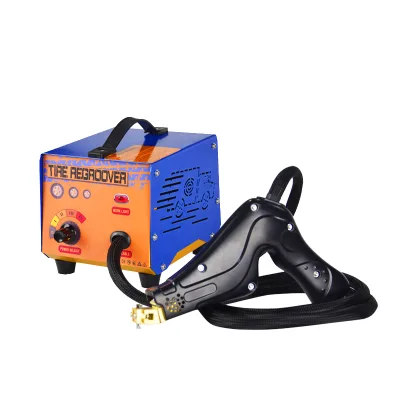


Tire Groover Tread Cutting Machine 350W Rubber Cutter Truck Tire Groover
$60.00 - $67.00
MOQ: 1 Pieces


Comprehensive Sourcing Guide
Manual Truck Tyre Re-grooving Machine Sourcing Guide
The manual truck tyre re-grooving machine is a specialized tool designed for restoring tread depth on heavy-duty rubber tires, primarily used in fleet maintenance and repair shops. Based on observed market listings, these units are typically classified as rubber cutting machines with manual operation grades, featuring electric power sources that operate on standard voltages like 230V or universal inputs ranging from 110V to 380V. Buyers should note that while the core function is tire repair, the specific application often extends to rubber sheet grooving, requiring careful verification of the blade configuration to match the intended tire profile.
Procurement decisions must account for the variability in product models, such as the BAI-OTT or TR-1KW series, which may differ significantly in output power and physical dimensions. The observed listings indicate a wide price range from $33 to $88,888, suggesting that cost is heavily influenced by specific features like blade types (W1-W5, R1-R5) and power output capabilities ranging from 1KW to 1.38KW. Buyers must distinguish between basic repair tools and more robust industrial units by examining the single package size and gross weight, which can vary from 6kg to 8.5kg depending on the specific model and packaging type.
Product Scope and Observed Listing Signals
When evaluating product scope, buyers should focus on the distinction between general tire repair tools and dedicated grooving machines, as the latter often includes specific blade sets for adjusting groove sizes. The observed data confirms that these machines are available with customization options and are typically packaged in wooden or carton boxes, with origins primarily traced to Shandong, China. The color variations, such as black, orange, or blue, do not indicate functional differences but may reflect manufacturer branding or specific model lines, requiring buyers to verify the actual technical specifications rather than relying on visual cues.
Listing signals also reveal that the operating temperature range is typically 0 to 200 degrees, which is critical for ensuring the machine can handle the friction heat generated during the grooving process without failure. Buyers must verify the input power supply compatibility, as some units support AC 110V/220V/240V/380V/420V while others are limited to specific voltages like 230V or 110V/220V. The presence of a warranty period, often cited as 12 months or one year, serves as a key indicator of manufacturer confidence, though the specific terms should be confirmed in the commercial contract before finalizing the purchase.
Technical Specifications to Verify
Technical verification must begin with the power source and output capabilities, as the observed listings show a mix of 1KW and 1.38KW output powers with varying output frequencies up to 150kHz. Buyers should confirm the input voltage compatibility with their local grid, ensuring the machine supports the required AC frequency of 50/60Hz to prevent motor damage or inefficient operation. The blade configuration is another critical specification, with models offering W1-W5 and R1-R5 options, which must be matched to the specific tire tread patterns and groove depths required for the intended repair work.
Physical dimensions and weight are essential for logistics planning, as the single package sizes range from 31x29x23 cm to 32x30x25 cm with gross weights between 6kg and 8.5kg. The portable contacting cable length, observed at 140cm or 170cm, impacts operational flexibility in tight workshop environments, and buyers should verify this against their workspace constraints. Additionally, the standard dimensions of 28.00cm * 26.00cm * 21.00cm or the 7KG standard weight mentioned in some listings should be cross-referenced with the actual product data sheet to ensure the machine meets the spatial and load-bearing requirements of the facility.
Compliance and Safety Documentation
Compliance verification requires buyers to request specific safety documentation, as the observed data mentions CE certification and standards like ISO 12100 and EN 60204-1, though these should be treated as background references rather than guaranteed attributes for every listed unit. Buyers must explicitly ask for the Declaration of Conformity and safety test reports to confirm that the machine meets the electrical safety standards required for their region, particularly regarding the high-voltage inputs and moving blade mechanisms. The absence of explicit certification claims in some listings necessitates a proactive request for third-party test results to mitigate liability risks.
Safety features should be scrutinized regarding the operating temperature limits and the electrical insulation of the power cord, which is observed to be 140cm or 170cm in length. Buyers should verify that the machine includes necessary safety guards or emergency stop mechanisms, as the manual operation grade implies direct human interaction with the cutting blades. The warranty terms, typically 12 months, should be reviewed to understand the coverage for electrical failures or mechanical wear, ensuring that the supplier provides clear protocols for handling safety-related defects or malfunctions during the operational lifecycle.
Cost Drivers and Commercial Terms
Cost drivers in this category are heavily influenced by the power output, blade complexity, and the specific model series, such as the TR-1KW or BAI-OTT, which command different price points within the observed $33 to $88,888 range. Buyers should analyze whether the higher price points correlate with advanced features like universal car fitment, adjustable grooving sizes, or enhanced durability materials like iron construction, rather than assuming that a higher price automatically guarantees superior performance. The packaging type, whether wooden box or carton, also affects the final landed cost due to variations in shipping weight and volume.
Commercial terms must be clarified regarding the minimum order quantity (MOQ), which ranges from 1 to 10 units, and the selling units, which are typically single items. Buyers should negotiate lead times and shipping terms, as the origin is consistently listed as China, specifically Shandong, which may impact transit duration and customs clearance procedures. The warranty period, often 12 months, should be integrated into the commercial agreement with clear definitions of what constitutes a defect versus normal wear and tear, ensuring that the buyer is protected against premature equipment failure.
Supplier Qualification and Quality Control
Supplier qualification should focus on verifying the manufacturer's ability to provide consistent product attributes, such as the specified voltage inputs and blade configurations, across multiple orders. Buyers must assess the supplier's track record for delivering units that match the observed specifications, including the single gross weight and package dimensions, to avoid discrepancies that could disrupt logistics and installation. The presence of customization options suggests that the supplier should have the flexibility to adapt the machine to specific buyer requirements, which should be validated through sample orders or detailed technical discussions.
Quality control processes must be established to ensure that the received machines meet the stated operating temperature range and power output specifications. Buyers should request pre-shipment inspection reports that verify the electrical safety, mechanical integrity, and packaging quality, particularly given the variation in observed product models and standards. The warranty terms should be backed by a clear after-sales support structure, ensuring that any issues with the 1KW or 1.38KW output power or the blade assembly can be resolved promptly without significant downtime for the repair shop.
Long-Term Procurement Checks
Long-term procurement checks should include regular audits of the machine's performance against the initial specifications, such as the 1KW output power and 0-200 degree operating temperature range, to ensure consistent functionality over time. Buyers should monitor the wear and tear on the blades and the condition of the power cord, which is observed to be 140cm or 170cm, to determine the optimal replacement schedule and maintain operational efficiency. Establishing a maintenance log will help track the machine's history and identify any recurring issues that may indicate a need for supplier intervention or component upgrades.
Procurement strategies should also involve periodic reviews of the supplier's ability to provide spare parts and technical support, especially given the specific blade types and model numbers like TR-1KW-AC-S. Buyers should verify the availability of replacement blades and other consumables to ensure that the machine remains operational without long delays. Additionally, staying informed about updates to safety standards and electrical regulations will help buyers ensure that their equipment remains compliant and safe for use in the evolving landscape of tire repair and maintenance operations.
FAQs
What is the power source for this tire grooving machine?
The machine operates using an electric power source. It supports multiple input voltage options including AC 110V, 220V, 240V, 380V, and 420V. This flexibility allows it to function in various regions with different electrical standards. The maximum output power is rated at 1KW, ensuring efficient operation for rubber sheet grooving tasks.
Can the machine be customized for specific tire repair needs?
Yes, customization is available for this tire repair tool. Buyers can request specific adjustments to meet unique operational requirements. The product features easy operation and is designed for universal car fitment. This adaptability ensures that the equipment can be tailored to different workshop environments and specific tire grooving applications effectively.
What are the blade options for the rubber cutting machine?
The machine supports a variety of blade types including W1-W5 and R1-R5. These blades are suitable for precise rubber sheet grooving and tire repair applications. The grooving sizes are adjustable to accommodate different tire specifications. This range of blade options allows users to select the most appropriate tool for their specific maintenance and repair tasks.
How much does the machine weigh and how is it packed?
The single gross weight is approximately 8.000 kg to 8.500 kg. It is packaged in either a wooden box or a carton box for safe transport. The package dimensions are roughly 32x30x25 cm or 31x29x23 cm. This sturdy packaging protects the iron-built machine during shipping and ensures it arrives in optimal condition for immediate use.
What is the warranty period for this tire repair tool?
The product comes with a warranty of 12 months or one year. This coverage provides assurance for the electric components and mechanical parts. Buyers can rely on this warranty for support during the initial operational period. The warranty applies to the manual grade automatic features, ensuring peace of mind for users investing in this tire grooving equipment.
Where is this tire grooving machine manufactured?
The machine is manufactured in Shandong, China. This location is a known hub for industrial machinery production. The product originates from this region, ensuring access to established manufacturing capabilities. Buyers sourcing from this origin can expect consistent production standards and availability for global distribution and supply chain integration.