Source Soil DCP Cone Penetrometer for Foundation, Road, and Site Testing
Compare 30 Soil DCP Cone Penetrometer options from verified Chinese manufacturers. These tools support dynamic cone penetration tests for foundation, road, and site evaluation with varying weights and standards.
Key considerations
Products List


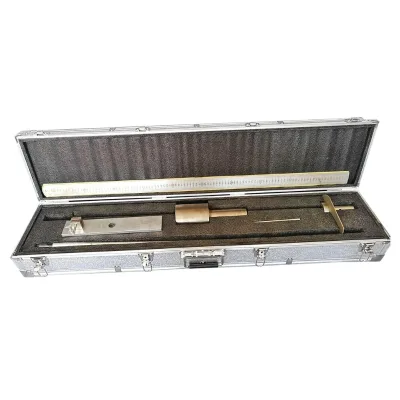


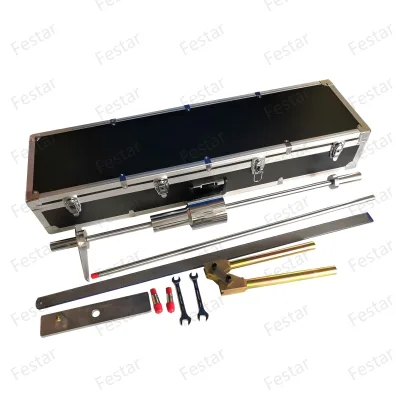
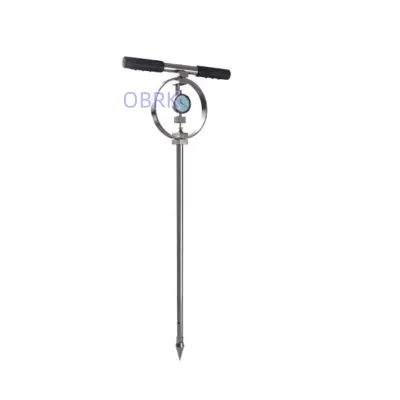
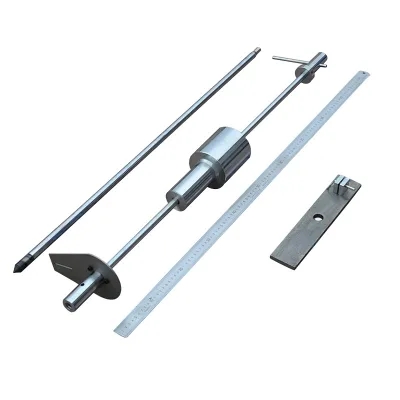
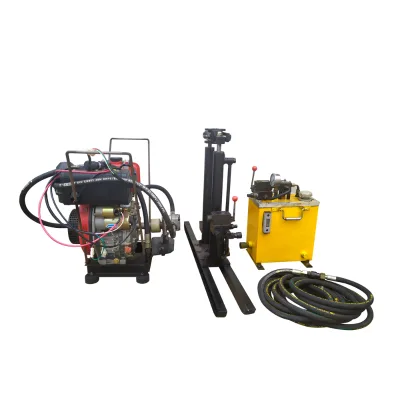
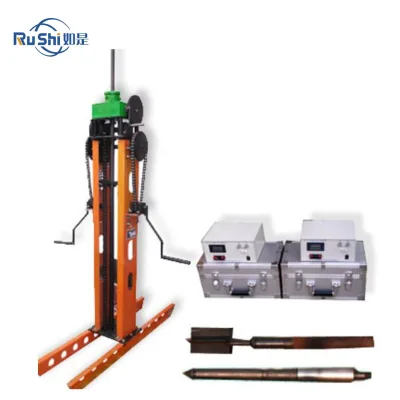
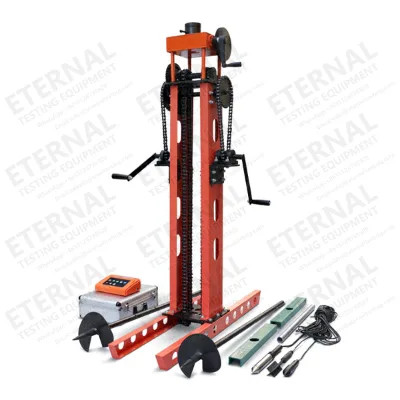
Good Quality Light and Easy CPT CPTU Hydraulic Static Cone Penetration Machine
$4885.47 - $5089.03
MOQ: 1 sets
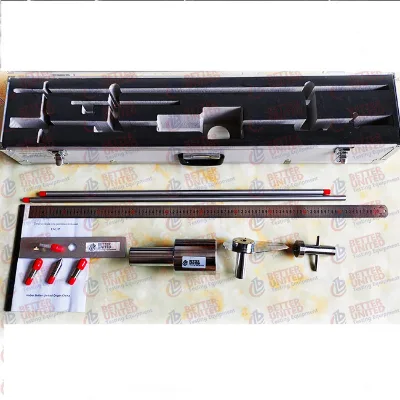
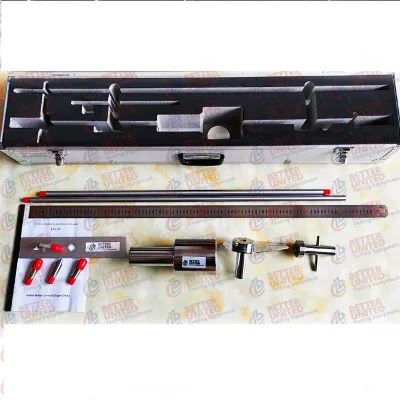
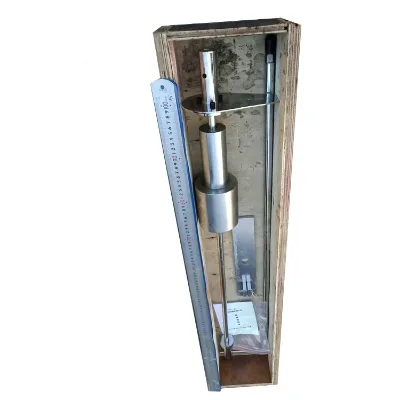
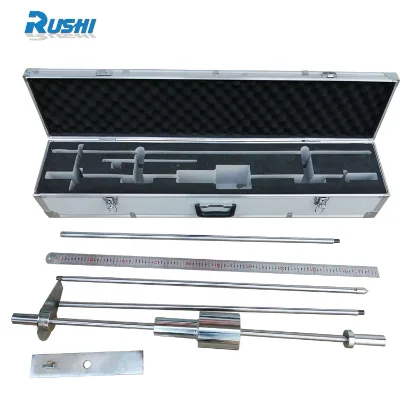
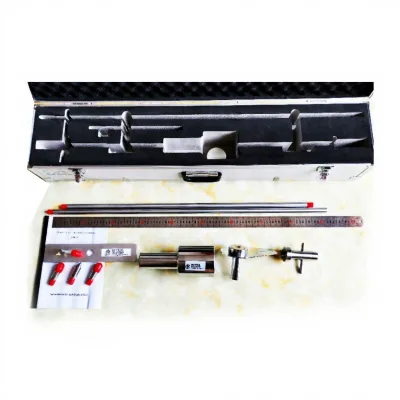
8kg Hammer Dcp Dual-Mass Dynamic Cone Penetrometer(DCP) for Soil Test
$223.36 - $285.57
MOQ: 1 Minimum
Comprehensive Sourcing Guide
Strategic Sourcing Guide for Soil DCP Cone Penetrometers
Procuring a Dynamic Cone Penetrometer (DCP) for geotechnical applications requires a disciplined approach to verifying technical specifications, ensuring regulatory compliance, and evaluating supplier capabilities. The core keyword "Soil DCP Cone Penetrometer" encompasses a variety of instruments designed for in-situ testing of foundation soils, ranging from lightweight field probes to heavy-duty standard penetration devices. Buyers must navigate a market where product attributes vary significantly based on the specific testing standard required, such as ASTM, BS, or NF. This guide provides a structured framework for sourcing these critical tools, focusing on evidence-based evaluation of the available inventory and industry requirements.
Technical Specifications and Operational Parameters
The fundamental distinction between DCP models lies in their mass, drop height, and penetration rod configurations. These parameters directly influence the energy delivered to the soil and the resulting penetration depth per blow. In the current market, buyers encounter distinct configurations. One observed configuration features a drop hammer weighing 8kg with a drop distance of 575mm. This setup is paired with a penetration rod capable of a down shot of 910mm and utilizes a bottom plate measuring 300mm by 60mm by 8mm. The connecting disc in this specific assembly measures 105mm, and the reading ruler is calibrated to 1000mm with a division of 0.1m.
Conversely, other available models adhere to the 63.5kg standard, often referenced in SPT (Standard Penetration Test) contexts. These units typically feature a fall height of 500mm and a conical point with a diameter of 40mm. The weight of the entire assembly for these heavier units can reach 63.5kg, while lighter variants may weigh as little as 2.5kg. The functional principle for these devices is generally described as a free drop weight mechanism, though some listings may reference "mercury rising" for specific display mechanisms, which requires clarification during the procurement process.
The working principle involves driving a conical point into the soil using a falling weight. The number of blows required to achieve a specific penetration depth is recorded to determine soil resistance. Buyers must verify the "Division" accuracy of the reading ruler, as precision in measuring penetration depth is critical for data integrity. While some units offer digital displays, others rely on manual counting results. The material composition is predominantly steel, ensuring durability under repeated impact, though the condition of the steel and the quality of the conical tip are vital for consistent performance.
Compliance and Certification Verification
Compliance with international standards is non-negotiable for geotechnical testing equipment. The sourcing process must prioritize suppliers who can demonstrate adherence to recognized testing protocols. The observed product data indicates compliance with ASTM D6951, a standard test method for determining the dynamic cone penetration resistance of soil. Additionally, references to BS (British Standard) and NF (French Standard) suggest that the market offers equipment calibrated for regional variations in testing procedures.
Certification status is a primary indicator of supplier reliability. The available inventory lists ISO certification, specifically ISO 9001, which validates the manufacturer's quality management systems. However, buyers should not assume that every listed product automatically meets these standards without verification. The presence of an ISO certificate on a product page indicates the manufacturer's facility is certified, but the specific instrument model must be cross-referenced to ensure it was produced under that quality regime.
When evaluating compliance, buyers should request documentation that explicitly links the specific model number to the standard. For instance, a model labeled "IWIN-DCP" or "DP-S635" should be accompanied by a test report or calibration certificate confirming its adherence to the claimed standard. The "Standard" attribute in product listings can vary; some entries list "63.5kg Penetrometer" as a standard, while others list "120X35X20 cm" which appears to be a packaging dimension rather than a technical standard. Buyers must distinguish between packaging standards and technical testing standards to avoid procurement errors.
Cost Drivers and Pricing Structures
The pricing for soil DCP cone penetrometers is influenced by several factors, including the weight of the hammer, the complexity of the display mechanism, and the packaging requirements. The observed price range in the market spans from 1 USD to 30,000 USD. This wide variance suggests a mix of simple manual probes and potentially more complex, integrated systems or bulk procurement packages. The lower end of the spectrum likely corresponds to lightweight, manual units, while the higher end may include specialized kits, digital integration, or large-scale orders.
Packaging plays a significant role in the final cost. Products are often shipped in wooden boxes or specific plywood packages (9mm and 15mm) to protect the precision instruments during transit. The single package size for many units is recorded as 120x35x20 cm, with a single gross weight of 29.000 kg. The weight of the product itself, ranging from 2.5kg to 63.5kg, directly impacts shipping logistics and costs. Buyers should consider that the "Selling Units" are often listed as "Single item," which may imply that the base price does not include necessary accessories like spare rods, extra hammers, or calibration weights unless explicitly stated.
Customization is a key cost driver. The market supports OEM (Original Equipment Manufacturer) services, allowing buyers to request specific branding or modifications. The availability of customization suggests that buyers can tailor the equipment to their specific operational needs, but this will likely incur additional costs and potentially longer lead times. The "Function" of the device, described as a "light-weight touch probe," also influences the price point, as specialized probes for specific soil types may command a premium over general-purpose models.
Typical Applications and Use Cases
The primary application of the Soil DCP Cone Penetrometer is the dynamic cone penetration test procedure, used to evaluate the in-situ strength and stiffness of soil layers. These devices are essential for foundation design, road construction, and earthwork quality control. The "Use" attribute explicitly states the device is for "dynamic cone penetration test procedure," confirming its role in geotechnical engineering.
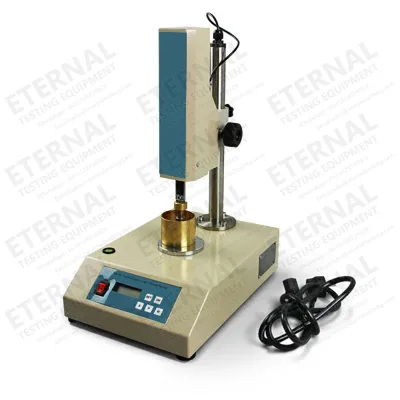
The versatility of these tools allows them to be used in various environments. The "Working Principle" of free drop weight makes them suitable for field testing where power sources may be limited, as many models are non-electric ("Power: Non"). However, some listings mention "Digital Display," indicating that modern iterations may incorporate electronic sensors for data logging, which is beneficial for projects requiring precise, real-time data analysis.
The "Result" of the test is typically a count of blows required for a specific penetration depth, which correlates to soil bearing capacity. The "Division" of 0.1m on the reading ruler allows for granular data collection, essential for identifying soil layer transitions. Buyers should select a model based on the specific soil conditions they expect to encounter. For example, the 63.5kg model with a 500mm fall height is suitable for harder soils, while the 8kg model with a 575mm drop might be better for softer or more sensitive stratifications.
Supplier Evaluation and Origin Analysis
Evaluating suppliers requires a careful examination of their geographic origin and product consistency. The observed data indicates that products originate from multiple locations within China, specifically Hebei and Zhejiang. Hebei is noted for the "IWIN" brand, while Zhejiang is associated with other models like the "PLL-76/100." This geographic diversity suggests a robust manufacturing base, but buyers must verify that the specific supplier they engage with is the actual manufacturer or an authorized distributor.
The "Brand Name" is a critical factor in supplier evaluation. The "Iwin" brand is explicitly mentioned, and buyers should verify the legitimacy of this brand and its associated warranty terms. The warranty period observed is 1 Year, which is a standard offering for this type of equipment. Buyers should ensure that the warranty covers not just the product but also the availability of spare parts, such as replacement rods or conical tips.
When assessing supplier reliability, buyers should look for evidence of "Customized Support" and "OEM" capabilities. This indicates a supplier's ability to adapt to specific client needs, such as branding or custom packaging. The "Condition" of the product is listed as "New," which is standard, but buyers should request proof of new condition, such as serial numbers or manufacturing dates, to avoid receiving refurbished or used equipment.
Quality Control and Long-Term Procurement
Quality control in the procurement of DCP cone penetrometers extends beyond the initial purchase. The "Material" is specified as steel, but the quality of the steel and the heat treatment of the conical point are critical for longevity. A dull or damaged conical point will yield inaccurate results, rendering the test data useless. Buyers should verify that the conical point meets the specified diameter (e.g., 40mm) and is made from hardened steel to resist wear.
Long-term procurement considerations include the availability of maintenance and calibration services. The "Certificate" of ISO 9001 suggests a commitment to quality, but buyers should inquire about the frequency of calibration required for the specific model. Digital display units may require battery replacement or sensor recalibration, while manual units require periodic inspection of the ruler and hammer weight.
The "Single package size" and "Single gross weight" are important for logistics planning. A gross weight of 29.000 kg per unit indicates that shipping will require specialized freight arrangements. Buyers should factor in these logistics costs when calculating the total cost of ownership. Additionally, the "Product name" often includes descriptors like "Advanced" or "Dual Mass," which may imply enhanced features. Buyers should verify if these descriptors correspond to tangible benefits, such as improved durability or ease of use, rather than marketing fluff.
Comparative Analysis of Key Models
To assist in decision-making, the following table summarizes the key attributes of the observed models. This comparison highlights the differences in weight, drop height, and standard compliance, aiding buyers in selecting the appropriate tool for their specific project requirements.
| Attribute | Model A (8kg Hammer) | Model B (63.5kg Standard) | Model C (Lightweight Probe) |
|---|---|---|---|
| Drop Hammer Weight | 8kg | 63.5kg | 2.5kg |
| Drop Distance / Fall Height | 575mm | 500mm | 300mm |
| Penetration Rod Down Shot | 910mm | N/A | N/A |
| Conical Point Diameter | N/A | 40mm | N/A |
| Reading Ruler Division | 0.1m | N/A | N/A |
| Standard Compliance | ASTM D6951 | BS, ASTM | N/A |
| Product Origin | Hebei, China | China | N/A |
| Brand Name | Iwin | N/A | N/A |
| Display Type | Digital Display | N/A | N/A |
| Material | Steel | Steel | Steel |
| Warranty | 1 Year | N/A | N/A |
Note: Data derived from observed product listings. "N/A" indicates attributes not explicitly listed for that specific model in the source data.
Final Procurement Recommendations
Sourcing a Soil DCP Cone Penetrometer requires a balance between technical precision and logistical feasibility. Buyers must prioritize models that align with their project's specific testing standards, such as ASTM D6951 or BS. The presence of ISO certification and OEM support indicates a mature supply chain, but verification of individual product attributes is essential. By focusing on the weight, drop height, and material quality, buyers can ensure the acquisition of reliable equipment that delivers accurate geotechnical data. The wide price range and diverse origins offer flexibility, but careful due diligence is necessary to navigate the variations in product specifications and ensure long-term operational success.
FAQs
What standards do soil dcp cone penetrometers comply with?
These devices comply with ASTM D6951, BS, and NF standards. Some models also meet the 63.5kg Penetrometer specification. Buyers must verify that the specific instrument model matches the required testing protocol before purchase.
Can I customize the brand name on the equipment?
Yes, OEM customized support is available for these units. Buyers can request specific branding or modifications to suit their operational needs. This service allows for tailored equipment but may affect lead times and pricing.
What is the drop hammer weight for the standard model?
The standard model features a drop hammer weighing 8kg. Another configuration uses a 63.5kg weight for harder soil testing. The 8kg version includes a 575mm drop distance and a 910mm penetration rod down shot.
How is the product packaged for shipping?
Products are shipped in wooden boxes or 9mm and 15mm plywood packages. The single package size is typically 120x35x20 cm with a gross weight of 29 kg. This packaging protects the precision instruments during transit.
Where are these soil dcp cone penetrometers manufactured?
Manufacturing locations include Hebei and Zhejiang in China. The Iwin brand originates from Hebei, while other models come from Zhejiang. Buyers should verify the specific origin of their chosen model for logistics planning.
What is the warranty period for these devices?
The standard warranty period is one year for new condition units. This coverage applies to the equipment provided under the ISO 9001 certified quality management system. Buyers should confirm if spare parts are included in the warranty.
Which reading ruler division is used for measurements?
The reading ruler has a division of 0.1m for precise depth measurement. Some models feature a 1000mm ruler, while others may have digital displays. Accurate division is critical for determining soil resistance per blow.