Source Solar Rechargeable LED Headlamp for Hiking Camping Mining
Find 30 Solar Rechargeable LED Headlamp options with varying lumen outputs, battery capacities, and waterproof ratings. Compare specifications from manufacturers in Guangdong and Zhejiang to select the right lighting for hiking, camping, or mining applications.
Key considerations
Products List


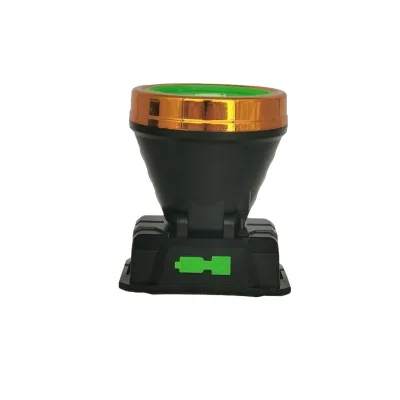
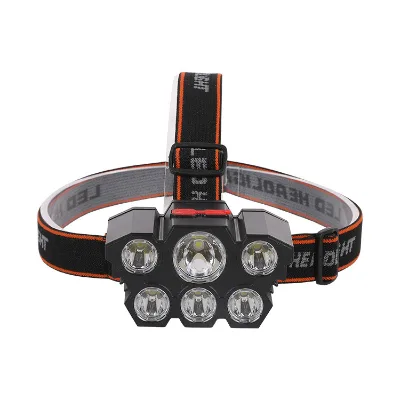


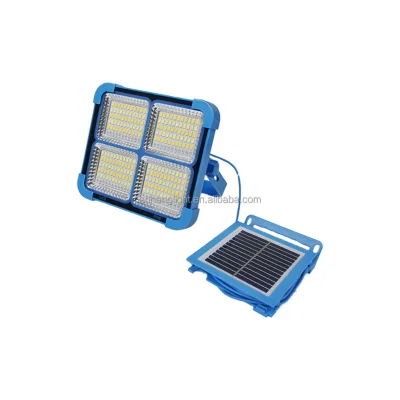


Comprehensive Sourcing Guide
Strategic Sourcing Guide for Solar Rechargeable LED Headlamps
The global demand for reliable, portable lighting solutions has surged, driven by outdoor recreation, emergency preparedness, and industrial safety needs. Within this expanding market, the Solar Rechargeable LED Headlamp represents a critical intersection of energy independence and high-performance illumination. For B2B procurement professionals, navigating this category requires a disciplined approach that separates marketing assertions from verifiable product attributes. This guide provides a structured framework for evaluating suppliers, understanding technical specifications, and ensuring compliance without relying on unverified claims. The objective is to equip buyers with the knowledge to source products that meet specific operational requirements while mitigating supply chain risks.
Technical Specifications and Performance Verification
When sourcing solar rechargeable LED headlamps, the primary focus must be on the core performance metrics that define utility in the field. The supplied data indicates a diverse range of capabilities among available models, suggesting that a "one-size-fits-all" approach is ineffective. Buyers must scrutinize the lumen output, as the observed data points to significant variation, with specific models listing outputs of 650 lumens, while others offer multi-level configurations reaching up to 1600 lumens. The distinction between a single high-output mode and multi-level settings (such as 3 levels or 2 gears) is crucial for battery management and operational flexibility.
Irradiation distance is another critical technical parameter. The observed range spans from 200-300 meters to 300-500 meters, with some models claiming a range of up to 800 meters. Procurement teams must verify these claims against independent testing data, as the effective beam distance depends heavily on the LED chip quality and reflector design. The provided context notes the use of CREE LED chips in certain models, a brand often associated with high efficiency, but this should be confirmed for every specific unit ordered. Furthermore, the battery type is consistently identified as Lithium Ion, yet the capacity varies, with one model specifying a 9000mAh type. This capacity directly influences the lighting time, which is listed as varying based on usage scenarios like mining, hiking, or camping.
The charging mechanism is a defining feature of the "solar rechargeable" classification. While solar charging is a key selling point, the data highlights Type-C charging as a standard alternative or primary method for several models. This dual-charging capability is essential for reliability, as solar charging alone can be inconsistent depending on weather conditions. Buyers should verify the presence of an electric quantity display function, which is noted in the specifications as a feature for monitoring battery status, ensuring that the device does not fail unexpectedly during critical operations.
Compliance and Certification Standards
In the B2B sector, regulatory compliance is not merely a formality but a prerequisite for market access and liability protection. The observed product attributes list a wide array of certifications, including ISO, CCC, CE, RoHS, PSE, and FCC. The presence of these marks indicates adherence to specific regional and international standards. For instance, the CCC (China Compulsory Certification) is mandatory for products sold within China, while CE and RoHS are essential for entry into the European Union, covering electromagnetic compatibility and hazardous substance restrictions.
The PSE certification is specifically relevant for the Japanese market, indicating compliance with Japanese safety standards. Similarly, FCC certification is required for electronic devices sold in the United States to ensure they do not interfere with radio communications. The data also references EMC (Electromagnetic Compatibility) standards, which are critical for ensuring the headlamp operates correctly in environments with high electromagnetic noise, such as industrial mining sites.
However, buyers must exercise caution when interpreting these certifications. The provided text lists certifications as observed attributes for specific models, not as universal guarantees for all products in the category. A supplier may claim a product is "CE certified" based on a general company policy, but the specific unit must carry the actual marking and documentation. Procurement teams should request valid test reports and certificates of conformity for each batch, verifying that the certification applies to the exact model number (e.g., H47, H880, TL-XTD86) being ordered. Relying on a supplier's general assertion without specific documentation can lead to customs seizures or legal liabilities in regulated markets.
Cost Drivers and Pricing Dynamics
The pricing structure for solar rechargeable LED headlamps is influenced by a complex interplay of factors, including material costs, certification expenses, and production volume. The observed price range in the market spans from $0.70 to $11.95 USD, a significant variance that reflects differences in quality, feature sets, and brand positioning. The lower end of the spectrum likely corresponds to basic models with lower lumen outputs, simpler packaging, and minimal certification overhead. Conversely, the higher price points are associated with advanced features such as CREE LED chips, higher battery capacities (e.g., 9000mAh), and comprehensive certification suites like PSE and FCC.
The Minimum Order Quantity (MOQ) is another critical cost driver. The observed MOQ range extends from 2 units to 5000 units. This wide range suggests that suppliers are flexible, catering to both small-scale testers and large-scale distributors. However, the unit price is typically inversely related to the order volume. Buyers should anticipate that orders near the lower MOQ limit will carry a higher per-unit cost due to the fixed costs of setup and packaging. Additionally, the customization of the product, such as adding a customized logo or specific packaging (e.g., Color Box vs. General packaging), will incur additional costs. The choice of packaging material, ranging from simple cardboard and foam to white or color boxes, also impacts the final landed cost.
Typical Applications and Usage Scenarios
The versatility of solar rechargeable LED headlamps allows them to serve a broad spectrum of applications, from recreational activities to critical industrial operations. The data explicitly identifies usage scenarios including camping, hiking, mining, and emergency lighting. For outdoor enthusiasts, the emphasis is often on weight and portability. The observed product net weights vary, with some models weighing as little as 80g, while others are around 120g or 162.5g. Lighter models are preferable for long-distance hiking where every gram counts, whereas heavier models may offer larger batteries and more robust construction for extended use.
In industrial settings, such as mining, the requirements shift toward durability and high-intensity illumination. The data highlights features like shock-resistance and waterproofing (IPX4 rating observed) as essential for these environments. The ability to withstand impact and moisture is non-negotiable in mining or emergency rescue operations. Furthermore, the lighting modes, including strobe functions, are vital for signaling in low-visibility or high-risk situations. The head angle adjustability, noted as 90 degrees rotatable in some models, enhances usability in confined spaces or when the light needs to be directed at specific work areas.
Supplier Evaluation and Sourcing Strategy
Evaluating suppliers for solar rechargeable LED headlamps requires a rigorous assessment of their capabilities and reliability. The observed data indicates that production origins are primarily in Guangdong and Zhejiang, two major manufacturing hubs in China known for electronics and lighting production. Buyers should verify the specific factory location and its capacity to meet demand. The availability of customization services is a significant differentiator; suppliers offering logo customization and tailored packaging can provide better value for brands looking to differentiate their products.
When selecting a supplier, buyers should prioritize those who can provide transparent documentation regarding their certifications and testing procedures. The ability to produce models with specific certifications (e.g., PSE for Japan, FCC for the US) is a strong indicator of a supplier's compliance maturity. Additionally, the variety of models available, such as the H47, H880, and TL-XTD86 series, suggests that a supplier with a diverse portfolio can better adapt to changing market needs. Buyers should also assess the supplier's lead times and production flexibility, as these factors directly impact the ability to respond to market fluctuations.
Quality Control and Long-Term Procurement Considerations
Ensuring consistent quality is paramount in the procurement of electronic lighting products. The observed features, such as waterproofing and shock-resistance, must be validated through rigorous quality control processes. Buyers should implement a sampling plan that tests for IPX4 water resistance and impact resistance to ensure the products meet the advertised specifications. The warranty period, observed as 1 year in the data, serves as a baseline for quality expectations, but buyers should negotiate terms that align with their risk tolerance.
Long-term procurement considerations involve building a sustainable supply chain. The reliance on Lithium Ion batteries necessitates attention to safety standards and disposal regulations. As environmental regulations tighten, suppliers who can demonstrate compliance with RoHS and other environmental standards will be better positioned for long-term partnerships. Furthermore, the availability of spare parts and the supplier's ability to support product iterations will be crucial. Buyers should establish clear communication channels and performance metrics to ensure that the supplier consistently delivers products that meet the required technical and compliance standards.
Comparative Analysis of Key Product Attributes
To facilitate decision-making, the following table summarizes the key attributes observed in the product data, highlighting the variability that buyers must navigate.
| Attribute | Observed Range/Options | Procurement Implication |
|---|---|---|
| Lumen Output | 650lm to 1600lm (Multi-level) | Higher lumens require larger batteries and better heat dissipation. |
| Irradiation Distance | 200m to 800m | Verify beam quality; distance claims depend on reflector design. |
| Battery Capacity | Standard to 9000mAh | Higher capacity increases weight and cost but extends runtime. |
| Certifications | ISO, CCC, CE, RoHS, PSE, FCC | Match certifications to target market regulations strictly. |
| Waterproof Rating | IPX4 (Observed) | Verify IP rating for intended environment (e.g., rain vs. submersion). |
| Charging Method | Type-C, Solar | Dual charging is preferred for reliability in all weather conditions. |
| Weight | 80g to 162.5g | Lighter models suit hiking; heavier models suit stationary/industrial use. |
| Customization | Logo, Packaging, Model | Essential for branding; confirm MOQ and cost implications. |
In conclusion, sourcing solar rechargeable LED headlamps requires a meticulous approach that balances technical performance, regulatory compliance, and cost efficiency. By focusing on verified specifications, demanding proper documentation, and understanding the diverse application needs, buyers can secure a supply chain that delivers high-quality products capable of meeting the demands of both recreational and industrial markets. The variability in the market offers opportunities for differentiation, but it also demands a high level of due diligence to ensure that the selected products perform reliably in the field.
FAQs
What certifications are available for solar rechargeable led headlamps?
Available certifications include ISO, CCC, CE, RoHS, PSE, and FCC. These marks indicate compliance with regional standards like China Compulsory Certification for domestic sales or FCC for US radio interference limits.
Which battery type powers these solar rechargeable led headlamps?
The products consistently use Lithium Ion battery technology. Some specific models feature high capacity options like 9000mAh to support extended lighting times for mining or emergency scenarios.
How much does a Solar Rechargeable LED Headlamp cost?
The observed price range spans from 0.70 to 11.95 USD per unit. Costs vary based on features like lumen output, battery capacity, and whether customization or specific packaging is required.
Can I customize the logo on a Solar Rechargeable LED Headlamp?
Yes, customization is available for adding a customized logo to the product. This service allows buyers to brand the headlamps for specific retail or corporate needs.
What is the warranty period for these solar rechargeable led headlamps?
The standard warranty period observed is 1 Year. This coverage applies to the product's functionality and durability under normal usage conditions like camping or hiking.
Which charging method is used for solar rechargeable led headlamps?
Type-C charging is a standard method identified for these devices. This provides a reliable alternative to solar charging, ensuring power availability regardless of weather conditions.
What is the minimum order quantity for solar rechargeable led headlamps?
The minimum order quantity ranges from 2 to 5000 units depending on the supplier. Lower MOQs allow for testing, while larger orders may secure better per-unit pricing.
Where are these solar rechargeable led headlamps manufactured?
Production origins are primarily located in Guangdong and Zhejiang provinces. These regions are known manufacturing hubs for electronics and lighting products in China.