Source Solar Powered Tent Camping Lamp for Outdoor, Emergency, and Travel
Find 30 verified Solar Powered Tent Camping Lamp options with LED light sources and IP55 ratings. Buyers can compare customization, battery capacity, and charging methods from suppliers in Zhejiang, China; compare the available evidence and request quotations based on your requirements.
Key considerations
Products List

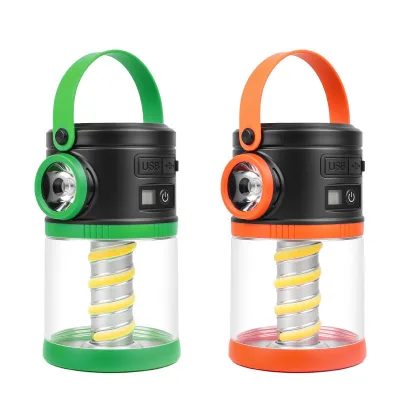


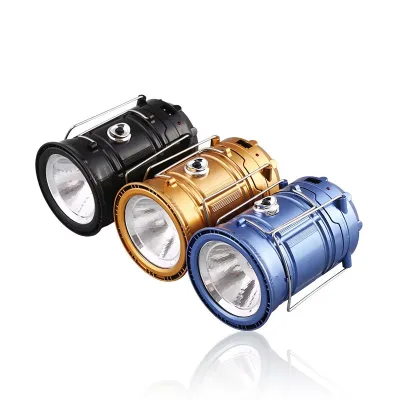


Tent Lighting Lamp with Long-Lasting Power and Emergency Function Solar Fan
$10.00 - $15.00
MOQ: 1 Pieces
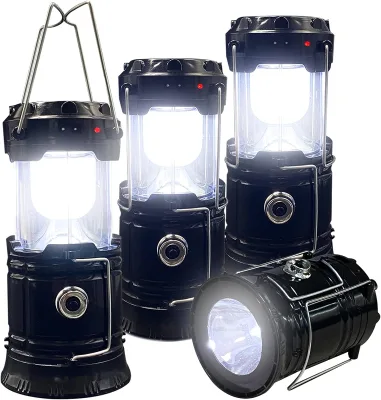

Outdoor Multi-Functional Camping Tent Light Camping Lamp Warm Light Illumination
$4.00 - $4.50
MOQ: 500 Pieces
Comprehensive Sourcing Guide
Solar Powered Tent Camping Lamp Sourcing Guide
Procuring solar-powered tent camping lamps requires a clear understanding of the specific operational constraints these devices face in outdoor environments. Buyers must prioritize units that combine reliable solar charging capabilities with robust battery storage to ensure consistent illumination during extended power outages or remote excursions. The observed market data indicates a strong preference for cylindrical designs constructed from durable ABS and PVC materials, which offer a balance of lightweight portability and impact resistance necessary for rugged camping conditions.
When evaluating potential inventory, it is essential to verify that the selected models support multiple work modes and offer flexible charging options, including both solar power and Type-C USB inputs. This dual-charging capability ensures that users can replenish the 3.7V 1200mAh lithium battery regardless of weather conditions or the availability of sunlight. Sourcing teams should focus on products that explicitly state their suitability for outdoor activities, ensuring the lighting solutions meet the practical demands of camping, emergency situations, and vehicle-based travel.
Product Scope and Observed Listing Signals
The current market for solar camping lamps features a diverse range of specifications, with observed listing prices varying significantly between 1.45 and 15 USD depending on the included features and brand positioning. Buyers should note that while many units are marketed for camping, the actual product scope often extends to emergency lighting for cars and boats, requiring a broader verification of usage claims before finalizing orders. The presence of customization options suggests that suppliers are willing to adapt packaging or branding, which can be a valuable lever for private label strategies in the outdoor gear sector.
Inventory analysis reveals that the majority of available units are not handcrafted but are manufactured using standardized processes, resulting in consistent quality and predictable lead times. The observed color options, including red, green, and orange, alongside white and warm white emitting colors, indicate a market that caters to both functional visibility and aesthetic preferences. Procurement teams must carefully cross-reference the listed single package sizes, such as 14x9x9 cm, with their logistical requirements to optimize shipping costs and storage efficiency within their supply chain.
Technical Specifications to Verify
Technical due diligence must begin with the verification of the light source and its efficiency metrics, as these directly impact the operational lifespan and brightness of the unit. Buyers should confirm that the LED lamps deliver a luminous efficiency of approximately 85 lm/w and maintain a color temperature around 6000K for daylight alert visibility, which is critical for safety in low-light environments. It is also necessary to validate the claimed lifespan of 30,000 hours and ensure that the IP55 rating is genuinely tested to withstand dust and water jets, a common requirement for outdoor equipment exposed to the elements.
Battery performance and charging mechanisms are equally critical, as the 3.7V 1200mAh capacity must be sufficient to power the lamp through a full night of operation. Sourcing professionals should verify the input voltage range, noting that some models support AC 85-265V for versatile charging, while others rely solely on battery or solar inputs. The working temperature range of 35 to 60 degrees Celsius must be confirmed to ensure the device operates reliably in extreme heat or cold, and the inclusion of a dimmer support feature should be checked to meet specific user preferences for light intensity control.
Compliance and Safety Documentation
Regulatory compliance is a non-negotiable aspect of sourcing electronic lighting products, particularly those intended for international distribution. Buyers must insist on seeing valid CE and RoHS certification documents to ensure the products meet European safety and environmental standards, which are often prerequisites for market access in major regions. The presence of FCC certification for certain models indicates compliance with electromagnetic interference regulations in North America, providing an additional layer of assurance regarding the electrical safety and signal integrity of the solar charging circuits.
Beyond basic certifications, procurement teams should verify that the product standards align with the specific dimensions and safety requirements of the target market. While some listings reference specific standard codes, buyers should treat these as observations and request the full technical documentation to confirm that the manufacturing process adheres to the declared norms. Ensuring that the warranty period is clearly defined, typically one year for these types of devices, provides a necessary safety net for buyers against premature failures and helps establish trust with end-users regarding the durability of the solar camping lamps.
Cost Drivers and Commercial Terms
The final landed cost of solar camping lamps is influenced by several key variables, including the complexity of the solar charging system, the quality of the lithium battery, and the chosen packaging materials. Units featuring advanced features like dimmer support and multiple work modes often command a higher price point within the observed 1.45 to 15 USD range, reflecting the additional engineering and component costs involved. Buyers should analyze the single gross weight of 0.300 kg against the shipping volume to determine the most cost-effective logistics strategy, as heavier or bulkier units can significantly erode profit margins.
Commercial terms such as the Minimum Order Quantity (MOQ) and the selling unit configuration play a pivotal role in the financial viability of the procurement. The observed MOQ range of 1 to 3000 units offers flexibility for both small startups and large retailers, but buyers must negotiate based on their specific volume requirements to secure favorable pricing tiers. It is also essential to clarify whether the color box or carton packaging is included in the base price, as this affects the final cost per unit and the readiness of the product for retail display or direct shipment to customers.
Supplier Qualification and Quality Control
Establishing a reliable supply chain for solar camping lamps requires a rigorous assessment of the supplier's manufacturing capabilities and quality control protocols. Buyers should verify that the supplier has a proven track record in producing lighting solutions, potentially supported by services such as lighting and circuitry design, which indicates a deeper level of technical expertise. The origin of the products, often listed as Zhejiang, China, should be cross-referenced with the supplier's facility location to ensure transparency and to facilitate potential on-site audits or third-party inspections.
Quality control measures must extend beyond the final product to include the verification of raw materials and the assembly process. Since the products are not handcrafted, buyers should ensure that the automated production lines maintain strict tolerances for the ABS plastic and PC components to prevent defects in the casing or internal circuitry. Requesting pre-shipment samples that match the exact specifications, including the model number and color rendering index of 80, is a critical step to validate that the mass-produced units meet the same high standards as the initial prototypes.
Long-Term Procurement Checks
Sustaining a successful partnership with solar camping lamp suppliers requires ongoing monitoring of product performance and market responsiveness over time. Buyers should establish a schedule for periodic quality audits to ensure that the IP55 rating and battery longevity claims remain consistent as production volumes scale up. It is also advisable to track the performance of the 10-watt lamp power output and the 6000K color temperature in real-world conditions to identify any potential degradation in product quality that could affect brand reputation.
Strategic procurement planning must also account for the evolving regulatory landscape and consumer expectations regarding sustainability and energy efficiency. As the market for outdoor lighting continues to grow, buyers should maintain open communication with suppliers regarding potential updates to certifications, such as new FCC or CE requirements, and the integration of more advanced solar technologies. By maintaining a proactive approach to supplier qualification and quality control, buyers can ensure a steady supply of reliable, high-performance solar camping lamps that meet the demands of the competitive outdoor gear market.
FAQs
What are the charging options for this Solar Powered Tent Camping Lamp?
The lamp supports dual charging via solar power and Type-C USB input. This flexibility ensures reliable operation in various outdoor conditions. Users can harness sunlight for sustainable energy or use a standard USB cable for quick replenishment. This design accommodates different camping scenarios and power availability.
How many lighting modes does the Solar Powered Tent Camping Lamp offer?
It features three distinct work modes to suit different needs. These modes allow users to adjust brightness and usage patterns effectively. The versatility supports extended camping trips by optimizing battery life. Users can select the appropriate setting for reading, ambient lighting, or emergency signaling.
What is the battery capacity and type of the Solar Powered Tent Camping Lamp?
The device is equipped with a 3.7V 1200mAh lithium battery. This capacity provides sufficient power for extended outdoor use. The lithium construction ensures durability and efficient energy retention. It supports the lamp's operation for camping, car, or emergency lighting applications reliably.
What certifications does the Solar Powered Tent Camping Lamp hold?
The product holds CE and RoHS certifications, ensuring compliance with safety and environmental standards. Some variants may also include FCC certification. These marks verify that the lamp meets rigorous quality and regulatory requirements for international markets. Buyers can trust the safety and reliability of the electronic components.
What is the IP rating for the Solar Powered Tent Camping Lamp?
The lamp has an IP55 rating, offering protection against dust and water jets. This level of ingress protection makes it suitable for outdoor activities. It can withstand rain and dusty environments common in camping settings. The robust design ensures longevity and consistent performance in adverse weather conditions.
What materials are used to construct the Solar Powered Tent Camping Lamp?
The lamp is constructed from ABS plastic and PC materials. These durable polymers provide impact resistance and lightweight portability. The cylindrical shape enhances stability for desktop or tent installation. The material choice ensures the lamp remains sturdy while being easy to carry during outdoor adventures.