Source Spice Powder Sterilization Machine for Condiments, Seasonings, and Powders
Find 30 listings for the Spice Powder Sterilization Machine featuring PLC control, stainless steel construction, and microwave drying capabilities. Buyers can compare models with capacities from 100 to 1000kg per hour and voltage options of 380V for various industrial applications.
Key considerations
Products List


Microwave Spice Condiments Seasonings Powder Drying Sterilization Equipment
$12000.00 - $45000.00
MOQ: 1 Pieces

Spices Powder Sterilization Machine Industrial Microwave Sterilizing Equipment
$20000.00 - $80000.00
MOQ: 1 Pieces


Microwave Tea Leaves Sesame Chili Spice Powder Drying Sterilization Machine
$13500.00 - $46000.00
MOQ: 1 Sets


Spice Turmeric Powder Industrial Microwave Sterilization Drying Machine Equipment
$13500.00 - $24900.00
MOQ: 1 Pieces


Commercial Grains UV Sterlizer Disinfection Machine Spice Sterilization Machine
$2800.00 - $4500.00
MOQ: 1 set
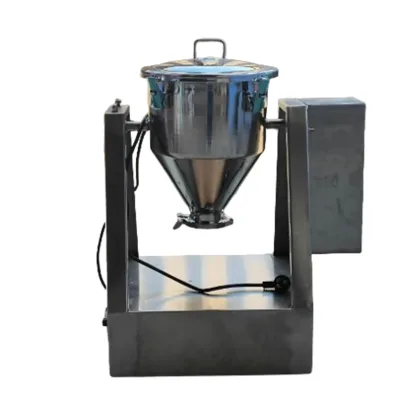


Spice Pulverizer Machine Spice Crusher Spice Powder Grinding Machine
$2500.00 - $10000.00
MOQ: 1 Pieces


Glass Bottles Herbal Chili Sauces Sterilization Machine High Temperature Retort
$10500.00 - $45000.00
MOQ: 1 set

Chili Sauce Sterilizer Sterilization Machine Pasteurizer Pasteurization Machine
$12000.00 - $43000.00
MOQ: 1 Meters


Pulverizer Machine for Food Spices Powder Dry Powder Pulverizer Grinder Machine
$3000.00 - $3142.00
MOQ: 1 Pieces

Powder Pulverizer/Spices Powder Pulverizer/Spices Powder Pulverizer Machine
$3000.00 - $3142.00
MOQ: 1 Pieces

Automatic Grinding Machines Spice Grinding Machine Powder Grinder Price
$3000.00 - $3142.00
MOQ: 1 Pieces


Comprehensive Sourcing Guide
Strategic Sourcing Guide for Spice Powder Sterilization Equipment
Procuring industrial-grade sterilization machinery for spice powders requires a rigorous understanding of the specific technical capabilities, regulatory compliance, and operational economics inherent to the sector. The market for microwave sterilization equipment has expanded significantly, driven by the need for rapid, non-thermal processing that preserves the volatile aromatic compounds of condiments and seasonings. This guide synthesizes observed market data and technical specifications to assist procurement professionals in selecting the correct equipment, evaluating suppliers, and ensuring long-term operational efficiency without relying on unverified claims.
Technical Architecture and Operational Specifications
The core of any effective spice powder sterilization line is the microwave generation system and the tunnel architecture designed for continuous processing. Based on current market observations, the dominant configuration for this application is the tunnel-type structure, which facilitates a continuous flow of material through the sterilization zone. This design is critical for maintaining consistent throughput and ensuring uniform exposure to microwave energy. The machinery is typically constructed from stainless steel, a material choice that aligns with food safety requirements and ensures resistance to corrosion in environments where humidity and cleaning agents are prevalent.
The control system is a pivotal component of modern sterilization units. Most advanced models utilize a Programmable Logic Controller (PLC) to manage the entire process. This automation allows for precise regulation of critical parameters such as temperature, conveyor speed, and microwave power output. The observed temperature range for these units spans from 0 to 300 degrees, providing the flexibility required to handle various spice types, from delicate herbs to robust roots. The control type is predominantly automatic, minimizing human error and ensuring that the sterilization process adheres to strict time-temperature profiles.
Power consumption and frequency are other defining technical attributes. The microwave frequency is standardized at approximately 2450MHz, which is the industrial standard for penetration and heating efficiency. The magnetron components, often sourced from reputable manufacturers such as Toshiba or Samsung, are central to the equipment's reliability. The power capacity of these units varies significantly, with observed models ranging from 10kW to 300kW, allowing buyers to scale their operations based on production volume. The cooling system is equally important, with options available for either air or water cooling to protect the magnetrons and ensure stable operation during continuous cycles.
Compliance, Certification, and Safety Standards
In the food processing industry, regulatory compliance is non-negotiable. When sourcing sterilization equipment, buyers must verify that the machinery carries recognized certifications. The CE mark is a frequently observed certification in the current market, indicating conformity with health, safety, and environmental protection standards for products sold within the European Economic Area. While this is a strong indicator of quality, it should be viewed as a baseline requirement rather than a comprehensive guarantee of performance for all local jurisdictions.
The property of the sterilization process is often categorized as physical sterilization, distinguishing it from chemical methods. This is a significant advantage for spice producers who wish to avoid the introduction of residues or alter the chemical composition of their product. The equipment is designed to provide low-temperature sterilization, which is essential for preserving the flavor, color, and nutritional value of spices. However, buyers must remain vigilant regarding the specific claims made by suppliers. While some listings describe the process as "low temperature," the actual operational temperature can reach up to 300 degrees depending on the specific model and the desired sterilization depth.
Safety standards regarding the installation and operation of high-voltage microwave equipment are paramount. The machinery typically requires a dedicated electrical supply, with a standard voltage of 380V observed in industrial models. The installation process often involves engineer guidance or on-site commissioning to ensure that the equipment is set up correctly and safely. Buyers should verify that the supplier provides comprehensive documentation regarding electrical safety, radiation shielding, and emergency stop protocols. The absence of pollution is a key feature highlighted in the market, with equipment marketed as "No-Pollution Food Sterilization Machines," implying that the process does not generate hazardous waste or byproducts.
Cost Drivers and Economic Considerations
The pricing structure for spice powder sterilization machines is highly variable, reflecting the complexity of the engineering, the scale of production, and the level of customization required. Observed price ranges in the market span from approximately $520 to $400,000 USD. This vast disparity is primarily driven by the power capacity of the unit, the extent of customization, and the inclusion of auxiliary systems. Lower-cost units may be smaller, lower-power models suitable for pilot testing or small-scale production, while the higher-end units represent fully automated, high-capacity tunnel systems with advanced PLC integration and extensive after-sales support.
The Minimum Order Quantity (MOQ) is another critical economic factor. In the current market, the MOQ is typically set at 1 set, which offers significant flexibility for buyers of all sizes. This low entry barrier allows companies to invest in a single unit to validate their production line before scaling up. However, the total cost of ownership extends beyond the initial purchase price. Buyers must consider the energy consumption, which is influenced by the efficiency of the magnetrons and the insulation of the tunnel. Models advertised with "Low Consumption High Efficiency" advantages should be scrutinized against actual performance data to ensure that the energy savings are realized in practice.
Customization is a major cost driver. While the base models may have standard dimensions and capacities, many buyers require tailored solutions. The market supports customized dimensions and capacities ranging from 100 to 1000kg per hour. Customization of the control system, conveyor length, and specific heating zones will inevitably increase the unit price. Additionally, the packing method, whether plastic film or containerized shipping, can impact logistics costs. Buyers should factor in the weight of the equipment, which ranges from 1.5 to 5 tons, as this will influence shipping and installation expenses.
Typical Applications and Process Versatility
The primary application for this category of equipment is the sterilization of spice powders and condiments. The machinery is specifically engineered to handle materials such as chili powder, cumin, coriander, and various blended seasonings. The "Physical Sterilization" property ensures that the process targets microorganisms without altering the chemical profile of the spice. This is particularly important for high-value spices where flavor integrity is paramount. The equipment is also capable of drying, making it a versatile solution for producers who need to reduce moisture content prior to or during the sterilization process.
The operational mode is continuous, which is ideal for high-volume production environments. The system is designed to be operated by 1 to 2 workers, reflecting a high degree of automation that reduces labor costs and increases throughput. The ability to handle a wide range of capacities, from 100kg/h to 1000kg/h, allows the equipment to be adapted to different stages of business growth. Whether a buyer is processing small batches of artisanal spices or large volumes for industrial distribution, the modular nature of the tunnel design allows for scalability.
Furthermore, the equipment's application extends beyond simple sterilization. Some models offer "Combined Sterilization" capabilities, integrating drying and sterilization functions into a single pass. This integration reduces the footprint of the production line and minimizes the time the product is exposed to the environment, thereby reducing the risk of re-contamination. The "Low Temperature" feature is particularly beneficial for heat-sensitive spices, ensuring that the essential oils and volatile compounds are not degraded by excessive heat.
Supplier Evaluation and Quality Assurance
Evaluating a supplier for microwave sterilization equipment requires a multi-faceted approach. The first step is to verify the origin of the machinery. A significant portion of the market is sourced from the Shandong province in China, a region known for its manufacturing base in food processing equipment. While this provides access to a wide range of options, buyers must conduct due diligence to ensure that the specific manufacturer has a proven track record in the spice processing sector.
Quality assurance should focus on the components used in the construction of the machine. The magnetron is the heart of the system, and buyers should request details on the brand and specifications of the tubes used. The use of Toshiba or Samsung magnetrons is a positive indicator, but the overall build quality of the tunnel, the sealing of the waveguides, and the durability of the conveyor system are equally important. The condition of the equipment is typically listed as "New," but buyers should request photos or videos of the actual production line to verify the quality of the stainless steel finish and the assembly.
After-sales service is a critical differentiator among suppliers. The market standard includes field installation, commissioning, and training. Buyers should confirm that the supplier provides engineer guidance for installation, as the setup of microwave equipment requires specialized knowledge to ensure safety and efficiency. The availability of spare parts and the responsiveness of the technical support team should be clearly defined in the contract. The "After-Sales Service Provided" attribute often includes these elements, but the scope and duration of the support must be explicitly stated to avoid future disputes.
Long-Term Procurement and Operational Strategy
Procuring a sterilization machine is a long-term investment that requires careful planning for maintenance and future scalability. The equipment is designed for continuous operation, but the wear and tear on components like the conveyor belts and magnetrons must be managed proactively. Buyers should establish a maintenance schedule that includes regular inspections of the cooling system, which can be either air or water-based, to prevent overheating and ensure the longevity of the magnetrons.
The customization aspect of the machinery offers a strategic advantage for future growth. As production volumes increase, the ability to adjust the power output or extend the tunnel length can be a cost-effective way to scale without replacing the entire system. Buyers should also consider the energy efficiency of the unit over its lifecycle. While the initial price may be higher for a model with "High Efficiency" claims, the long-term savings in energy costs can be substantial, particularly in regions with high electricity rates.
Finally, buyers must remain aware of the dynamic nature of the market. Standards and regulations regarding food safety and equipment certification can evolve. It is advisable to purchase equipment that not only meets current standards but is also designed to accommodate future regulatory changes. The "According to Model" standard designation suggests that different models may comply with different specifications, so buyers must ensure that the specific model they select aligns with their local regulatory requirements. By focusing on technical specifications, verified certifications, and robust after-sales support, buyers can secure a sterilization solution that ensures product safety and operational efficiency for years to come.
FAQs
What control system does the Spice Powder Sterilization Machine use?
The machine utilizes a PLC control system for automated operation. This setup allows for precise regulation of temperature and conveyor speed, ensuring consistent sterilization results for spice powders without manual intervention.
Can the equipment handle customized production capacities?
Yes, customization is available for production capacities ranging from 100 to 1000kg per hour. Buyers can specify dimensions and power requirements to match their specific throughput needs while maintaining the tunnel structure.
Which certification does the sterilization equipment typically hold?
The equipment commonly carries the CE certification for safety and compliance. This mark indicates conformity with health and environmental standards, serving as a baseline requirement for industrial machinery sold in international markets.
How is the installation process managed for this machinery?
Installation is supported by engineer guidance and field commissioning services. Suppliers provide training and on-site assistance to ensure the high-voltage microwave equipment is set up correctly and operates safely within the facility.
What is the standard voltage requirement for the machine?
The machinery operates on a standard voltage of 380V. This electrical specification is typical for industrial models and requires a dedicated power supply to safely drive the magnetrons and conveyor systems.
Which material is used to construct the machine body?
The machine body is constructed from stainless steel. This material choice ensures resistance to corrosion and meets food safety requirements, making it suitable for processing condiments and spice powders in humid environments.