Source Spicy Cooking Mustard Oil for restaurants, food processing, and retail
Find 26 listings for Spicy Cooking Mustard Oil from verified Chinese manufacturers. Buyers can compare raw materials, processing methods, packaging options, and pricing to select the right supplier for bulk procurement needs.
Key considerations
Products List


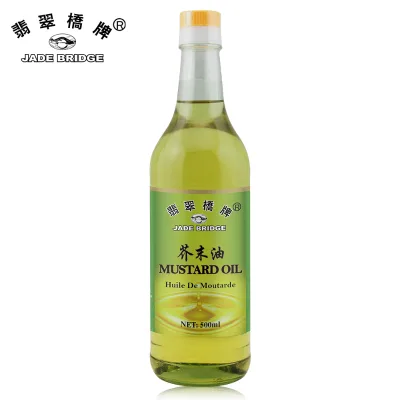

Chinese Manufacturer Jade Bridge Cooking Seasoning Oil, Cooking Oil, Peanut Oil
$13.00 - $15.00
MOQ: 300 Boxes


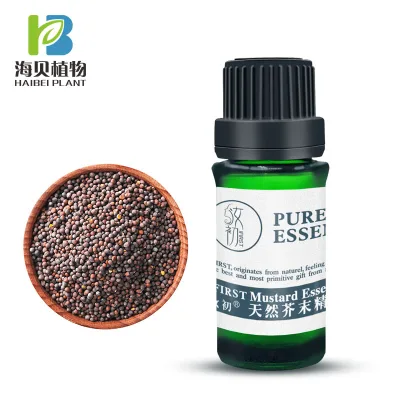
Factory Direct Selling Wholesale Bulk Pure Natural Mustard Essential Oil
$0.79 - $4.30
MOQ: 2 kilograms


Comprehensive Sourcing Guide
Strategic Sourcing Guide for Spicy Cooking Mustard Oil
The global demand for flavorful condiments has elevated the profile of Spicy Cooking Mustard Oil, a product defined by its pungent aroma and distinct heat profile. For B2B procurement professionals, sourcing this specific commodity requires a nuanced understanding of raw material origins, processing methodologies, and the specific regulatory landscapes governing edible oils. This guide synthesizes available market data to provide a disciplined framework for evaluating suppliers and securing supply chains that meet rigorous quality and operational standards. The focus remains on the intersection of technical specifications, such as the "spicy" taste profile and "thick liquid" form, with the logistical realities of international trade.
Technical Specifications and Product Attributes
Understanding the precise technical attributes of the product is the first step in any procurement strategy. The core keyword "Spicy Cooking Mustard Oil" implies a specific sensory profile that distinguishes it from milder variants. Market observations indicate that the product often presents as a "thick liquid" with a "light green" coloration, characteristics that are critical for visual quality control upon receipt. The taste profile is explicitly described as "slightly bitter" with a "spicy aroma," a combination that is highly valued in specific culinary traditions.
The raw material foundation is equally critical. The product is derived from "Black Mustard" seeds, specifically utilizing the "seed" part of the plant. This botanical specificity ensures the correct chemical composition, including the glucosinolates responsible for the signature heat. Procurement teams must verify that the "Product Type" aligns with "Single Herbs & Spices" or "Blended Oil" depending on the specific formulation required. While some listings suggest a "100% Pure" status, buyers must treat such claims as observations to be verified through third-party testing rather than absolute guarantees.
Packaging and physical specifications vary significantly across the supply base. Standard offerings include "Carton" (CTN) and "Plastic Container" options, with specific model numbers like "0301082" or "Mustard Oil" serving as identifiers. Volume standards range widely, from small retail units of "60ml" and "150ml" to bulk industrial containers of "1.96L" and "190kg". The "Single package size" for certain configurations is noted as "15X12X12 cm," which is essential for calculating container load efficiency. The "Weight (kg)" for individual units is often around "0.96 kg" to "1.000 kg," factors that directly influence freight costs and inventory management.
Compliance, Certification, and Regulatory Verification
In the food and beverage sector, compliance is not merely a formality but a prerequisite for market access. While specific certification bodies are not universally listed in general product data, the "prod_standard" field often references volume capacities such as "25l" or "400ml/4l/190kg," which serve as proxies for regulatory compliance with local packaging laws. Buyers must verify that the "Storage Type" is maintained at "normal temperature" throughout the supply chain to prevent degradation, as the product has a defined "Shelf Life" of "24 months."
The origin of the product plays a significant role in regulatory compliance. The primary production hubs identified are in "China," with specific locations including "Zhuhai, Guangdong," "Foshan, Guangdong," and the broader "Guangdong" province. These regions have established infrastructure for oil processing, but buyers must ensure that the "Place of Origin" matches the documentation provided for customs clearance. Furthermore, the "Ingredients" field in some listings notes "NON," which may indicate a lack of additives or a specific declaration of purity that requires clarification with the supplier.
Certification checks should extend beyond the product itself to the manufacturing process. The "Processing Method" is identified as "Compression," a traditional technique that preserves the oil's natural properties. However, some data points suggest a "Baked" processing type, indicating that different suppliers may utilize varying thermal treatments. This variance necessitates a clear specification in the purchase order to ensure the final product meets the intended culinary application. Buyers should also confirm that the "Warranty" period, observed as "18 Months" in some contexts, aligns with the product's actual shelf life and storage requirements.
Cost Drivers and Pricing Dynamics
The pricing structure for Spicy Cooking Mustard Oil is influenced by a complex interplay of raw material costs, processing methods, and packaging requirements. The observed listed price range in the market spans from $0.79 to $3600, a vast disparity that reflects the difference between small retail units and bulk industrial shipments. This range underscores the importance of defining the exact "MOQ" (Minimum Order Quantity) at the outset of negotiations. The observed MOQ range is equally broad, extending from 1 unit to 4800 units, allowing for flexibility in procurement strategies.
For buyers seeking bulk quantities, the "MOQ" of 500 units is a common threshold, though some suppliers may require higher volumes. The "Free Sample" availability is a notable cost driver, as it allows buyers to validate quality before committing to larger orders. However, the cost of samples and the associated shipping, typically "by Sea," must be factored into the total landed cost. The "OEM" (Original Equipment Manufacturer) support offered by suppliers adds value but may incur additional setup fees or higher per-unit costs due to custom branding and packaging requirements.
The "Resource" classification as "Plants Oil" indicates that the product is subject to agricultural market fluctuations. Variations in the yield of "Sesame Seeds" or "Peanut" (often blended or processed in similar facilities) can impact the overall cost structure. Additionally, the "Type" of oil, whether "Blended Oil," "Sesame Oil," or "Peanuts Oil," affects the pricing, as these are distinct commodities with different market valuations. Buyers must carefully distinguish between pure mustard oil and blended variants to avoid cost discrepancies.
Typical Applications and Culinary Integration
The primary "Use" for this product is "Cooking," but the specific applications are dictated by its unique "Taste" profile. The "spicy" and "slightly bitter" notes make it particularly suitable for dishes requiring a robust flavor base, such as curries, marinades, and pickling processes. The "Style" is described as "Fresh," suggesting that the oil is best utilized in applications where its aromatic qualities are not compromised by high-heat degradation, although the "Baked" processing method suggests some thermal stability.
The "Form" of the oil as a "Thick Liquid" influences its application in industrial food manufacturing. It may be used as a standalone ingredient or as a base for emulsions and dressings. The "Kind" of mustard oil, specifically "Mustard Oil," is often a staple in South Asian and certain European cuisines. The "Brand Name" "Jade Bridge" and manufacturer "Desly Foods" represent specific market players, but the general category of "Single Herbs & Spices" indicates its versatility in spice blends and ready-to-eat meal preparations.
Buyers should consider the "Appearance" as "liquid" when designing packaging for end-consumers. The "Color" being "light green" is a visual cue that consumers associate with freshness and purity. In commercial kitchens, the oil's "Spicy" profile can be used to reduce the need for additional chili or pepper additives, streamlining the recipe formulation process. The "Part" of the plant used, the "seed," ensures that the oil retains the full spectrum of flavor compounds found in the whole seed, making it ideal for high-end culinary applications.
Supplier Evaluation and Operational Capabilities
Evaluating suppliers requires a focus on their operational capabilities and logistical reliability. The "Address" of suppliers, such as "Foshan, Guangdong," provides insight into their proximity to major ports and manufacturing hubs. The "Ship" method is predominantly "by Sea," which is cost-effective for large volumes but requires careful planning regarding lead times. The "OEM" support indicates that suppliers are capable of customizing packaging and branding, a crucial factor for private label strategies.
The "Manufacturer" "Desly Foods" and the availability of "Free Sample" suggest a supplier base that is open to engagement and quality verification. However, buyers must verify the "Manufacturer" details against official business registries to ensure legitimacy. The "Product Name" "pure mustard seed oil" and the "Variety" "BLACK MUSTARD" are specific identifiers that help in filtering suppliers who may offer generic or lower-quality alternatives.
Supplier evaluation should also include an assessment of their "Resource" capabilities. The classification as "Plants Oil" implies a supply chain that is sensitive to seasonal variations in crop yields. Buyers should inquire about the supplier's ability to maintain consistent quality across different harvest seasons. The "Processing Method" of "Compression" is a traditional approach, but the presence of "Baked" processing in some listings suggests that suppliers may have multiple production lines. Understanding the specific line used for a given order is essential for quality consistency.
Quality Control and Long-Term Procurement Strategies
Quality control is paramount in the procurement of edible oils. The "Shelf Life" of "24 months" and the "Storage Type" of "normal temperature" provide a baseline for quality retention, but buyers must implement their own testing protocols to verify "Purity" claims. The "Ingredients" listing of "NON" requires clarification to ensure no unauthorized additives are present. Regular testing for acidity, peroxide value, and heavy metals is recommended to maintain product integrity.
Long-term procurement strategies should focus on building relationships with suppliers who offer "OEM" capabilities and consistent "Customization" options. The "Warranty" of "18 Months" suggests a confidence in product stability, but buyers should negotiate terms that cover potential quality issues arising from shipping or storage. The "Packaging" options, including "Drum," "Bottle," and "Carton," should be selected based on the end-user requirements and the logistics of the destination market.
The "Model Number" and "Single package size" data points are critical for inventory management and supply chain planning. Buyers should establish a standardized nomenclature for their internal systems to match supplier specifications accurately. The "Weight (kg)" and "Single gross weight" data are essential for freight optimization, ensuring that shipping costs are minimized while maximizing container utilization.
Comparative Analysis of Product Variants
To assist in decision-making, the following table summarizes key attributes observed in the market for Spicy Cooking Mustard Oil and related variants. This comparison highlights the diversity in specifications and helps buyers identify the most suitable product for their specific needs.
| Attribute | Variant A (Pure Mustard) | Variant B (Blended Oil) | Variant C (Sesame/Peanut) |
|---|---|---|---|
| Raw Material | Black Mustard Seed | Mixed Plant Oils | Sesame Seeds / Peanut |
| Taste Profile | Spicy, Slightly Bitter | Mild, Customizable | Nutty, Aromatic |
| Form | Thick Liquid | Liquid | Liquid |
| Color | Light Green | Variable | Golden Yellow |
| Processing | Compression / Baked | Compression | Compression |
| Packaging | Bottle, Carton, Drum | Carton, Plastic Container | Bottle, Carton |
| MOQ | 500 Units | 1-4800 Units | 1-4800 Units |
| Origin | Guangdong, China | China | China |
This table illustrates that while the core keyword focuses on "Spicy Cooking Mustard Oil," the market offers a spectrum of products that may require careful differentiation. The "Blended Oil" category, for instance, offers flexibility in taste but may lack the distinct "spicy" punch of the pure variant. Similarly, the "Sesame/Peanut" variants offer different flavor profiles that may not align with the specific culinary requirements of the buyer.
Conclusion
Sourcing Spicy Cooking Mustard Oil requires a meticulous approach that balances technical specifications, regulatory compliance, and cost efficiency. By leveraging the observed data on raw materials, processing methods, and packaging standards, buyers can make informed decisions that align with their operational goals. The vast range of prices and MOQs necessitates a clear definition of requirements before engaging with suppliers. Ultimately, the success of the procurement process depends on rigorous quality control, transparent communication, and a strategic partnership with suppliers who can deliver consistent, high-quality products that meet the demanding standards of the global food industry.
FAQs
What is the taste profile of Spicy Cooking Mustard Oil?
The taste profile is slightly bitter with a spicy aroma. This distinct flavor comes from the black mustard seeds used in the production process, making it suitable for robust culinary applications requiring pungency.
How is the raw material processed for this oil?
The raw material is processed using compression methods to extract the oil. Some variations may involve baking, but compression is the primary technique to preserve the natural properties of the black mustard seeds.
Which packaging options are available for bulk orders?
Packaging options include drums, bottles, cartons, and plastic containers. Specific volume standards range from 60ml retail units to 190kg industrial drums, allowing flexibility for different distribution channels.
Can suppliers offer OEM customization for branding?
Yes, OEM support is available for custom branding and packaging. Buyers can request specific package designs and labels, provided they meet the minimum order quantity requirements set by the manufacturer.
What is the shelf life of the pure mustard seed oil?
The shelf life is 24 months when stored at normal temperature. This duration ensures product stability, though buyers should verify storage conditions to maintain the light green color and liquid form.
Where are the primary manufacturing locations for this oil?
Primary manufacturing locations are in Guangdong, China, specifically in Foshan and Zhuhai. These regions provide established infrastructure for processing black mustard seeds into edible oils for international export.
What is the minimum order quantity for purchasing this oil?
The minimum order quantity is typically 500 units, though ranges can extend from 1 to 4800 depending on the supplier. Buyers should confirm specific MOQs based on their desired packaging and volume.