Source Square Round PVC Nose Pads for Glasses, Masks, and Safety Gear
Explore 30 listings for Square Round PVC Nose Pads suitable for eyewear, masks, and safety equipment. Buyers can compare materials like silicone and cotton, sizes, and customization options from verified Chinese manufacturers.
Key considerations
Products List










Comprehensive Sourcing Guide
Strategic Sourcing Guide for Square and Round Nose Pads
The procurement of optical accessories, specifically nose pads in square and round configurations, requires a nuanced understanding of material science, manufacturing tolerances, and supplier capabilities. While the core keyword suggests a focus on PVC materials, the available market data reveals a diverse landscape of materials including silicone, non-woven fabrics, and cotton blends. This guide synthesizes verified product attributes and industry standards to assist buyers in navigating the complexities of sourcing these components. The objective is to provide a framework for evaluating suppliers and products based on observable facts rather than unverified marketing claims.
Material Composition and Physical Attributes
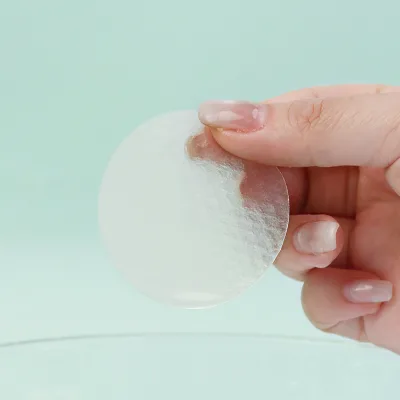
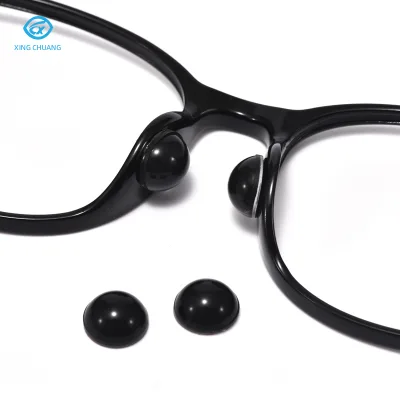
The first critical step in sourcing nose pads is defining the material requirements. The market offers distinct options, each with unique performance characteristics. Silicone is a prominent material observed in the current supply chain, valued for its flexibility and skin-friendly properties. Products utilizing silicone are often described as having "Anti-Slip" features and come in various colors, including transparent options (#1, #2, #3, #4). These attributes suggest a focus on comfort and grip, which are essential for eyewear that sits on the nose for extended periods.
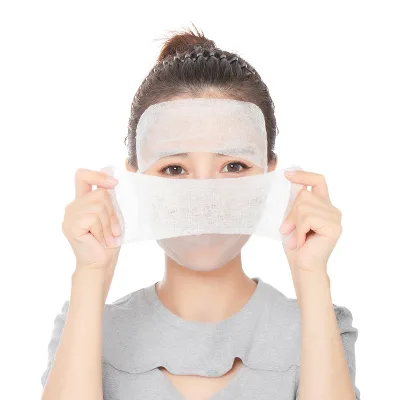
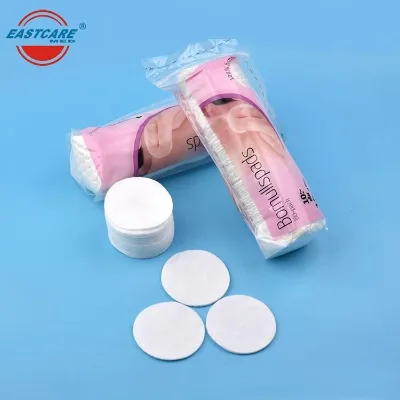
In contrast, other product listings highlight non-woven materials and 100% cotton. While these are typically associated with facial care products like cotton pads, their inclusion in the broader category of "pads" indicates a need for buyers to distinguish between structural eyewear components and consumable skincare items. For eyewear applications, the structural integrity of the material is paramount. The data indicates that some products are "stretchable," a feature that enhances the adaptability of the pad to different frame geometries.
Shape is another defining characteristic. The market explicitly supports both "Square" and "Round" configurations. Round pads are often associated with a diameter specification of approximately 6cm in certain contexts, though for eyewear, the scale is significantly smaller, with some specifications noting sizes around 9/11 mm. Square pads are noted with specific dimensions, such as 58mm*58mm, though these may refer to packaging or related accessories rather than the pad itself. Buyers must verify the actual dimensions of the nose pad against the frame's bridge width. The "Symmetrical" shape attribute is also noted, which is a standard requirement for optical balance.
Technical Specifications and Customization
When evaluating technical specifications, buyers must look beyond generic descriptions to precise measurements and customization limits. The available data points to specific model numbers such as JX58, JX4578, and GA01YX. These identifiers are crucial for tracking inventory and ensuring consistency across orders. Customization is a significant factor in this sector. Suppliers indicate that logo customization is available, with minimum order quantities (MOQs) varying significantly. For instance, one data point suggests a logo customization threshold of 5,000 units, while another indicates a threshold of 100,000 units. This variance highlights the importance of negotiating MOQs based on the specific branding needs of the buyer.
Packaging standards also vary. Some products are packed in boxes, while others utilize plastic bags or OPP bags. The standard packaging quantity can range from single items to bulk packs of 100 pieces per pack or 80 pieces per bag. For a buyer managing a large inventory, the "100 pairs per pack" standard is a useful benchmark for calculating storage and shipping efficiency. Additionally, the weight of the product is a logistical consideration; observed weights are approximately 42g per pack, which helps in estimating freight costs.
The "Single package size" is listed as "XX cm" in some records, indicating that specific dimensions must be confirmed with the supplier. Similarly, the "Max length per piece" is noted as around 23cm for certain items, which may apply to the strap or the pad assembly rather than the pad itself. Buyers should request detailed dimension sheets to ensure compatibility with their frame designs.
Compliance, Certification, and Safety Standards
In the realm of optical accessories, compliance with safety and environmental standards is non-negotiable. The product data references several certifications, including RoHS, ISO, CE, and specific features like "Biodegradable" or "Disposable." RoHS compliance ensures that the materials do not contain restricted hazardous substances, which is critical for products in direct contact with human skin. ISO certification indicates adherence to international quality management standards, providing a baseline for manufacturing consistency.
The "Feature: Biodegradable" attribute suggests an emerging trend toward eco-friendly materials, particularly for non-woven or cotton-based products. However, for silicone or PVC-based nose pads, buyers must verify if the "Biodegradable" claim applies to the entire product or specific components. The "Disposable" feature is also noted, which may apply to single-use variants or specific packaging types.
Buyers must be cautious when interpreting these certifications. The presence of a certification label does not guarantee that every SKU from a supplier meets the standard. It is essential to request valid certification documents for the specific batch being ordered. Furthermore, the "OEM & ODM: Acceptable" status indicates that suppliers are willing to work with buyers on custom designs, but this should be accompanied by a clear agreement on quality control protocols to ensure that customizations do not compromise safety standards.
Cost Drivers and Pricing Dynamics
Understanding the cost structure of nose pads is vital for budgeting and negotiation. The observed price range in the market spans from $0.01 to $30.00 USD. This wide variance is driven by several factors, including material quality, customization complexity, and order volume. Silicone and high-grade non-woven materials typically command higher prices than basic PVC or cotton blends.
The MOQ is a primary driver of unit cost. The observed MOQ range is from 1 to 10,000 units. Lower MOQs, such as 1 unit, are often associated with sample orders or small-batch customizations, which carry a premium per unit. Conversely, bulk orders of 10,000 units can significantly reduce the per-unit cost. The "Sample: free" attribute is a common offering, allowing buyers to test product quality before committing to a large order. However, buyers should clarify if shipping costs for samples are covered.
Payment terms are another financial consideration. The standard terms observed include T/T (Telegraphic Transfer) and Alipay. These terms affect cash flow and risk management. T/T is a traditional method that requires upfront or partial payment, while Alipay offers a digital, often more flexible, payment gateway. Buyers should align their payment strategy with their supplier's requirements and their own financial policies.
Supplier Evaluation and Geographic Origins
Supplier selection should be based on a combination of location, capability, and reputation. The product data lists origins in Taixing, Anhui, Ningbo, and HeBei, all within China. These regions are known for their manufacturing clusters in textiles and optical accessories. Taixing and Ningbo, in particular, are hubs for textile and packaging industries, which may influence the quality of non-woven and cotton-based products.
When evaluating suppliers, buyers should verify the "Brand Name" and "Model Number" consistency. The brand "Jiaxin" is mentioned, but relying on a single brand is risky. Instead, buyers should focus on the supplier's ability to meet the specific "Model Number" requirements (e.g., JX58, JX4578). The "Suitable for: Unisex" and "Suitable for: General" attributes indicate that the products are designed for a broad market, which is a positive sign for mass production capabilities.
The "Advantage: stretchable" attribute is a key differentiator. Suppliers who can consistently produce stretchable pads demonstrate a higher level of manufacturing precision. Buyers should request samples to test this property physically. Additionally, the "Logo Customized" capability requires a clear understanding of the supplier's printing or molding technology. The difference between a 5,000-unit MOQ and a 100,000-unit MOQ for logo customization suggests that different suppliers have different minimum thresholds for tooling and setup.
Quality Control and Long-Term Procurement
Quality control (QC) is the final pillar of a successful sourcing strategy. Given the direct contact with skin, the "Function: skin care" attribute, while more common in cotton pads, implies a need for hypoallergenic properties in nose pads. Buyers should verify that the materials used are free from irritants and that the "Anti-Slip" feature is consistent across batches.
For long-term procurement, establishing a relationship with a supplier who offers "OEM & ODM" services is beneficial. This allows for continuous improvement and adaptation to market trends. The "Layers: 1 Layer" specification suggests a simple construction, which can be easier to quality control, but buyers must ensure that the bonding or molding process is robust.
The "Usage: wet use, as facial mask" attribute for some products highlights the need to distinguish between skincare and eyewear applications. Buyers must ensure that the product selected is specifically designed for eyewear use and not a mislabeled skincare item. The "Color: White" and "Colour: Transparent" options provide aesthetic flexibility, but color consistency must be maintained across large orders.
In conclusion, sourcing square and round nose pads requires a meticulous approach that balances material science, regulatory compliance, and supplier capability. By focusing on verified attributes such as material type, certification status, and customization limits, buyers can mitigate risks and ensure a steady supply of high-quality components. The wide range of observed prices and MOQs underscores the importance of clear communication and detailed specifications in every procurement transaction.
| Attribute Category | Observed Data Points | Verification Requirement |
|---|---|---|
| Material | Silicone, Non-Woven, 100% Cotton, PVC (implied) | Confirm material composition via test reports. |
| Shape | Round, Square, Symmetrical | Verify dimensions (e.g., 9/11 mm, 6cm Dia) against frame specs. |
| Certification | RoHS, ISO, CE, Biodegradable, Disposable | Request valid certificates for specific batches. |
| Customization | Logo (5k/100k MOQ), OEM/ODM | Clarify tooling costs and minimum order thresholds. |
| Packaging | Box, Plastic Bag, OPP Bag, 100PCS/Pack | Confirm packaging dimensions and unit count per shipment. |
| Origin | Taixing, Anhui, Ningbo, HeBei, China | Verify factory location and production capacity. |
| Price/MOQ | $0.01-$30, MOQ 1-10,000 | Negotiate based on volume and material grade. |
FAQs
What materials are available for square and round nose pads?
Available materials include silicone, non-woven fabric, and 100% cotton. Silicone options often feature anti-slip properties and transparent colors, while cotton variants are typically used for skincare applications. Buyers must verify the specific material composition to ensure suitability for eyewear use.
Can I customize the logo on these nose pads?
Logo customization is available with varying minimum order quantities. Some suppliers require a minimum of 5,000 units for branding, while others may set the threshold at 100,000 units. OEM and ODM services are generally acceptable, but specific tooling costs and MOQs must be confirmed before ordering.
Which certifications should I look for in these products?
Look for products certified with RoHS, ISO, and CE standards to ensure safety and quality. Some listings also mention biodegradable or disposable features, particularly for non-woven or cotton items. Always request valid certification documents for the specific batch to confirm compliance with hazardous substance restrictions.
How do the shapes and sizes differ for these pads?
Pads come in round and square shapes, with symmetrical designs for optical balance. Sizes vary significantly, with some specifications noting diameters around 6cm for packaging contexts or 9/11 mm for actual eyewear components. Square pads may be listed with dimensions like 58mm by 58mm, requiring verification against frame bridge widths.
What are the typical packaging and weight specifications?
Packaging options include boxes, plastic bags, and OPP bags, with quantities ranging from single items to 100 pieces per pack. The weight is approximately 42 grams per pack, which aids in freight cost estimation. Buyers should confirm single package sizes and unit counts to ensure efficient storage and shipping.
Where are these products typically manufactured?
Products originate from various locations in China, including Taixing, Anhui, Ningbo, and HeBei. These regions are known for manufacturing clusters in textiles and optical accessories. Buyers should verify the specific factory location to assess production capacity and logistics efficiency for their supply chain needs.
What is the price range and minimum order quantity?
The observed price range spans from 0.01 to 30 USD, driven by material quality and customization complexity. Minimum order quantities vary from 1 unit for samples up to 10,000 units for bulk orders. Lower MOQs often carry a premium per unit, while larger volumes significantly reduce the cost.