Source Squeak Float Bath Toy for Promotion, Baby Play, and Fun
Compare 30 listings for Squeak Float Bath Toy from verified suppliers in Zhejiang and Guangdong. Options include animal shapes, cartoon styles, and full-color logo printing for promotional use or baby play.
Key considerations
Products List


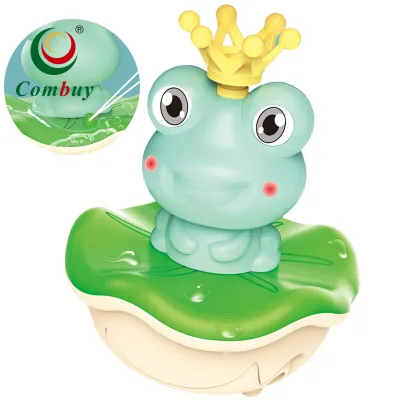
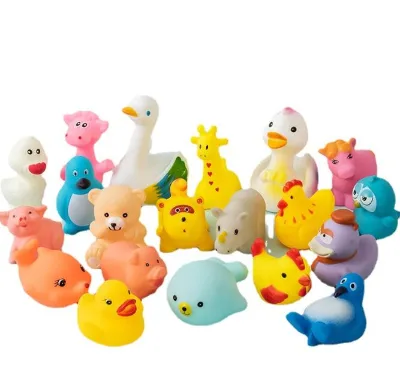
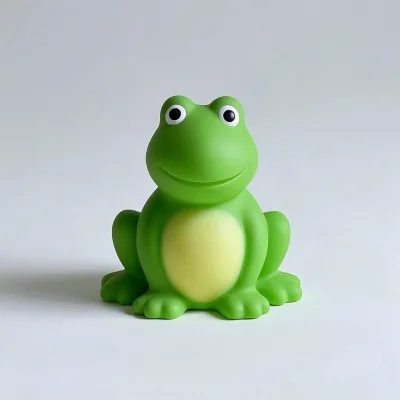
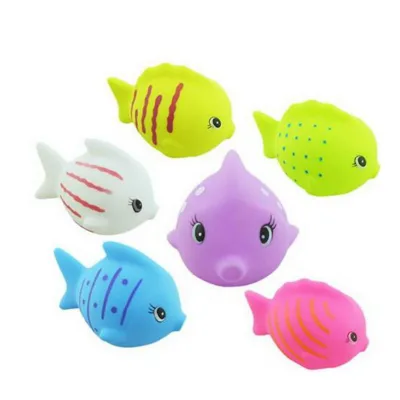


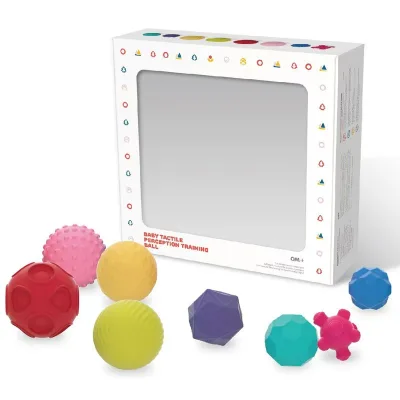


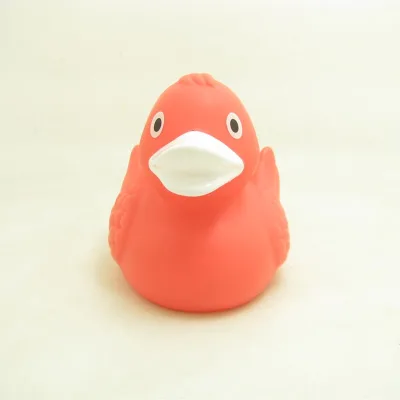
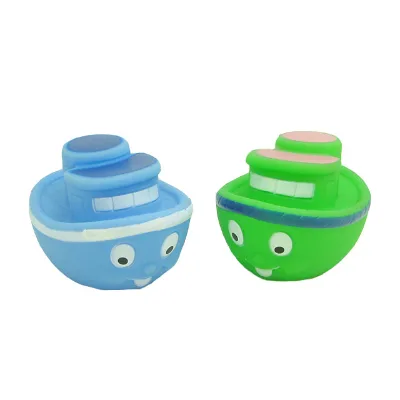
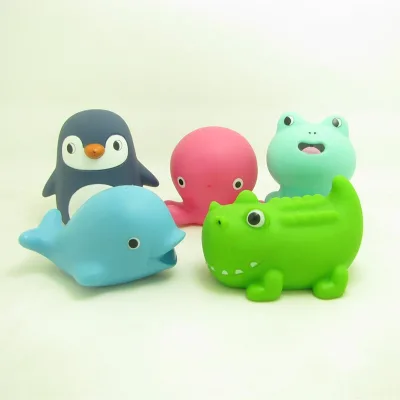
Comprehensive Sourcing Guide
Strategic Sourcing Guide for Squeak Float Bath Toys
Understanding Product Specifications and Material Composition
When sourcing squeak float bath toys, the primary objective is to identify products that balance buoyancy, durability, and safety for young children. The available market data indicates a diverse range of specifications tailored to different age groups and functional requirements. A critical observation from current product listings is the variation in material composition. While some entries explicitly list Plastic as the general category, others specify PVC as the primary material. This distinction is vital for procurement decisions, as PVC is a common polymer in bath toys due to its flexibility and water resistance, yet it requires careful verification of phthalate content to ensure compliance with safety standards.
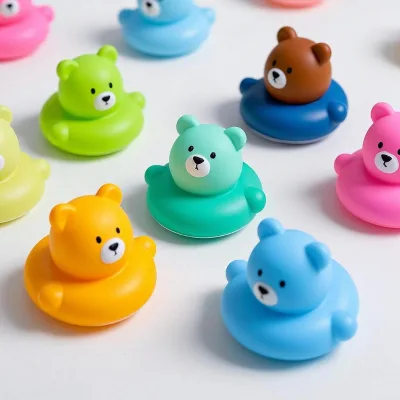
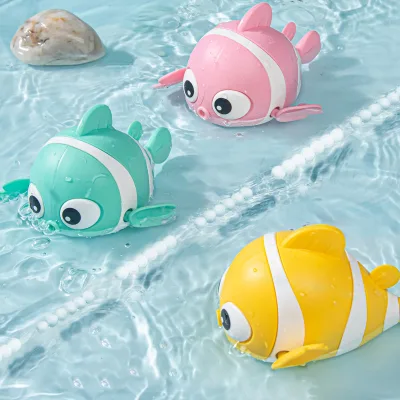
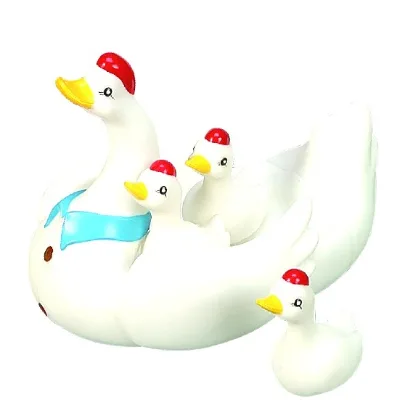
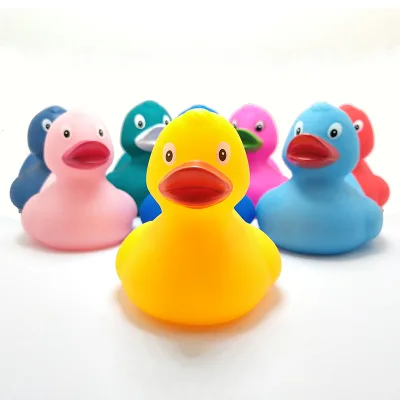
The physical dimensions of these toys vary significantly depending on the intended user. Specifications observed include models with dimensions such as 10x5.8cm, 665.5cm, and 887.5cm, alongside a specific model noted as 10cm in length. These size variations suggest that buyers must align product dimensions with the target age demographic. For instance, smaller units may be more suitable for infants, while larger models might be designed for toddlers. The shape of the toys is predominantly Animal or Duck styles, often categorized under Cartoon Toy or Baby bath toy styles. This aesthetic choice is driven by the need to engage children visually and tactilely during bath time.
Functionality is another key specification. The core feature of a "squeak float" toy is its ability to emit sound when squeezed and its capacity to remain buoyant in water. Product attributes confirm that these items are designed for Funny and Promotion usage, with a specific function listed as Baby Bath Playing. Crucially, the supply data indicates that many of these toys are No Battery Required, relying instead on mechanical squeakers. This eliminates the risk of water damage to electronic components and simplifies the manufacturing process. The Imprint method is typically Pad Print, allowing for Full Color logo application, which is essential for branding and customization requests.
Compliance and Certification Verification
Safety compliance is the most critical factor when procuring bath toys for children. The market data highlights EN71 as a recurring certification, with some listings also mentioning CE. EN71 is the European standard for the safety of toys, covering mechanical, physical, and chemical properties. The presence of this certification suggests that suppliers are targeting markets with strict regulatory requirements. However, buyers must verify that the certification applies specifically to the batch being purchased and covers the relevant parts of the standard, such as flammability and chemical migration limits.
The age range for these products varies, with listings specifying All Age, Birth to 24 Months, and 2 to 4 Years. This variation necessitates a rigorous review of the product's safety features relative to the intended age group. For infants under 24 months, the toy must not present choking hazards, which implies that any squeaker mechanism must be securely enclosed and that the toy's size must exceed specific safety thresholds. The data also notes a Toy Department classification of All Ages, which is a broad categorization that requires further validation against specific age-grade safety rules.
Certification status should not be assumed based on a single listing. While EN71 and CE are observed, buyers must request valid test reports from the supplier to confirm that the specific model, such as H-LF1129 or H-LF210, has been tested by an accredited third-party laboratory. The absence of specific test data in general listings means that the buyer's responsibility extends to verifying that the chemical composition of the PVC or Plastic materials meets international safety limits for heavy metals and phthalates. Additionally, the OEM (Original Equipment Manufacturer) and Customized attributes indicate that branding can be applied, but this customization must not compromise the toy's structural integrity or safety features.
Cost Drivers and Pricing Dynamics
The pricing structure for squeak float bath toys is influenced by several variables, including material costs, customization levels, and order volume. The observed price range in the market spans from $0.16 to $5.75 per unit. This wide disparity reflects differences in product complexity, material quality, and branding requirements. The lower end of the spectrum likely corresponds to basic, unbranded units with minimal packaging, while the higher end may include fully customized designs, premium packaging, or toys with more complex mechanical features.
Order volume plays a significant role in determining the final unit cost. The Minimum Order Quantity (MOQ) observed ranges from 3 to 10,000 units, with some specific listings citing an MOQ of 3 Cartons. This flexibility allows buyers of various scales to enter the market, but it also means that unit prices will fluctuate based on the order size. Buyers should anticipate that larger orders will yield better per-unit pricing, but they must balance this against inventory holding costs and cash flow requirements.
Packaging is another significant cost driver. The data shows variations in packaging, ranging from simple OPP Bag to more elaborate Color box options. The Color box packaging, while more expensive, adds value for retail presentation and can justify a higher retail price point. Furthermore, logistical costs are impacted by the physical dimensions and weight of the product. For example, one batch is noted to have a Gross weight of 21.000 kg and a Carton size of 70.0027.0084.00CM, with a CBM (Cubic Meter) of 0.159. These metrics are essential for calculating freight costs, which can significantly affect the landed cost of the product, especially for sea freight shipments where volume and weight are key determinants.
Typical Applications and Market Segmentation
Squeak float bath toys serve multiple applications beyond simple play. The primary use case is Baby Bath Playing, providing sensory stimulation and entertainment for children during hygiene routines. The Funny and Promotion attributes suggest that these toys are also frequently used as promotional items for brands, hotels, or events targeting families. The Unisex gender classification ensures broad market appeal, making these products suitable for a wide demographic.
The market segmentation is further defined by age groups. Products designed for Birth to 24 Months require a focus on soft textures and large, non-chokable parts. In contrast, toys for 2 to 4 Years can feature more complex shapes and louder squeakers to match the developmental stage of the child. The Style of the toy, whether Animal, Duck, or generic Cartoon Toy, influences its appeal to different age groups and cultural preferences. For instance, animal shapes are often preferred for their educational value in teaching children about different creatures.
In the promotional sector, the ability to apply Full Color logos via Pad Print makes these toys attractive for corporate gifting and marketing campaigns. The Customized nature of the product allows companies to brand the toy with their logo, turning a simple bath toy into a lasting brand ambassador. The Selling Units being a Multiple of 72 indicates that these products are often sold in bulk for retail distribution, where packaging efficiency and shelf presence are critical.
Supplier Evaluation and Origin Analysis
Evaluating suppliers requires a focus on their manufacturing capabilities and geographical location. The supply data indicates origins in Zhejiang and Guangdong, China, both of which are major hubs for toy manufacturing in China. These regions offer a mature supply chain for plastic molding and assembly, which can lead to competitive pricing and efficient production. However, buyers must verify the specific factory's capacity and quality control processes, as the region is vast and supplier quality can vary.
The OEM and Customized attributes suggest that suppliers are willing to work with buyers to create unique products. This flexibility is a positive indicator of a supplier's adaptability. However, buyers should assess the supplier's ability to handle customization requests without compromising on safety standards. The presence of specific model numbers like H-LF1129, H-LF210, and CB992084 indicates that suppliers have established product lines, which can be a sign of stability and experience.
When evaluating suppliers, it is essential to request references and past performance data. Buyers should inquire about the supplier's experience with EN71 and CE certifications and whether they have a history of exporting to the buyer's target market. The Brand Name COMBUY is mentioned in the data, but buyers should not rely on a single brand as a proxy for quality. Instead, they should conduct due diligence on the specific manufacturer behind the brand. The Place of Origin being Guangdong, China or Zhejiang should be verified against the supplier's actual factory location to ensure transparency.
Quality Control and Long-Term Procurement Considerations
Implementing a robust quality control (QC) strategy is essential for mitigating risks associated with bath toy procurement. Given the safety implications, buyers should consider third-party inspection services to verify that the toys meet the specified EN71 and CE standards before shipment. The inspection should focus on mechanical safety, such as the integrity of the squeaker mechanism, and chemical safety, ensuring that the PVC or Plastic materials do not contain harmful substances.
Long-term procurement considerations involve building a sustainable relationship with suppliers. The Customization and OEM capabilities suggest that buyers can work with suppliers to develop exclusive products, which can provide a competitive advantage. However, this requires clear communication of specifications and expectations. Buyers should also consider the Lead Time and MOQ flexibility when planning their inventory. The Selling Units of Multiple of 72 and the Carton size of 70.0027.0084.00CM are critical for logistics planning, ensuring that the supply chain can handle the volume efficiently.
Finally, buyers should monitor the market for changes in regulations and standards. The EN71 standard is subject to updates, and suppliers must be able to adapt to new requirements. By maintaining a proactive approach to compliance and quality control, buyers can ensure that their squeak float bath toys remain safe, compliant, and competitive in the global market. The ability to source from suppliers in Zhejiang and Guangdong offers a strong foundation for this strategy, provided that rigorous vetting and ongoing quality assurance are maintained.
Comparative Analysis of Product Attributes
To assist buyers in making informed decisions, the following table summarizes key attributes observed in the product listings. This comparison highlights the diversity in specifications, certifications, and packaging options available in the market.
| Attribute | Observation 1 | Observation 2 | Observation 3 |
|---|---|---|---|
| Material | Plastic | PVC | Plastic |
| Certification | EN71 | CE, EN71 | EN71 |
| Age Range | All Age | Birth to 24 Months | 2 to 4 Years |
| Style | Animal, Cartoon Toy | Duck | Baby bath toy |
| Imprint | Pad Print | Full Color | Pad Print |
| Packaging | OPP Bag | Color box | OPP Bag |
| Origin | Zhejiang | Guangdong, China | Zhejiang |
| Model Number | H-LF1129 | H-LF210 | CB992084 |
| Dimensions | 10x5.8cm | 665.5cm | 10cm |
| Battery | No Battery Required | No Battery Required | No Battery Required |
This table illustrates that while there is a common thread of safety and functionality, buyers must carefully select the specific attributes that align with their target market and brand strategy. The variation in dimensions and age ranges underscores the importance of precise specification matching to ensure product suitability and safety compliance.
FAQs
What materials are used for squeak float bath toys?
These toys are typically made from plastic or PVC to ensure water resistance and durability. The specific material varies by model, with some listings specifying PVC while others list general plastic, requiring verification of the exact composition for safety compliance.
Which certifications apply to these bath toys?
Common certifications include EN71 and CE, which verify safety standards for toys. Buyers must request valid test reports for specific models to confirm that the product meets the required mechanical and chemical safety limits for the target age group.
How is customization handled for these products?
Customization is available with options for full color logo printing via pad print. Suppliers accept OEM requests, allowing brands to apply their logos, but customization must not compromise the structural integrity or safety features of the toy.
What are the typical age ranges for these toys?
Age ranges vary from birth to 24 months and 2 to 4 years, with some listed for all ages. Smaller units are often designed for infants, while larger models suit toddlers, requiring careful selection to avoid choking hazards for younger children.
Can these toys be used for promotional purposes?
Yes, these toys are suitable for promotion and funny usage as they can be customized with logos. Their design allows for branding, making them effective for corporate gifting or marketing campaigns targeting families and children.
What is the minimum order quantity for these items?
The minimum order quantity ranges from 3 to 10,000 units, with some listings requiring a minimum of 3 cartons. Buyers should anticipate that larger orders will yield better per-unit pricing while balancing inventory holding costs.
Where are these toys typically manufactured?
Manufacturing locations are primarily in Zhejiang and Guangdong, China, which are major toy production hubs. Buyers should verify the specific factory location to ensure transparency and assess the supplier's capacity and quality control processes.