Source Stainless Steel Cat Litter Box with Trap for Indoor Use, Pet Cage, and Home
Compare 30 listings for a Stainless Steel Cat Litter Box with Trap designed for indoor use, pet cages, and home environments. Buyers can evaluate features like biodegradable options, toxin-free materials, and various sizes from suppliers in China.
Key considerations
Products List


Premium Folding Cat Litter Box for Multiple Cats with Stainless Steel Design
$17.90 - $29.99
MOQ: 500 Pieces


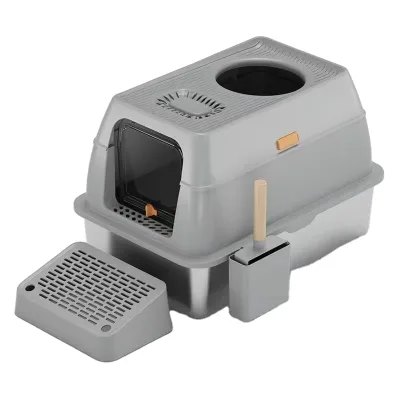
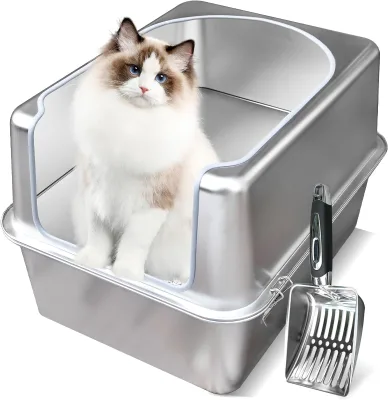

Multi-Use Cat Litter Box for Cats Rabbits with Stainless Steel & CE Approval
$6.00 - $9.00
MOQ: 100 Pieces


Manufacturer Stainless Steel Washable Easy Cleaning Cat Litter Box for Cats
$8.55 - $29.90
MOQ: 64 Pieces

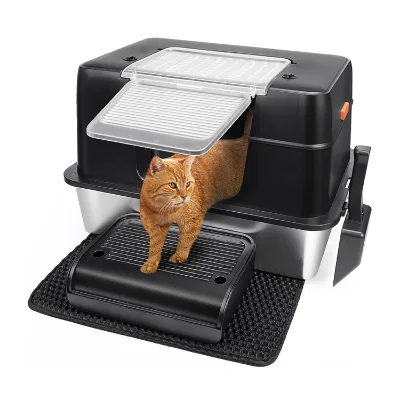

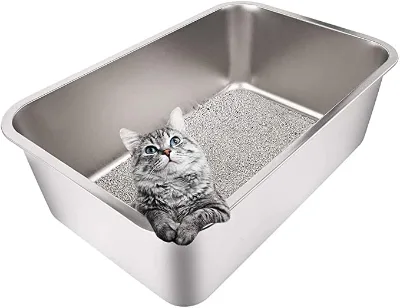
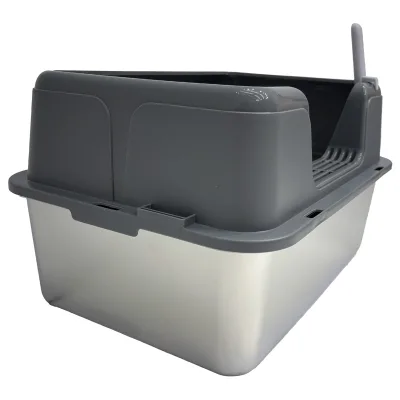
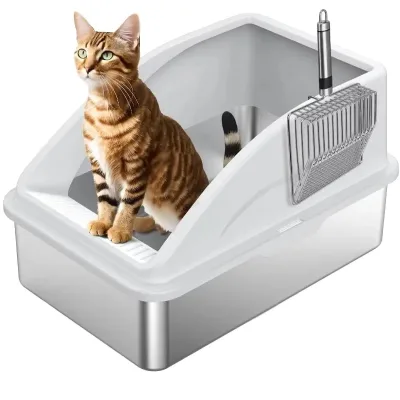
Hot Selling Reusable Odor-Free Easy Clean Stainless Steel Cat Litter Box for Cats
$5.48 - $6.00
MOQ: 100 pieces

Comprehensive Sourcing Guide
Stainless Steel Cat Litter Box with Trap Sourcing Guide
Sourcing stainless steel cat litter boxes with integrated waste traps requires a nuanced understanding of material durability, hygiene standards, and functional design. Unlike plastic alternatives, stainless steel offers superior resistance to scratching, odor retention, and bacterial growth, making it a preferred choice for both professional catteries and discerning pet owners. The inclusion of a trap mechanism adds a layer of complexity to the procurement process, as buyers must verify the mechanical reliability of the waste separation system alongside the structural integrity of the steel body. This guide provides evidence-based procurement strategies to help buyers navigate the market, verify supplier claims, and ensure product quality.
The market for these products is characterized by a mix of standardized models and customizable options, primarily originating from manufacturing hubs in China. Buyers will encounter a wide range of specifications, from simple rectangular trays to more complex units with specific dimensions and accessory inclusions. Understanding the distinction between basic stainless steel trays and those with advanced trapping features is critical for aligning product selection with end-user needs. This guide focuses on verifying the technical and commercial aspects of these products to mitigate sourcing risks.
Product Scope and Observed Listing Signals
The observed product landscape includes a variety of stainless steel cat litter boxes, with models such as TK-CLB-001, BS Cat Litter Box, BS0147, BS000, BS106, CB-1017, CL-013, and CL-7007 representing different design iterations. These products generally fall under the category of indoor pet toilet supplies, with applications extending to inside pet cages and general indoor use. The material composition is consistently identified as stainless steel, often paired with plastic or stainless steel lids, and some models include additional features such as cat litter scoops. The weight of these units typically ranges from 1 to 5 kg, with specific observations noting weights around 3.09 kg, indicating a substantial build quality that resists tipping.
Listing signals indicate a strong emphasis on eco-friendly and biodegradable attributes, although this appears to be a mixed attribute across the product range, with some items described as non-disposable and heavy-duty. The surface finish is frequently noted as polished, contributing to ease of cleaning and a premium aesthetic. Dimensions vary significantly, with observed standards including 20" L x 14.2" W x 11.8" H, 6040152 cm, 453515 cm, and 6040*42 cm, suggesting that buyers must carefully match product size to their specific pet population and space constraints. The presence of "trap" functionality is implied by the core keyword, but buyers should verify the specific mechanical design of the waste separation system in each model.
Technical Specifications to Verify
When evaluating stainless steel cat litter boxes with traps, the gauge and grade of the stainless steel are paramount for durability and corrosion resistance. Buyers should verify that the steel is food-grade or medical-grade, ensuring it is safe for pet contact and resistant to rust from urine and litter moisture. The construction method, often involving pulp moulding processes for certain components or welding for the steel body, should be inspected for smoothness and lack of sharp edges. The integration of the trap mechanism must be seamless, with no gaps where waste can accumulate or where litter can escape, ensuring efficient waste separation and easy maintenance.
Packaging and shipping dimensions are critical for logistics planning, with observed packing methods including carton boxes, PP bags, and inner plastic bags. Standard export packing is commonly used, with specific dimensions like 60x50x20 cm and 604042 cm indicating the volume required for storage and transport. Buyers should confirm whether the trap mechanism is fixed or removable, as this affects cleaning protocols and potential replacement costs. Additionally, the inclusion of accessories such as scoops and lids should be explicitly confirmed, as these can impact the total value proposition and user convenience.
Compliance and Safety Documentation
Safety and compliance are non-negotiable for pet products, particularly those involving food-grade materials or close animal contact. Buyers must request documentation verifying that the stainless steel meets relevant food safety standards, such as FDA and LFGB certifications, which ensure the material is free from harmful leachables. For products intended for the European market, CE/EU certification may also be required, indicating compliance with broader safety and environmental directives. These certifications provide assurance that the product is toxin-free and scent-free, addressing common concerns about chemical exposure and odor control.
In addition to material certifications, buyers should inquire about any specific testing performed on the trap mechanism and overall structural integrity. While specific test results are not provided in the general listing data, reputable suppliers should be able to provide evidence of durability testing, such as drop tests or load-bearing assessments. The claim of being "toxin-free" and "scent-free" should be backed by laboratory analysis, especially if the product includes any plastic components or coatings. Verifying these documents early in the sourcing process helps prevent regulatory issues and ensures the product meets the safety expectations of end consumers.
Cost Drivers and Commercial Terms
The cost of stainless steel cat litter boxes is influenced by several factors, including the grade of steel, the complexity of the trap mechanism, and the volume of production. Observed price ranges in the market span from $2.83 to $100, reflecting the diversity from basic trays to premium, feature-rich units with integrated traps. Minimum Order Quantities (MOQs) typically range from 1 to 1000 units, offering flexibility for both small businesses and large distributors. Buyers should negotiate based on volume tiers, as higher quantities often result in significant per-unit cost reductions, particularly for standardized models.
Commercial terms such as FOB (Free on Board) and standard exporting packing are common, affecting the final landed cost. Buyers must account for shipping costs, which can be substantial due to the weight and dimensions of stainless steel products. The origin of the products, primarily Guangdong, China, offers access to established supply chains but requires careful management of logistics and customs clearance. Understanding the total cost of ownership, including potential tariffs and handling fees, is essential for accurate margin calculation. Buyers should also clarify warranty terms and return policies for defective units, especially those with complex mechanical traps.
Supplier Qualification and Quality Control
Supplier qualification is a critical step in ensuring the reliability of stainless steel cat litter box suppliers. Buyers should verify the supplier's manufacturing capabilities, including their experience with stainless steel fabrication and the production of complex mechanical components like traps. Factory audits, whether conducted in person or through third-party agencies, can provide insights into production quality, hygiene standards, and management practices. Suppliers with a history of exporting to regulated markets are often more reliable, as they are accustomed to meeting international quality and compliance standards.
Quality control measures should be clearly defined and agreed upon before production begins. This includes specifying inspection points for material thickness, weld quality, surface finish, and trap functionality. Buyers should request pre-shipment inspections to verify that the products meet the agreed-upon specifications and are free from defects. Establishing a clear communication channel for addressing quality issues is also important, as it allows for timely resolution of any problems that arise. Building a long-term relationship with a qualified supplier can lead to better pricing, priority production, and improved product quality over time.
Long-Term Procurement Checks
Long-term procurement success depends on continuous monitoring of product performance and supplier reliability. Buyers should gather feedback from end-users regarding the durability of the stainless steel, the effectiveness of the trap mechanism, and the ease of cleaning. This feedback can inform future purchasing decisions and help identify areas for product improvement. Regularly reviewing supplier performance metrics, such as on-time delivery rates and defect rates, ensures that the supply chain remains robust and efficient.
As market trends evolve, buyers should stay informed about new materials, designs, and regulatory requirements that may impact the cat litter box market. This includes monitoring developments in eco-friendly materials and sustainable manufacturing practices. By maintaining a proactive approach to procurement, buyers can adapt to changing market conditions and continue to offer high-quality products to their customers. Establishing a systematic process for supplier evaluation and product review helps mitigate risks and ensures long-term profitability in the pet supplies sector.
FAQs
What materials are used for the stainless steel cat litter box?
The product is constructed from stainless steel to ensure durability and hygiene. It features a polish surface finish and is designed for indoor use with pets like cats, dogs, and rabbits.
Can the Stainless Steel Cat Litter Box with Trap be customized?
Yes, customization is available for this product line. Buyers can request specific modifications to meet their unique requirements while maintaining the core stainless steel construction and eco-friendly features.
What certifications does the stainless steel cat litter box hold?
The product holds FDA, LFGB, and CE/EU certifications to ensure safety and compliance. These standards confirm the material is toxin-free and suitable for direct contact with pets and food environments.
How is the Stainless Steel Cat Litter Box with Trap packed?
Packing options include carton boxes with PP bags or standard exporting packing methods. Specific models may use inner plastic bags with outer carton packing to ensure safe transit from the factory.
What are the dimensions of the stainless steel cat litter box?
Available sizes vary, with standard dimensions including 60x50x20cm or 60x40x42cm depending on the model. Some units are also listed with mixed sizes to accommodate different pet cage requirements.
Is the Stainless Steel Cat Litter Box with Trap biodegradable?
While the stainless steel frame is non-disposable, some components or associated products utilize pulp moulding which is biodegradable. The main unit is designed for heavy-duty, long-term reuse rather than single-use disposal.
Where is the Stainless Steel Cat Litter Box with Trap manufactured?
The products originate from China, specifically from the Guangdong region. This location supports the manufacturing of various pet toilet supplies with standard export packing for international distribution.