Source Stainless Steel End Mill for CNC Milling, Slotting, and Finishing
Find 30 Stainless Steel End Mill options for CNC machining, slotting, and finishing. Compare HSS and solid carbide tools with spiral tooth forms, straight shanks, and various coatings to match your steel and alloy processing needs.
Key considerations
Products List


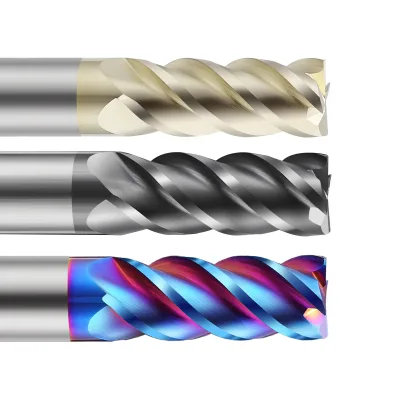


4 Flutes Solid Carbide Endmill Corner Radius End Mill for Stainless Steel
$1.20 - $50.00
MOQ: 5 Pieces


Factory Threading End Mill Suitable for Stainless Steel/Mould Steel/Copper
$2.98 - $198.00
MOQ: 5 Pieces


Comprehensive Sourcing Guide
Stainless Steel End Mill Sourcing Guide
Selecting the right end mill for stainless steel requires a precise balance of material hardness, coating technology, and geometric design. Stainless steel is known for its work-hardening properties and high thermal conductivity, which can lead to rapid tool wear if the cutting parameters are not optimized. Buyers must prioritize tools that offer high heat resistance and effective chip evacuation to maintain surface finish and dimensional accuracy during prolonged machining cycles. The choice between High Speed Steel (HSS) and solid carbide often hinges on the specific grade of stainless steel and the rigidity of the CNC machining center being used.
Procurement teams should also consider the structural integrity of the tool, whether it is an integral design or an indexable type. Integral tools provide superior rigidity and precision for complex contours, while indexable options may offer cost advantages for heavy roughing operations. The coating plays a critical role in extending tool life, with options ranging from uncoated surfaces to advanced treatments like TiSiN bronze coating, which can enhance performance when processing hardness ranges up to HRC62. Understanding these technical nuances is essential for minimizing downtime and maximizing throughput in stainless steel manufacturing environments.
Product Scope and Observed Listing Signals
The current market for stainless steel end mills displays a wide variance in specifications, with observed prices ranging from $0.5 to $198 USD and minimum order quantities (MOQs) between 1 and 50 units. This broad spectrum indicates that suppliers cater to both prototyping needs and high-volume production runs. Buyers should note that the term "Stainless Steel End Mill" encompasses various sub-types, including spiral tooth, dense tooth, and extra dense tooth configurations, each suited for different material removal rates and surface finish requirements. The presence of both metric and inch models, as well as specific model types like "type N" or "4RF Carbide end mill," suggests a diverse inventory that requires careful filtering based on machine tool compatibility.
Observations from product listings reveal that materials vary significantly, with options including High Speed Steel, Tungsten Steel, and Solid Carbide. Some listings explicitly mention suitability for stainless steel, titanium alloy, and carbon steel, indicating versatile tooling that can handle multiple material classes. However, buyers must verify the specific application claims, as some tools are optimized for aluminum or general steel parts, which may not perform optimally on hardened stainless grades. The inclusion of features such as a 45-degree included angle and straight shank types provides a baseline for standard operations, but specialized applications may require custom geometries or specific flute numbers to ensure efficient chip removal and cooling.
Technical Specifications to Verify
When evaluating end mills for stainless steel, the flute number and tooth space are critical parameters that influence cutting efficiency. Listings indicate options with four flutes (4T) and varying tooth spaces, including dense, sparse, and extra dense configurations. For stainless steel, a higher flute count often provides a smoother finish and better rigidity, while the tooth space must be sufficient to prevent chip clogging, which is a common issue with the stringy nature of stainless steel chips. Buyers should verify that the selected tool’s geometry aligns with the specific machining method, whether it involves slotting, side machining, heavy machining, or finishing operations, as each demands different cutting edge characteristics.
The material composition and coating of the end mill directly impact its ability to withstand the high temperatures generated during stainless steel machining. Solid carbide tools are generally preferred for their hardness and wear resistance, with some listings specifying processing hardness ranges up to HRC62 or even HRC65. Coatings such as TiSiN bronze can enhance lubricity and heat resistance, reducing friction between the tool and the workpiece. Additionally, the shank type, typically straight shank in standard listings, must match the spindle interface of the CNC machining center. Buyers should also confirm the maximum rotate speed, with some tools rated for up to 20,000 RPM, to ensure compatibility with high-speed machining requirements.
Compliance and Safety Documentation
While specific certification statuses are not universally detailed in general product listings, buyers must ensure that suppliers provide necessary documentation for industrial tooling. This includes material test certificates that verify the hardness standards, such as the observed 64 HRC specification, and confirm that the tool meets the required durability for stainless steel applications. Safety data sheets (SDS) may be relevant if the tool involves specific coating chemicals or if the machining process generates hazardous dust, although the tool itself is primarily a mechanical component. Procurement teams should request evidence of quality management systems to ensure consistent manufacturing standards across batches.
Documentation should also cover the origin and traceability of the materials used in the end mill. Listings indicate origins in Zhenjiang and China, which are known manufacturing hubs for cutting tools. Buyers should verify that the supplier adheres to international quality standards for tooling, even if specific standard names are not always listed. This includes verifying that the tool’s dimensions, such as the size range from 3mm to 63mm, conform to industry tolerances. Proper documentation ensures that the tools can be integrated into a certified manufacturing process, facilitating audits and quality assurance reviews in regulated industries.
Cost Drivers and Commercial Terms
The price range of $0.5 to $198 USD reflects significant differences in material quality, coating technology, and manufacturing complexity. Solid carbide end mills with advanced coatings like TiSiN typically command higher prices due to the expensive raw materials and precise grinding processes involved. In contrast, HSS tools or uncoated variants may be more cost-effective for less demanding applications or prototyping. Buyers should analyze the total cost of ownership, considering tool life and replacement frequency, rather than focusing solely on the initial purchase price. Higher-quality tools often reduce downtime and improve part quality, offering better long-term value despite a higher upfront cost.
Commercial terms such as MOQ and packaging also influence the overall procurement strategy. With MOQs ranging from 1 to 50 units, buyers have flexibility to order small quantities for testing or larger batches for production. Packaging options, including plastic boxes, cartons, and individual tubes, vary by supplier and should be considered for storage and handling efficiency. Customization support, including OEM, ODM, and OBM services, is available from some suppliers, allowing for tailored solutions that may affect pricing and lead times. Buyers should negotiate clear terms regarding warranty, return policies, and technical support to mitigate risks associated with tool failure or performance issues.
Supplier Qualification and Quality Control
Evaluating suppliers requires a focus on their manufacturing capabilities and quality control processes. Suppliers offering customization and a wide range of models, from standard end mills to specialized types like saw blade milling cutters, demonstrate versatility and technical expertise. Buyers should inquire about the supplier’s experience in producing tools for stainless steel applications, as this specific material presents unique challenges that require specialized knowledge. Verification of the supplier’s production facilities, particularly those located in established manufacturing regions like Zhenjiang, can provide insights into their capacity and consistency.
Quality control measures should include rigorous testing of tool hardness, dimensional accuracy, and coating adhesion. Buyers should request samples for trial runs to assess performance in real-world conditions, focusing on metrics such as surface finish, tool wear rate, and chip evacuation efficiency. It is also important to verify the supplier’s ability to maintain consistent quality across batches, especially when ordering larger quantities. Establishing a clear communication channel for technical support and feedback can help resolve issues quickly and ensure that the tools meet the specific requirements of the CNC machining center and the stainless steel parts being produced.
Long-Term Procurement Checks
Sustainable procurement of stainless steel end mills involves regular review of tool performance and supplier reliability. Buyers should track key performance indicators such as tool life, replacement frequency, and impact on overall production efficiency. This data can inform future purchasing decisions, helping to identify which tool specifications deliver the best value for specific stainless steel grades and machining operations. Maintaining a diverse supplier base can mitigate risks associated with supply chain disruptions, ensuring that critical tooling is available when needed. Regular audits of supplier quality and performance can help maintain high standards and drive continuous improvement.
As technology evolves, buyers should stay informed about advancements in end mill design, materials, and coatings that could enhance performance in stainless steel machining. This includes monitoring developments in coating technologies that offer better heat resistance and lubricity, as well as new geometries that improve chip evacuation. Engaging with suppliers for technical updates and participating in industry forums can provide valuable insights into best practices and emerging trends. By maintaining a proactive approach to procurement and tool management, buyers can optimize their machining processes, reduce costs, and improve the quality of their stainless steel components over the long term.
FAQs
What materials can stainless steel end mills cut?
These tools can cut carbon steel, tool steel, alloy steel, and stainless steel. They are also suitable for aluminum alloy and titanium alloy depending on the specific coating and geometry used for the application.
Which tooth forms are available for these cutters?
Available tooth forms include spiral tooth, dense tooth, sparse tooth, and extra dense tooth configurations. The specific form depends on the intended machining method such as slotting, side machining, or heavy machining operations.
Can I find end mills with a 45-degree included angle?
Yes, some models feature a 45-degree included angle. These tools typically have a straight shank and are designed for use on CNC machining centers to achieve precise cutting results in various steel applications.
What is the maximum hardness these tools can process?
Certain coated carbide end mills can process materials with a hardness up to HRC62. Other specifications indicate suitability for materials up to 64 HRC or 65 degrees depending on the specific product model and coating type.
How are these milling cutters packaged for shipment?
Packaging options include plastic boxes, cartons, or individual tubes containing one piece per tube. The specific packing method varies by product model and may be customized based on buyer requirements or order volume.
What customization options are available for these tools?
Customization is available for specifications, coatings, and branding. Buyers can request OEM, ODM, or OBM support, and the tools can be sourced from manufacturers in Zhenjiang or China with specific metric or inch models.
Which materials are used to manufacture these end mills?
Manufacturing materials include high speed steel and solid carbide or tungsten steel. The choice of material determines the tool's durability, cutting speed, and suitability for different work types like cut off or finish machining.