Source Stainless Steel Sliding Gate Rollers for Gates, Doors, and Windows
Find 30 Stainless Steel Sliding Gate Rollers from Zhejiang suppliers. Compare models like R1C and GR221, featuring materials such as stainless steel 304 and C45. Options include OEM services, zinc galvanizing, and ISO9001 certified manufacturing for durable gate and door applications.
Updated
Key considerations
Products List
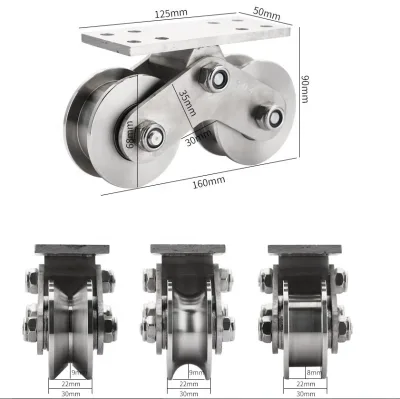
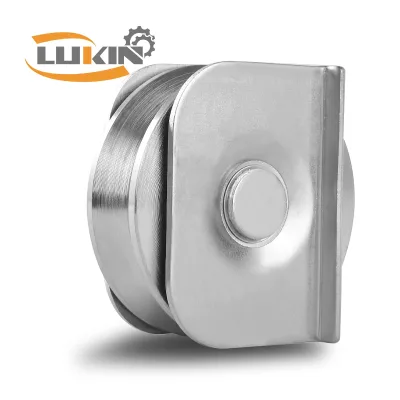
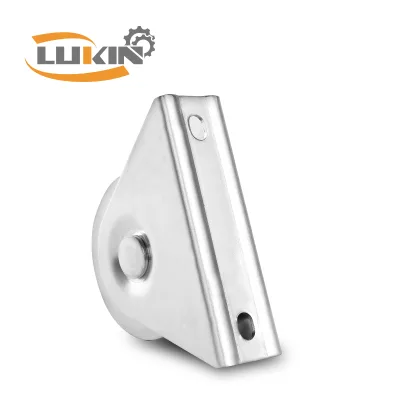

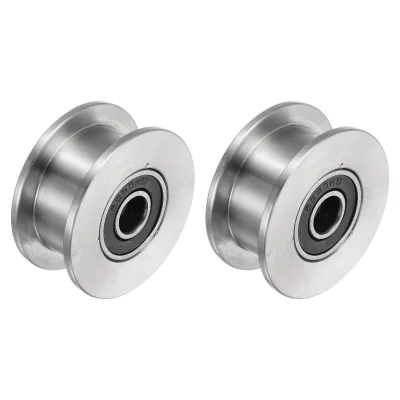
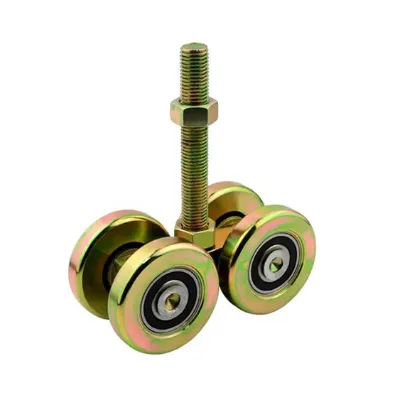
Stainless Steel Sliding Gate Double Bearing Rollers for Inverted Track
$3.0997 - $9.0927
MOQ: 200 pieces
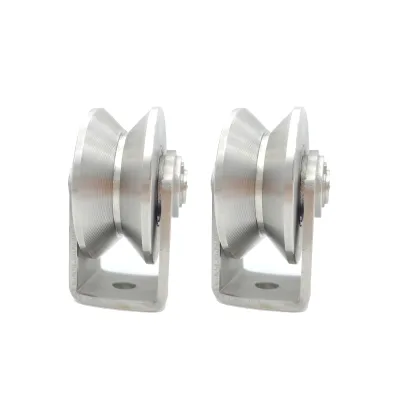
V-shaped Grooved Wheel Rail Wheel Sliding Door Roller with Bracket for Sliding Doors
$1.0278 - $2.054
MOQ: 200 pieces
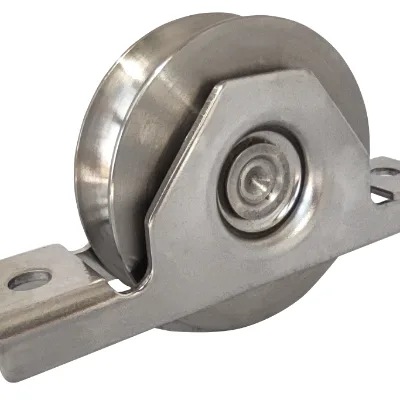
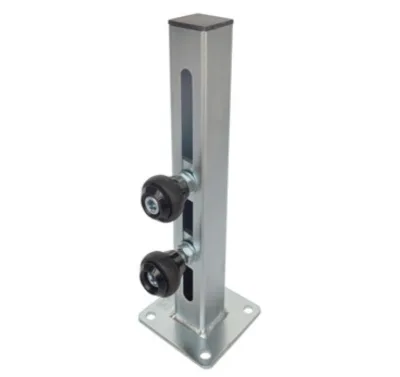
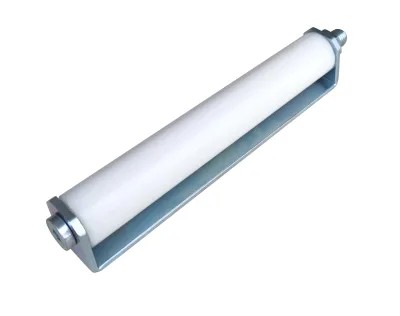
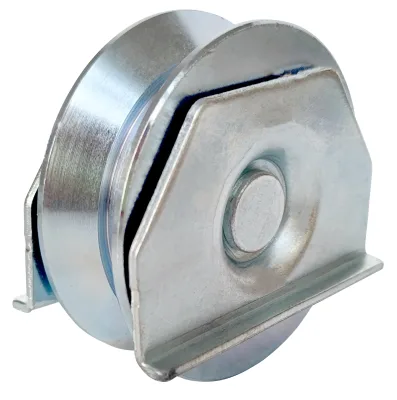
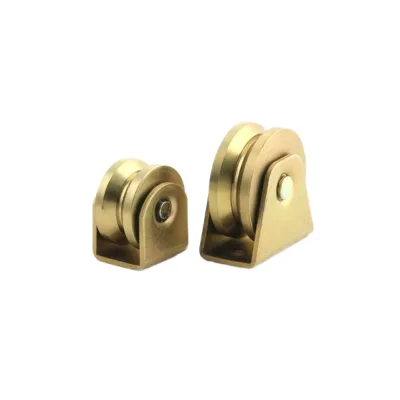
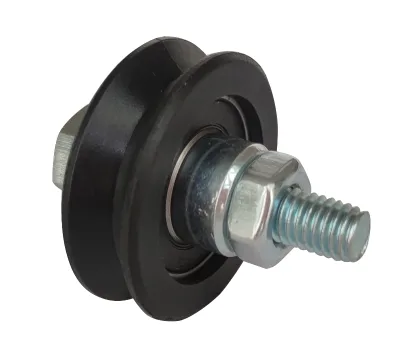


New Style Heavy Duty Sliding Door Rollers Stainless Steel Gate Door Roller
$0.80 - $0.90
MOQ: 1000 Pieces


Comprehensive Sourcing Guide
Stainless Steel Sliding Gate Rollers Sourcing Guide
Procuring Stainless Steel Sliding Gate Rollers requires a disciplined approach to material verification and mechanical compatibility. Buyers must distinguish between generic steel components and true stainless steel variants, as the latter offer superior corrosion resistance for outdoor environments. The observed market data indicates a wide range of product attributes, from zinc-galvanized steel to specific stainless steel 304 grades. Understanding these material distinctions is critical for ensuring long-term durability and preventing premature failure in high-traffic or coastal installations.
Sourcing decisions should also account for the specific design style and application context of the gate system. Modern and industrial design styles are prevalent, with products tailored for building material shops and direct sliding door applications. Buyers need to verify that the selected rollers align with the gate’s weight and track geometry. The availability of OEM/ODM services and total project solutions suggests that customization is possible, allowing for tailored fits that standard off-the-shelf components may not provide.
Product Scope and Observed Listing Signals
The current market landscape for sliding gate rollers includes a diverse array of product names and specifications. Listings frequently identify items as sliding gate wheels, sliding rollers, or wholesale price sliding door rollers, indicating a broad categorization that spans both gate and window applications. The observed product count of thirty items reflects a competitive supply base, with brands such as LUXIN and LUKIN appearing in the data. These variations in naming conventions require buyers to carefully cross-reference technical specifications rather than relying solely on product titles.
Material composition is a primary differentiator among the observed listings. While some products are constructed from standard steel or C45 material with zinc galvanizing or plating, others explicitly specify stainless steel 304. This distinction is vital for procurement teams managing assets in corrosive environments. Additionally, features such as V-groove, U-groove, and Y-groove designs are highlighted, suggesting that track compatibility is a key purchasing factor. Buyers must match these groove types to their existing infrastructure to ensure smooth operation and minimal friction.
Technical Specifications to Verify
Dimensional accuracy and structural integrity are paramount when evaluating sliding gate rollers. The observed single package size of 10x10x10 cm and gross weights ranging from 1.0 kg to 2.0 kg provide baseline indicators of product scale. Buyers should verify the thickness of the components, with 3mm being a noted specification in some listings. Ensuring that the roller’s physical dimensions match the gate’s track requirements prevents installation issues and ensures proper load distribution across the wheel assembly.
The type of roller and its associated hardware also require close scrutiny. Products are categorized under types such as "hardword" and "Door & Window Rollers," which may imply specific mechanical properties or mounting styles. The presence of POM/Pok roller materials in some listings suggests a hybrid approach where stainless steel components interact with polymer wheels. Buyers must confirm whether the stainless steel refers to the housing, the axle, or the entire assembly, as this affects both performance and cost. Verifying the model numbers, such as R1C/R2C or GR221, helps in sourcing exact replacements or compatible upgrades.
Compliance and Safety Documentation
Certification status serves as a critical indicator of manufacturing quality and process control. The observed data includes references to ISO9001, ISO, CE, and TUV certifications, which suggest that some suppliers adhere to international quality management and safety standards. Buyers should request valid certification documents to verify that the production facilities meet these rigorous requirements. Compliance with these standards often correlates with consistent product quality and reliable after-sales support structures.
Safety and operational reliability are further supported by the advertised project solution capabilities. Suppliers offering 3D model design and total solutions for projects demonstrate a higher level of technical engagement. This capability allows buyers to validate roller specifications against their specific gate designs before production. Additionally, the availability of online technical support indicates a commitment to post-purchase assistance, which is essential for troubleshooting installation or operational issues that may arise during the initial use phase.
Cost Drivers and Commercial Terms
Pricing in the sliding gate roller market varies significantly based on material grade and customization options. The observed price range of 0.3 to 15 USD reflects the disparity between basic steel components and premium stainless steel variants. Buyers must analyze whether the lower price points correspond to zinc-plated steel or if they represent entry-level stainless steel products. Understanding the cost drivers, such as the use of stainless steel 304 versus standard steel, helps in budgeting for projects that require specific durability levels.
Minimum Order Quantities (MOQ) and service terms also influence the total cost of ownership. The observed MOQ range of 10 to 2000 units allows for flexibility in procurement, catering to both small repair jobs and large-scale construction projects. The availability of OEM customized services and sample availability provides opportunities for buyers to test product quality before committing to larger orders. Buyers should negotiate terms that include clear definitions of customization costs and lead times to avoid unexpected delays or expenses.
Supplier Qualification and Quality Control
Evaluating supplier reliability involves assessing their service offerings and quality assurance processes. The presence of attributes such as "High Quality" and "Durable" in product descriptions indicates a focus on longevity, but buyers must seek independent verification of these claims. Suppliers offering OEM/ODM services and total project solutions are likely to have more robust quality control systems in place. Verifying the supplier’s ability to provide samples allows buyers to physically inspect the material finish, groove precision, and overall build quality.
After-sales service is another critical factor in supplier qualification. The observed data highlights online technical support and other after-sale services, which are essential for maintaining operational continuity. Buyers should inquire about the supplier’s response time and technical expertise to ensure that any issues can be resolved promptly. Additionally, checking the supplier’s customization capabilities ensures that they can accommodate specific design requirements or modifications that may be necessary for unique gate installations.
Long-Term Procurement Checks
Sustainability and maintenance considerations should guide long-term procurement strategies for sliding gate rollers. The choice between zinc-galvanized steel and stainless steel 304 has significant implications for maintenance frequency and replacement costs. Stainless steel variants generally require less maintenance due to their corrosion resistance, making them a cost-effective choice over the product’s lifecycle. Buyers should evaluate the total cost of ownership, including potential downtime and maintenance labor, rather than focusing solely on the initial purchase price.
The availability of splittable or unsplittable components also impacts long-term procurement logistics. The observed attribute of "Unsplittable" suggests that some products are sold as complete units, which may simplify inventory management but limit repair options. Buyers should determine whether modular components are available for easier replacement of worn parts. Establishing a relationship with suppliers who offer comprehensive project solutions and technical support ensures that long-term needs can be met efficiently and reliably.
FAQs
What materials are used for sliding gate rollers?
Sliding gate rollers are typically manufactured from steel, stainless steel 304, or C45. Some models also utilize POM or Pok materials for the roller component. These materials ensure durability and resistance to wear, making them suitable for heavy-duty sliding gate applications in building material shops.
Can I get custom OEM services for sliding gate wheels?
Yes, OEM and ODM customization services are available for sliding gate wheels. Suppliers offer total solution capabilities for projects, including 3D model design. This allows buyers to specify unique requirements for their sliding door or gate systems, ensuring the hardware fits specific architectural or functional needs perfectly.
What certifications do sliding gate roller manufacturers hold?
Manufacturers of sliding gate rollers often hold ISO9001, ISO, CE, and TUV certifications. These credentials verify that production processes meet international quality and safety standards. Buyers can rely on these certifications to ensure the durability and reliability of the stainless steel or zinc-galvanized components used in the rollers.
What is the typical MOQ for sliding gate rollers?
The minimum order quantity for sliding gate rollers typically ranges from 10 to 2000 units. This flexibility allows both small projects and large-scale industrial applications to source the necessary hardware. Buyers should check specific supplier listings to confirm the exact MOQ and pricing tiers for their required volume.
Where are sliding gate rollers primarily manufactured?
Sliding gate rollers are primarily manufactured in Zhejiang, China. This region is a known hub for hardware production, offering efficient supply chains for steel and stainless steel components. Buyers sourcing from this location can often access competitive pricing and reliable lead times for bulk orders of sliding door and gate hardware.
What surface treatments are applied to sliding gate rollers?
Common surface treatments for sliding gate rollers include zinc galvanizing and zinc plating. These processes enhance corrosion resistance, which is crucial for outdoor sliding gate applications. The rollers may also feature a white or silver finish, depending on the specific model and material composition used by the manufacturer.