Source sugar-free pectin vitamin gummy for Adults, Men, and Beauty
Find 30 listings for sugar-free pectin vitamin gummy products suitable for adults, men, and beauty applications. Buyers can compare customization options, certifications, and packaging styles from verified manufacturers in China.
Key considerations
Products List


Nutrifirst OEM Vitamin Candy Supplements Vegan Gummy Black Elderberry Gummies with Customized Flavor
$7.00 - $20.00
MOQ: 1000 kilogram


Yichao OEM Dietary Supplement Gummy Vitamins Sugar Free Multivitamin Gummy
$0.02 - $0.04
MOQ: 19999 Pieces


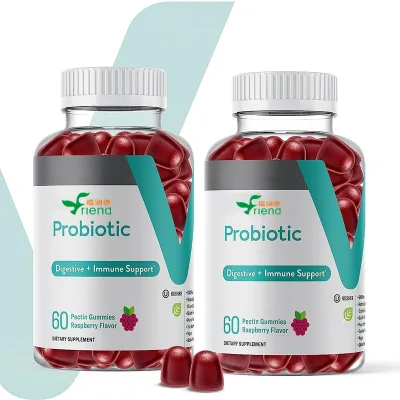

Comprehensive Sourcing Guide
Strategic Sourcing Guide for Sugar-Free Pectin Vitamin Gummies
The global demand for functional confectionery has surged, driven by health-conscious consumers seeking the convenience of vitamins without the drawbacks of traditional sugar-laden supplements. Within this expanding market, the sugar-free pectin vitamin gummy has emerged as a premium category. Unlike gelatin-based gummies, pectin offers a plant-based alternative that appeals to vegetarian and vegan demographics while providing a distinct texture. For B2B procurement professionals, sourcing these products requires a disciplined approach that balances technical formulation, regulatory compliance, and supply chain reliability. This guide outlines the critical factors buyers must evaluate when engaging with manufacturers in this sector.
Technical Specifications and Formulation Architecture
The foundation of a successful gummy procurement strategy lies in understanding the specific technical specifications that define the product. The core differentiator for this category is the gelling agent. While gelatin is common, pectin-based gummies utilize fruit-derived pectin, which requires a specific balance of sugar alcohols or high-intensity sweeteners to achieve the desired chewiness without crystallization. Buyers must verify that the supplier's formulation supports a sugar-free profile, often relying on ingredients like erythritol, xylitol, or allulose.
The physical attributes of the gummy are equally critical. Observed market data indicates that shapes are highly customizable, ranging from bears, numbers, and fruits to animals or specific client requests. The size of the individual gummy unit typically falls within a range of 2.0 to 5 grams, with specific models observing weights around 2.5 to 3 grams. The dosage form is strictly defined as a gummy candy, which necessitates precise control over moisture content to ensure stability.
Nutrient delivery is another technical pillar. The main ingredients often include a broad spectrum of vitamins, such as Vitamin B Complex, or specialized blends like Shilajit and vitamins. For specific applications, ingredients like elderberry and minerals are integrated. The product specification is frequently customized, allowing for tailored formulas that meet specific dietary requirements. The dosage is typically determined as per consultation, ensuring that the final product delivers the intended therapeutic or nutritional benefit without exceeding safe limits. The shelf-life for these products generally ranges from 18 to 24 months, depending on the specific formulation and packaging integrity.
Compliance, Certification, and Regulatory Standards
In the dietary supplement and functional food sector, certification is not merely a marketing asset but a prerequisite for market access. Buyers must rigorously verify that suppliers hold recognized certifications that align with their target markets. Common certifications observed in this sector include HACCP (Hazard Analysis and Critical Control Points), GMP (Good Manufacturing Practice), and ISO standards. Some suppliers may also hold BRC (British Retail Consortium) certification or KOSHER and QS (Quality Safety) marks, which are essential for specific regional requirements.
The manufacturing environment must adhere to cGMP (current Good Manufacturing Practice) standards to ensure product safety and consistency. The origin of the raw materials is also a compliance factor. For instance, products manufactured in regions like Shandong, China, must meet both local regulatory standards and the import requirements of the destination country. Buyers should request proof of these certifications and verify their validity with the issuing bodies.
Furthermore, the "Not Applicable People" category must be clearly defined in the product documentation. For example, gummy formulations containing specific active ingredients or high concentrations of certain vitamins may not be suitable for newborns. The "Applicable People" are generally listed as adults or unisex, but the specific age group must be validated against the intended use case. Regulatory compliance extends to labeling, which must accurately reflect the ingredient list, allergen information, and nutritional facts.
Cost Drivers and Pricing Dynamics
The pricing structure for sugar-free pectin vitamin gummies is influenced by several variables, including the complexity of the formula, the cost of raw materials, and the scale of production. The observed price range for these products in the market spans from $0.02 to $20 per unit, a wide variance that reflects differences in ingredient quality, customization levels, and packaging.
The primary cost driver is the active ingredient profile. Formulations incorporating premium ingredients like Shilajit or specialized vitamin blends will command higher prices than standard multivitamin gummies. Additionally, the sugar-free aspect introduces cost complexities, as high-intensity sweeteners and sugar alcohols can be more expensive than traditional sucrose. The gelling agent, pectin, also varies in cost depending on the source and purity.
Minimum Order Quantity (MOQ) is another significant factor affecting the unit cost. The MOQ range in this sector is broad, typically spanning from 1 to 50,000 units. Smaller orders often incur a higher per-unit cost due to setup fees and lower economies of scale. Conversely, bulk orders allow for significant cost reductions. Buyers should negotiate based on their projected volume, keeping in mind that customization services, such as private labeling or unique shape molding, may increase the MOQ requirements.
Typical Applications and Market Segmentation
Sugar-free pectin vitamin gummies serve diverse applications across various market segments. The primary function is often nutritional supplementation, targeting adults who seek a convenient way to ingest vitamins. The "Main Ingredient" lists frequently highlight vitamins and minerals, making these products suitable for daily health maintenance. Specific formulations, such as those containing elderberry, are often marketed for immune support, while others with Shilajit target energy and vitality.
The application extends beyond general health. Some products are positioned with a focus on beauty, leveraging the antioxidant properties of certain vitamins and botanicals. The "Feature" of being low-fat and containing pectin natural color gummies appeals to consumers looking for clean-label products. The shape and flavor customization allow brands to target specific demographics, such as children (excluding newborns) or specific lifestyle groups.
The "Applicable People" are generally defined as adults, but the unisex nature of the product allows for broad market appeal. The storage method is critical for maintaining efficacy; products must be kept in a dry and cool place to prevent degradation of the pectin matrix and the active ingredients. This requirement influences packaging choices, which often include bottles, boxes, or bulk cartons to ensure moisture protection.
Supplier Evaluation and OEM Capabilities
Selecting the right supplier is paramount for ensuring product consistency and brand integrity. Buyers should prioritize suppliers that offer robust OEM (Original Equipment Manufacturer) and private label services. The ability to customize the formula, shape, color, and packaging is a key indicator of a supplier's flexibility. For instance, the "Product Name" and "Formula" can be tailored to the client's request, allowing for unique brand positioning.
When evaluating potential partners, buyers should assess their production capacity and quality control systems. The presence of certifications like HACCP, GMP, and ISO is a strong indicator of a supplier's commitment to quality. Additionally, the supplier's location, such as Shandong, China, should be considered in the context of logistics and lead times. The "Service" provided by the supplier should include comprehensive support from formulation development to final packaging.
The customization options available, such as logo printing and custom colors, are essential for brand differentiation. Buyers should verify that the supplier can handle the full range of customization requests, from the initial formula design to the final "prod_packing" in cartons or bottles. The "Shape" options, including bears, numbers, and fruits, should be evaluated for their feasibility and cost implications.
Quality Control and Long-Term Procurement Considerations
Maintaining product quality over the long term requires a robust quality control (QC) framework. Buyers must establish clear specifications for the "Gummy Weight," "Serving Size," and "Shelf-Life." For example, a serving size of 2 gummies daily with a weight of 2.5 grams per unit requires precise manufacturing controls. The "Color" must be consistent, often utilizing natural pectin colors or custom requests, and must remain stable throughout the shelf-life.
Long-term procurement considerations include the stability of the supply chain and the ability to scale production. The "Storage Method" must be clearly communicated to the buyer to ensure the product remains viable during transit and storage. The "Shelf-Life" of 18 to 24 months provides a window for inventory management, but buyers should monitor expiration dates closely.
To mitigate risks, buyers should implement a rigorous incoming quality inspection process. This includes verifying the "Certification" status, checking the "Main Ingredient" purity, and testing the final product for consistency. The "Feature" of being sugar-free and low-fat must be validated through laboratory testing to ensure compliance with labeling claims.
Comparative Analysis of Product Attributes
To facilitate decision-making, buyers can compare key attributes across different product models. The following table summarizes the observed specifications for typical sugar-free pectin vitamin gummies in the market:
| Attribute | Product Model 04517 | Product Model 04677 | Product Model 06701 | Product Model 03396 |
|---|---|---|---|---|
| Product Name | Vitamin B Complex Gummy | Shilajit Vitamins Gummy | Multiple Men Gummy | Elderberry Gummy |
| Main Ingredient | Vitamins | Shilajit and Vitamins | Vitamins, Minerals | Elderberry, Vitamins |
| Certification | HACCP, GMP, ISO | HACCP, cGMP, ISO | HACCP, GMP, BRC | KOSHER, QS, HACCP, ISO |
| Shape | Bears, Numbers, Fruits | Bear or as Request | Bear or as Request | Customized |
| Size/Weight | Not Specified | 3G | 2.0-5 G | 2.5 G |
| Shelf-Life | 24 Months | Not Specified | Not Specified | 18 Months |
| Packaging | Carton | Not Specified | Carton | Bottle |
| Customization | Available | Available | Available | Available |
This comparison highlights the diversity in specifications available to buyers. While some models focus on specific vitamin blends like Vitamin B or Shilajit, others target broader demographics with mineral-rich formulas. The certification levels vary, with some products holding additional marks like BRC or KOSHER, which may be critical for specific market entry strategies.
Conclusion
Sourcing sugar-free pectin vitamin gummies requires a meticulous approach that integrates technical knowledge with strategic supplier evaluation. Buyers must navigate a landscape defined by diverse formulations, strict regulatory requirements, and varying cost structures. By focusing on key attributes such as ingredient quality, certification status, and customization capabilities, procurement professionals can secure high-quality products that meet market demands. The ability to customize shapes, flavors, and formulas allows brands to differentiate themselves in a competitive market. Ultimately, a successful sourcing strategy relies on clear communication, rigorous quality control, and a deep understanding of the technical and regulatory nuances of the pectin gummy sector.
FAQs
What certifications do sugar-free pectin vitamin gummy manufacturers hold?
Manufacturers typically hold HACCP, GMP, and ISO certifications. Some suppliers also provide BRC, KOSHER, or QS marks depending on the specific product model and target market requirements.
Can I customize the shape and formula of these gummies?
Yes, customization is available for shapes like bears, numbers, and fruits. Buyers can also request specific formulas and colors tailored to their brand needs while maintaining safety standards.
What is the shelf life of these vitamin gummy products?
The shelf life generally ranges from 18 to 24 months depending on the formulation. Products must be stored in a dry and cool place to ensure stability and efficacy throughout this period.
Which ingredients are commonly used in these sugar-free gummies?
Main ingredients often include vitamins, minerals, elderberry, or Shilajit. The gelling agent is pectin, and the products are suitable for adults but not for newborns.
How does the MOQ affect the pricing of these gummies?
The MOQ ranges from 1 to 50,000 units, influencing the per-unit cost. Higher volumes typically reduce the price, while smaller orders may incur higher setup fees due to lower economies of scale.
Where are these sugar-free pectin gummies typically manufactured?
Products are often manufactured in Shandong, China. Buyers should verify the origin to ensure compliance with local regulations and import requirements for their specific destination markets.