Source Strawberry Jam Pendant for Jewelry Making, Gifts, and Parties
Find 30 Strawberry Jam Pendant options for jewelry making, gifts, and parties. Compare materials like sterling silver and stainless steel, plating styles, and customization features to select the best fit for your needs.
Key considerations
Products List

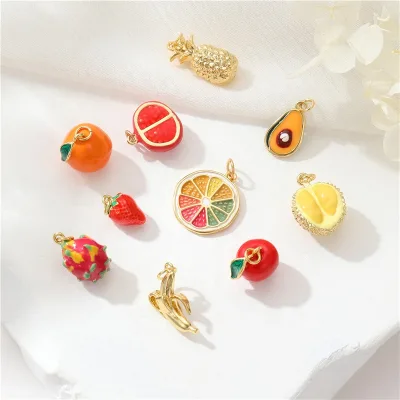

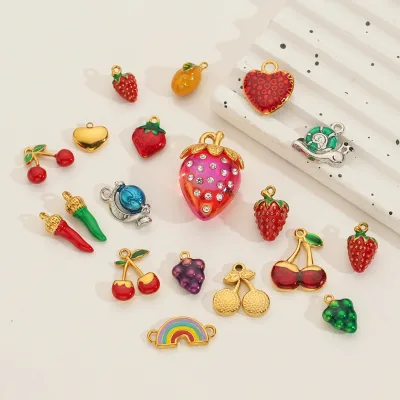
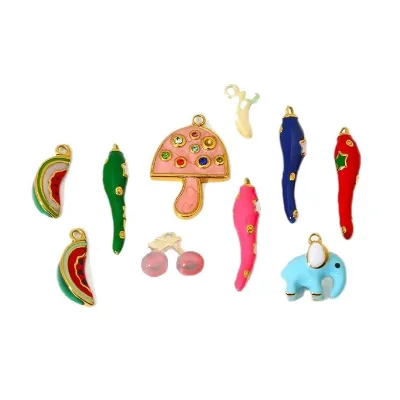


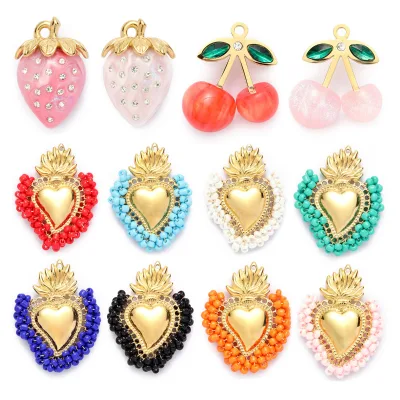
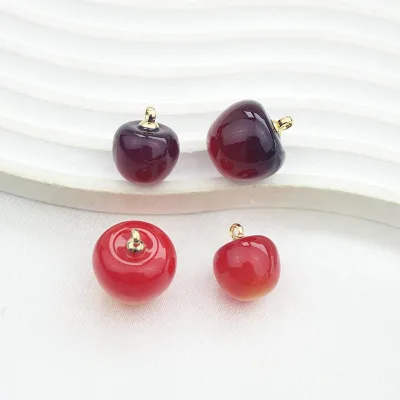
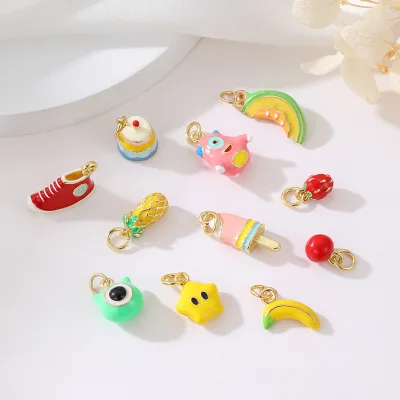


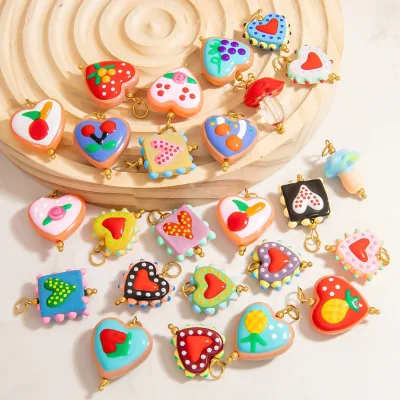
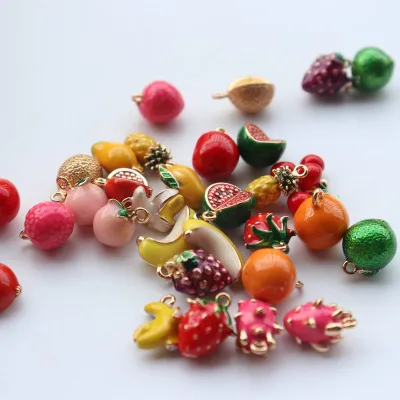


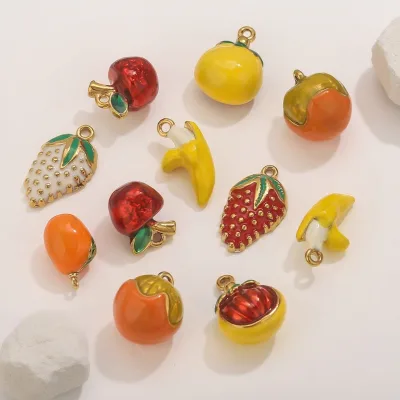
Enamel Charms with Lobster Clasp Strewberry Pendant Guangzhou Jewelry Factory
$1.00 - $2.50
MOQ: 100 Pieces





Comprehensive Sourcing Guide
Strawberry Jam Pendant Sourcing Guide
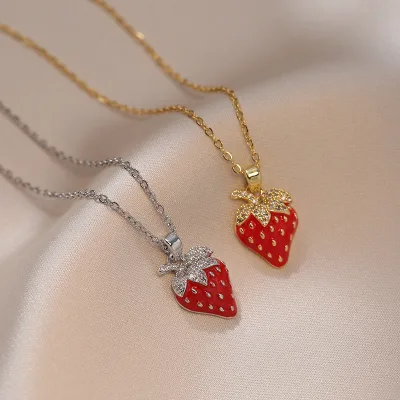
Sourcing strawberry jam pendants requires a nuanced understanding of how this specific aesthetic intersects with broader jewelry procurement strategies. While the term "strawberry jam" might suggest a food-related product, in the context of fashion accessories, it typically refers to pendants featuring strawberry motifs, often with red or translucent gemstone-like finishes that mimic the appearance of jam or fruit preserves. Buyers must distinguish between literal food items and decorative jewelry pieces, as the latter involves entirely different supply chain dynamics, material standards, and regulatory requirements. The visual appeal of these items often relies on vibrant colors and intricate designs, such as the strawberry patterns observed in current market listings, which demand careful quality control to ensure consistency in color and shape.
The procurement process for these items is heavily influenced by customization capabilities and material choices. Suppliers frequently offer OEM services, allowing buyers to tailor designs, logos, and packaging to their brand identity. This flexibility is crucial for retailers looking to create unique product lines that stand out in competitive markets. However, this customization comes with its own set of verification challenges, particularly regarding material authenticity and plating durability. Buyers need to establish clear specifications early in the sourcing process to avoid discrepancies between samples and bulk orders, ensuring that the final product meets both aesthetic expectations and functional requirements for wearability.
Product Scope and Observed Listing Signals
The current market landscape for strawberry-themed pendants reveals a diverse range of materials, shapes, and design elements. Listings indicate the availability of pendants in various shapes, including hearts and ovals, with specific designs labeled as "strawberry pendant" in multiple variations. Materials observed range from 925 sterling silver to stainless steel, with plating options such as rhodium, 14K gold, and silver plating. These variations suggest that buyers can source products at different price points and quality levels, depending on their target market and brand positioning. The presence of AAA cubic zirconia stones in some listings further indicates that these pendants are often designed to mimic the sparkle and elegance of more expensive gemstones, appealing to customers seeking affordable luxury.
Color options are extensive, with listings showing silver, blue, purple, pink, green, beige, khaki, gold, multi-color, yellow, orange, and red variants. This wide array of colors allows for broad customization and caters to diverse consumer preferences. Additionally, the inclusion of ropes or chains with some products suggests that these pendants are often sold as complete necklaces rather than loose charms. The packaging methods also vary, with some items packed in boxes and others shipped via express couriers like FedEx, DHL, UPS, and EMS. These logistical details are critical for buyers to consider when calculating total landed costs and planning inventory management strategies.
Technical Specifications to Verify
Material composition is a primary technical specification that requires rigorous verification. Buyers must confirm whether the pendants are made from 925 sterling silver, stainless steel, or other alloys, as this directly impacts durability, hypoallergenic properties, and resale value. For sterling silver items, buyers should request proof of hallmarking or third-party appraisal certificates to ensure the silver content meets the 92.5% standard. For stainless steel products, verifying the grade of steel (e.g., 316L) is essential to ensure resistance to corrosion and tarnishing. Additionally, the plating process should be scrutinized, particularly for items claiming 14K gold or rhodium plating, as the thickness and adhesion of these coatings affect longevity and appearance.
Design and dimensional specifications are equally important for maintaining product consistency. Buyers should verify the exact dimensions of the pendants, including length, width, and thickness, to ensure they fit within desired size ranges for their target demographic. The setting method for any stones, such as wax micro pave setting, should be examined for security and aesthetic quality. Furthermore, the weight of the pendants, which can vary from lightweight charms to heavier statement pieces, should be confirmed to align with customer expectations and shipping cost calculations. Customization options, such as logo engraving or bespoke designs, should be clearly defined in terms of feasibility, minimum order quantities, and additional costs.
Compliance and Safety Documentation
Regulatory compliance is a critical aspect of sourcing jewelry products, particularly those intended for international markets. Buyers must ensure that all products comply with relevant safety standards, such as lead and cadmium limits, which are strictly enforced in regions like the European Union and the United States. Third-party appraisal certificates, as mentioned in some listings, can provide valuable evidence of compliance, but buyers should verify the credibility of the testing laboratories issuing these certificates. It is advisable to request detailed test reports that cover heavy metal content, nickel release, and other potential allergens, especially for products with skin contact.
Intellectual property rights and branding compliance are also essential considerations. If buyers are sourcing customized pendants with specific logos or designs, they must ensure that these elements do not infringe on existing trademarks or copyrights. Suppliers should be required to provide declarations of non-infringement and indemnification clauses in their contracts. Additionally, packaging and labeling must comply with local regulations, including accurate material descriptions, country of origin markings, and care instructions. Buyers should work closely with their suppliers to ensure that all documentation is accurate and up-to-date, minimizing the risk of customs delays or product recalls.
Cost Drivers and Commercial Terms
The cost of strawberry jam pendants is influenced by several key factors, including material costs, labor, and customization complexity. Sterling silver and gold-plated items typically command higher prices due to the intrinsic value of the materials and the additional processing required. Stainless steel products, while durable and affordable, may have lower material costs but can still be expensive if intricate designs or high-quality plating are involved. Buyers should request detailed cost breakdowns from suppliers to understand how these factors impact the final price and to identify opportunities for cost optimization without compromising quality.
Minimum order quantities (MOQs) and payment terms are significant commercial considerations that affect cash flow and inventory management. MOQs can range from small quantities for testing purposes to large volumes for mass production, depending on the supplier's capabilities and the level of customization required. Buyers should negotiate flexible MOQs where possible, especially for new product launches or limited edition collections. Payment terms, such as deposits and balance payments upon shipment, should be structured to balance risk and cash flow needs. Additionally, buyers should consider the total landed cost, including shipping, duties, and taxes, when evaluating supplier quotes to ensure accurate profit margin calculations.
Supplier Qualification and Quality Control
Supplier qualification is a foundational step in ensuring a reliable supply chain for strawberry jam pendants. Buyers should conduct thorough due diligence on potential suppliers, including verifying their business licenses, production capabilities, and past performance. Site visits or virtual audits can provide valuable insights into the supplier's manufacturing processes, quality control systems, and working conditions. Suppliers with a proven track record of producing high-quality jewelry and adhering to ethical labor practices are preferable, as they are more likely to deliver consistent products and maintain long-term partnerships.
Quality control measures should be implemented at every stage of the production process, from raw material inspection to final packaging. Buyers should establish clear quality standards and inspection criteria, including visual checks for defects, dimensional accuracy, and material authenticity. Third-party inspection services can be engaged to conduct pre-shipment inspections, ensuring that the products meet the agreed-upon specifications before they are dispatched. Feedback loops should be established to address any quality issues promptly and to implement corrective actions to prevent recurrence. Continuous improvement initiatives, such as regular supplier evaluations and performance reviews, are essential for maintaining high standards and fostering a collaborative relationship with suppliers.
Long-Term Procurement Checks
Long-term procurement success depends on the ability to adapt to market changes and maintain product relevance. Buyers should regularly monitor market trends, consumer preferences, and competitor offerings to identify opportunities for innovation and differentiation. This includes staying informed about new materials, design styles, and technological advancements in jewelry manufacturing. By proactively adjusting their product offerings, buyers can maintain a competitive edge and meet evolving customer demands. Additionally, building strong relationships with suppliers can facilitate access to exclusive designs and early access to new products, enhancing the buyer's market position.
Sustainability and ethical sourcing are increasingly important factors in long-term procurement strategies. Buyers should prioritize suppliers who demonstrate commitment to environmental responsibility and ethical labor practices. This includes sourcing materials from responsible suppliers, minimizing waste in production processes, and ensuring fair wages and safe working conditions for workers. By aligning their procurement practices with sustainability goals, buyers can enhance their brand reputation and appeal to environmentally conscious consumers. Regular audits and certifications can provide evidence of these commitments and help build trust with stakeholders.
FAQs
Can strawberry jam pendants be customized for buyers?
Yes, strawberry jam pendants can be customized to meet specific buyer requirements. The product page confirms that customization is available, allowing for tailored designs, logos, and specifications to suit individual needs.
What materials are used to make these pendants?
These pendants are crafted from 925 Sterling Silver and Stainless Steel. Some models feature AAA CZ stones with wax micro pave settings, while others may include rhodium plating for enhanced durability and shine.
Which shapes are available for the Strawberry Jam Pendant?
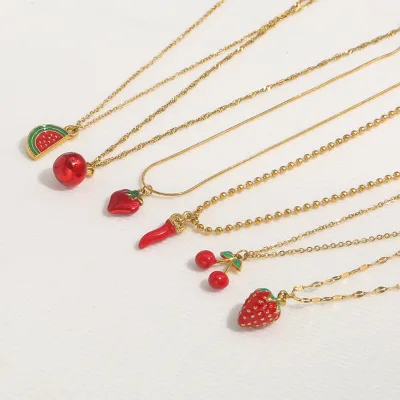
Available shapes include heart, oval, and strawberry patterns. The product listings show a variety of designs such as strawberry pendants, cherry pendants, and heart pendants to suit different fashion preferences.
How much does a Strawberry Jam Pendant cost?
The observed price range for these pendants is between 0.43 and 7.81 USD. Actual pricing depends on the specific model, material, and customization options selected by the buyer.
What is the minimum order quantity for these pendants?
The minimum order quantity ranges from 3 to 1000 units. Buyers can select an order size that fits their inventory needs, with flexibility provided across different product models and specifications.
Where are these pendants manufactured?
These pendants originate from Fujian and Hubei in China. The product facts indicate that the place of origin is China, ensuring a specific supply chain location for sourcing purposes.
Can these pendants be used as gifts?
Yes, these pendants are suitable for gifts, parties, anniversaries, and engagements. The product attributes list these occasions, making them versatile choices for various celebratory events and personal gifting.