Source Straw Crushing Chaff Cutter for Sheep, Cow, and Forage
Find and compare 30 Straw Crushing Chaff Cutter models from Chinese manufacturers. Evaluate options for processing forage and straw, including twin screw bulking and flat die pelletizing capabilities, to find suitable grinding equipment for agricultural needs.
Key considerations
Products List


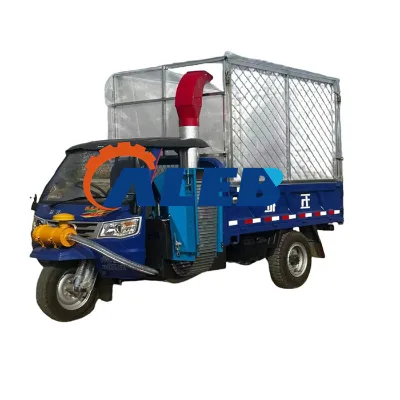


Cattle Feed Processing Machines Grains Grinder Grass Stalk Chopper Chaff Cutter
$280.00 - $1095.00
MOQ: 5 set


Silage Crusher Animal Feed Grass Chopper Machine Chaff Cutter Farm Machinery
$93.00 - $295.00
MOQ: 10 set


Chaff Cutter Grinding Machine Silage Corn Stalk Chopper Cutting Crusher Machine
$160.00 - $165.00
MOQ: 10 Pieces


Chaff Cutter Silage Forage Crushing Machine
$92.00 - $99.00
MOQ: 10 Pieces
Hunan Dongfanghong Electromechanical Manufacturing Co., Ltd.


Comprehensive Sourcing Guide
Straw Crushing Chaff Cutter Sourcing Guide
Straw crushing chaff cutters are essential agricultural machines designed to process forage and straw into uniform granular shapes suitable for livestock feed. These units typically employ a crushing-before-mixing technic to ensure the material is properly reduced before being processed further, which is critical for maintaining feed quality and animal digestion efficiency. The observed market offerings include specialized models like the FCM-2.8t and FCM-4.8t, which are engineered to handle high-volume throughput, with capacities ranging from 2,800 kg/h to 4,800 kg/h depending on the specific configuration and power source selected.
Buyers must distinguish between machines powered by electric motors and those driven by diesel engines, as the power source dictates the operational environment and fuel logistics. Electric models often feature voltages of 220/380V, making them suitable for facilities with stable grid access, while diesel-powered variants offer mobility for field operations or locations with unreliable electricity. The choice between these power sources directly impacts the machine's application, with specific configurations observed for sheep and cow feeding operations, ensuring the equipment matches the scale and type of livestock being managed.
Product Scope and Observed Listing Signals
The product scope for straw crushing chaff cutters encompasses a variety of functional designs, including grass cutters, chaff cutters, and stalk grass straw cutting machines. Listings frequently highlight specific blade types, such as straight teeth or curved teeth, which influence the cutting efficiency and the final texture of the chaff. The equipment is generally categorized as grinding or processing equipment, with some models featuring twin screw bulking machines to further compact the material, ensuring it meets the granular shape requirements for automated feeding systems.
When evaluating listings, buyers should look for specific model identifiers like RX-1500, TLZS-280, or the 9Z series, which often indicate distinct capacity tiers and functional capabilities. The observed data suggests a wide range of capacities, from 1.5 tons to 5.5 tons per hour, allowing procurement teams to select units that align with their daily processing needs. Additionally, the presence of screen mesh in the design is a key signal for quality control, ensuring that the output meets specific particle size standards before the material is distributed to livestock.
Technical Specifications to Verify
Verification of the power rating is a primary technical consideration, as units observed in the market range from 4.5 kW for smaller electric models to larger diesel engines capable of handling heavy-duty tasks. Buyers must confirm the voltage compatibility, particularly for electric models that may require 220V or 380V inputs, to ensure seamless integration with existing farm infrastructure. The processing object is consistently listed as forage and straw, but the specific technic of crushing-before-mixing requires verification to ensure the machine can handle the moisture content and density of the specific crop being processed.
Physical dimensions and packing standards are critical for logistics planning, with observed specifications including dimensions such as 175158232 cm and 1265694 cm depending on the model. The equipment is typically packed in export wooden cases or wooden boxes to prevent damage during transit, a standard practice for heavy agricultural machinery originating from regions like Zhengzhou and Xinxiang in Henan, China. Buyers should also verify the heating and ventilation equipment type, as some units may require air ducts or steam/hot water heating systems to maintain optimal operating temperatures during extended use.
Compliance and Safety Documentation
Compliance documentation for these agricultural machines often includes certifications such as ISO9001, CE, CCC, and CO, which indicate adherence to international quality and safety standards. The presence of these certifications is a strong indicator that the manufacturer has undergone rigorous testing and quality assurance processes, which is essential for ensuring the safety of operators and the reliability of the equipment in demanding agricultural environments. Buyers should request copies of these certificates to verify that the specific unit being purchased meets the regulatory requirements of their destination country.
Safety features are further evidenced by the design of the blade types and the overall construction of the machine, which must be robust enough to handle the high forces generated during the crushing and cutting process. The use of iron as a primary material for construction suggests a focus on durability, but buyers must verify that the specific components meet local safety standards regarding noise, vibration, and mechanical guarding. Documentation should also clarify the computerized versus non-computerized nature of the control systems, as this affects the ease of operation and the potential for automated safety shut-offs.
Cost Drivers and Commercial Terms
The cost of straw crushing chaff cutters is influenced by several factors, including the power source, capacity, and the level of customization available. Observed price ranges in the market span from $68 to $5,294, reflecting the diversity in machine size and complexity, from basic grass cutters to high-capacity twin screw bulking systems. Buyers should be aware that higher capacity models, such as those capable of 4,800 kg/h, will command a premium price compared to smaller units, and the inclusion of advanced features like screen mesh or specific blade types will further impact the final cost.
Commercial terms regarding the minimum order quantity (MOQ) and lead times are also significant variables in the procurement process. The observed MOQ range is between 1 and 50 units, offering flexibility for both small-scale farmers and large agricultural enterprises. However, buyers must confirm the specific lead time and production capacity, which can vary based on the supplier's current workload and the customization requirements of the order. Understanding these terms is crucial for planning inventory and ensuring that the equipment arrives in time for the critical harvesting and feeding seasons.
Supplier Qualification and Quality Control
Supplier qualification should be assessed based on their production capacity and origin, with many reputable manufacturers located in industrial hubs like Zhengzhou and Xinxiang in Henan, China. These regions are known for their concentration of agricultural machinery producers, offering a competitive advantage in terms of supply chain efficiency and technical expertise. Buyers should verify the supplier's monthly production capacity, which can be as high as 200 sets per month, to ensure they can meet large orders without significant delays or quality compromises.
Quality control measures are often embedded in the manufacturing process, with suppliers offering customization options to tailor the machine to specific operational needs. The condition of the equipment is typically listed as new, but buyers should request detailed inspection reports or video evidence of the manufacturing process to confirm the quality of the iron components and the precision of the blade assembly. Establishing a clear communication channel with the supplier regarding the customization of the machine, such as specific voltage requirements or blade configurations, is essential for ensuring the final product meets the buyer's exact specifications.
Long-Term Procurement Checks
Long-term procurement success depends on the availability of spare parts and the durability of the machine's core components, such as the blades and the screen mesh. Buyers should verify the expected lifespan of the straight or curved teeth blades and the availability of replacement parts to minimize downtime during peak operational periods. The standardization of the machine's dimensions and components, as seen in models like the FCM series, can facilitate easier maintenance and part replacement, reducing the total cost of ownership over the machine's lifecycle.
Finally, buyers must consider the adaptability of the equipment to future operational changes, such as shifts in crop types or increases in herd size. The availability of customized power sources and processing technics allows the machine to evolve with the farm's needs, ensuring a long-term return on investment. Regular maintenance schedules and the availability of technical support from the supplier are critical factors that should be negotiated as part of the initial procurement agreement to ensure the machine remains operational and efficient for years to come.
FAQs
What is the processing capacity of the FCM-4.8T model?
The FCM-4.8T model offers a capacity of 4800kg per hour for processing forage and straw. This high output supports large-scale agricultural operations requiring efficient straw crushing and chaff cutting capabilities.
Can the machine be customized for specific voltage requirements?
Yes, customization is available for voltage requirements, with options including 220/380V or other customized settings. This flexibility ensures the equipment can operate safely in various regional electrical environments.
Which blade types are available for the grass cutter machine?
The machine is available with either straight teeth or curved teeth blade types depending on the specific model configuration. These blade options allow for optimized cutting performance across different types of stalk grass and straw materials.
What certifications do the manufacturers hold for these machines?
Manufacturers hold ISO9001, CO, CE, and CCC certifications for their production standards. These credentials verify that the equipment meets international quality and safety requirements for industrial agricultural machinery.
How is the equipment packaged for international shipping?
The equipment is packaged in export wooden cases or wooden boxes to ensure safe transit. This robust packaging protects the machinery from damage during long-distance shipping to global destinations.
What is the minimum order quantity for purchasing this equipment?
The minimum order quantity ranges from 1 to 50 units depending on the specific supplier and model selected. Buyers should verify the exact MOQ with the vendor before finalizing their procurement plan.
Can the machine operate using a diesel engine power source?
Yes, the machine can operate using a diesel engine or an electric motor power source. This dual power option provides operational flexibility for farms with varying access to electrical infrastructure.