Source Street Portable E Bike with Wheel Hub Motor for Commute, Delivery, and Leisure
Compare 30 Street Portable E Bike with Wheel Hub Motor options featuring steel or aluminum frames, 48V batteries, and speeds up to 60km/h. Buyers can evaluate models with 14-inch or 20-inch wheels, varying wattages, and foldable designs for diverse urban needs.
Key considerations
Products List


20 Inch Tire Electric Bike 15.6ah with Brushless Motor for City Travel
$490.00 - $530.00
MOQ: 5 Pieces


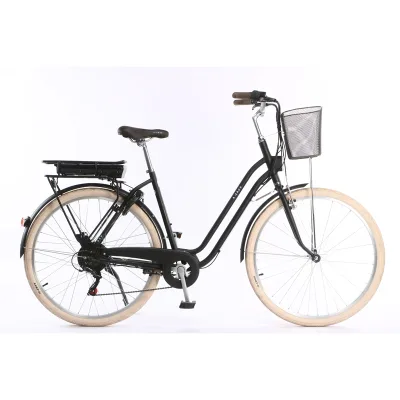
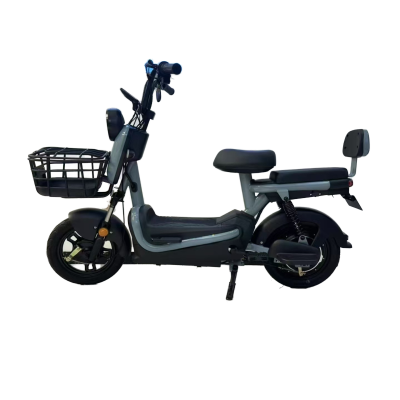
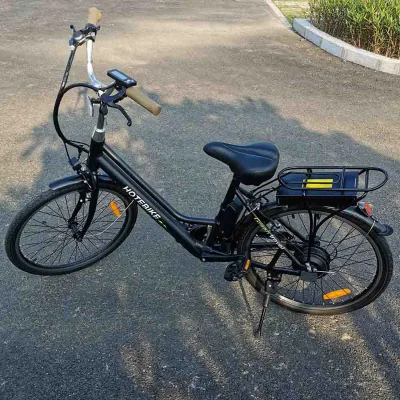


Comprehensive Sourcing Guide
Strategic Sourcing Guide for Street Portable E-Bikes with Wheel Hub Motors
The global demand for street-legal, portable electric bicycles has surged as urban commuters seek efficient, compact, and cost-effective alternatives to traditional transportation. For procurement professionals, the core keyword "Street Portable E Bike with Wheel Hub Motor" represents a specific segment of the market characterized by distinct technical constraints, regulatory requirements, and supply chain dynamics. This guide synthesizes observed market data and verified product attributes to provide a disciplined framework for sourcing these vehicles. The analysis focuses on the tangible specifications found in current listings, such as battery voltages, motor types, and frame materials, while emphasizing the verification processes necessary to ensure product compliance and quality.
Technical Specifications and Performance Variability
When evaluating street portable e-bikes, buyers must first distinguish between the various performance tiers available in the market. The data indicates a significant variance in maximum speed capabilities, which directly influences the intended use case and regulatory classification. Observed listings show models with maximum speeds ranging from 20-40 km/h, suitable for standard urban commuting, while other configurations offer speeds between 41-60 km/h, which may require different regulatory approvals depending on the destination market.
The propulsion system is a critical differentiator. The majority of the observed inventory utilizes a brushless motor, a standard choice for efficiency and longevity in wheel hub configurations. Power output also varies, with wattage ratings observed in two primary bands: 251-350W and 351-500W. These figures are essential for determining the torque and acceleration characteristics of the vehicle. Furthermore, the battery architecture is not uniform; some units operate on 36V systems, while others utilize 48V configurations. The battery type is equally diverse, with listings specifying both storage batteries and lithium batteries.
Range per power consumption is another key metric. Buyers should expect observed ranges to fall between 31-60 km for standard models, with high-capacity variants potentially exceeding 60 km. The wheel size is another variable that affects portability and ride quality. The market presents options with 14-inch wheels, which prioritize compactness, and 20-inch wheels, which generally offer better stability and comfort on varied street surfaces.
| Attribute Category | Observed Range/Options | Procurement Implication |
|---|---|---|
| Max Speed | 20-40 km/h; 41-60 km/h | Verify local speed limits; higher speeds may require registration. |
| Wattage | 251-350W; 351-500W | Higher wattage offers better hill climbing but impacts battery life. |
| Battery Voltage | 36V; 48V | 48V systems typically provide higher power output and speed. |
| Battery Type | Storage Battery; Lithium Battery | Lithium offers better energy density and cycle life. |
| Wheel Size | 14"; 20" | 14" for extreme portability; 20" for stability and comfort. |
| Frame Material | Steel; Aluminum Alloy | Steel is durable and cost-effective; Aluminum is lighter. |
| Folded State | Folded; Unfolded | Critical for "portable" claims; verify folding mechanism quality. |
Compliance and Certification Verification
Navigating the regulatory landscape for electric bikes requires rigorous verification of certification status. While some listings explicitly mention CE certification, others indicate a combination of ISO and CE standards. It is imperative for buyers to understand that the presence of a certification label on a product page does not guarantee that every unit in a shipment meets that standard. The "CE" mark, for instance, is a mandatory conformity marking for products sold within the European Economic Area, but it must be supported by valid technical documentation and a Declaration of Conformity.
Buyers should not assume that all listed models possess these certifications. The data shows a mix of certified and non-certified items, with some products listing "Custom" as the brand, which often implies a lack of established compliance history. When sourcing for specific markets, such as the EU or North America, the procurement team must request the specific test reports corresponding to the claimed certifications. For electric bikes, this often includes electrical safety tests, electromagnetic compatibility (EMC) reports, and battery transport safety certifications (such as UN38.3 for lithium batteries).
Furthermore, the "prod_standard" field in the data reveals variations in packaging and unit standards, such as "1/pcs" or specific voltage capacities like "48V20A/48V12A." These details suggest that the product standard is not monolithic. Buyers must verify that the specific model ordered matches the regulatory requirements of the destination country. For example, a model with a 48V battery and 500W motor might be classified differently than a 36V, 250W model, affecting import duties and legal road usage.
Cost Drivers and Pricing Dynamics
The pricing structure for street portable e-bikes is influenced by a complex interplay of material costs, battery capacity, and manufacturing complexity. The observed price range in the market spans from $81 to $1,000 USD, a wide disparity that reflects the diversity in specifications. The lower end of the spectrum typically corresponds to models with steel frames, smaller batteries (e.g., 12Ah or 13Ah), and lower wattage motors. Conversely, the higher price points are associated with aluminum alloy frames, larger lithium batteries (up to 15.6Ah or more), and higher performance motors.
Packaging weight is another significant cost driver. Listings show packaging weights ranging from 25kg to 41kg. Heavier packaging often indicates more robust protection for fragile components like the battery and motor, but it also increases shipping costs. The "prod_packing" attribute, noted as "Carton," is standard, but the internal packaging quality can vary. Buyers should consider the total landed cost, which includes not only the unit price but also freight, insurance, and customs duties.
The Minimum Order Quantity (MOQ) also impacts the unit cost. The observed MOQ range is 1 to 200 units. For buyers testing the market or requiring small batches, an MOQ of 1 is advantageous, though the per-unit cost will likely be higher. Larger orders, approaching the 200-unit threshold, typically unlock volume discounts. Additionally, customization options are available, which can add to the cost but allow for branding and specific feature requests. The "Label" attribute being "Yes" suggests that branding is a standard service, but custom branding may incur additional tooling or setup fees.
Typical Applications and Use Cases
The versatility of street portable e-bikes with wheel hub motors makes them suitable for a wide array of applications. The primary use case is urban commuting, where the portability feature allows users to carry the bike onto public transport or store it in small apartments. The "Folded" attribute is a critical indicator here; while some models are listed as "Unfolded," others are explicitly "Folded," catering to the "last-mile" solution market.
For delivery services and logistics, the higher wattage models (351-500W) and larger battery capacities (15.6Ah) are preferred due to the need for extended range and torque. The "Range per Power" attribute, observed up to over 60km, supports long-duration delivery routes. In recreational contexts, the 20-inch wheel models offer a more comfortable ride, while the 14-inch models appeal to enthusiasts looking for maximum compactness.
The color options, ranging from Red, Green, Grey, Blue, Golden, and Black to Orange and Pink, indicate that these bikes are also marketed as lifestyle products. The availability of "Custom" branding allows companies to create fleet identities for rental services or corporate fleets. The "Keyword: Electric Bike" confirms the general market positioning, but the specific attributes like "Drum Brake" and "Brushless Motor" define the operational reliability for these diverse applications.
Supplier Evaluation and Origin Analysis
Evaluating suppliers requires a deep dive into the origin and production capabilities. The data identifies "China" as the primary country of origin, with a specific location noted as "Hebei Xingtai." This region is known for its concentration of bicycle and electric vehicle manufacturing. However, the presence of a specific location does not guarantee the quality of the final product. Buyers must verify the supplier's manufacturing capacity, quality control processes, and ability to scale production.
The "Brand" attribute being listed as "Custom" suggests that many suppliers operate as Original Equipment Manufacturers (OEMs) or Original Design Manufacturers (ODMs). This means the buyer may be purchasing a generic model that can be rebranded. While this offers flexibility, it also means the buyer is responsible for ensuring the underlying product meets their quality standards. The "prod_model" codes, such as "JSD-Y2-BT," "JSD-Y2-KQ," "WG-30," and "WG-27," serve as unique identifiers for different configurations. Buyers should request detailed datasheets for each model code to understand the exact specifications before placing an order.
Supplier reliability is further assessed by their ability to handle customization. The "Customization: Available" attribute is a positive signal, but buyers should clarify the scope of customization, including frame color, battery capacity, and branding. The "Label: Yes" attribute confirms that labeling services are available, but the quality of the label application and the accuracy of the information on the label must be verified.
Quality Control and Long-Term Procurement
Ensuring long-term success in sourcing electric bikes requires a robust quality control (QC) strategy. The "Packaging Weight" and "prod_standard" dimensions (e.g., 148X35X85, 110X23X62) provide clues about the physical dimensions and potential fragility of the units. QC inspections should focus on the folding mechanism, as this is a common point of failure in portable bikes. The "Folded" vs. "Unfolded" status must be verified to ensure the bike locks securely in both states.
Battery safety is paramount. Given the mix of storage and lithium batteries, testing for charge/discharge cycles, thermal stability, and connector integrity is essential. The "Charging Time" of 6-8 hours observed in the data suggests a standard charging profile, but buyers should verify the actual charging performance under load. The "Brake: Drum Brake" specification indicates a specific braking system; buyers should test the braking distance and modulation to ensure safety.
For long-term procurement, buyers should establish a relationship with suppliers that can provide consistent quality and after-sales support. The "Certification: CE" and "ISO, CE" mentions highlight the importance of ongoing compliance. Suppliers should be required to provide updated test reports periodically, especially if regulations change. The "Battery Capacity" variations (7.8ah, 13ah, 15.6ah) suggest that battery suppliers may vary; buyers should ensure that the battery cells used are from reputable manufacturers to avoid premature degradation.
In conclusion, sourcing street portable e-bikes with wheel hub motors requires a meticulous approach that balances technical specifications, regulatory compliance, and cost considerations. By leveraging the observed data on speed, wattage, battery types, and materials, buyers can make informed decisions that align with their specific market needs. The key to success lies in rigorous supplier evaluation, detailed quality control protocols, and a clear understanding of the regulatory landscape in the target market.
FAQs
What battery voltage options are available for these e-bikes?
The available battery voltages are 36V and 48V. Buyers should verify the specific model requirements, as 48V systems typically offer higher power output and speed capabilities compared to 36V configurations.
Which frame materials are used in these portable e-bikes?
These e-bikes are constructed using either Steel or Aluminum Alloy frames. Steel frames provide durability and cost-effectiveness, while Aluminum Alloy frames offer a lighter weight for enhanced portability.
Can I customize the branding and label on the e-bikes?
Yes, customization is available including custom branding and labels. Buyers should confirm the scope of customization, such as frame color and battery capacity, as well as any associated setup fees.
What is the maximum speed range for these street e-bikes?
Maximum speeds range from 20-40 km/h to 41-60 km/h depending on the model. Higher speeds may require different regulatory approvals, so verify local speed limits before purchasing.
Which certifications are listed for these electric bicycle models?
Certifications include CE and a combination of ISO and CE. Buyers must request specific test reports and declarations of conformity to ensure the products meet the regulatory standards of their destination market.
What is the typical packaging weight for these units?
Packaging weights vary between 25kg and 41kg depending on the model and battery capacity. Heavier packaging often indicates more robust protection for fragile components like the battery and motor.
How does the wheel size affect the e-bike performance?
Wheel sizes are available in 14-inch and 20-inch options. The 14-inch wheels prioritize compactness for extreme portability, while 20-inch wheels generally offer better stability and comfort on varied street surfaces.