Source Adjustable NPN PNP Photoelectric Sensor for Automation
Find and compare Adjustable NPN PNP Photoelectric Sensor options for industrial automation, packaging, and assembly lines. This sourcing guide covers 22 available models with varying sensing distances, output types, and housing materials to help you select the right component for your specific detection needs.
Key considerations
Products List


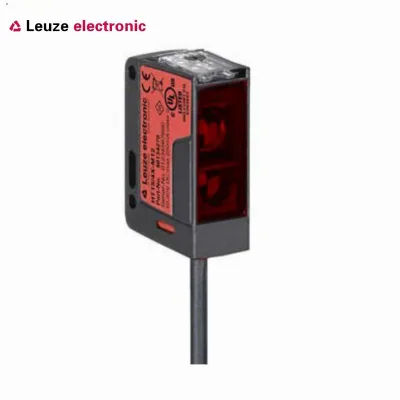


Comprehensive Sourcing Guide
Adjustable NPN PNP Photoelectric Sensor Sourcing Guide
Procuring adjustable NPN PNP photoelectric sensors requires careful attention to output signal compatibility and sensing range capabilities. The market offers distinct models where the output configuration depends on the specific receiver or controller requirements, necessitating a clear definition of whether NPN or PNP logic is needed for the target automation system. Buyers must verify that the selected unit supports the required switching type to ensure seamless integration with existing PLCs or control panels without additional signal conversion hardware.
Sourcing decisions should also account for the physical housing material and environmental protection ratings, as these factors dictate suitability for harsh industrial environments. Listings indicate options ranging from plastic to metal casings, with some units featuring IP ratings that suggest robust protection against dust and moisture. Selecting the correct housing material is critical for longevity, particularly in applications involving vibration, temperature fluctuations, or exposure to conductive fluids that could compromise sensor integrity.
Product Scope and Observed Listing Signals
The observed product listings reveal a diverse range of photoelectric sensor types, including diffuse reflection, slot type, and background suppression models. These variations serve different detection needs, from sensing opaque objects of specific dimensions to handling complex background interference scenarios. Buyers should analyze the specific sensing distance and light source characteristics, such as the 850nm infrared emission, to ensure the sensor can reliably detect the intended target under actual operating lighting conditions.
Listing signals also highlight significant variability in customization options and packaging standards across different suppliers. While some products are offered as non-customized standard units, others explicitly support customization to meet unique mechanical or electrical interface requirements. The packaging ranges from individual bags to white boxes and standard cartons, which influences initial handling costs and storage efficiency. Procurement teams must align their logistical needs with the supplier's standard packing protocols to avoid unexpected handling fees or damage risks.
Technical Specifications to Verify
Technical verification must begin with the power supply requirements, as units typically operate within a 12-24VDC or 10-30VDC range. Ensuring the sensor voltage drop remains within acceptable limits, such as less than or equal to 1V, is essential for maintaining stable signal transmission and preventing voltage sag in long cable runs. Buyers should confirm that the control output matches the system architecture, whether it requires a transistor NPN/PNP output or a specific switching sensor configuration to avoid compatibility issues.
Sensing distance and action modes are equally critical parameters that define the operational envelope of the device. Specifications indicate sensing distances up to 20 meters for certain models, while action modes may be configured for light-on or dark-on operation depending on the safety logic required. It is vital to validate the detecting object size, such as 18mm opaque objects, to ensure the sensor can trigger reliably without false positives or missed detections in high-speed production environments.
Compliance and Safety Documentation
Compliance verification involves confirming that the product carries recognized certifications such as CE and ISO, which indicate adherence to international safety and quality standards. These certifications are not merely administrative but serve as evidence that the sensor has undergone rigorous testing for electrical safety and electromagnetic compatibility. Buyers should request current certification documents to ensure the product meets the regulatory requirements of the destination market, particularly for exports to regions with strict industrial safety mandates.
Safety documentation must also address the specific production standards and material compositions used in the sensor housing. Some listings reference standards like 140g for weight or specific housing materials like ABS and PVC, which impact durability and chemical resistance. Procurement teams should verify that the material composition aligns with the environmental conditions of the installation site, ensuring that the sensor can withstand exposure to oils, solvents, or extreme temperatures without degradation over time.
Cost Drivers and Commercial Terms
Cost drivers for these sensors are heavily influenced by the complexity of the output circuitry and the customization level required. Units offering adjustable NPN/PNP outputs or specialized features like background suppression often command higher prices than basic switching sensors. Additionally, the choice of housing material, such as metal versus plastic, and the inclusion of advanced modulation techniques for the light source can significantly impact the unit cost and overall budget allocation.
Commercial terms regarding lead times and minimum order quantities (MOQ) vary widely among suppliers, with some offering delivery within three days of payment receipt. Buyers must negotiate clear terms for shipping methods, such as DHL, EMS, TNT, or FedEx, to balance speed against cost. Understanding the MOQ range, which can span from single units to 100 pieces, is crucial for optimizing inventory levels and ensuring that the order volume justifies the procurement effort and associated logistics expenses.
Supplier Qualification and Quality Control
Supplier qualification should focus on the manufacturer's origin and their established production processes, such as integration techniques that ensure consistent quality. Locations like Shanghai, Tianjin, and general China-based origins suggest a mature supply chain, but buyers must verify the specific factory's track record for delivering reliable components. The warranty period, often cited as 18 months, serves as a key indicator of the supplier's confidence in their product durability and their commitment to after-sales support.
Quality control measures must include verification of the production process and the consistency of the output signals across batches. Buyers should inquire about the testing protocols used to validate the switching type and sensing distance before shipment. Ensuring that the supplier maintains strict control over the integration process helps minimize the risk of receiving units with inconsistent performance, which could lead to costly downtime and production disruptions in automated systems.
Long-Term Procurement Checks
Long-term procurement strategies require regular audits of supplier performance and product consistency over time. Buyers should establish a schedule for reviewing warranty claims and return rates to identify any emerging quality issues before they escalate into systemic failures. Maintaining a relationship with suppliers who offer reliable delivery times and consistent packaging standards ensures a stable supply chain capable of adapting to fluctuating production demands.
Continuous monitoring of technical specifications is also necessary as technology evolves and new sensor models enter the market. Buyers should periodically reassess whether their current sensors still meet the operational requirements of their automation systems, particularly regarding sensing distance and output signal compatibility. Staying informed about updates in certification standards and material technologies allows procurement teams to make proactive adjustments to their sourcing strategies, ensuring continued operational efficiency and safety compliance.
FAQs
What output types are available for adjustable npn pnp photoelectric sensors?
Adjustable npn pnp photoelectric sensors typically offer NPN or PNP switching outputs, depending on the specific receiver configuration. Some models provide switching sensor capabilities with transistor outputs. These options allow flexible integration into various industrial control systems, ensuring compatibility with different PLC inputs and wiring standards for reliable automation performance.
Can adjustable npn pnp photoelectric sensors detect opaque objects at specific distances?
Yes, adjustable npn pnp photoelectric sensors can detect opaque objects, such as those with an 18mm diameter, using diffuse reflection or background suppression types. The sensing distance varies by model, with some reaching up to 20 meters. This capability ensures accurate object detection in diverse industrial environments, supporting precise automation tasks.
Which certifications are commonly associated with adjustable npn pnp photoelectric sensors?
Adjustable npn pnp photoelectric sensors often carry CE and ISO certifications, ensuring compliance with international safety and quality standards. These certifications indicate that the products meet rigorous manufacturing and performance requirements. Buyers can rely on these credentials to verify product reliability and suitability for global industrial applications and regulatory compliance needs.
How is the power supply configured for adjustable npn pnp photoelectric sensors?
Adjustable npn pnp photoelectric sensors generally operate on a DC power supply, typically ranging from 10 to 30 volts or 12 to 24 volts DC. This wide voltage range ensures compatibility with various industrial power systems. The low voltage drop of less than 1V further enhances energy efficiency and stable operation in automated setups.
What housing materials are used for adjustable npn pnp photoelectric sensors?
Adjustable npn pnp photoelectric sensors feature housing materials such as plastic, ABS, or metal, depending on the model. Plastic housings, often made of ABS with PVC cables, provide cost-effective solutions, while metal cases offer enhanced durability. These material choices allow selection based on environmental conditions, ensuring long-term reliability in industrial settings.
What is the typical delivery time for adjustable npn pnp photoelectric sensors?
The typical delivery time for adjustable npn pnp photoelectric sensors is within three days after receipt of payment. This rapid turnaround supports urgent procurement needs and minimizes production downtime. Buyers can rely on this efficient logistics process to maintain continuous operations and meet tight project schedules without significant delays in component availability.