Source Novelty Spinning Tops for Kids for Christmas, Halloween, Birthday
Find 30 Novelty Spinning Tops for Kids made from plastic or wood with customizable shapes. Buyers can compare specifications, prices, and customization options from verified suppliers in China for festive play; compare the available evidence and request quotations based on your requirements.
Key considerations
Products List



Classic Wooden Tops Natural Wood Color Spinning Top Funny Toy Spin Tops for Kids
$0.21 - $0.31
MOQ: 500 pieces


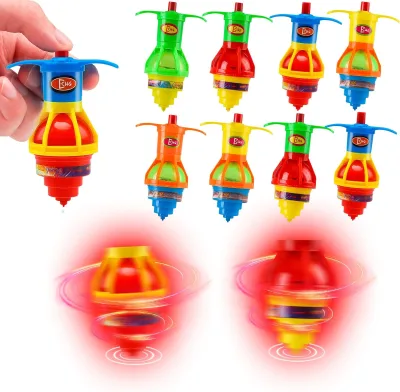
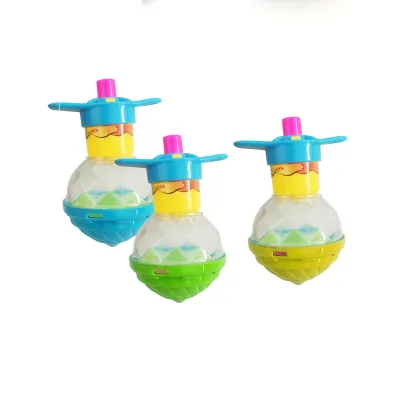
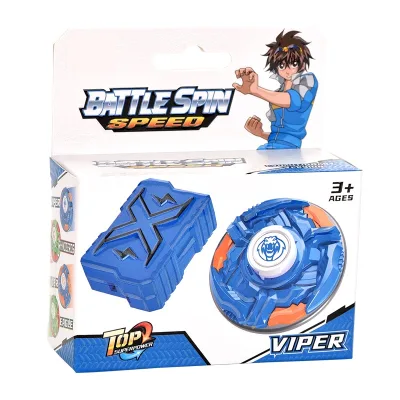
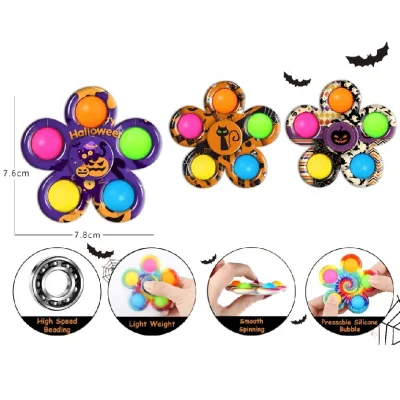
Comprehensive Sourcing Guide
Novelty Spinning Tops for Kids Sourcing Guide
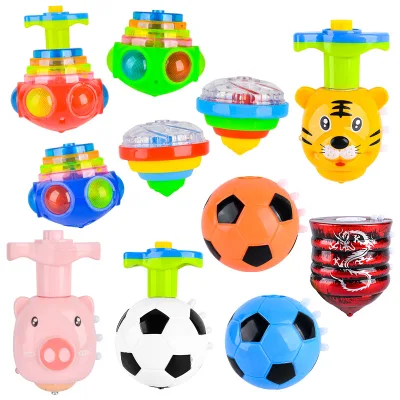
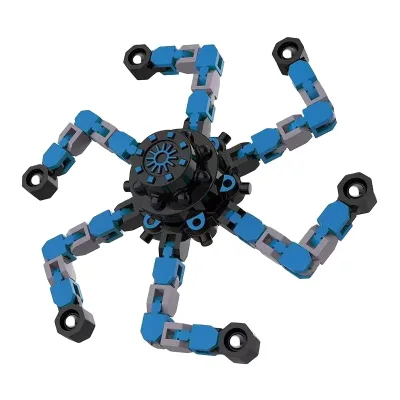
Procuring novelty spinning tops requires distinguishing between plastic fidget variants and traditional wooden models, as the supplied data reveals distinct material profiles for different product lines. Buyers must verify whether the target item is a small-scale plastic toy designed for older children or a wooden top intended for toddlers, since the observed listings show materials ranging from plastic to wood with specific age recommendations. This distinction dictates the necessary safety testing protocols and packaging requirements, ensuring the selected product aligns with the intended demographic and play style.
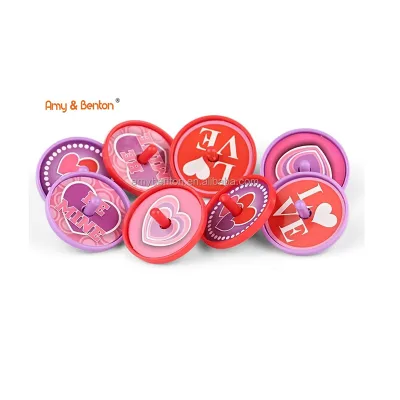
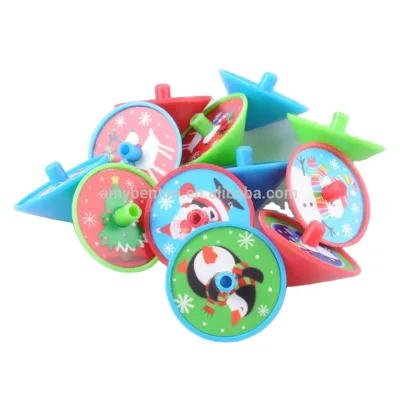
Sourcing strategies should account for the wide range of customization options available, including animal shapes and standard forms, which appear in the observed product attributes. The market offers items with specific model numbers like G18161 and BC20231206, indicating that buyers should request exact specifications rather than relying on generic descriptions. Understanding these variations is critical for matching the product to specific retail categories, such as Christmas gifts or birthday favors, where the unique shape and play method significantly influence consumer appeal.
Product Scope and Observed Listing Signals
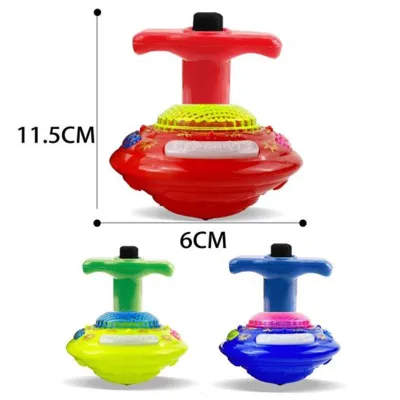
The observed product listings indicate a diverse scope ranging from simple wooden tops to complex LED light-up UFO spinning toys, each serving different engagement levels. Buyers should note that some items are marketed as fidget toys suitable for ages over eight, while others are explicitly designed for toddlers aged zero to twenty-four months. This wide age spectrum necessitates careful filtering during the sourcing process to ensure the selected novelty tops match the specific developmental needs and safety requirements of the target customer base.
Listing signals also reveal significant variation in packaging and dimensions, with some items packed in blister packs and others in OPP bags, affecting logistics and shelf presentation. The observed sizes range from compact 4.5x5.5cm units to larger 13x19cm packages, requiring buyers to calculate shipping costs and storage needs accurately. Additionally, the presence of multiple color options and specific weight data, such as 35g for wooden models, provides essential metrics for inventory planning and pricing strategy development.
Technical Specifications to Verify
Buyers must rigorously verify the physical dimensions and weight specifications to ensure compatibility with existing supply chain constraints and retail packaging standards. The data shows specific single package sizes like 6x5x5 cm and 10x8x8 cm, which directly impact container loading efficiency and freight costs. Confirming these exact measurements against the supplier's technical drawings prevents discrepancies that could lead to rejected shipments or unexpected increases in shipping expenses due to volumetric weight calculations.
Material composition and functional attributes require precise validation to meet the intended play method and durability expectations. While some products are described as having a "funny" play method or "kids play" function, others emphasize eco-friendly features or high-quality construction. It is essential to confirm whether the product is a spinning top with LED lights or a classic wooden toy, as these functional differences dictate the necessary electronic safety checks or mechanical stress tests required for market entry.
Compliance and Safety Documentation
Safety compliance is paramount when sourcing toys for children, particularly given the observed age ranges extending from infants to teenagers. Buyers should request documentation verifying that the products meet relevant safety standards, such as the CE Standard mentioned in the listings, which is critical for market access in many regions. Ensuring that the materials used, whether plastic or wood, are free from harmful substances is a non-negotiable requirement to protect young consumers and maintain brand reputation.
Documentation must also address the specific safety requirements for electronic components found in LED light-up spinning tops, which differ from those for traditional wooden toys. While the provided facts mention high-quality standards, buyers must independently verify that the electrical components comply with local regulations regarding voltage, battery safety, and heat dissipation. Obtaining test reports from accredited laboratories is essential to confirm that the product does not pose choking hazards or other risks associated with small parts or electronic failures.
Cost Drivers and Commercial Terms
The cost of novelty spinning tops is influenced by material selection, with wooden models often carrying different price points compared to plastic or electronic variants. Buyers should analyze the observed price range of 0.06 to 7.35 USD to understand the market segmentation and identify the cost drivers specific to their chosen product type. Factors such as the inclusion of LED lights, custom shapes, or specialized packaging can significantly impact the unit cost, requiring a detailed breakdown of expenses during negotiations.
Commercial terms, including Minimum Order Quantities (MOQ) and sample availability, vary widely across the observed listings, with MOQs ranging from 10 to 10,000 units. Suppliers offering OEM and ODM services may have different pricing structures and lead times compared to those selling standard items. Buyers must clarify whether the quoted price includes packaging costs and if samples are available for quality verification before committing to a large order, ensuring that the financial terms align with the project budget and timeline.
Supplier Qualification and Quality Control
Supplier qualification should focus on verifying the origin of the products, as the data indicates manufacturing locations in Fujian and Jiangsu, China. Buyers must assess the supplier's capacity to maintain consistent quality across different production runs, especially when dealing with customized shapes or electronic components. Establishing a clear communication channel for quality control is essential to ensure that the final products match the agreed-upon specifications regarding size, weight, and material composition.
Quality control protocols must include pre-shipment inspections to verify that the products meet the stated standards and functional requirements. Buyers should implement a system to check for defects in the packaging, such as blister or OPP bag integrity, and ensure that the product labels accurately reflect the age range and safety warnings. Regular audits of the supplier's production line can help identify potential issues early, reducing the risk of receiving substandard goods that could lead to returns or regulatory penalties.
Long-Term Procurement Checks
Long-term procurement success depends on establishing a reliable supply chain that can adapt to changing market demands and seasonal fluctuations. Buyers should monitor the supplier's ability to maintain consistent lead times and quality levels over multiple order cycles, particularly for items with high customization potential. Building a strong relationship with the supplier can facilitate better communication and more favorable terms, ensuring a steady flow of inventory to meet customer needs.
Continuous evaluation of product performance and customer feedback is crucial for maintaining a competitive edge in the novelty toy market. Buyers should track sales data and return rates to identify any recurring quality issues or design flaws that need to be addressed in future orders. By staying informed about industry trends and regulatory changes, buyers can proactively adjust their sourcing strategies to ensure the continued success and safety of their novelty spinning top product lines.
FAQs
What materials are used for Novelty Spinning Tops for Kids?
These toys are primarily crafted from plastic and wood. Plastic versions often feature customized shapes and animal designs, while wooden tops are eco-friendly and suitable for younger children. Both materials ensure durability and safety for daily play, offering distinct tactile experiences for different age groups and preferences.
Can I customize the design of these spinning tops?
Yes, customization is available for both plastic and wooden spinning tops. Buyers can request specific shapes, such as animals or standard forms, and adjust packaging options like blister packs or OPP bags. OEM and ODM services are accepted, allowing brands to tailor products to their unique market requirements effectively.
What age groups are suitable for these spinning tops?
The products cater to a wide range of ages, from infants to older children. Wooden tops are suitable for ages 0 to 7 years, while plastic fidget toys are designed for children over 8 years. This broad age coverage ensures that the toys remain engaging and safe for various developmental stages.
What are the standard specifications for these spinning tops?
Specifications vary by model. Plastic tops often measure around 13x19cm or 7.5x7.5x2.5cm, while wooden tops are smaller at 4.5x5.5cm. LED flashing UFO tops have specific package sizes of 10x8x8cm. These dimensions ensure the toys are portable, easy to handle, and suitable for small-scale play activities.
Where are these spinning tops manufactured?
Manufacturing takes place in China, specifically in Fujian and Jiangsu provinces. These regions are known for their robust toy manufacturing infrastructure. Buyers can source products directly from these origins, ensuring access to established supply chains and efficient logistics for international distribution and bulk procurement needs.
What certifications do these toys meet?
The products adhere to CE standards, ensuring compliance with European safety regulations. Additionally, FSC certification is noted for wooden items, indicating responsible sourcing of materials. These standards provide assurance of quality and safety, making the toys suitable for export to markets with strict regulatory requirements for children's products.