Source Stress Relief Pop Tube for Toys, Gifts, and Promotions
Compare 30 Stress Relief Pop Tube options from verified suppliers. Buyers can evaluate customization, materials like EVA, and packaging for toys, gifts, and promotional use.
Key considerations
Products List


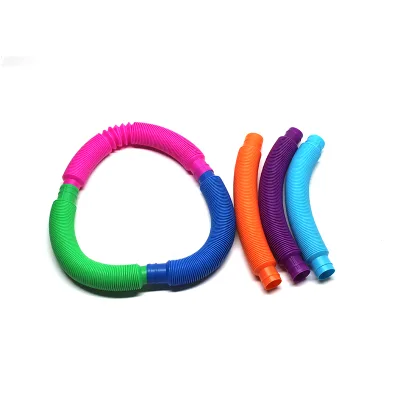
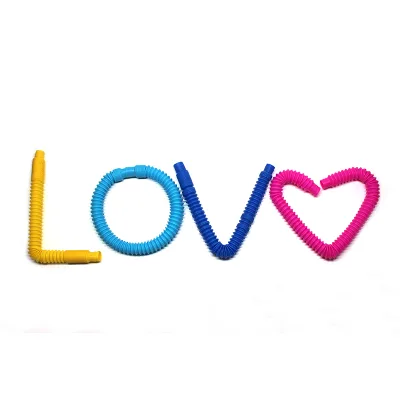
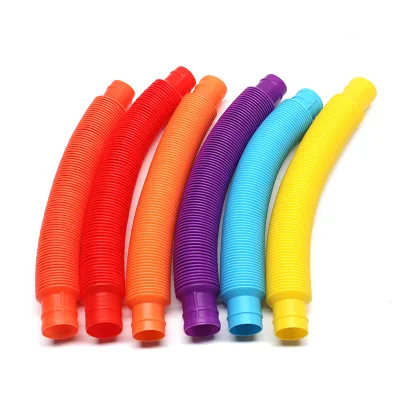
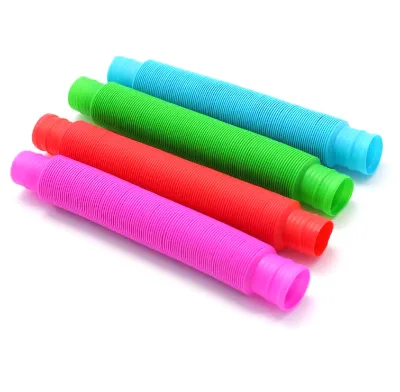
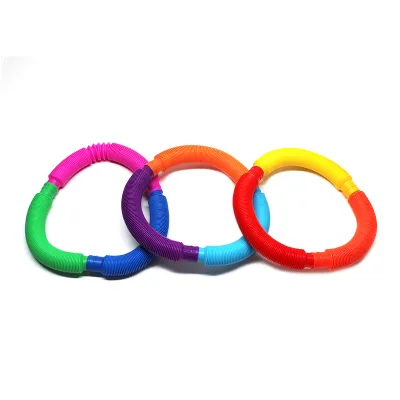
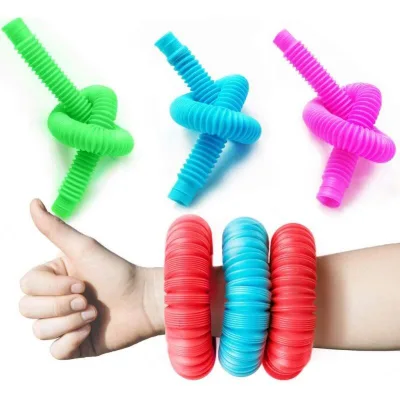



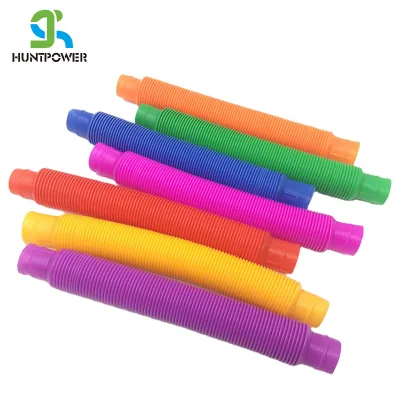
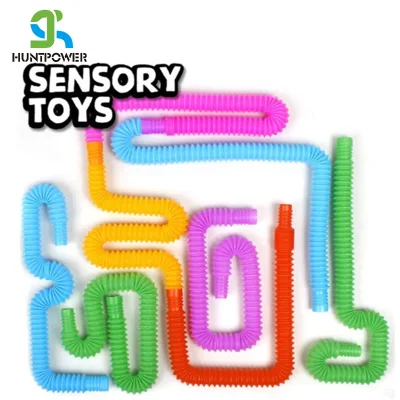
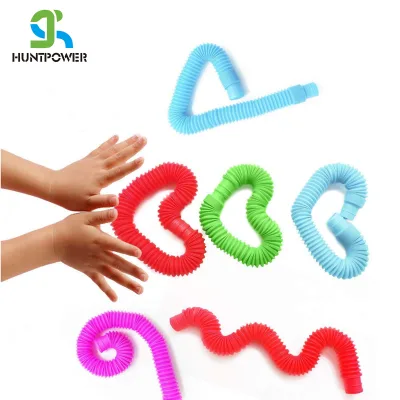
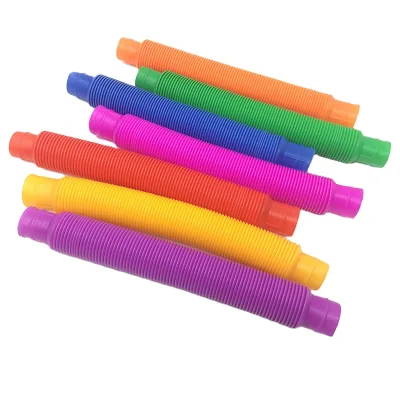
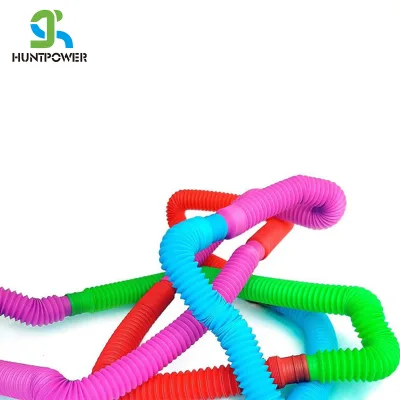
Comprehensive Sourcing Guide
Strategic Sourcing Guide for Stress Relief Pop Tubes
Understanding Product Specifications and Material Composition
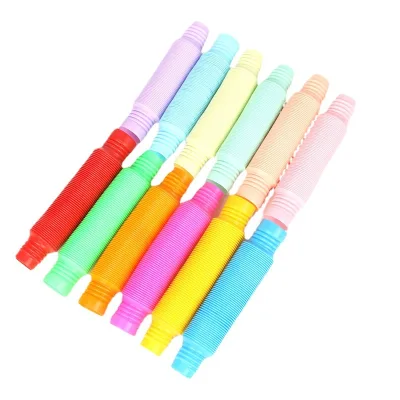
When sourcing stress relief pop tubes, buyers must first establish a clear understanding of the fundamental technical specifications that define the product category. Based on available market data, the primary material composition for these items is consistently identified as Plastic, with a specific subset utilizing EVA (Ethylene Vinyl Acetate). This material choice is critical for the product's core function, which is deformation and the subsequent return to an original shape. The "pop" action relies on the elasticity of the plastic or EVA structure, allowing the tube to be pulled to significant lengths and then compressed back down.
The physical dimensions of these tubes vary widely depending on the intended application and target demographic. Observed specifications indicate a standard compressed length of approximately 23*2.9cm, which can extend to a length of 70cm or 700mm when fully pulled open. Some listings reference specific model numbers such as HK-P001 or NB-PACK, suggesting that manufacturers offer a range of standardized sizes alongside custom options. The outer diameter is frequently listed as "Custom," indicating that buyers can request specific bore sizes to accommodate different grip preferences or mechanical properties. Weight is another key specification, with typical units weighing around 30g, though this can fluctuate based on the density of the plastic and the specific length ordered.
The manufacturing process for these items typically involves molding and cutting services. The surface treatment often includes screen printing, which allows for the application of logos, educational content, or decorative patterns directly onto the tube surface. While the base material is plastic, the specific type, such as EVA, offers distinct advantages in terms of softness and safety, particularly for products intended for younger age groups ranging from 2 to 8 years. The shape of the product is generally cylindrical but can be customized to animal or cartoon forms to enhance the "funny" or "educational" appeal.
Compliance, Certification, and Safety Standards
For procurement professionals dealing with toys and stress relief items, verifying compliance and certification is a non-negotiable step. The market data indicates that reputable suppliers often hold ISO and CE certifications. The CE mark is a mandatory conformity marking for products sold within the European Economic Area, signifying that the product meets EU safety, health, and environmental protection requirements. Similarly, ISO certification suggests that the manufacturer adheres to international standards for quality management systems.
However, buyers must exercise caution when interpreting these certifications. While the data lists "ISO" and "CE" as available attributes, it also includes a low-confidence background note regarding ISO 27001:2022, which is a standard for information security management rather than product safety. Therefore, procurement teams should not assume that a supplier's ISO certification automatically covers product safety; they must specifically request documentation for product-specific standards such as EN71 (European toy safety standard) or ASTM F963 (US toy safety standard), which are not explicitly confirmed in the provided text but are industry norms for this category.
The "Customized" standard attribute found in the data suggests that some manufacturers may not adhere to a single rigid standard but rather tailor their production to meet specific buyer requirements. In such cases, the buyer must define the required safety parameters, including flammability, chemical composition, and mechanical safety (e.g., small parts testing for children's toys). The usage of these products in contexts like "Cosmetics, Medicine, Food, Chemical" implies a need for material purity and non-toxicity, even if the primary application is as a toy. Verifying that the plastic or EVA material is free from harmful phthalates and heavy metals is essential, especially given the age range of 2 to 8 years for many of these items.
Cost Drivers and Pricing Dynamics
The pricing structure for stress relief pop tubes is influenced by several variable factors, including material type, customization level, and order volume. The observed price range in the market spans from $0.01 to $0.65 USD per unit. This wide variance is primarily driven by the complexity of the product. A basic, unbranded plastic tube in a standard color will likely fall at the lower end of this spectrum, while a custom-molded EVA tube with screen-printed graphics, specific dimensions, and branded packaging will command a higher price.
Material costs play a significant role, with EVA generally being more expensive than standard PVC or generic plastics due to its superior tactile feel and safety profile. Customization is a major cost driver; the "Customized" attribute for color, shape, and packaging adds to the unit cost. Furthermore, the production process involves molding, which requires upfront tooling costs. While these costs are often amortized over large orders, they can impact the per-unit price for smaller batches.
Minimum Order Quantity (MOQ) is another critical factor in the total cost of ownership. The observed MOQ range is between 10 and 10,000 units. Buyers purchasing at the lower end of the MOQ spectrum (e.g., 10 to 100 units) will likely face a higher per-unit price to cover the setup and processing costs. Conversely, orders approaching the upper limit of the observed range (10,000 units) can leverage economies of scale to reduce the unit cost significantly. The supply ability of suppliers, noted as 20,000 pieces per day, suggests that large-volume orders can be fulfilled without significant delays, potentially stabilizing costs.
Typical Applications and Usage Scenarios
Stress relief pop tubes serve a diverse range of applications, extending beyond simple play. The primary usage is categorized as "Childrens Toys," "Educational Toy," and "Cartoon Toy," targeting an age group of 2 to 8 years. In this context, the product functions as a sensory tool to help children develop fine motor skills, understand cause and effect, and relieve boredom. The "Playing Relieve" and "Relieve Stress" functions are particularly relevant for educational settings where these items are used as fidget tools to help children focus or manage anxiety.
Beyond the toy market, the data indicates usage in "Promotional toys" and "Fidget toys." This opens opportunities for corporate procurement, where companies order custom-branded pop tubes as giveaways at trade shows or as employee wellness gifts. The "Funny" and "Cartoon" attributes make them ideal for marketing campaigns targeting families or children. Additionally, the specification of usage in "Cosmetics, Medicine, Food, Chemical" suggests that the material must be inert and safe for environments where these products might be present, although the primary form factor remains a toy or fidget item.
The versatility of the product allows it to be used in various settings, including classrooms, therapy centers, and retail environments. The "Transport Package" and "Customized Package" options indicate that the product can be shipped in bulk for large-scale distribution or in individual retail-ready packaging for direct-to-consumer sales. The ability to customize the color and shape allows for thematic branding, such as matching a company's color scheme or creating animal shapes for a specific marketing campaign.
Supplier Evaluation and Operational Capabilities
Selecting the right supplier requires a thorough evaluation of their operational capabilities and track record. The data indicates that the place of origin for these products is primarily China, with specific mentions of Zhejiang as a manufacturing hub. Zhejiang is known for its robust manufacturing infrastructure, particularly in the plastics and toy sectors. Buyers should verify the supplier's location to ensure it aligns with their logistics strategy and to assess the potential for shipping costs and lead times.
Key operational metrics to evaluate include the supplier's sample time, which is observed to be 3-5 working days. This indicates a responsive supply chain capable of providing prototypes quickly for approval. The supply ability of 20,000 pieces per day suggests that the supplier has the capacity to handle large orders without compromising on delivery schedules. However, buyers should confirm if this capacity is consistent year-round or subject to seasonal fluctuations.
The customization capabilities of the supplier are paramount. The data shows that customization is available for material, color, shape, packaging, and standards. Buyers should inquire about the supplier's in-house design capabilities, their ability to handle screen printing, and their experience with molding custom shapes. The presence of "High Quality" as an attribute suggests that some suppliers prioritize quality, but this should be validated through sample testing and reference checks.
Quality Control and Long-Term Procurement Considerations
Quality control is essential to ensure that the pop tubes meet safety and performance standards. Buyers should implement a rigorous inspection process that includes checking for material consistency, verifying the elasticity of the tube, and ensuring that screen printing is durable and non-toxic. The "High" quality attribute observed in the data should be treated as a claim that requires verification through third-party testing or on-site audits.
Long-term procurement considerations involve building a sustainable relationship with suppliers who can maintain consistent quality and pricing. The variability in specifications, such as the "Customized" standard and varying dimensions, requires clear communication and detailed specifications in purchase orders to avoid discrepancies. Buyers should also consider the environmental impact of the materials used, particularly if they are sourcing for markets with strict sustainability regulations.
The "Single package size" of 33x33x33 cm and the "Single gross weight" of 0.030 kg are important for logistics planning. These dimensions suggest that the products are relatively compact, which can reduce shipping costs. However, for bulk orders, the "Transport Package" or "Carton" packaging must be evaluated for its ability to protect the products during transit.
| Feature | Observation | Procurement Action |
|---|---|---|
| Material | Plastic, EVA | Verify non-toxicity and elasticity |
| Certification | ISO, CE | Request specific product safety docs |
| MOQ | 10 - 10,000 | Negotiate based on volume needs |
| Sample Time | 3-5 days | Plan for prototyping and approval |
| Origin | China (Zhejiang) | Assess logistics and lead times |
| Customization | Color, Shape, Print | Define clear technical specs |
By adhering to these guidelines and leveraging the observed data, buyers can effectively source stress relief pop tubes that meet their specific needs while maintaining high standards of quality and compliance.
FAQs
What material is used for stress relief pop tubes?
The primary material used is plastic, with a specific subset utilizing EVA for enhanced safety and softness. This composition allows the tube to deform and return to its original shape, making it suitable for children aged 2 to 8 years.
Can I customize the color and shape of the tubes?
Yes, customization is available for color, shape, and packaging to meet specific buyer requirements. Manufacturers offer options for animal or cartoon shapes and screen printing, allowing for branded promotional items or educational toys.
What are the typical dimensions of a pop tube?
Standard compressed dimensions are approximately 23 by 2.9 cm, extending to 70 cm or 700 mm when fully pulled open. The outer diameter is often customizable, and the weight typically ranges around 30 grams per unit.
Which certifications do suppliers typically hold for these toys?
Reputable suppliers often hold ISO and CE certifications to ensure compliance with international safety standards. Buyers should verify specific product safety documentation, as the ISO certification may refer to quality management rather than direct product safety.
How long does it take to receive a sample?
The sample time is typically 3 to 5 working days, indicating a responsive supply chain for prototyping. This allows buyers to quickly evaluate material quality, elasticity, and printing durability before committing to a larger order.
What is the minimum order quantity for bulk purchases?
The minimum order quantity ranges from 10 to 10,000 units depending on the supplier and customization level. Lower MOQs may incur higher per-unit costs, while larger orders leverage economies of scale for better pricing.
Where are these products primarily manufactured?
The products are primarily manufactured in China, with specific hubs located in Zhejiang. This location offers robust infrastructure for plastic molding and cutting services, supporting both standard and custom production runs.