Source Stress Relief Spinner Toy for Promotion, Sports, Recreation
Compare 30 Stress Relief Spinner Toy options from verified Chinese suppliers. Buyers can evaluate materials like PU and plastic, customization levels, and packaging details for promotional, sports, and recreational uses; compare the available evidence and request quotations based on your requirements.
Key considerations
Products List


Fidget Spinner Press Rotary Ball Portable Stress Relief Toy for Relaxing
$1.76 - $1.95
MOQ: 488 Pieces


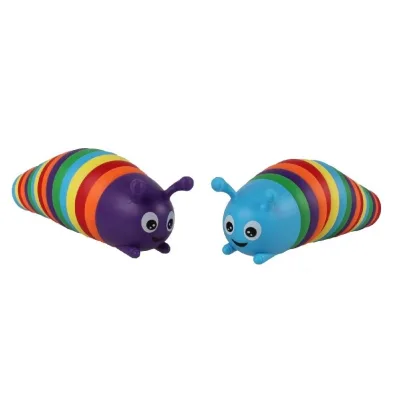
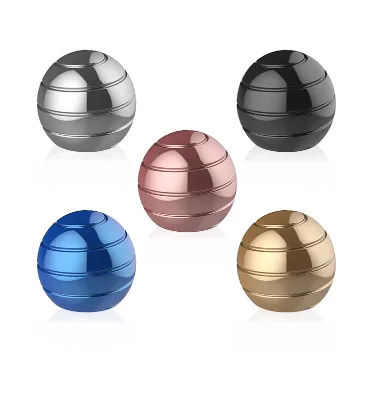


Comprehensive Sourcing Guide
Stress Relief Spinner Toy Sourcing Guide
Procuring stress relief spinner toys requires a nuanced understanding of the diverse product landscape, which ranges from simple foam balls to complex mechanical fidget devices. Buyers must first distinguish between passive compression items and active spinning mechanisms, as these categories serve different ergonomic and psychological needs. The market offers solutions for both corporate wellness programs and retail novelty segments, necessitating a clear definition of the target audience before initiating supplier outreach.
Successful sourcing begins with aligning product attributes with specific use cases, such as office anxiety reduction or sensory therapy for neurodivergent individuals. Observing listing signals like "fingertip spinning" or "stress ball" helps categorize the item correctly, ensuring that the procurement team evaluates the right technical parameters. This initial segmentation prevents misalignment between supplier capabilities and internal quality expectations, streamlining the subsequent evaluation of samples and commercial terms.
Product Scope and Observed Listing Signals
The observed product range includes PU foam stress balls, plastic spinning tops, and wind spring toys, each with distinct material and functional profiles. Listings indicate a variety of shapes, including round, square, and article-specific forms, catering to diverse aesthetic preferences. Materials range from eco-friendly PU foam to durable plastics, with customization options allowing for full-color logo printing or simple imprint stickers. This diversity requires buyers to specify exact material compositions to ensure consistency across large orders.
Functional attributes such as "stress relief," "fingertip spinning," and "intellectual toy" suggest applications in both recreational and therapeutic contexts. Packaging details vary from individual OPP bags to color boxes and cartons, impacting logistics and retail presentation. Buyers should verify if the product is designed for single-use or repeated mechanical stress, as this affects durability expectations. Understanding these signals helps in creating accurate technical specifications that suppliers can reliably quote against.
Technical Specifications to Verify
Technical verification must focus on dimensional accuracy and mechanical integrity, particularly for spinning components that require smooth rotation. Buyers should request detailed drawings for models like NO666 or FG-014 to confirm size tolerances, such as the 6x6 cm standard or larger carton dimensions. Material density and hardness are critical for foam products, while bearing quality and axle stability are paramount for spinner mechanisms. These specifications directly influence the user experience and the product's longevity under repeated use.
Weight and packing specifications also play a crucial role in cost calculation and shipping efficiency. Observations of carton weights around 23kg and single gross weights of 3kg provide baseline data for logistics planning. Buyers must verify if the listed packing, such as 12 pieces per OPP bag, aligns with their retail or distribution requirements. Confirming these physical attributes early prevents discrepancies during production and ensures that the final shipment meets both quality and logistical standards.
Compliance and Safety Documentation
Safety compliance is non-negotiable for stress relief toys, especially those marketed to children or used in educational settings. Buyers must verify certifications such as EN71, ASTM, and CE, which indicate adherence to international safety standards for mechanical and physical properties. For products claiming eco-friendly attributes, documentation regarding material composition and absence of harmful substances like phthalates or heavy metals is essential. These certifications protect the buyer from liability and ensure the product meets regulatory requirements in target markets.
Documentation should also cover labeling requirements and age appropriateness, as indicated by attributes like "Adults" or "All Ages." Mislabeling can lead to regulatory penalties and consumer safety risks. Buyers should request test reports from accredited laboratories to validate these claims, ensuring that the supplier’s internal quality control processes are robust. Clear compliance documentation facilitates smoother customs clearance and builds trust with end-users who prioritize safety and regulatory adherence.
Cost Drivers and Commercial Terms
Cost structures for stress relief toys are influenced by material selection, customization complexity, and order volume. Custom logos and specific colors add to the production cost, while bulk orders can leverage economies of scale to reduce unit prices. Buyers should analyze the relationship between MOQ and pricing tiers, noting that lower MOQs may incur higher per-unit costs. Understanding these drivers allows for more accurate budgeting and negotiation strategies when engaging with multiple suppliers.
Commercial terms such as payment methods, lead times, and shipping responsibilities significantly impact the total cost of ownership. Buyers must clarify whether prices include packaging, labeling, and any necessary compliance testing. Transparent communication about potential additional costs, such as mold fees for custom shapes, prevents unexpected expenses later in the procurement process. Establishing clear commercial terms early ensures that both parties have aligned expectations regarding delivery schedules and financial obligations.
Supplier Qualification and Quality Control
Supplier qualification involves assessing manufacturing capabilities, quality management systems, and past performance in producing similar items. Buyers should verify if the supplier offers OEM and ODM services, indicating flexibility in design and production. Quality control processes, including in-line inspections and final random inspections, are critical to maintaining consistency across large batches. Suppliers with robust QC systems reduce the risk of defects and ensure that products meet the specified technical and aesthetic standards.
Engaging with suppliers who provide samples for evaluation allows buyers to assess product quality firsthand. Buyers should test the durability of spinning mechanisms and the resilience of foam materials under repeated stress. Establishing a clear communication channel for addressing quality issues is essential for long-term partnerships. Selecting suppliers with a proven track record in stress relief toy production minimizes risks and ensures a reliable supply chain for ongoing procurement needs.
Long-Term Procurement Checks
Long-term procurement success depends on continuous monitoring of supplier performance and market trends. Buyers should regularly review quality metrics, such as defect rates and customer feedback, to identify areas for improvement. Staying informed about changes in safety regulations and material standards ensures that products remain compliant and competitive. Proactive engagement with suppliers fosters a collaborative relationship that can lead to innovation and cost optimization over time.
Periodic audits and re-evaluation of supplier capabilities help maintain high standards and mitigate risks associated with supply chain disruptions. Buyers should also consider diversifying their supplier base to reduce dependency on single sources. By implementing a structured approach to supplier management, organizations can ensure a steady supply of high-quality stress relief toys that meet evolving market demands and customer expectations.
FAQs
What materials are used for stress relief spinner toys?
These toys are commonly made from PU foam or plastic materials. The product page lists PU and plastic as available options for manufacturing stress relief spinner toys, ensuring durability and a soft touch for users of all ages.
Can I get custom logos printed on these toys?
Yes, full color and simple color logo printing are available options. Buyers can request custom logos printed on the stress relief spinner toys, with imprint methods including logo stickers or direct printing to meet promotional needs.
What is the minimum order quantity for these items?
The minimum order quantity ranges from 10 to 3000 units depending on the supplier. Specific listings show MOQs as low as 100 units, allowing flexible purchasing for small promotional batches or larger commercial orders of stress relief spinner toys.
Which certifications do these stress relief toys hold?
Some products carry EN, ASTM, and CE certifications for safety compliance. These standards ensure the stress relief spinner toys meet international safety requirements, making them suitable for export and use by children over eight years old or adults.
How are these toys packaged for shipping?
Packaging options include OPP bags, color boxes, or cartons depending on the order size. Individual items may come in single poly bags, while bulk shipments often use cartons with specific dimensions and weights to protect the stress relief spinner toys during transit.
Where are these stress relief toys manufactured?
Manufacturing locations include China and specifically Shenzhen. Suppliers in these regions produce stress relief spinner toys with customization capabilities, offering OEM and ODM services to meet diverse buyer requirements for shape, color, and functional design.