Source Realistic Insect Prop Prank Toy for Halloween, Parties, and Pranks
Compare 30 listings for the Realistic Insect Prop Prank Toy from verified Chinese manufacturers. Buyers can evaluate plastic and wooden options with varying sizes, ages, and packaging to find suitable Halloween supplies or educational toys; compare the available evidence and request quotations based on your requirements.
Key considerations
Products List
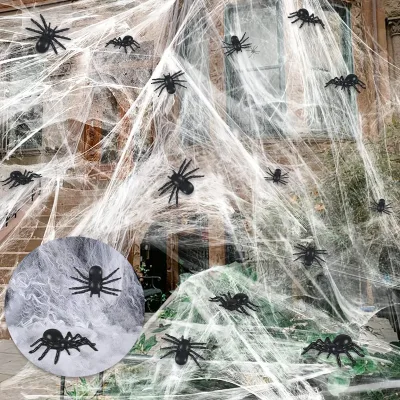
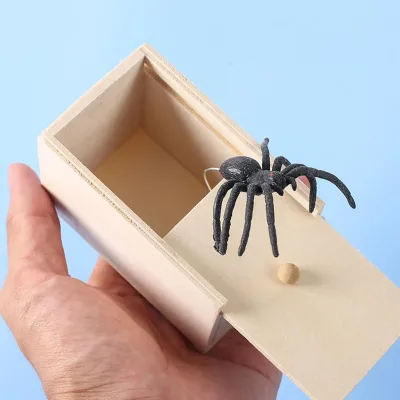
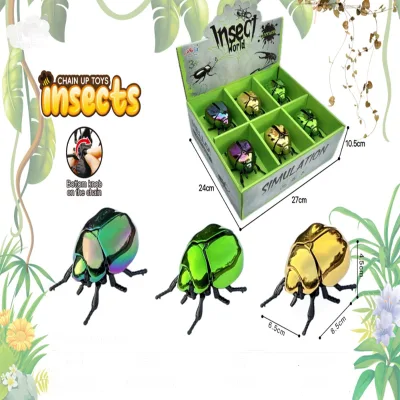
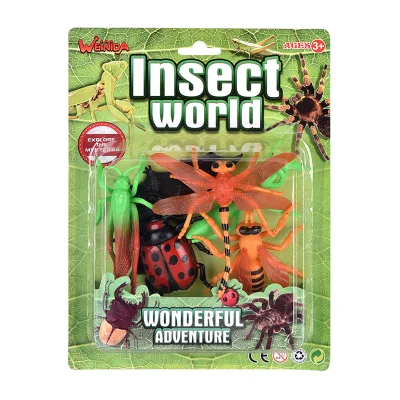
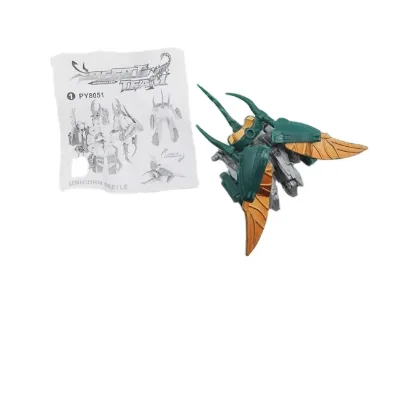
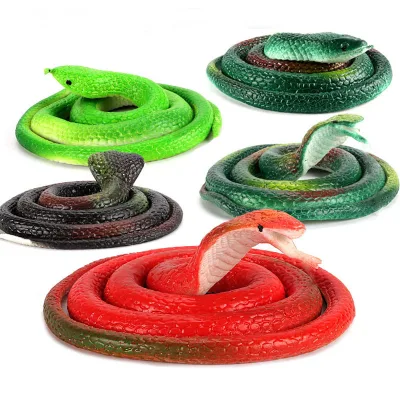
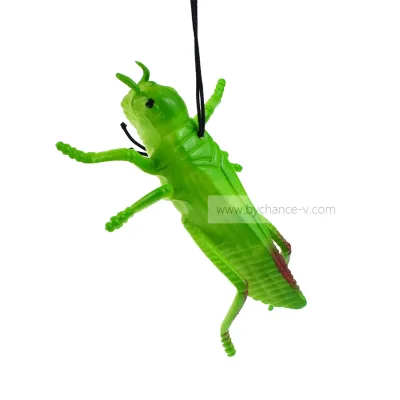
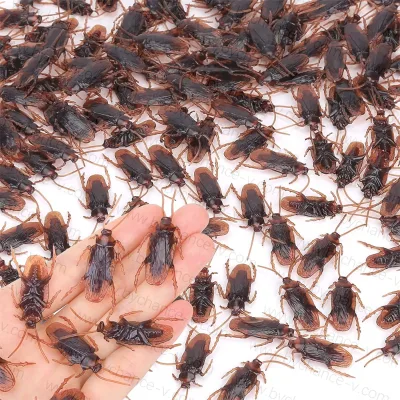


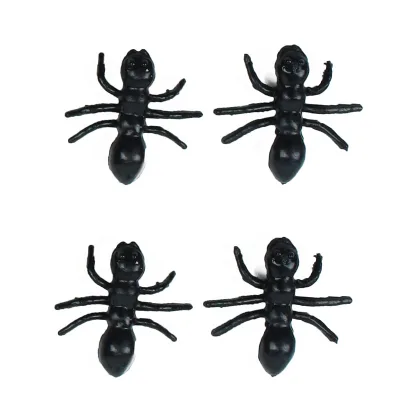
April Fool's Day Halloween Insect Party Decoration Prank Plastic Black Fake Ants Toys
$0.10 - $0.16
MOQ: 3600 Pieces

Realistic Animal Halloween Toys Soft Mini Lifelike Insects TPR Spider Toy
$0.58 - $0.68
MOQ: 1260 Pieces


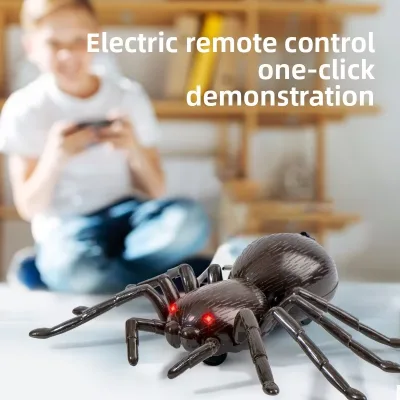
Hot Selling Wholesale Mixed Assorted Animals Fake Scare Prank Beetle Insect Toy
$4.98 - $5.98
MOQ: 500 Pieces


Comprehensive Sourcing Guide
Realistic Insect Prop Prank Toy Sourcing Guide
Procuring realistic insect props for prank applications requires distinguishing between decorative items and functional toys that prioritize safety and durability. The market offers diverse options ranging from blow-molded plastic spiders to wooden mischief toys, each serving different seasonal needs like Halloween or general pranks. Buyers must carefully evaluate the intended use case, as some products are designed specifically for outdoor structures while others are compact enough for pocket-sized pranks. Understanding these distinctions ensures the selected inventory aligns with the specific event or retail strategy without compromising on the intended visual impact.
Sourcing decisions should also account for the variability in packaging and unit weight, which directly impacts logistics planning and shelf presentation. Listings indicate significant differences in gross weight, from lightweight items under 0.1 kg to heavier units around 2 kg, necessitating precise freight cost calculations. Furthermore, the presence of OEM branding and customizable logos suggests that many suppliers are prepared to support private label strategies. Buyers should leverage this flexibility to create unique product lines while ensuring that the core functionality of the prank toy remains consistent across different batches.
Product Scope and Observed Listing Signals
The observed product range includes specific variations such as blow-molded spiders in small and medium sizes, alongside wooden toys designed for mischief. These items often feature distinct color profiles, including black spiders and multicolored options, catering to varied aesthetic preferences for seasonal decorations. The application scope extends beyond simple decoration to include "Tricky Toys" and educational play, indicating a dual market potential for both holiday-specific events and year-round entertainment. This diversity allows buyers to curate a portfolio that addresses multiple customer segments without relying on a single product type.
Listing signals reveal that packaging formats vary significantly, ranging from display boxes and blister cards to simple OPP bags. These packaging choices influence the perceived value and the ease of retail display, with some units designed for high-volume carton packing of 144 or 240 pieces. The presence of specific model numbers like C725000579490 and BL316016 suggests a structured inventory system where buyers can track specific SKUs for reordering. Understanding these listing signals helps in anticipating supply chain complexity and ensuring that the selected products meet the visual and functional expectations of the target audience.
Technical Specifications to Verify
Buyers must rigorously verify physical dimensions and material composition to ensure the props meet safety and durability standards. Specifications such as product sizes ranging from 8.56.54.5 cm to 18.53.525 cm dictate storage requirements and shipping volume calculations. Material types observed include plastic, wood, and rubber, each offering different tactile experiences and longevity. For instance, rubber components may provide better flexibility for moving parts, while wooden elements might offer a more rustic aesthetic. Confirming these attributes prevents mismatches between the ordered specifications and the delivered goods.
Functional mechanisms and movement methods are critical technical aspects that define the user experience of prank toys. Some products utilize inertia for forward movement, adding a dynamic element to the play experience that static props lack. The single package size and gross weight data provided in listings are essential for calculating shipping costs and determining the optimal carton configuration. Buyers should cross-reference these technical details with their own logistics constraints to avoid unexpected freight expenses or storage issues upon arrival.
Compliance and Safety Documentation
Safety compliance is paramount when sourcing toys intended for children, particularly those with age ranges extending from 2 to 14 years and up. The presence of EN71 certification in some listings indicates adherence to European safety standards for toy safety, which is a crucial benchmark for international trade. Buyers should verify that all products intended for younger age groups, such as those for 2 to 4-year-olds, meet rigorous mechanical and chemical safety requirements to prevent choking hazards or toxic exposure.
Documentation verification should extend beyond basic certifications to include detailed test reports and material safety data sheets. While some listings mention OEM/ODM capabilities and customized logos, these commercial features do not replace the need for independent safety testing. Buyers must ensure that the supplier provides valid, up-to-date compliance certificates for every batch produced, especially when dealing with mixed materials like plastic and rubber. This due diligence protects the brand from liability and ensures that the products can be legally sold in target markets without regulatory hurdles.
Cost Drivers and Commercial Terms
Pricing and minimum order quantities (MOQ) are primary cost drivers that influence the overall procurement strategy. The observed price range of 0.05 to 6.77 USD suggests a wide spectrum of product values, likely driven by material costs, complexity of design, and packaging requirements. MOQs ranging from 10 to 5000 units offer flexibility for different business scales, allowing small retailers to test the market while enabling large distributors to secure volume discounts. Understanding these thresholds helps buyers align their inventory investment with their sales forecasts and cash flow capabilities.
Commercial terms regarding branding and customization also impact the total cost of ownership. Suppliers offering OEM services and accepting customized logos may charge additional fees for tooling or setup, which should be factored into the unit cost analysis. The packaging type, whether it is a display box or a simple blister card, further affects the final price point and the perceived value to the end consumer. Buyers should negotiate clear terms regarding these value-added services to ensure that the final landed cost remains competitive while maintaining the desired brand identity.
Supplier Qualification and Quality Control
Supplier qualification involves assessing the manufacturing location and production capacity to ensure consistent supply. Many listed products originate from regions like Anhui and Guangdong, China, which are known for their manufacturing clusters in toys and plastics. Buyers should verify the supplier's ability to maintain quality consistency across large production runs, especially when dealing with complex items like blow-molded spiders or wooden toys. Establishing a relationship with a supplier who has a proven track record in these specific categories reduces the risk of production delays or quality failures.
Quality control protocols must be clearly defined before production begins to mitigate the risk of receiving defective goods. Given the variety of materials and mechanisms, such as inertia-based movement, a robust inspection plan is necessary to catch issues early. Buyers should request pre-shipment samples and conduct random inspections to verify that the product size, color, and functionality match the agreed specifications. Implementing a strict quality control process ensures that the final products meet the high standards expected by retailers and end-users.
Long-Term Procurement Checks
Long-term procurement success relies on maintaining a stable supply chain and adapting to market trends. Buyers should regularly review supplier performance metrics, including on-time delivery rates and defect rates, to ensure continued reliability. As product designs evolve, such as the introduction of new colors or mechanisms, maintaining open communication with suppliers allows for timely updates and adjustments to the product line. This proactive approach helps in staying ahead of seasonal demands and customer preferences.
Sustainability and regulatory changes are also critical factors for long-term planning. As global regulations tighten regarding plastic usage and toy safety, buyers must stay informed about potential shifts in material requirements or certification standards. Regular audits and updates to the supplier's compliance documentation ensure that the product line remains viable in the long run. By focusing on these strategic checks, buyers can build a resilient sourcing strategy that supports growth and minimizes operational risks over time.
FAQs
What materials are used for realistic insect prop prank toys?
These toys are typically crafted from plastic, wood, or rubber to ensure durability and realistic texture. Plastic options often feature blow-molded designs for detailed shapes, while wooden variants offer a sturdy alternative. Rubber materials provide flexibility for safe handling. Buyers can select the material that best fits their specific application needs and safety requirements for different age groups.
Can these toys be customized with a specific brand logo?
Yes, many manufacturers welcome OEM and ODM services for custom branding. Buyers can accept customized logos on the products or packaging to align with their brand identity. This customization option allows for unique marketing strategies and product differentiation in the competitive toy market. It is advisable to confirm logo acceptance and design specifications directly with the supplier before placing an order.
Which certifications ensure the safety of these prank toys?
Safety certifications such as EN71 are commonly provided to ensure compliance with international toy safety standards. These certifications verify that the materials and manufacturing processes meet strict regulatory requirements for children's products. Buyers should request valid certification documents to ensure the products are safe for their target age ranges, particularly for items intended for younger children or educational use.
What is the typical packaging format for bulk orders?
Products are often packaged in display boxes, blister cards, or OPP bags to suit different retail needs. Bulk shipments are consolidated in master cartons with specified quantities per carton, such as 144 or 240 pieces. This standardized packaging facilitates efficient storage, handling, and distribution. Buyers should verify the exact packaging dimensions and weight to plan logistics and warehouse space effectively.
Where are these realistic insect props typically manufactured?
These products are primarily manufactured in China, with specific origins in provinces like Anhui and Guangdong. These regions are known for their robust manufacturing capabilities and supply chain efficiency for plastic, wooden, and rubber toys. Buyers can leverage this geographic concentration to find reliable suppliers with established production lines and competitive pricing structures for bulk procurement.
How does the MOQ vary for these insect prank toys?
The minimum order quantity typically ranges from 10 to 5000 pieces, depending on the supplier and product type. Lower MOQs may be available for customized or premium items, while higher volumes often secure better pricing. Buyers should check the specific MOQ requirements for each product model to align with their inventory needs and budget constraints, ensuring a smooth procurement process.