Source Studio Godox Flash with 150W Modeling Lamp for Events
Find 30 Studio Godox Flash with 150W Modeling Lamp options from China. Compare TTL and manual models, power ratings, and recycling times to find the right lighting for photography and video production; compare the available evidence and request quotations based on your requirements.
Key considerations
Products List
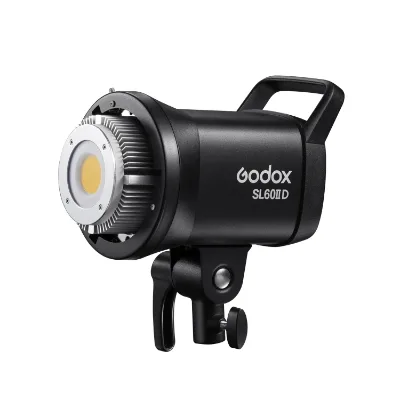
Godox SL60IID LED Studio Video Lights Godox Lighting Photography Equipment Kit
$74.58 - $85.86
MOQ: 10 Minimum

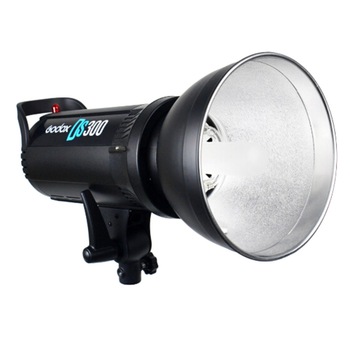
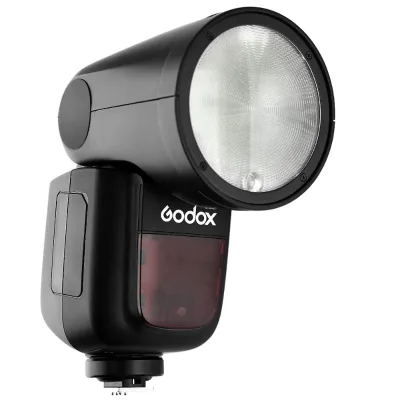
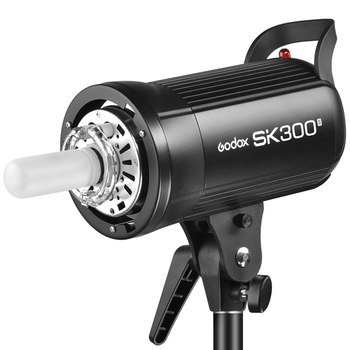
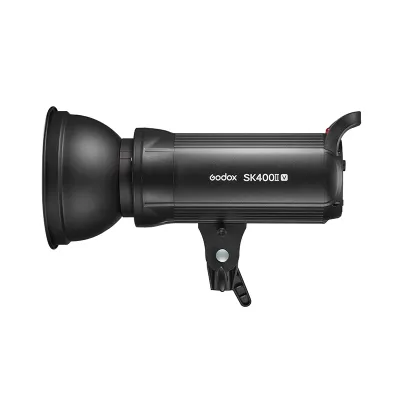
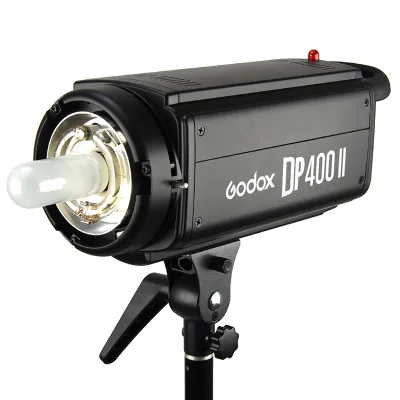
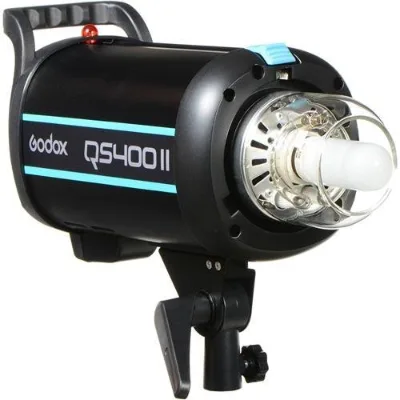
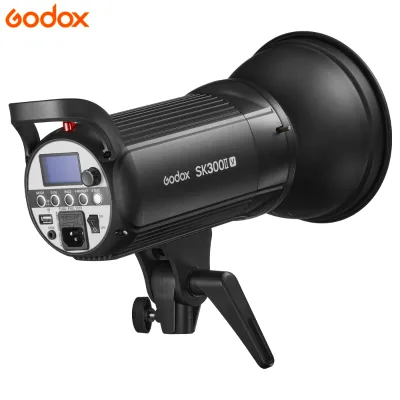
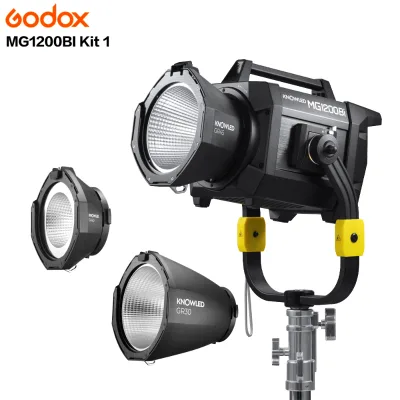
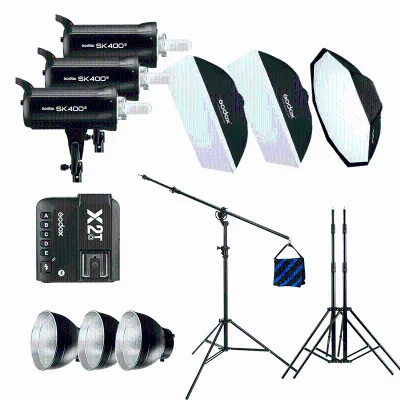

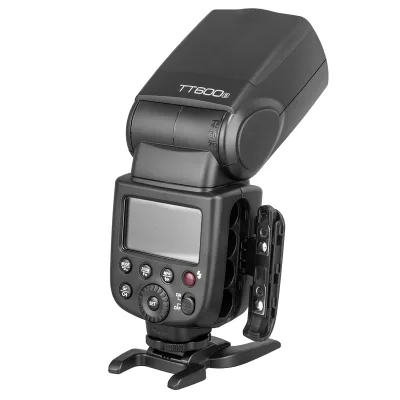
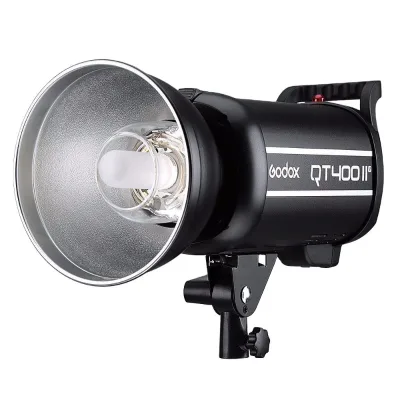
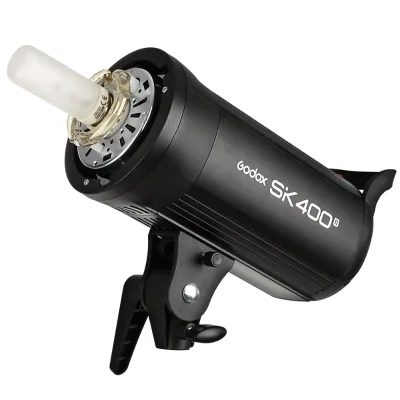
Comprehensive Sourcing Guide
Studio Godox Flash with 150W Modeling Lamp Sourcing Guide
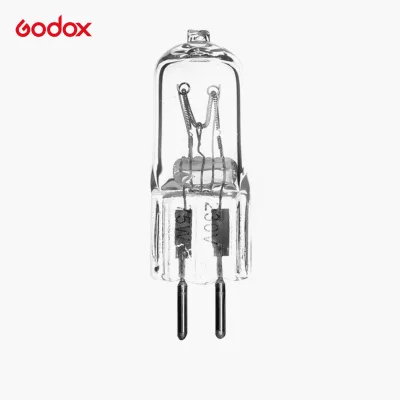
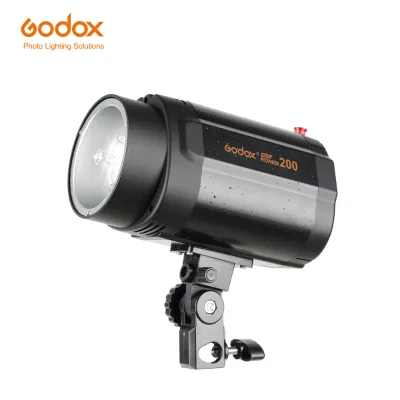
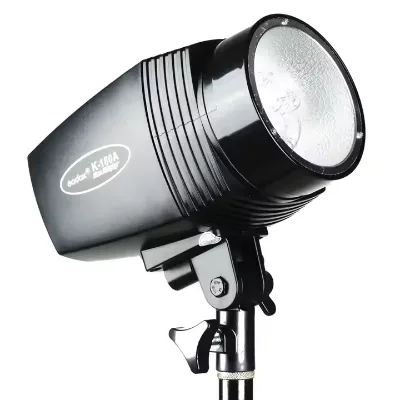
Procuring a studio flash unit with a 150W modeling lamp requires careful alignment between observed market listings and specific technical needs. While the supplied data confirms the existence of Godox studio flashes with varying power outputs, including 800Ws and 400W models, buyers must verify if a specific 150W configuration with a dedicated modeling lamp is currently available in the target inventory. The presence of portable and professional-grade units suggests a diverse range of options, but the exact wattage and lamp integration must be confirmed against the specific product listing to ensure it meets the intended lighting intensity for photography and video production.
Buyers should scrutinize the product attributes to distinguish between high-power studio strobes and lower-wattage continuous or hybrid units. The observed listings include models with power ratings ranging from 75Ws to 800Ws, indicating that a 150W unit may be a specific variant or a mislabeled entry in some catalogs. It is critical to verify the power supply requirements, as some units support AC 100-240V while others are listed with specific voltage ranges like AC100-120V. Ensuring the unit matches the local electrical infrastructure is a primary step before finalizing any procurement decision for a studio setup.
Product Scope and Observed Listing Signals
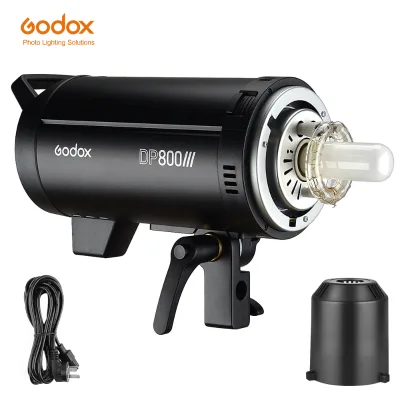
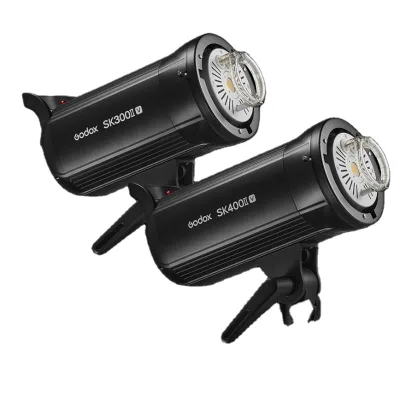
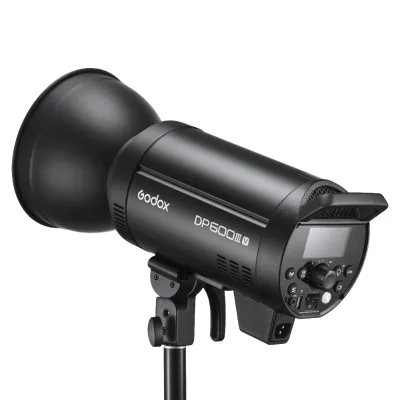
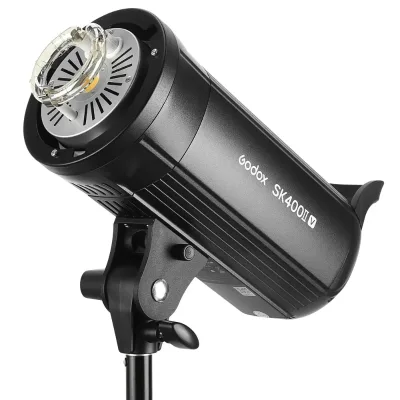
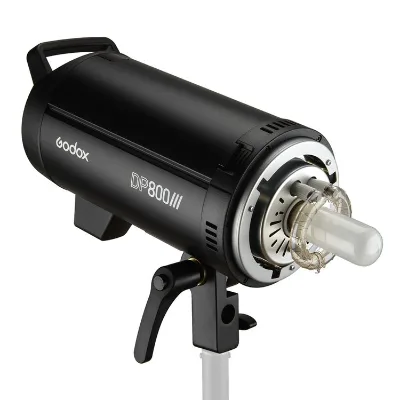
The current market signals indicate a mix of wireless and wired control systems, with some units featuring TTL capabilities and others relying on manual operation. The observed product data highlights a Godox DP800III with wireless remote control functions and a separate SK400IIV model with manual-wired control, suggesting that the 150W category may vary significantly in connectivity options. Buyers must determine if their workflow requires the flexibility of wireless triggering or if a wired connection suffices for their specific studio environment, as this distinction often dictates the final product selection.
Material composition and portability are also key differentiators among the available listings, with some units constructed from plastic and others designed for professional, heavy-duty use. The single package sizes vary widely, from compact 10x10x10 cm boxes to larger 55x35x40 cm packages, reflecting the physical footprint of the flash heads and their accessories. When searching for a 150W model with a modeling lamp, buyers should expect variations in gross weight and dimensions, which will impact shipping costs and storage requirements within the studio space.
Technical Specifications to Verify
Voltage compatibility is a critical technical specification that must be verified before purchase, as the supplied data shows units operating on both 100-120V and 200-240V systems. A 150W unit with a modeling lamp must be confirmed to handle the specific voltage of the buyer's region to prevent equipment failure or safety hazards. The recycling time, observed in listings as ranging from 0.1 to 1 second, is another vital metric that affects the speed of the shooting workflow, particularly in high-volume commercial photography scenarios where rapid flash repetition is necessary.
Color temperature consistency is essential for maintaining accurate white balance across a shoot, with observed data indicating a standard range of 5700K±200K for studio flashes. Buyers should verify that the 150W model maintains this color stability, especially when the modeling lamp is active, as continuous light sources can sometimes introduce color shifts. Additionally, the connector type, whether TTL or Hot Shoe, must be compatible with the camera system being used, ensuring seamless integration between the flash unit and the camera body for optimal performance.
Compliance and Safety Documentation
Safety compliance for electrical equipment in the lighting industry is paramount, though specific certification details for the 150W model are not explicitly detailed in the provided facts. Buyers should request documentation confirming that the unit meets international safety standards for electrical appliances, particularly regarding the modeling lamp which generates significant heat. The absence of explicit certification claims in the general data means that verification of local regulatory compliance, such as CE or UL marks, is a necessary step before importing or deploying the equipment in a professional studio.
Electrical safety also extends to the power supply unit and the internal wiring of the flash head, which must be robust enough to handle the continuous load of a modeling lamp. While the data mentions standard packing, it does not specify the inclusion of safety manuals or grounding instructions. Procurement teams should ensure that the supplier provides comprehensive user manuals that detail safe operating procedures, including cooling times and proper ventilation requirements to prevent overheating during extended use of the modeling lamp.
Cost Drivers and Commercial Terms
The cost of a studio flash unit is influenced by its power output, control features, and build quality, with observed prices ranging from under $1 to nearly $2500 depending on the specific model and configuration. A 150W unit with a modeling lamp may fall within a mid-range price bracket, but the final cost will depend on whether it includes additional accessories like softboxes or stands. Buyers should analyze the total cost of ownership, including potential shipping fees for heavier units with larger packaging dimensions, to avoid unexpected expenses that could inflate the initial purchase price.
Minimum Order Quantity (MOQ) and supply ability are significant commercial terms that affect procurement strategy, with observed MOQs ranging from 1 piece to 50 pieces. The supply ability of 2000 pieces per month suggests that the manufacturer can handle bulk orders, but buyers must confirm if the 150W model is a standard stock item or a custom order that might have different lead times. Understanding these terms helps in planning inventory levels and ensuring that the supply chain can meet the demand without causing delays in project timelines.
Supplier Qualification and Quality Control
Supplier qualification involves verifying the origin of the product, with the supplied data indicating that many units originate from Guangdong, China. Buyers should assess the supplier's manufacturing capabilities and quality control processes to ensure consistency in product performance, especially for units with complex features like modeling lamps and wireless controls. The presence of both private mold and non-private mold products suggests varying levels of customization, which can impact the reliability and uniqueness of the equipment supplied.
Quality control checks should focus on the physical durability of the unit, as the observed materials include plastic components that must withstand regular studio use. Buyers should request sample units to test the recycling time, color temperature stability, and the functionality of the modeling lamp before committing to a larger order. Establishing a clear communication channel with the supplier for addressing any defects or performance issues is essential for maintaining high standards in the final product delivered to the studio.
Long-Term Procurement Checks
Long-term procurement success relies on monitoring the consistency of product attributes over time, such as the recycling time and color temperature stability observed in initial listings. Buyers should establish a protocol for periodic quality audits to ensure that the 150W units continue to meet the specified performance standards as production batches change. This proactive approach helps in identifying any drift in product quality that could affect the consistency of lighting results in professional photography and video production environments.
Supply chain resilience is another critical factor, requiring buyers to maintain relationships with suppliers who can guarantee a steady flow of units with the required specifications. The observed supply ability of 2000 pieces per month provides a baseline, but buyers should verify the supplier's capacity to scale up production during peak demand periods. Developing a contingency plan for potential supply disruptions ensures that the studio operations remain uninterrupted, safeguarding the investment in high-quality lighting equipment.
FAQs
What is the power output of the Godox DP800III studio flash?
The Godox DP800III studio flash features a maximum power output of 800Ws. This high-capacity unit is designed for professional photography and video production needs. It offers a fast recycling time ranging from 0.1 to 1 second, ensuring efficient workflow during intensive shooting sessions. The device is constructed with durable plastic materials and supports wireless remote control functionality for versatile operation.
Can the Godox SK400IIV studio flash operate on different voltage supplies?
Yes, the Godox SK400IIV studio flash can operate on multiple voltage supplies. It supports AC100-120V at 60Hz or AC200-240V at 50Hz, making it adaptable for international use. This flexibility allows photographers to utilize the equipment in various regions without requiring additional converters. The unit is designed for manual-wired control and provides a stable light source for consistent photo and video shooting results.
Which Godox studio flash is suitable for portable and rechargeable applications?
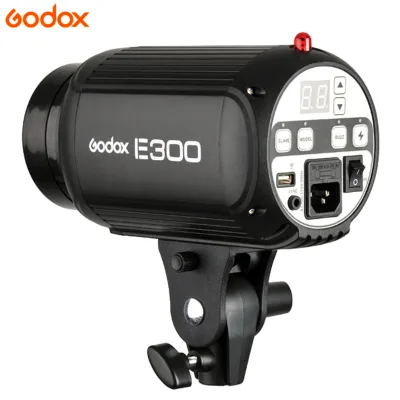
The Godox E300 studio flash is suitable for portable and rechargeable applications. It features a compact design with a single gross weight of 2.500 kg, making it easy to transport. The unit offers 300W power and is ideal for photography and video studio making. Its special features include portability and rechargeability, allowing for flexible lighting setups in various shooting environments without reliance on constant mains power.
What is the color temperature of the Godox studio flash lights?
The Godox studio flash lights typically emit a color temperature of 5700K±200K or 5600K±200K. This daylight-balanced output ensures accurate color reproduction for professional photography and video production. The consistent color temperature helps maintain visual integrity across different shots. These flashes are designed to provide a reliable light source, supporting high-quality image capture in studio and on-location settings with natural-looking illumination.
How much does a single Godox studio flash package weigh?
The weight of a single Godox studio flash package varies by model. The Godox DP800III has a single gross weight of 6.000 kg, while the SK400IIV weighs 4.000 kg. The E300 model has a single gross weight of 2.500 kg. These weights reflect the packaging and product dimensions, which range from 10X10X10 cm to 55X35X40 cm depending on the specific unit and its accessories.
What is the minimum order quantity for Godox studio flashes?
The minimum order quantity for Godox studio flashes is typically 1 piece. This low MOQ allows buyers to purchase single units for testing or small-scale projects. The selling unit is listed as a single item, providing flexibility for various procurement needs. Buyers can order specific models like the DP800III or SK400IIV with minimal initial commitment, facilitating easier evaluation of product performance before larger purchases.