Find Compare Source Subaru Forester Air Filter for Cabin Engine Oil
Source 30 verified listings for Subaru Forester Air Filter including cabin, engine, and oil filtration options. Buyers can compare OEM numbers, materials, and delivery times across multiple suppliers.
Key considerations
Products List
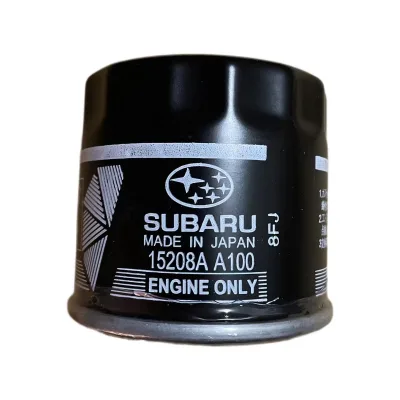
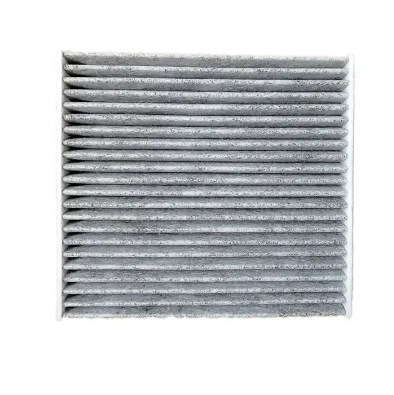
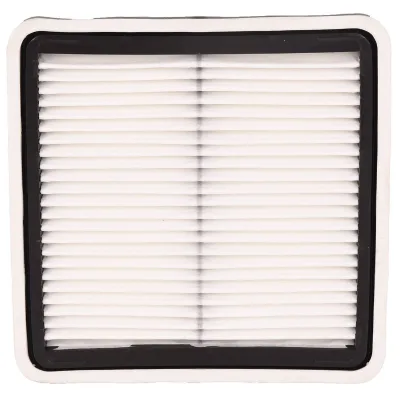
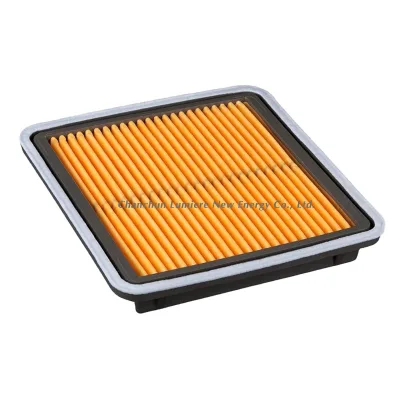
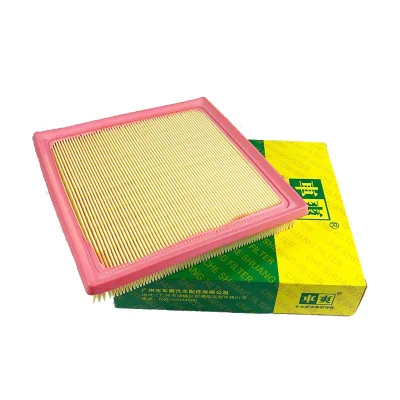
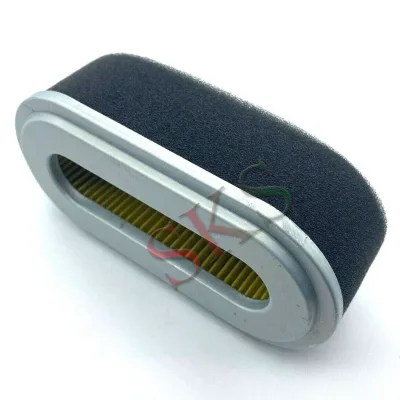
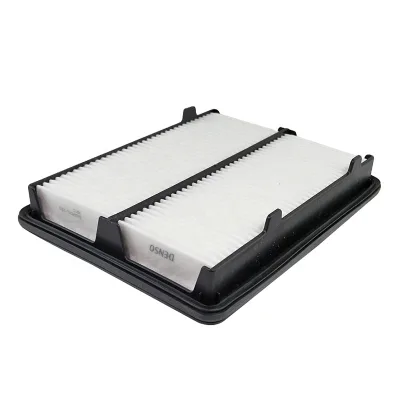


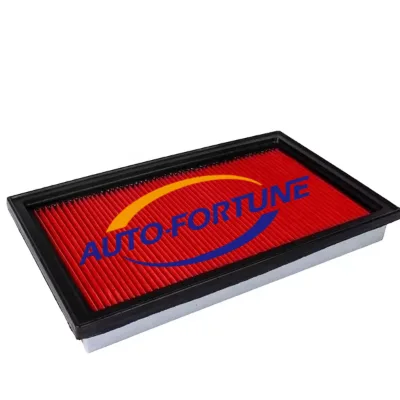


Comprehensive Sourcing Guide
Strategic Sourcing Guide for Subaru Forester Air Filter Components
Understanding Component Variants and Technical Specifications
When sourcing air filtration components for the Subaru Forester, buyers must first distinguish between the distinct functional categories observed in the market. The supply chain for this vehicle platform typically presents two primary filtration solutions: the cabin air filter designed for the air conditioning system and the engine air filter intended for the intake system. These are not interchangeable, and their technical specifications vary significantly based on the model year and specific application requirements.
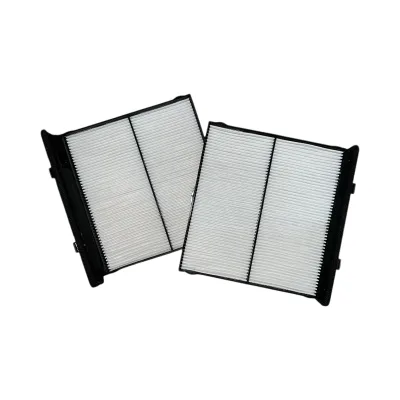
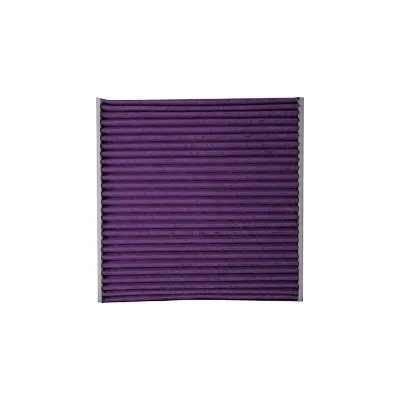
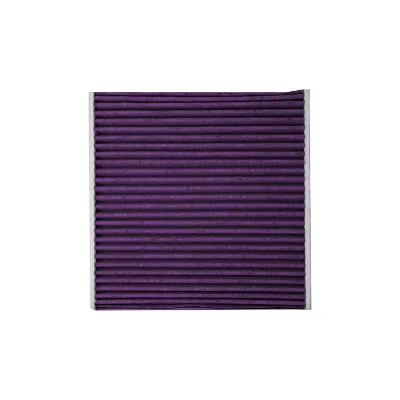
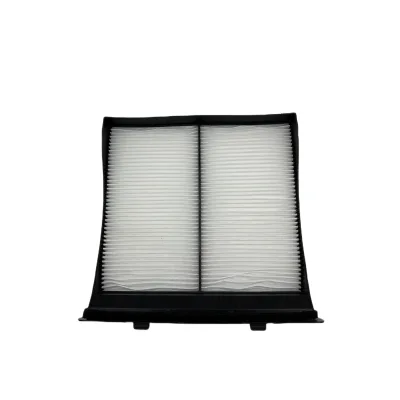
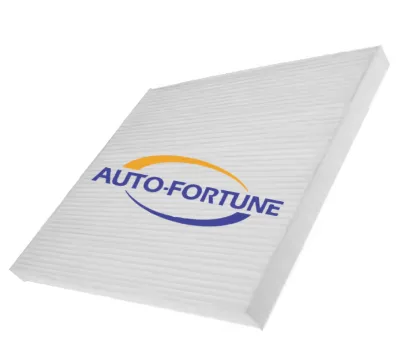
The cabin air filter, often referred to as an air cabin filter, is engineered to filter dust and particulate matter from the air entering the passenger compartment. The observed specifications for these units indicate a construction primarily utilizing non-woven fabric. This material choice is critical for trapping fine particulates while maintaining airflow resistance within acceptable limits for the vehicle's HVAC system. The physical dimensions for a typical cabin filter unit are recorded as 31 cm by 20 cm by 3 cm, with a single gross weight of approximately 1.5 kg. These units are frequently associated with OEM numbers such as 72880FL000 and 46012SG000, which are critical identifiers for compatibility with specific Subaru Forester generations, particularly the 2019-2021 models and the 2013-2015 iterations.
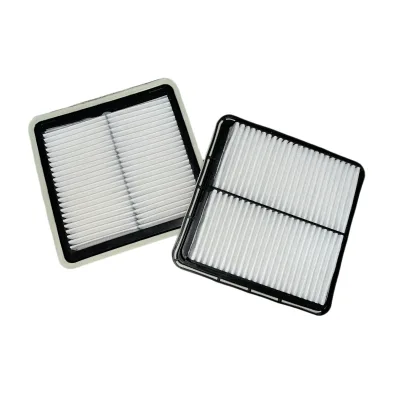
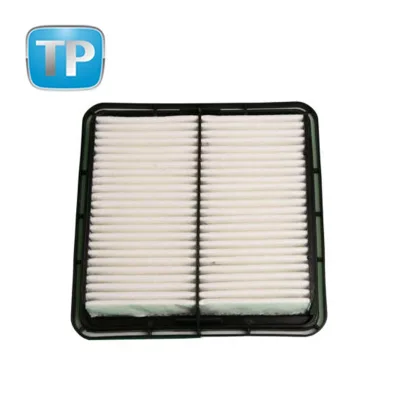
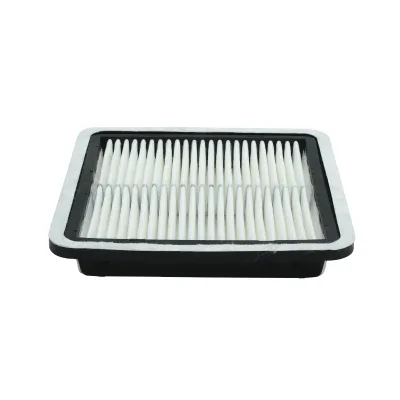
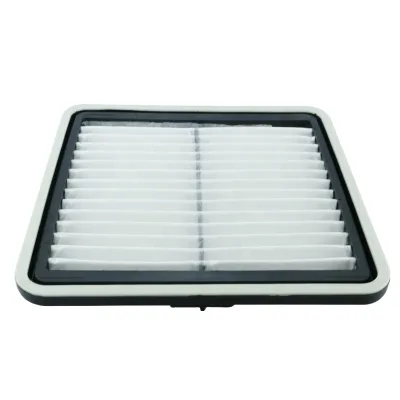
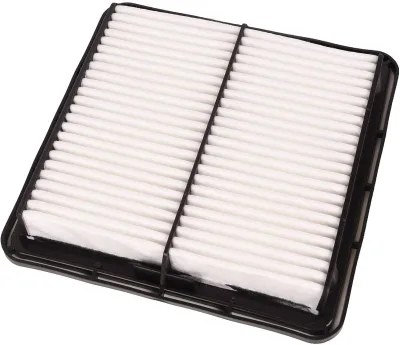
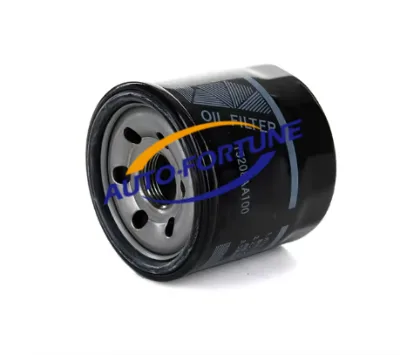
Conversely, the engine air filter serves the mechanical heart of the vehicle, ensuring that the combustion process receives clean air. The product data indicates that engine air filters for the Subaru Forester are often constructed from filter paper, a standard material for high-efficiency engine protection. These units are generally lighter, with a single gross weight observed at 0.150 kg, and have a more compact single package size of 25 cm by 23 cm by 2 cm. The application is explicitly defined as the car air engine system, and they are associated with OEM numbers like 16546AA090 and 15208AA160. Compatibility data suggests these filters are designed for a broad range of Subaru models including the Forester, Impreza, Legacy, and Outback, often corresponding to engine models such as the FB25, FB20, and FA20.
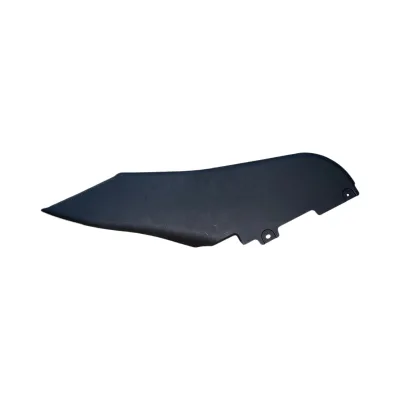
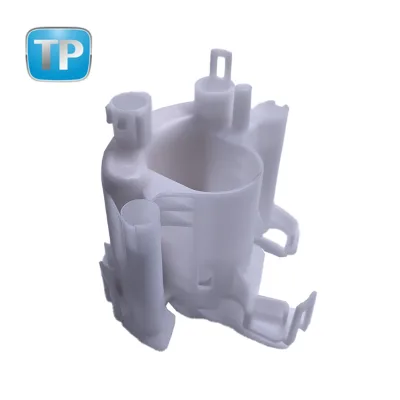
It is also necessary to note the presence of intake-related components, such as the air filter inlet, which may be constructed from plastic rather than fibrous materials. These parts, often black in color, serve as structural elements of the engine filtration system rather than the filtration medium itself. Their dimensions are larger, with a package size of 50 cm by 15 cm by 6 cm and a weight of 0.6 kg. Buyers must carefully review the product name and application field to ensure they are purchasing the filtration medium or the structural housing, as confusion between these components can lead to procurement errors.
Compatibility Mapping and Model Year Verification
The Subaru Forester has undergone several generational changes, and the air filtration components are not universally compatible across all years. Sourcing success relies heavily on matching the specific OEM number to the vehicle's production run. The observed data highlights a clear segmentation based on model years. For the 2019-2021 Subaru Forester XV, the cabin air filter is a distinct SKU with specific dimensions and OEM references. In contrast, the 2013-2015 Subaru Forester models utilize a different set of components, including specific air filter inlets and engine filters.
Buyers must verify the "Car Model" and "Car Make" fields in their supplier listings against their vehicle identification number (VIN) or registration details. The data indicates that some listings specify "For Subaru Forester 2013-2015" while others cover the broader range of "SUBARU Forester Impreza Legacy Outback." This overlap suggests that certain engine air filters may be cross-compatible across the Subaru lineup due to shared engine architectures, such as the FB and FA series engines. However, cabin filters are often more model-specific due to the unique design of the HVAC intake ports in different generations.
The following table summarizes the observed compatibility and specification differences for key components:
| Component Type | Primary Material | Key OEM Numbers | Compatible Model Years | Package Dimensions (cm) |
|---|---|---|---|---|
| Air Cabin Filter | Non-woven Fabric | 72880FL000, 46012SG000 | 2013-2015, 2019-2021 | 31 x 20 x 3 |
| Car Air Filter (Engine) | Filter Paper | 16546AA090, 15208AA160 | Forester, Impreza, Legacy, Outback | 25 x 23 x 2 |
| Air Filter Inlet | Plastic | N/A (Structural) | 2013-2015 | 50 x 15 x 6 |
This matrix serves as a preliminary guide, but buyers should always cross-reference the specific OEM number provided by the vehicle manufacturer's service manual. Relying solely on the model year without verifying the OEM number can result in the purchase of a filter that does not fit the housing or seal correctly, compromising the filtration efficiency.
Cost Drivers and Minimum Order Quantity Analysis
The pricing structure for Subaru Forester air filters is influenced by material composition, packaging, and the volume of the order. The observed market data shows a price range from 0.6 USD to 19.7 USD. This wide variance is likely driven by the distinction between basic filter paper elements and more complex assemblies or those with premium non-woven fabrics. The cabin air filter, being a larger unit with a higher gross weight (1.5 kg), generally commands a higher price point compared to the lighter engine air filter (0.150 kg).
Minimum Order Quantity (MOQ) is a significant factor in the total cost of ownership for procurement teams. The data indicates an MOQ range from 1 piece to 500 pieces. Some listings offer an MOQ of just 10 pieces for engine filters, making them accessible for small repair shops or individual replacements. However, other listings, particularly for cabin filters, may require an MOQ of 50 pieces. This discrepancy suggests that suppliers may have different production lines or inventory strategies for different component types.
Buyers should be aware that the "Selling Units" are often listed as "Single item," which implies that the MOQ applies to the purchase of individual units rather than a pre-packaged box. When negotiating with suppliers, understanding the MOQ is crucial for inventory management. Ordering exactly at the MOQ minimizes storage costs but may limit the ability to negotiate volume discounts. Conversely, ordering significantly above the MOQ, such as approaching the 500-piece upper limit, may unlock better unit pricing but increases capital tied up in stock. The observed lead time of 3-7 days is consistent across most listings, suggesting a mature supply chain that can accommodate both urgent and planned procurement needs without significant delays.
Supplier Evaluation and Operational Reliability
Evaluating a supplier for automotive filtration components requires a focus on reliability, logistics, and service quality. The origin of the products is consistently listed as China, which is a major manufacturing hub for automotive parts. While this location offers competitive pricing, buyers must verify the supplier's ability to maintain consistent quality control standards. The "Quality" attribute is frequently described as "High-Quality," but this is a subjective claim. Buyers should request evidence of quality assurance processes, such as ISO certifications or internal testing protocols, rather than relying solely on the product description.
Logistics capabilities are another critical evaluation metric. The data indicates multiple shipping methods are available, including Air, Ship, Truck, and Express Delivery. The "Delivery time" is consistently cited as 3-7 days, which is a strong indicator of efficient order processing. However, buyers must confirm if this timeframe applies to the production lead time or the transit time after dispatch. The "Packing" method is described as "Neutral Carton Packing" or "Neutral Package," which is standard for B2B transactions where branding is not required. This neutral packaging helps reduce costs but requires the buyer to ensure that the packaging is robust enough to prevent damage during transit, especially for the larger cabin filters.
Service quality is highlighted in the product attributes as "Professional Service." In the context of B2B procurement, this often implies the supplier's willingness to provide technical support, handle returns, and manage warranty claims. The warranty period is observed to be 1 year or 12 months across various listings. This standard warranty period provides a baseline for buyer protection, but the terms of the warranty—such as whether it covers manufacturing defects only or includes shipping damages—must be clarified before placing an order.
Quality Control and Compliance Verification
Ensuring the quality of air filters is paramount for the longevity of the Subaru Forester's engine and the health of its passengers. The materials used, such as non-woven fabric for cabin filters and filter paper for engine filters, must meet specific performance standards. Buyers should verify that the filter paper has the correct micron rating to trap dust without restricting airflow, which could lead to engine performance issues. Similarly, the non-woven fabric in cabin filters must effectively capture allergens and particulates.
Compliance and certification checks are essential steps in the procurement process. While the provided data does not list specific certification bodies, buyers should request documentation proving that the products meet relevant automotive standards. This may include testing reports for dust holding capacity, airflow resistance, and material durability. The "Condition" of the products is listed as "New," which is a basic requirement, but buyers should also inspect the physical condition of the samples received to ensure there are no manufacturing defects such as torn pleats or improper sealing.
The "Filter Type" is explicitly stated as "Air Filter Parts," which confirms the functional category. However, buyers should ensure that the specific part number matches the original equipment manufacturer (OEM) specifications exactly. Even minor deviations in the pleat density or frame material can affect the fit and function. For the air filter inlet, the plastic material must be resistant to heat and vibration, as it is located in the engine bay. Buyers should verify that the plastic used is of a grade suitable for automotive under-hood applications.
Long-Term Procurement and Inventory Management
Sourcing air filters for the Subaru Forester is not a one-time transaction but an ongoing requirement for vehicle maintenance. The "Warranty" of 1 year or 12 months provides a safety net, but long-term procurement strategies should focus on building a reliable supply chain that ensures consistent availability. Given the "Delivery time" of 3-7 days, buyers can maintain a lean inventory strategy, ordering just-in-time to reduce holding costs. However, for fleets or high-volume repair shops, maintaining a buffer stock of critical components like the cabin filter and engine air filter is advisable to prevent vehicle downtime.
The "Single gross weight" and "Single package size" data are vital for logistics planning. The cabin filter, weighing 1.5 kg and measuring 31x20x3 cm, occupies more space and adds more weight to shipments compared to the engine filter. When calculating shipping costs, buyers should factor in these dimensions to optimize container loading and reduce freight expenses. The "Neutral Carton Packing" is generally cost-effective, but buyers should consider if additional protective packaging is needed for international shipping to prevent compression damage.
Finally, the "Selling Units" being listed as "Single item" allows for flexible ordering. Buyers can start with small orders to test the quality and fit of the components before committing to larger volumes. This flexibility is particularly useful when dealing with new suppliers or when testing alternative parts for cost reduction. By carefully monitoring the "MOQ" and "Delivery time" trends, procurement teams can adjust their ordering cycles to align with vehicle maintenance schedules, ensuring that the Subaru Forester fleet remains operational and efficient. The consistent "High-Quality" claim across listings suggests a competitive market, but the ultimate validation of quality must come from rigorous testing and performance monitoring in the field.
FAQs
What materials are used for Subaru Forester cabin filters?
Cabin filters for the Subaru Forester are primarily constructed from non-woven fabric to effectively filter dust. This material choice ensures high filtration efficiency while maintaining proper airflow for the air conditioning system.
Which OEM numbers identify compatible air filters for this vehicle?
Compatible filters are identified by OEM numbers such as 72880FL000, 46012SG000, 16546AA090, and 15208AA160. These specific codes ensure the correct fit for various model years including 2013-2015 and 2019-2021.
How long does delivery typically take for these air filter parts?
The standard delivery time for these air filter parts is between 3 to 7 days. This consistent lead time applies to both cabin and engine filtration components sourced from the supplier.
Can I order a single unit of the Subaru Forester Air Filter?
Yes, you can order single items as the selling unit is listed as a single item. However, minimum order quantities vary by product, ranging from 10 pieces for engine filters to 50 pieces for cabin filters.
What is the warranty period for the supplied air filters?
The warranty period for the supplied air filters is one year or 12 months. This coverage applies to the product condition and ensures protection against manufacturing defects for the specified duration.
Which models are compatible with the Subaru Forester engine air filter?
The engine air filter is compatible with the Subaru Forester, Impreza, Legacy, and Outback models. It is specifically designed for engines such as the FB25, FB20, and FA20 series found in these vehicles.