Source Sugar Free Calcium Soft Capsules for Health, Weight, and Beauty
Find 30 verified suppliers offering Sugar Free Calcium Soft Capsules designed for adults. Buyers can compare features like low-fat content, organic options, and customization capabilities to select the right dietary supplement for blood pressure management, weight loss, or cosmetic benefits.
Key considerations
Products List


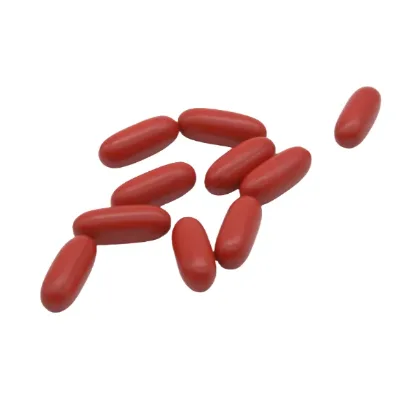


GMP Low-Fat Vitamins OEM Service Calcium Tablets and Calcium Soft Capsules
$2.00 - $2.50
MOQ: 100 Piece(s)


Comprehensive Sourcing Guide
Strategic Sourcing Guide for Sugar-Free Calcium Soft Capsules
Understanding Product Specifications and Formulation Variability
When sourcing sugar-free calcium soft capsules, buyers must first navigate the complex landscape of technical specifications that define the final product. The core keyword implies a specific dietary need, yet the underlying manufacturing parameters can vary significantly between suppliers. Based on observed market data, the product type is consistently categorized as a capsule, specifically often appearing as hard capsules or softgels depending on the gelatin formulation. The shape of the capsule is a critical differentiator, with common observations including oblong, round, or fully OEM-customized geometries. This flexibility allows procurement teams to align the physical form factor with brand identity or consumer preference.
The material composition is another paramount specification. The supply chain frequently utilizes either animal gelatin or vegetable gelatin, offering a pathway for both traditional and vegan-conscious markets. The flexibility of the capsule shell is generally described as "hard," which is a standard attribute for this delivery format. A crucial technical parameter for soft capsules is the disintegration time, which dictates how quickly the product releases its active ingredients in the stomach. Observed data indicates a wide range of performance, with some specifications noting a disintegration time of less than 10 minutes, while others list up to 30 minutes. Buyers must verify which standard applies to their specific order, as this impacts the perceived efficacy and absorption rate of the calcium supplement.
Furthermore, the fill weight is rarely a fixed standard across all listings; instead, it is often listed as "as your request." This indicates a high degree of customization capability in the manufacturing process. The standard packaging sizes observed include 60 capsules per bottle, though the overall packaging can range from bottles to cartons or blister packs. The viscosity of the gelatin material is another technical metric, with some specifications noting a viscosity of more than 60 mm²/S, which influences the molding process and the structural integrity of the final capsule. Understanding these granular specifications is the first step in ensuring the product meets the functional requirements of the target market.
Compliance, Certification, and Regulatory Standards
Navigating the regulatory landscape is essential for any B2B procurement of dietary supplements. The supply chain for sugar-free calcium soft capsules is characterized by a diverse array of certifications, which serve as proxies for quality management and safety. High-confidence data points to the presence of GMP (Good Manufacturing Practice) and ISO certifications as baseline requirements for reputable suppliers. These certifications indicate that the facility adheres to strict hygiene and production control standards. Additionally, specific market access certifications such as HACCP (Hazard Analysis and Critical Control Points) and QS (Quality Safety) are frequently observed, suggesting a robust approach to food safety management.
For buyers targeting specific international markets, the presence of JAS (Japanese Agricultural Standard) certification is a notable observation. This suggests that some suppliers are equipped to meet the rigorous import requirements of the Japanese market, which often demands higher purity and traceability standards. The product standard itself varies; while some listings reference specific capsule size standards like 0#, 00#, 1#, 2#, and 3#, others state that standards are "as per the formulas." This distinction is critical. A buyer must clarify whether the supplier follows a fixed industry standard for capsule sizing or if the standard is determined by the specific formulation requested.
The regulatory status of the product is further defined by its classification as a "Dietary Supplement" or "Food." This classification dictates the labeling requirements and the permissible health claims that can be made. The product is generally noted as suitable for adults, with a specific exclusion for newborns, which is a vital safety parameter. The shelf life is another compliance-related attribute, with observed ranges spanning from 2 years to 30 months. Buyers must ensure that the stated shelf life aligns with the logistics timeline of their distribution channels to prevent inventory expiration. Verifying that the supplier's certifications are current and applicable to the specific production batch is a non-negotiable step in the compliance verification process.
Cost Drivers and Pricing Structure Analysis
The pricing structure for sugar-free calcium soft capsules is influenced by a multitude of variables, resulting in a wide observed price range from 0 to 6500 USD. This broad spectrum indicates that the "price" is not a simple unit cost but likely reflects the total value of a customized order, including tooling, formulation development, and packaging design. The Minimum Order Quantity (MOQ) is a primary cost driver, with observed ranges extending from 1 unit to 1,000,000 units. This flexibility allows for both pilot testing and large-scale commercial production, but it significantly impacts the unit economics.
Customization is a major factor in cost determination. The availability of logo printing, both with and without, adds a layer of complexity to the production process. Suppliers offering "With Logo Printing" services typically charge a premium for the setup and execution of branding on the capsule shell or packaging. Similarly, the choice of packaging material—whether carton, bottle, or blister—directly affects the final cost. The "OEM" (Original Equipment Manufacturer) nature of the product implies that the buyer is paying for the intellectual property and formulation rights, which can drive up the initial investment.
The raw material composition also plays a role in cost. The choice between animal gelatin and vegetable gelatin can create price disparities, as plant-based alternatives often command a higher market rate. Additionally, the inclusion of specific features such as "Organic," "Low-Fat," or "Sugar-Free" may require more expensive sourcing of ingredients or more stringent quality control measures. The "Fill Weight" being "as your request" means that the cost per unit will fluctuate based on the dosage strength required. Buyers should anticipate that higher fill weights or more complex formulations will result in higher per-unit costs. Understanding these drivers helps in budgeting for the total cost of ownership rather than just the sticker price.
Typical Applications and Functional Attributes
The functional profile of sugar-free calcium soft capsules extends beyond simple mineral supplementation, often integrating multiple health benefits to appeal to a broader consumer base. The primary function observed is "Lowering Blood Pressure," which positions the product as a cardiovascular support supplement. However, the market data also highlights additional functions such as "Cosmetology" and "Reduce Weight," suggesting a multi-faceted approach to health and wellness. This versatility allows buyers to target diverse demographics, from those seeking weight management solutions to those focused on skin health and blood pressure regulation.
The product features are equally diverse, with common attributes including "Vitamins," "Low-Fat," "Sugar-Free," and "Organic." The "Sugar-Free" aspect is particularly critical for the target demographic of health-conscious consumers and those managing diabetes. The presence of "Glucose" in some feature lists may seem contradictory but likely refers to the natural glucose content in the gelatin or a specific formulation variant that does not add refined sugars. The "Effect" of the product is described as "Antioxidant" and "Brain Booster," indicating a focus on cognitive health and cellular protection. These claims, while observed in the product descriptions, require careful validation against local regulatory frameworks to ensure they are permissible in the target market.
The target audience is clearly defined as "Adults" with a "Unisex" gender specification. The product is explicitly noted as "Not Applicable" for newborns, reinforcing the need for age-appropriate marketing and labeling. The "Disintegration Time" of 30 minutes in the stomach is a functional attribute that ensures the capsule remains intact long enough to reach the stomach before releasing its contents, which is crucial for the absorption of calcium and other active ingredients. The "Storage Note" of "Moisture Proof" and "Cool and Dry Place" is essential for maintaining the integrity of the soft capsule shell, which can degrade in humid environments. These functional attributes collectively define the product's value proposition in the competitive dietary supplement market.
Supplier Evaluation and Quality Control Protocols
Evaluating suppliers for sugar-free calcium soft capsules requires a rigorous assessment of their capabilities and quality control systems. The origin of the products is predominantly listed as "China," which is a major manufacturing hub for dietary supplements. Buyers should verify the specific location and facility standards of the supplier to ensure they meet international expectations. The "Characteristic" of the product is often described as "Rich in Varieties" and "Good Finishing," which are qualitative indicators of the supplier's production maturity. However, these terms should be substantiated with physical samples and third-party testing reports.
Quality control is paramount, especially given the variability in specifications like disintegration time and viscosity. Buyers should request detailed test results for parameters such as "Sulphite (%)," which is observed to be less than 0.01 in some listings. This low sulphite level is critical for consumers with sensitivities. The "Flexibility" of the capsule, described as "Hard," must be consistent across batches to ensure uniform packaging and consumer experience. The "Color" of the product is often customizable, but the supplier must demonstrate the ability to maintain color consistency and stability over the product's shelf life.
The "Shelf Life" of 2 to 30 months is a significant variable that depends on the formulation and packaging. Buyers must verify the stability data that supports these claims. The "Storage" requirement of "Cleaning and Dry" or "Cool and Dry Place" must be clearly communicated to the supplier to ensure proper handling during transit. The "MOQ" of 36 months mentioned in the data seems to be a data entry error or a specific contractual term, as it conflicts with the typical shelf life; buyers should clarify this to avoid confusion in order planning. Ultimately, a supplier's ability to provide consistent, high-quality products that meet the specific technical and functional requirements is the key criterion for selection.
Long-Term Procurement and Supply Chain Considerations
Sourcing sugar-free calcium soft capsules is not merely a transactional activity but a strategic partnership that requires long-term planning. The "Customization" availability is a significant advantage, allowing buyers to adapt the product to changing market trends and consumer preferences. However, this flexibility comes with the responsibility of managing the supply chain effectively. The "Packing" options, ranging from cartons to bottles, must be aligned with the logistics capabilities of the buyer's distribution network. The "Logo Printing" capability, whether with or without, offers branding opportunities that can enhance market presence but requires careful coordination with the supplier's production schedule.
The "Product Type" being "Food" and "Dietary Supplement" implies that the supply chain must adhere to food safety regulations. The "Standard" of the product, whether fixed or formula-based, must be maintained consistently over time. Buyers should establish clear communication channels with suppliers to ensure that any changes in raw materials or manufacturing processes are communicated and validated. The "Feature" of being "Organic" or "Sugar-Free" may require specific sourcing of ingredients, which can introduce supply chain vulnerabilities. Buyers should assess the supplier's ability to secure these materials consistently.
Finally, the "Lead Time" and "Location" of the supplier are critical factors in long-term planning. While specific lead times are not provided in the data, the "Origin" being China suggests that international shipping and customs clearance will be part of the procurement process. Buyers should factor in potential delays and plan their inventory accordingly. The "Selling Units" being "Single Item" indicates that the supplier is flexible with order sizes, which can be beneficial for testing new markets. However, for large-scale operations, buyers should negotiate volume-based pricing and delivery schedules to ensure a steady supply. By focusing on these long-term considerations, buyers can build a resilient and efficient supply chain for sugar-free calcium soft capsules.
FAQs
What certifications do Sugar Free Calcium Soft Capsules suppliers hold?
Suppliers typically hold GMP, ISO, and HACCP certifications. Some also provide JAS and QS certifications for specific market access. These standards ensure strict hygiene and production control during manufacturing.
Can I customize the shape and gelatin type for these capsules?
Yes, customization is available for shapes like oblong, round, or OEM designs. You can choose between animal gelatin or vegetable gelatin based on your dietary requirements and brand identity needs.
What is the typical shelf life for these dietary supplements?
The shelf life ranges from 2 years to 30 months depending on the formulation. Proper storage in a cool and dry place is required to maintain product integrity and prevent moisture damage.
How does the disintegration time affect capsule performance?
Disintegration time varies from less than 10 minutes to 30 minutes in the stomach. This parameter dictates how quickly the active ingredients release for absorption and impacts the perceived efficacy of the supplement.
What packaging options are available for bulk orders?
Packaging options include cartons, bottles, and blister packs. You can request specific configurations such as 60 capsules per bottle, and logo printing is available with or without branding customization.
Which features make these capsules suitable for health-conscious buyers?
Key features include being sugar-free, low-fat, and organic. They often contain vitamins and offer functions like lowering blood pressure, reducing weight, or acting as an antioxidant and brain booster.