Source Modern Sunroom Structures for Gardens, Patios, and Villas
Compare 30 available Sunroom options featuring double glazed low-E tempered glass and aluminum alloy frames. These modern structures offer noise reduction, high light transmittance, and total project solutions for outdoor garden, patio, and villa applications.
Key considerations
Products List
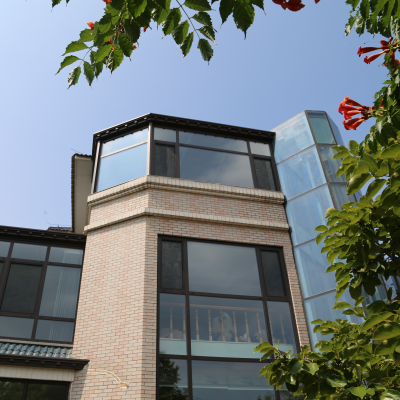

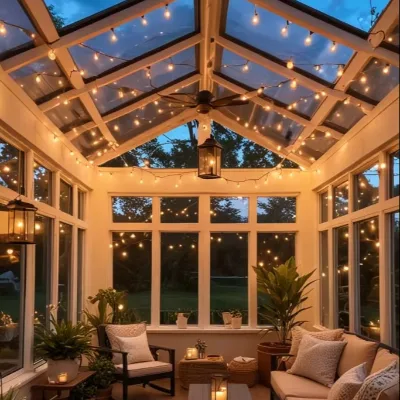


The Modern Aluminum-Framed Sunroom for Outdoor Use Offers Customization Options.
$110.00 - $150.00
MOQ: 1 Square Meters

Outdoor Leisure Relaxation Space Use Easy Installation Design Aluminum Sunroom
$99.00 - $139.00
MOQ: 1 Square Meters


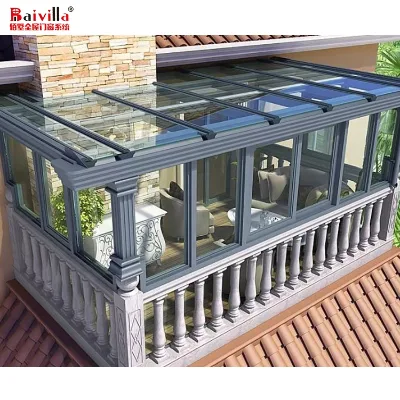

Custom Design Outdoor Aluminum Four Seasons Low-E Glass Sunroom
$100.00 - $150.00
MOQ: 49 Square Meters

Balcony Collapsible Aluminum High-Quality Modern Design Sunroom
$100.00 - $150.00
MOQ: 49 Square Meters

Modern Home Aluminum Glass Extension Bright and Airy Studio Sunroom
$100.00 - $150.00
MOQ: 49 Square Meters

High-Performance Garden House Aluminum Glass Climate Control Sunroom
$100.00 - $150.00
MOQ: 49 Square Meters


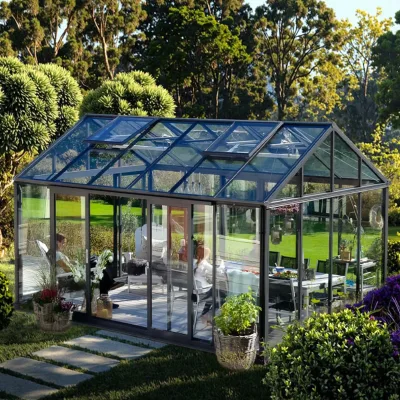
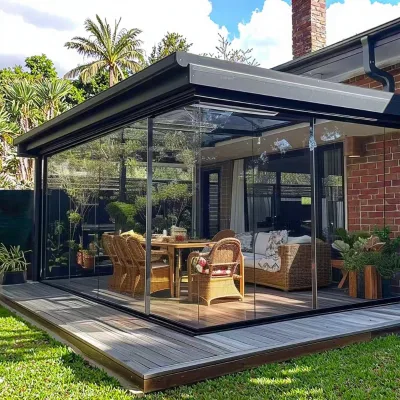
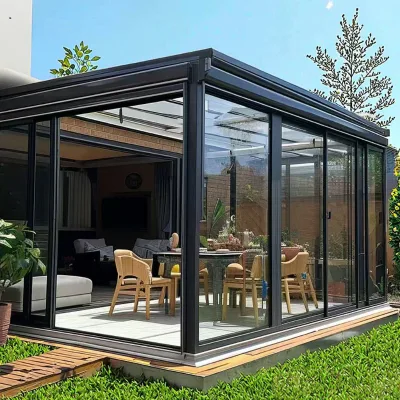
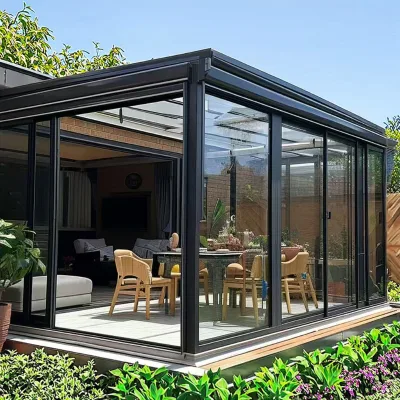
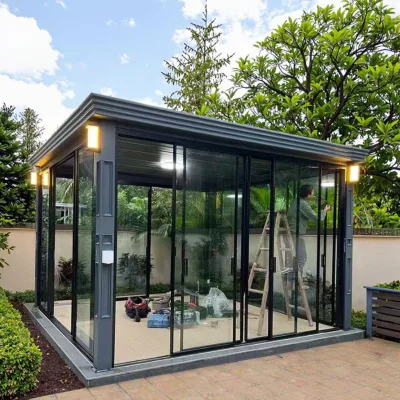
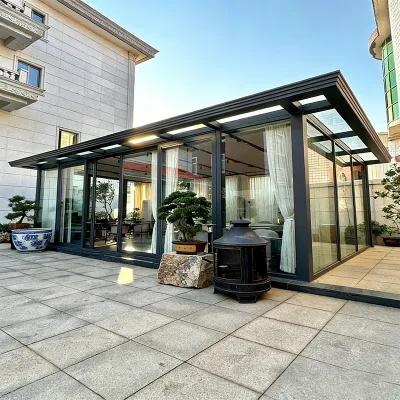
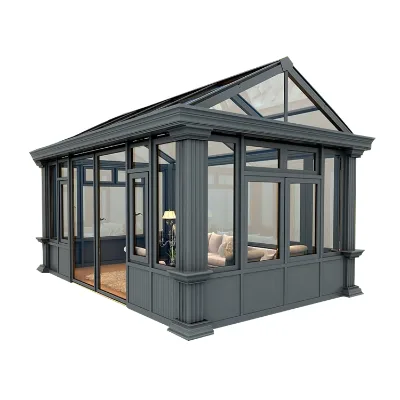

Convenient Aluminum Glass Sunroom with Light Quality High Strength Sun Room
$785.00 - $795.00
MOQ: 10 Square Meters


Contemporary Courtyard Sunroom for Modern Outdoor Living Experience
$95.00 - $150.00
MOQ: 5 Square Meters


Comprehensive Sourcing Guide
Sunroom Sourcing Guide
Sourcing a Sunroom requires a careful balance between aesthetic integration and structural performance, particularly when dealing with modular or prefabricated units. The market offers a variety of designs, ranging from modern simple structures to creative roof configurations, often utilizing aluminum alloy frames and tempered glass panels. Buyers must navigate a landscape where product attributes vary significantly between suppliers, with some offering total project solutions and others providing basic component kits. Understanding the specific material compositions, such as thermal break aluminum or double glazed low-E glass, is essential for ensuring the final installation meets both energy efficiency and durability expectations.
The procurement process is further complicated by the diversity of application scenarios, from residential gardens and patios to commercial spaces like hotels, villas, and office buildings. Suppliers often highlight features such as noise reduction, high light transmittance, and eco-friendly materials, but these claims must be verified against actual product specifications. Additionally, the availability of customization options and after-sale services, including online technical support and warranty terms, plays a critical role in long-term satisfaction. Buyers should prioritize suppliers who provide comprehensive project solutions, including 3D model design, to ensure seamless integration into existing architectural frameworks.
Product Scope and Observed Listing Signals
The current market for sunrooms presents a wide range of product types, primarily categorized under modern and simple design styles. Observed listings indicate a strong preference for aluminum alloy structures, with frame materials often specified as thermal break aluminum to enhance insulation properties. Glass components are frequently described as double tempered, double glazed, or low-E tempered glass, which suggests a focus on safety and energy efficiency. These materials are chosen for their ability to withstand environmental stressors while maintaining high light transmittance, making them suitable for both residential and commercial applications.
Color options for these structures typically include dark grey, black, brown, and creamy white, allowing for flexibility in matching various architectural themes. Some suppliers offer full-color customization, catering to specific branding or aesthetic requirements for commercial venues such as malls, supermarkets, and sports venues. The usage scenarios extend beyond traditional gardens and sunrooms to include courtyards, farmhouses, parks, and even industrial settings like warehouses and workshops. This versatility indicates that sunrooms are increasingly being viewed as multi-functional spaces that can serve as storage, leisure areas, or additional living space.
Technical Specifications to Verify
When evaluating technical specifications, buyers should focus on the structural integrity and material thickness of the aluminum frames. Observed data suggests that aluminum material thickness can vary, with some products specifying 2.2mm thickness, which is a critical factor for stability and wind resistance. The glass type is another crucial element, with low-E tempered glass being a common feature for its ability to reflect heat while allowing natural light to enter. Buyers must verify whether the glass is single or double glazed, as this directly impacts thermal insulation and soundproofing capabilities, which are often cited as key features in product descriptions.
Surface treatment processes, such as anodizing, power coating, or wooden finishes, are essential for protecting the aluminum structure from corrosion and weathering. These treatments not only enhance the aesthetic appeal but also extend the lifespan of the Sunroom, particularly in outdoor environments. Additionally, the hardware used in the construction, such as hinges and locks, should be of high quality, with some suppliers specifying German brand hardware as a mark of reliability. Buyers should also inquire about the specific aluminum alloy models, such as 6005-T5 or 6063, as these determine the mechanical properties and suitability for different structural loads.
Compliance and Safety Documentation
Compliance with safety standards is paramount when sourcing sunrooms, especially for commercial applications where public safety is a concern. Buyers should request documentation that verifies the glass meets impact resistance standards, such as those indicated by SGS certification. While specific test results may not always be publicly listed, suppliers should be able to provide certificates of conformity for the materials used, including the aluminum alloy and glass components. This documentation ensures that the products meet local building codes and safety regulations, reducing the risk of liability for the buyer.
In addition to material certifications, buyers should verify the warranty terms offered by the supplier. A warranty of more than five years is a common indicator of confidence in product durability, but the specific coverage details must be clearly understood. This includes what components are covered, the duration of coverage, and the process for claiming warranty services. Suppliers offering online technical support and return and replacement policies provide an additional layer of security, ensuring that any issues can be addressed promptly without significant downtime or cost.
Cost Drivers and Commercial Terms
The cost of sunrooms is influenced by several factors, including the complexity of the design, the quality of materials, and the level of customization required. Observed price ranges vary significantly, reflecting differences in product specifications and supplier positioning. Buyers should be aware that lower prices may correspond to basic models with standard features, while higher prices may include advanced options such as thermal break aluminum, double glazed low-E glass, and comprehensive project solutions. Understanding these cost drivers helps buyers make informed decisions based on their budget and performance requirements.
Commercial terms, such as minimum order quantities (MOQ) and lead times, also play a crucial role in the procurement process. MOQs can range from single items to larger batches, depending on the supplier's production capacity and business model. Lead times, typically ranging from 15 to 20 days, should be factored into project planning to avoid delays. Buyers should also consider the packaging standards, with export-standard cartons being common for protecting the components during transit. Clear communication regarding these terms helps prevent misunderstandings and ensures a smooth transaction process.
Supplier Qualification and Quality Control
Supplier qualification is a critical step in the sourcing process, requiring a thorough assessment of their production capabilities and quality control measures. Buyers should verify the supplier's monthly production capacity, which can range from hundreds to thousands of tons, indicating their ability to handle large orders. Additionally, the place of origin, such as Shandong or Guangdong in China, can provide insights into the supplier's industrial ecosystem and expertise. Suppliers with a strong track record in providing total project solutions, including 3D model design, are often better equipped to handle complex installations and ensure structural integrity.
Quality control measures should be rigorously evaluated, with a focus on the consistency of materials and the precision of manufacturing processes. Buyers should request samples or visit the factory if possible to inspect the surface treatment, frame assembly, and glass installation. Suppliers who adhere to strict quality standards, such as those indicated by SGS certification, are more likely to deliver products that meet or exceed expectations. Additionally, the availability of customization options allows buyers to tailor the Sunroom to their specific needs, but this requires close collaboration with the supplier to ensure that all specifications are accurately implemented.
Long-Term Procurement Checks
Long-term procurement success depends on establishing a reliable supply chain and maintaining strong relationships with suppliers. Buyers should conduct regular performance reviews to assess the quality of delivered products, the responsiveness of after-sale services, and the accuracy of lead times. Suppliers who offer comprehensive support, including online technical assistance and warranty services, are valuable partners for ongoing projects. Building a relationship with a supplier who can provide consistent quality and reliable service reduces the risk of disruptions and ensures that future orders are fulfilled efficiently.
Furthermore, buyers should stay informed about industry trends and technological advancements in Sunroom construction. This includes monitoring developments in materials, such as new aluminum alloys or glass technologies, that may offer improved performance or cost savings. By maintaining a proactive approach to supplier management and staying updated on market changes, buyers can optimize their procurement strategies and achieve better value for their investments. Regular communication with suppliers and feedback loops help identify areas for improvement and foster a collaborative environment that benefits both parties.
FAQs
What materials are used for the Sunroom frame and glass?
The frame is constructed from aluminum alloy with thermal break technology, while the glass is double tempered double glazed low-e. This combination ensures structural durability and high light transmittance for various applications like gardens and sunrooms.
Can I get a total solution for my Sunroom project?
Yes, the supplier offers a total solution for projects including 3D model design services. This capability supports comprehensive planning for residential, commercial, or industrial applications such as villas, hotels, and office buildings.
What is the warranty period for the Sunroom structure?
The product comes with a warranty lasting more than five years. This coverage applies to the aluminum structure and glass components, ensuring long-term reliability for outdoor garden and patio installations.
How long is the lead time for production and delivery?
The standard lead time ranges from 15 to 20 days after order confirmation. This timeline applies to the monthly production capability of 4000 tons, ensuring timely delivery for various project sizes.
Which colors are available for the Sunroom customization?
Available colors include dark grey, black, brown, creamy white, and full color options. Customization is available to match specific design styles such as modern simple or creative roof sunrooms for different architectural needs.
What after-sale services are provided for the Sunroom?
Services include online technical support, return and replacement options, and other assistance. These support systems ensure that buyers receive help with installation, maintenance, or any technical issues arising after the purchase.