Source Super High Shoe Heel for Sandals, Office, and Fashion
Compare 30 listings for Super High Shoe Heel options suitable for sandals, office wear, and fashion designs. Buyers can evaluate features like slip resistance, heat resistance, and customization availability from verified suppliers; compare the available evidence and request quotations based on your requirements.
Updated
Key considerations
Products List


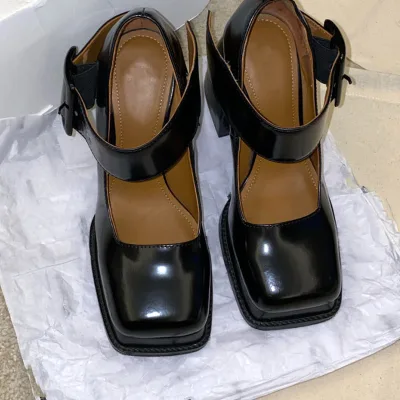
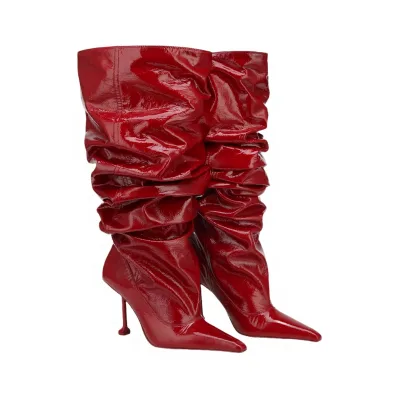
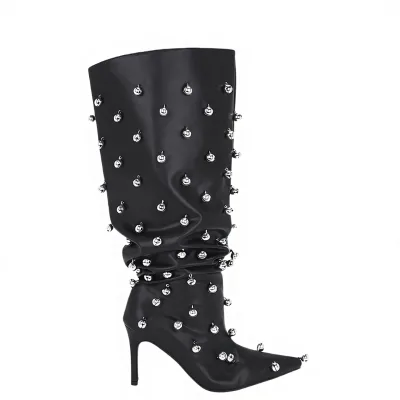
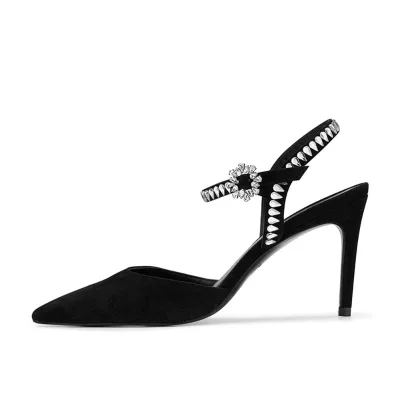
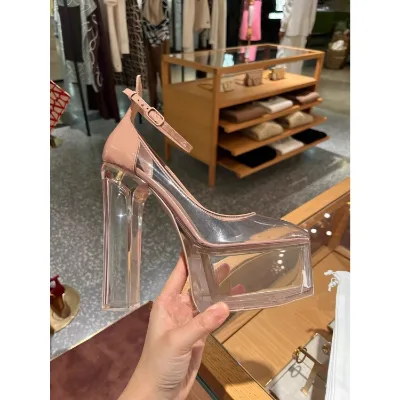
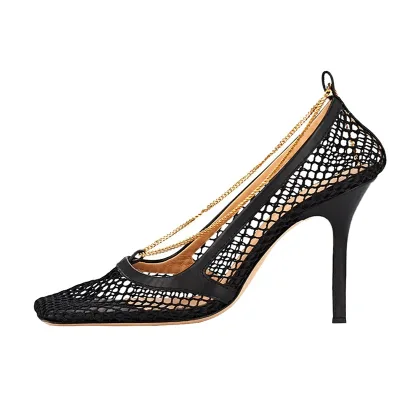
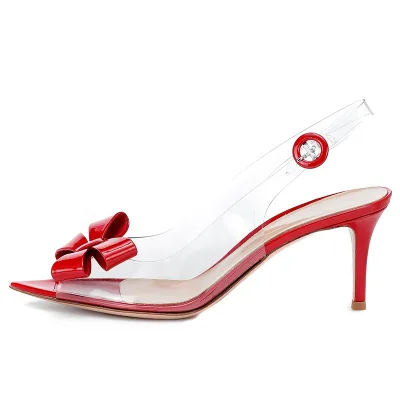

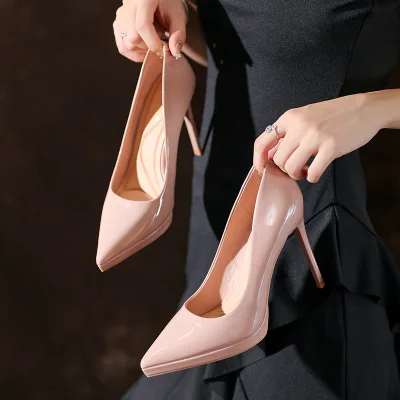
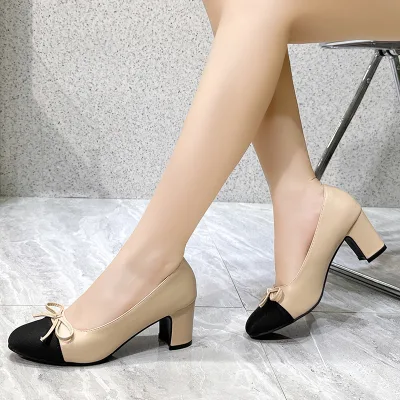
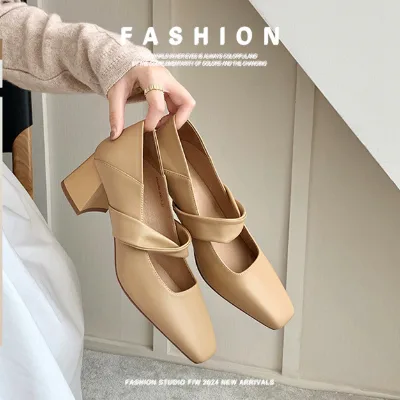
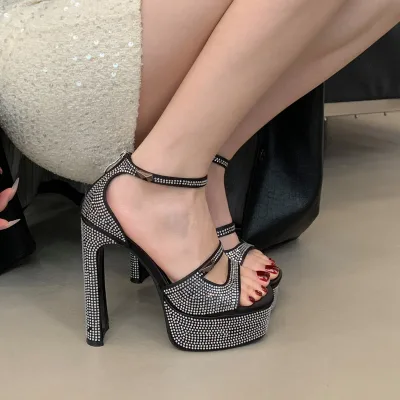


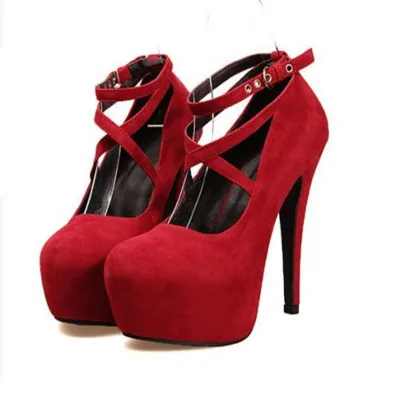
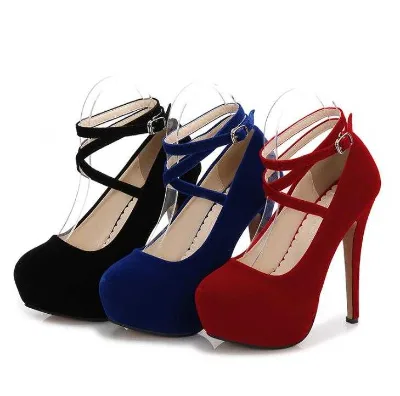
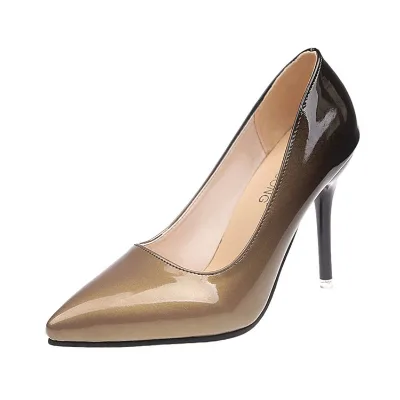


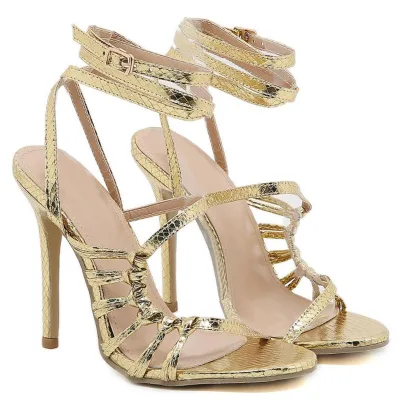
Comprehensive Sourcing Guide
Super High Shoe Heel Sourcing Guide
Sourcing super high shoe heels requires a nuanced understanding of both aesthetic demands and structural integrity, as these items sit at the intersection of fashion statement and functional footwear component. Buyers must navigate a market where design flexibility is paramount, with many suppliers offering extensive customization options to meet specific brand identities. The observed product landscape indicates a strong emphasis on OEM and ODM capabilities, allowing purchasers to tailor heel shapes, materials, and finishes to their unique collection needs. This level of personalization is critical for brands seeking to differentiate their offerings in a competitive retail environment, ensuring that the final product aligns perfectly with seasonal trends and target demographic preferences.
However, the complexity of sourcing these components extends beyond mere aesthetics, involving rigorous attention to material properties and ergonomic considerations. The available data highlights a variety of materials, including plastic, rubber, and PU, each offering distinct advantages in terms of durability, weight, and cost. Buyers must carefully evaluate these material choices against the intended use case, whether for office wear, sandals, or general fashion applications. Understanding the specific attributes of each material, such as heat resistance or slip resistance, is essential for ensuring that the final footwear product meets both safety standards and consumer expectations for comfort and longevity.
Product Scope and Observed Listing Signals
The current market for super high shoe heels presents a diverse array of options, with observed price points ranging from $1 to $74.85 USD, reflecting significant variation in quality, material composition, and brand positioning. Minimum order quantities (MOQs) typically span from 1 to 500 pairs per color, offering flexibility for both small boutique orders and large-scale manufacturing runs. This wide range in MOQs allows buyers to test market response with smaller batches before committing to larger production volumes, thereby mitigating inventory risk. The presence of both unisex and gender-specific designs, including women’s stiletto heels and unisex options, indicates a broad applicability across different consumer segments and style preferences.
Observed product attributes reveal a strong focus on specific design elements and functional features that appeal to modern consumers. Common characteristics include stiletto heel shapes, ultra-high heel heights exceeding 8cm, and round toe designs, which contribute to the overall aesthetic and wearability of the footwear. Additionally, features such as slip resistance and heat resistance are highlighted as key advantages, suggesting that manufacturers are increasingly prioritizing safety and comfort alongside style. The availability of various colors, including pink, green, and black, along with fashion elements like rivets and Roman-inspired designs, further underscores the emphasis on visual appeal and trend alignment in the current product landscape.
Technical Specifications to Verify
When evaluating super high shoe heels, buyers must meticulously verify technical specifications to ensure compatibility with their existing footwear designs and manufacturing processes. Key parameters to confirm include heel height, which can range from standard 10cm options to ultra-high designs around 15cm, as well as size ranges that typically span from 34 to 45. It is crucial to validate the exact dimensions and proportions of the heels, as even minor deviations can impact the fit and balance of the final shoe. Additionally, verifying the closure type, such as slip-on designs, and upper coverage, which is often not above the ankle, helps ensure that the heels integrate seamlessly with the intended shoe style and provide the desired level of support and stability.
Material specifications are equally critical, with options ranging from plastic and rubber to PU uppers and EVA soles, each offering distinct performance characteristics. Buyers should request detailed material data sheets to understand properties such as flexibility, durability, and weight, which directly influence the comfort and longevity of the footwear. Furthermore, verifying the packing specifications, which may include caron, plastic bags, sacks, or polybags, is essential for logistics planning and cost estimation. Ensuring that the packaging protects the heels from damage during transit while minimizing volume is a key consideration for maintaining product quality and reducing shipping expenses.
Compliance and Safety Documentation
Ensuring compliance with relevant safety and quality standards is a fundamental aspect of sourcing super high shoe heels, particularly given the potential risks associated with ultra-high heel designs. Buyers should request documentation that verifies the heels meet applicable safety regulations, such as those related to slip resistance and structural integrity, to minimize the risk of accidents and injuries. While specific certification statuses may vary by supplier and region, it is advisable to inquire about any third-party testing or quality assurance processes that have been implemented to validate the product’s performance and safety. This due diligence helps protect the brand from potential liability issues and ensures that the final product meets consumer expectations for safety and reliability.
In addition to safety compliance, buyers should also consider environmental and ethical standards that may be relevant to their brand values and target market. Although specific environmental certifications are not explicitly detailed in the observed data, it is prudent to ask suppliers about their manufacturing practices and any initiatives they have undertaken to reduce environmental impact. This may include the use of sustainable materials, energy-efficient production processes, or waste reduction strategies. By prioritizing suppliers who demonstrate a commitment to ethical and sustainable practices, buyers can enhance their brand reputation and appeal to increasingly conscious consumers who value responsible sourcing and production.
Cost Drivers and Commercial Terms
The cost of super high shoe heels is influenced by a variety of factors, including material selection, design complexity, and order volume. Materials such as plastic and rubber offer different cost structures, with plastic often being more economical but potentially less durable than rubber or PU options. Design elements, such as intricate rivet details or custom color matching, can also impact pricing, as they may require additional labor and specialized equipment. Buyers should negotiate clear pricing terms that account for these variables, ensuring that they receive accurate quotes that reflect the true cost of production. Additionally, understanding the impact of MOQs on pricing is crucial, as larger orders may qualify for volume discounts, reducing the per-unit cost significantly.
Commercial terms, including payment methods, lead times, and shipping arrangements, also play a significant role in the overall cost and efficiency of the sourcing process. Buyers should establish clear agreements on payment terms, such as deposits and balance payments, to manage cash flow and mitigate financial risk. Lead times can vary depending on the complexity of the order and the supplier’s production capacity, so it is essential to confirm realistic delivery schedules to avoid delays in product launches. Furthermore, negotiating favorable shipping terms, such as FOB or CIF, can help control logistics costs and ensure that the products arrive at the destination in good condition and on time.
Supplier Qualification and Quality Control
Selecting the right supplier for super high shoe heels requires a thorough evaluation of their capabilities, reputation, and quality control processes. Buyers should assess the supplier’s experience in manufacturing heels, their ability to handle OEM and ODM requests, and their track record of delivering consistent quality. It is advisable to request samples to evaluate the craftsmanship, material quality, and overall finish of the product before committing to a larger order. Additionally, verifying the supplier’s production facilities and quality assurance systems can provide insight into their ability to maintain high standards throughout the manufacturing process. Suppliers with robust quality control measures are more likely to deliver products that meet the buyer’s specifications and expectations.
Implementing a rigorous quality control process is essential to ensure that the super high shoe heels meet the required standards before shipment. Buyers should define clear quality criteria, including dimensions, material properties, and aesthetic details, and communicate these expectations to the supplier. Conducting pre-shipment inspections or hiring third-party inspection services can help identify and address any defects or discrepancies before the products leave the factory. Furthermore, establishing a feedback loop with the supplier to address any quality issues and implement corrective actions is crucial for continuous improvement and maintaining long-term partnerships. By prioritizing quality control, buyers can minimize the risk of receiving substandard products and protect their brand reputation.
Long-Term Procurement Checks
Building a sustainable and resilient supply chain for super high shoe heels involves ongoing monitoring and evaluation of supplier performance and market trends. Buyers should regularly review supplier metrics, such as on-time delivery rates, defect rates, and responsiveness to issues, to identify areas for improvement and ensure consistent performance. Establishing key performance indicators (KPIs) and conducting periodic supplier audits can help maintain high standards and drive continuous improvement. Additionally, staying informed about industry trends, material innovations, and regulatory changes is essential for adapting to evolving market demands and maintaining a competitive edge. By proactively managing these factors, buyers can mitigate risks and capitalize on new opportunities in the sourcing landscape.
Long-term procurement strategies should also focus on fostering strong relationships with suppliers based on mutual trust, transparency, and collaboration. Open communication channels and regular business reviews can help align expectations, address concerns, and explore opportunities for innovation and cost savings. Buyers should consider diversifying their supplier base to reduce dependency on single sources and enhance supply chain resilience. Furthermore, investing in supplier development programs, such as training and capacity building, can help improve supplier capabilities and strengthen the overall supply chain. By adopting a strategic and collaborative approach to procurement, buyers can build a robust and adaptable supply chain that supports their long-term business goals.
FAQs
Can I customize super high shoe heels with specific designs?
Yes, customization is available for these products. Buyers can request OEM or ODM services to tailor the fashion and nice design elements. The supplier welcomes custom requests to meet specific aesthetic requirements. This allows for unique styling options while maintaining the high quality and safety standards expected in the market.
What is the minimum order quantity for these heels?
The minimum order quantity is 500 pairs per color. This standard MOQ applies to the high-quality plastic and rubber materials used. Buyers should consider this volume when planning their inventory. The requirement ensures efficient production runs while allowing for color variations in the final shipment of super high shoe heels.
What materials are used in these super high shoe heels?
These heels are constructed from high-quality plastic and rubber materials. Some variants feature PU uppers and EVA sole materials for comfort. The design includes stiletto heels with a heel height of about 15cm. These materials ensure durability and slip resistance for adult female users seeking stylish and safe footwear options.
Where are these super high shoe heels manufactured?
These products originate from China, specifically from the Fujian region. The manufacturing process adheres to high-quality standards for plastic and rubber components. Buyers can expect consistent production from this location. The origin ensures access to established supply chains for fashion-oriented footwear with specific design elements like rivets or Rome styles.
What packaging options are available for these heels?
Packaging options include bags, polybags, sacks, and plastic bags. Some items are packed in cartons for bulk shipping. The standard packing size is approximately 33 by 25 by 10 cm. These methods protect the high-quality plastic and rubber materials during transit. Buyers can choose packaging that best suits their logistics and storage requirements.
Are these super high shoe heels suitable for office wear?
Yes, these heels are suitable for office environments. They feature a stiletto shape with a round toe and slip-on closure. The design includes fashion elements like rivets or Rome styles. The high-quality construction ensures safety and slip resistance. These attributes make them appropriate for professional settings while maintaining a stylish appearance for adult female users.