Source Sustainable Outdoor Cladding for Curtain Walls and Interiors
Find 30 verified options for Sustainable Outdoor Cladding including aluminum composite panels and wood plastic composite. Buyers can compare fire ratings, coatings, and customization features for curtain walls, exterior facades, and advertising displays.
Key considerations
Products List


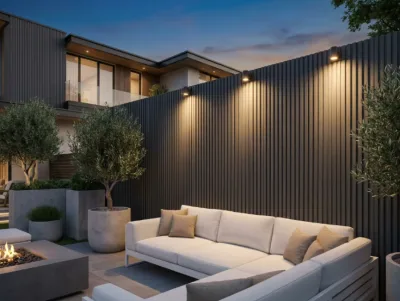
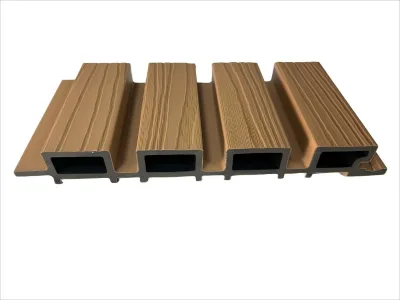


Comprehensive Sourcing Guide
Strategic Sourcing Guide for Sustainable Outdoor Cladding
Procuring Sustainable Outdoor Cladding requires a rigorous approach that balances environmental stewardship with structural performance and regulatory compliance. The global market for exterior building envelopes has shifted significantly toward materials that offer durability, aesthetic versatility, and reduced carbon footprints. For buyers, the primary challenge lies in navigating a complex landscape of material types, from aluminum composites to wood-plastic composites (WPC), while ensuring that every claim of sustainability is backed by verifiable data. This guide outlines the critical technical, compliance, and operational factors necessary for making informed procurement decisions in this sector.
Technical Specifications and Material Composition
The foundation of any successful cladding project lies in understanding the specific material composition and physical specifications. In the current market, two distinct material categories dominate the Sustainable Outdoor Cladding space: aluminum-based systems and wood-plastic composites.
Aluminum alloy cladding often utilizes grades such as AA1100, AA3003, and AA5005. These materials are frequently processed with surface finishing techniques like coating, specifically using PE (Polyethylene) or PVDF (Polyvinylidene Fluoride) coatings. These coatings are essential for weather resistance and color retention. The core structure of these panels can vary, with options for broken core or unbroken core configurations, which directly impacts the thermal and acoustic insulation properties. Standard dimensions for these panels typically include lengths of 2440mm, 3000mm, 5000mm, and 5800mm, with widths ranging from 1220mm to a maximum of 2000mm.
Conversely, Wood Plastic Composite (WPC) cladding offers a renewable alternative. These materials are often composed of a blend of wood fibers and plastic types, such as PE. The surface treatment for WPC products frequently includes sanded, brushed, or wood grain textures to mimic natural timber. A critical specification for WPC is the thickness, which can range from 26mm to other custom dimensions, and the length, which is often customizable to fit specific project requirements. The core of WPC products may be classified as B1 Fire-Proof or A2 Fire-Proof, a distinction that is vital for compliance with building codes in various jurisdictions.
When evaluating technical specifications, buyers must verify the "Grade" of the material, particularly for composite products where formaldehyde emission levels (such as E0) are a key indicator of indoor air quality safety, even for exterior applications that may have interior connections. The edge finish is another technical detail; products are often described as having "clean edges," which simplifies installation and improves the final aesthetic.
Compliance and Certification Verification
In the realm of sustainable construction, certifications are not merely marketing badges but are essential proof of compliance with international safety and environmental standards. Buyers must demand documentation that aligns with the specific requirements of their target market.
For aluminum and composite panels, the presence of CE, ASTM, ISO, and Green Leaf certifications is a strong indicator of quality and regulatory adherence. These certifications ensure that the product meets specific European and American standards for safety and performance. Additionally, the FSC (Forest Stewardship Council) certification is a critical benchmark for sustainable sourcing, particularly for WPC products that claim to use renewable sources. The presence of an FSC certificate implies that the wood fibers used in the composite are sourced from responsibly managed forests.
Beyond general certifications, specific test reports from independent third-party laboratories such as Intertek and SGS provide objective validation of product claims. These reports should be scrutinized for data regarding fire resistance, specifically the refractory temperature, which for many sustainable cladding products is noted to be below 1000 degrees. This data is crucial for determining the suitability of the material for high-risk zones or specific building types.
Buyers should also verify the "Environmental Standard" of the product. While some products claim to be eco-friendly and renewable, the specific standard against which this is measured must be clear. For instance, a product might be labeled as "Eco Friendly" and "Renewable Sources," but the buyer must ensure these claims are supported by the relevant FSC or ISO 14001 environmental management certifications. The "Feature" list often includes attributes like "Waterproof," "Rot Proof," and "Thermal Insulation," but these should be cross-referenced with the test reports to confirm the actual performance metrics.
Cost Drivers and Pricing Dynamics
Understanding the cost structure of Sustainable Outdoor Cladding is essential for budgeting and value analysis. The price of these materials is influenced by several factors, including the raw material grade, the complexity of the surface finishing, and the level of customization required.
The observed price range in the market for these products varies significantly, typically falling between $0.56 and $25.80 per unit or square meter, depending on the specific configuration. This wide range reflects the diversity in material quality, from basic aluminum sheets to high-end PVDF-coated panels or premium WPC with complex wood grain textures.
The Minimum Order Quantity (MOQ) is another significant cost driver. Suppliers often set MOQs ranging from 2 units to 5000 units, with specific product lines like WPC cladding requiring a minimum of 200 square meters. For smaller projects, the per-unit cost may be higher due to the inability to leverage economies of scale. Conversely, large-scale commercial projects can negotiate better rates by meeting higher volume thresholds.
Customization is a major factor in pricing. While many suppliers offer "Available" customization for dimensions and finishes, the lead time and setup costs associated with custom orders can impact the overall budget. Standard sizes, such as 1220x2440mm or 1500x3000mm, are generally more cost-effective than bespoke dimensions. Additionally, the choice of accessories, such as screws, joists, clips, and skirting, adds to the total cost of the project. Buyers should ensure that the cost of these accessories is included in the initial quotation to avoid budget overruns.
Typical Applications and Functional Requirements
Sustainable Outdoor Cladding is designed for a wide array of applications, each with unique functional requirements. The versatility of these materials allows them to be used in curtain walls, external walls, advertising structures, and interior spaces, although the primary focus for sustainable products is often on exterior durability.
For curtain walls and external walls, the material must withstand harsh environmental conditions, including UV exposure, rain, and temperature fluctuations. The "Waterproof" and "Rot Proof" features are non-negotiable for these applications. The "Anti-Bacterial" and "Anti-static" properties are also beneficial for maintaining hygiene and reducing dust accumulation on building facades.
In advertising applications, the aesthetic appeal and ease of assembly are paramount. The "Easily Assembled" feature of these cladding systems allows for rapid installation, which is critical for time-sensitive advertising campaigns. The "Texture" and "Wood Grain" finishes provide a high-end look that can enhance the visual impact of the structure.
For interior applications, the focus shifts to air quality and fire safety. The "B1 Fire-Proof" and "A2 Fire-Proof" ratings are essential to ensure compliance with interior building codes. The "E0" grade for formaldehyde emissions is particularly important for interior spaces where air quality is a health priority. The "Limited 10 Years" guarantee often cited for these products provides a baseline for expected performance, though buyers should verify the specific terms of the warranty for their application.
Supplier Evaluation and Geographic Considerations
Selecting the right supplier is as critical as selecting the right material. Buyers should evaluate suppliers based on their origin, production capabilities, and track record. In the current market, significant production hubs for these materials are located in regions such as Shandong, Linyi, and Anhui, China. These locations are known for their manufacturing expertise in aluminum alloys and WPC products.
When evaluating a supplier, buyers should look for evidence of consistent quality control. The availability of samples within 2-7 days is a positive indicator of a responsive supply chain. Furthermore, the supplier's ability to provide detailed test reports from recognized bodies like Intertek and SGS is a strong signal of transparency and quality assurance.
The packaging method is another aspect of supplier evaluation. Products are typically shipped in export wooden crates, wooden frames, or pallet packages with PE film protection. The "Customized Package" option allows for specific logistical needs, but buyers should ensure that the packaging is robust enough to prevent damage during transit.
Quality Control and Long-Term Procurement Considerations
Quality control is an ongoing process that extends beyond the initial purchase. Buyers should implement a rigorous inspection protocol upon delivery, checking for defects in the surface finish, edge quality, and dimensional accuracy. The "Clean Edged" and "Irregular" shape attributes should be verified against the order specifications to ensure they meet the project's aesthetic and functional requirements.
Long-term procurement considerations include the availability of replacement parts and the consistency of the product line. The "Customized" nature of many orders means that future expansions or repairs may require the same specific configuration. Buyers should establish a relationship with suppliers who can guarantee the continuity of their product lines.
The "Guarantee" period, often cited as a limited 10 years, should be clearly understood in terms of what is covered. This includes protection against structural failures, color fading, and other performance issues. However, buyers should also consider the "Refractory Temperature" and other performance limits to ensure the product remains suitable for the specific environmental conditions of the project site.
Final Procurement Strategy
In conclusion, sourcing Sustainable Outdoor Cladding requires a meticulous approach that integrates technical knowledge, compliance verification, and strategic supplier selection. By focusing on the specific material grades, certification standards, and functional requirements, buyers can ensure that their projects meet the highest standards of sustainability and performance. The wide range of available options, from aluminum composites to WPC, offers flexibility for various applications, but the key to success lies in rigorous due diligence and clear communication with suppliers.
Buyers should prioritize transparency in pricing, MOQ, and lead times, while ensuring that all claims of sustainability and performance are backed by third-party testing. By adhering to these principles, organizations can secure high-quality cladding solutions that not only enhance the aesthetic appeal of their buildings but also contribute to a more sustainable built environment. The journey from specification to installation is complex, but with the right guidance and attention to detail, it can be navigated successfully to achieve optimal results.
FAQs
What certifications do Sustainable Outdoor Cladding products typically hold?
Products typically hold CE, ASTM, ISO, and Green Leaf certifications. Some WPC variants also carry FSC certificates to verify sustainable wood sourcing. Buyers should request test reports from Intertek or SGS to validate fire ratings like B1 or A2.
Which materials are used for Sustainable Outdoor Cladding systems?
Common materials include aluminum alloys like AA1100 and AA3003, as well as Wood Plastic Composite. Aluminum panels often feature PE or PVDF coatings, while WPC blends wood fibers with PE plastic for a renewable alternative with wood grain textures.
How can I verify the fire resistance of cladding materials?
Verify fire resistance by checking for B1 or A2 fire-proof core classifications. Buyers should review refractory temperature data, which is often below 1000 degrees, and demand third-party test reports from agencies like SGS to confirm compliance with safety standards.
What are the standard dimensions for aluminum cladding panels?
Standard lengths include 2440mm, 3000mm, 5000mm, and 5800mm, with widths up to 2000mm. Custom dimensions are available, but standard sizes like 1220x2440mm are generally more cost-effective and easier to source from manufacturers in Shandong or Anhui.
Can I customize the appearance and finish of the cladding?
Yes, customization is available for surface finishes like sanded, brushed, or wood grain textures. Buyers can specify colors such as coffee and request custom packaging. However, custom orders may affect lead times and require higher minimum order quantities.
What is the typical minimum order quantity for WPC cladding?
The minimum order quantity for WPC cladding is often 200 square meters. General aluminum products may have lower MOQs ranging from 2 to 5000 units, but specific product lines like WPC require meeting the 200sqm threshold to qualify for pricing.
How long is the warranty period for sustainable cladding products?
Many products come with a limited 10-year guarantee covering structural integrity and performance. This warranty typically protects against issues like rot proofing and waterproofing failures. Buyers should verify specific terms regarding color fading and installation requirements.